





Understanding the Impact of Declining Birth Rates on Family Outfit Sales

When you work in the world of colorful tabletops and coordinated family looks, you quickly realize that the real story is not just in the plates, napkins, and matching dresses; it is in the people gathered around the table. And in many markets, there are simply fewer little people than there used to be. Declining birth rates are reshaping everything from baby apparel to children’s wardrobes and, very directly, the demand for those joyful matching family outfits we love to style for birthdays, holidays, and Sunday brunch.
In this article, I will unpack how demographic change is quietly altering family outfit sales, grounded in demographic and apparel research, and then turn that into pragmatic, playful strategies you can use to keep your brand vibrant. Think of it as a reality check and a creative brief rolled into one: fewer births, more intention, richer experiences, and still plenty of room for joyfully coordinated families around a beautifully set table.
The Demographic Shift Behind the Rack
Demographers and apparel analysts agree on one thing: the era of automatic, baby-fueled growth is over in many developed markets. A long-term overview of global fertility reported by fashion trade coverage shows world fertility dropping from about 4.84 children per woman in 1950 to 2.23 in 2021, with projections around 1.83 by 2050. That is below the often-cited replacement level of about 2.1, which is needed to keep populations stable without migration.
In the United States, analyses highlighted by Branding Strategy Insider note that fertility has fallen below replacement as well, which is already putting pressure on everything from labor supply to Social Security. Academic work summarized from journals like Demography and the Journal of Population Economics links persistent fertility decline in developed countries to economic insecurity, labor market polarization, and unstable early-career jobs. When younger adults face unemployment, temporary contracts, or volatile earnings, they tend to delay or reduce childbearing.
At the same time, research on baby apparel and kidswear shows that global baby clothing markets are still growing, but mainly because of higher birth rates and rising incomes in emerging regions. Reports from analysts such as Fortune Business Insights and Persistence Market Research estimate that the global baby apparel market will expand strongly through the early 2030s, with Asia-Pacific dominating thanks to large populations, higher birth rates, and expanding middle classes. In contrast, North America and Europe are starting from high spending per child but facing slower population growth and lower fertility.
In other words, the world is not running out of babies, but many of your most profitable, fashion-forward family-outfit customers live in regions where there are fewer new babies than before. You cannot rely on volume alone.
What a “Low-Birth-Rate Economy” Means for Apparel
Baby and children’s apparel specialists have started using the phrase “low-birth-rate economy” for markets where birth rates have structurally fallen. As one industry analysis of the baby clothing sector explains, this does not mean the market disappears; it means the growth game changes. Instead of riding a constant wave of new newborns, brands have to maximize value per existing child and family.
Research on the diaper category illustrates the scale of this shift. Branding Strategy Insider notes that leading diaper brands like Pampers and Huggies still generate billions of dollars in revenue, yet volumes are declining in low-fertility markets even as prices rise and brands introduce larger sizes and premium features. The same underlying force is at work in baby apparel and by extension in family outfits: fewer babies, more competition over each parent’s attention and wallet.
Reports from Mintel on US baby and children’s clothing and from European market studies underline the same structural pattern. Children’s clothing is a necessity, which makes it more resilient than adult fashion, but shrinking family sizes and declining birth rates are a drag on long-term volume growth. A Just Style analysis projects that global childrenswear will grow more slowly than adult apparel to around $225.60 billion by 2028, partly because of falling birth rates in Western Europe and North America, even as Asia-Pacific remains a bright spot.
For anyone selling coordinated “mom, dad, baby, toddler” outfits, that demographic backdrop is the canvas you are painting on.
How Declining Birth Rates Hit Family Outfit Sales
The impact of low fertility on family outfit sales is not just an abstract macro story. It shows up in the very practical, sometimes painful details of your sell-through reports.
Fewer Newborns, Fewer Starter Sets
Studies of the baby clothing market emphasize that historically this segment behaved almost like a demographic annuity: new babies arrive, parents and gift-givers buy clothing. With declining birth rates in places like Japan, South Korea, parts of Europe, and the United States, there are simply fewer newborns entering the market each year. Analysts at Baby Clothing Factory and other industry sources describe how this shrinks the core customer base and undermines the idea that baby apparel is “recession-proof.”
For a family outfit brand, newborns are often the entry point: the tiny onesie that matches the mother’s dress, the father’s shirt, and perhaps even the table runner in the baby-shower photos. Fewer newborns mean fewer first-time complete family sets sold. That does not mean zero: it means that every baby is more precious economically, and every first order matters more.
Smaller Families, Fewer Sibling-Match Moments
Demographic data on total fertility rates implicitly describe how many children families are likely to have. When fertility trends downward, average family size typically does too. That has subtle effects on family-outfit economics.
With fewer siblings, there are fewer built-in “matching moments” like coordinated big-brother and little-sister outfits, or three-sibling holiday pajama sets around a festive table. It also means fewer opportunities for hand-me-downs that are still within the same household, which can cut both ways: some parents buy more durable, higher-priced pieces expecting to reuse them, while others feel less justified stocking up for a single child.
Resale and Circular Fashion Reduce New-Item Volume
At the same time that there are fewer babies, each tiny garment is being worn more cleverly. Detailed reporting in Forbes on secondhand children’s clothing shows a fast-growing wave of curated resale boutiques and platforms focused specifically on kids. These retailers capitalize on the fact that children outgrow garments in months, not years, and that parents are increasingly aware of textile waste and the water cost of new apparel. One mission-oriented store highlighted in that coverage weighs every purchase and celebrates the pounds of clothing diverted from landfill, while broader resale research from ThredUp finds that resale across categories in the United States is on track to reach tens of billions of dollars within a few years.
Research synthesized by Persistence Market Research and other apparel analysts acknowledges that rental, resale, and re-commerce models are becoming significant headwinds for new baby garment demand. Add this to a world with fewer newborns, and you get a structural shift: the total number of brand-new family outfits a household buys will likely decrease, even as the emotional meaning of those few new sets increases.

The Bright Side: Spending More Per Child and Per Occasion
If the story stopped there, it would be a little bleak. But industry data also tell a far more colorful story: in many markets, parents and relatives are spending more per child, especially on meaningful occasions.
Analysts from Fortune Business Insights report that the global baby apparel market is expected to grow from around $70.86 billion in 2025 to more than $100 billion by 2032, with a healthy compound annual growth rate. Persistence Market Research projects similarly strong growth, noting that baby apparel should reach about $65.60 billion globally by 2032 from roughly $45.70 billion in the mid-2020s. Even with declining birth rates in some regions, several forces are pushing spending up.
Parents are increasingly choosing fewer but higher-quality garments, especially in babywear. Multiple sources including Baby Clothing Factory and Mintel describe a shift toward eco-friendly, organic, and sustainable materials, as well as skin-safe and easy-to-wash fabrics. Cotton still dominates for softness and breathability, while organic blends, bamboo, and other sustainable fibers are gaining share. Babywear and children’s apparel reports highlight strong interest in hypoallergenic, breathable, and chemical-safe clothing, reinforced by strict European regulations on hazardous substances for children’s garments.
The “mini-me” trend also matters. Global market reports describe how parents enjoy matching outfits with their children, and fashion coverage highlights “mini-me” dressing and matching parent–child looks as key demand drivers. Baby apparel research points to matching parent–baby outfits and baby photoshoot culture as structural boosters for spending, even when overall birth numbers are flat.
From a first-hand perspective, this fits what I see around the table. Families may buy fewer random outfits over the year, but they go all-in for the first-birthday smash cake photos, the holiday dinner where the napkins echo the children’s pajamas, the spring brunch where the mother’s floral dress harmonizes with her toddler’s romper and the salad plates. Each of those occasions becomes a higher-value, higher-intention purchase.

Demographic Signals and What They Mean for Family Outfit Brands
To make this more concrete, here is a compact view of how the research signals line up with practical implications for family outfits.
Demographic or market signal |
Evidence from research sources |
Implication for family outfit sales |
Fertility below replacement in high-income countries |
Coverage in WWD and Branding Strategy Insider; demographic journals on ongoing fertility decline |
Fewer newborns and smaller families in key premium markets; less automatic volume growth |
Children’s apparel growth slowing in North America and Western Europe |
Just Style forecasts modest global childrenswear CAGR and weaker demand in those regions |
More competition for a smaller pool of parents; brands must win on value and emotion |
Baby apparel and kidswear still growing globally, especially in Asia-Pacific |
Fortune Business Insights and Persistence Market Research highlight strong growth and Asia-Pacific leadership |
Opportunity to target higher-birth regions or diasporas, even if local births are down |
Rising focus on sustainability and safety |
Baby Clothing Factory, Mintel, European REACH regulations, resale growth (Forbes, ThredUp) |
Parents buy fewer, better pieces; sustainable, durable family sets can command premium pricing |
Booming secondhand and rental models |
Forbes feature on secondhand children’s stores; market research on circular babywear |
New garments face competition from resale and rental; family outfits must offer clear added value and longevity |
The message is not “family outfits are doomed.” The message is “family outfits need to evolve from volume to value, from accidental purchases to curated experiences.”

From Volume to Value: Rethinking Your Family Outfit Strategy
So how do you turn this demographic reality into a fresh, profitable playbook? This is where understanding your customers, your product, and your brand’s emotional role around the table becomes crucial.
Know Today’s Parents Beyond Basic Demographics
Branding Strategy Insider urges companies in low-growth environments to go beyond surface-level age and income and instead segment by needs and occasions. For family outfit brands, that means asking questions like when parents actually want matching looks, what problems they are trying to solve, and what feelings they want to create.
Millennial and Gen Z parents, who now dominate the baby and toddler segments in many markets, are often juggling careers, digital lives, and values around sustainability and self-expression. Mintel reports that mothers remain the primary decision-makers for children’s clothing purchases, but social media and children’s own preferences strongly influence choices. In practice, many mothers want a brand that helps them feel like the hero of the gathering: the one who effortlessly pulled together the outfits, the table, the photos, and the memories.
In my own work curating tabletops and family looks, I see parents gravitating toward brands that solve a specific moment. For example, a mother planning a first-birthday brunch might be anxious about mess, nap schedules, and grandparents’ expectations. If your family outfit offering recognizes that emotional landscape and answers it with easy-on, stain-friendly fabrics, a color palette that coordinates with simple plates and a cake stand, and styling inspiration, you are doing needs-based segmentation in a very practical way.
Design Fewer, Better, More Versatile Pieces
Apparel research across baby and kids segments consistently reports that parents are buying fewer items but expect higher quality, durability, and versatility. Baby Clothing Factory notes that consumer behavior is shifting toward fewer but higher-quality garments, with a growing appetite for eco-friendly and organic materials. European and North American reports show demand for clothes that are soft, safe, easy to wash, and gentle on skin, with cotton still reigning and organic blends gaining ground.
For family outfits, this suggests a pivot from large, one-off novelty collections to tight, mix-and-match capsules that can survive more than one celebration. Imagine a family set where the child’s dress, the parent’s shirts, and even the aprons coordinate with a seasonal tablecloth but also pair with basic jeans or solid plates for other occasions. If each piece has enough design integrity to look great both in a group photo and on its own, parents feel better about spending more per item.
When you pair that with fabrics that meet or exceed strict safety and sustainability expectations—such as organic cotton and low-toxicity dyes that align with European REACH rules—you turn each purchase into a story parents are proud to tell. The selling point becomes not just “we match,” but “we match and we are mindful.”
Lean Into Matching Moments That Truly Matter
Multiple market reports highlight “mini-me” dressing and parent–child matching outfits as powerful demand drivers. Even in a low-birth-rate world, the desire to express family connection visually has not disappeared; it is simply becoming more curated.
Instead of trying to fill every micro-occasion, focus on the peak-moment calendar that reliably brings families together around the table. That might include a baby shower or gender-neutral welcome party, a first birthday, key holidays, back-to-school dinners, and milestone events like a child’s first time hosting grandparents at their own little side-table. In each case, frame your family outfits as part of a whole scene that includes tableware, decor, and menu.
For example, a fall capsule might feature a rust-and-berry palette that works beautifully for both Thanksgiving dinner and a late-October pumpkin brunch. The children’s outfits echo the napkin colors; the adults’ sweaters pick up the tones in the serving bowls. When you market these capsules with visual storytelling that shows the table and the outfits together, parents can instantly imagine their own photos. In a low-birth-rate marketplace, selling the scene instead of just the garment is a powerful differentiator.
Expand Beyond Baby: Toddlers, Kids, Maternity, and Even Pets
Industry advice for baby clothing manufacturers facing declining birth rates repeatedly emphasizes diversification. Analyses, including those from Baby Clothing Factory and Kabeier’s coverage of baby apparel, recommend expanding into adjacent categories such as maternity clothing, toddler and children’s wear, and related accessories to broaden the customer base.
For family outfit brands, this translates directly into multi-life-stage coordination. Matching maternity and baby pieces are a natural extension, as are sibling sets that span toddler through elementary school. Kids apparel research notes that the above-10 age group is a major revenue driver, with fashion-conscious tweens and older children exerting more influence on what they wear. Offering flexible coordination options where a teen can echo a family palette without feeling “babyish” can keep families coming back year after year.
Some business analysts also point out that as birth rates fall, the pet sector is booming in many markets, as households channel nurturing energy into animals. While the original reports focus more on quick-service restaurants and other industries pivoting to adult- and pet-centered offerings, it is a short and entirely reasonable step for a family outfit brand to explore tasteful pet accessories that match a family’s color story. A subtle bandana echoing the runner on the table can be all it takes to make the dog feel like part of the photo.
Embrace Circular Models Instead of Fighting Them
Circular fashion is not a fad; it is becoming an expected pillar of responsible apparel. Persistence Market Research highlights rental and resale subscription models for baby clothing, while Forbes and ThredUp data show robust growth in secondhand apparel, including children’s garments. Parents are learning to see secondhand as smart and stylish, not shameful.
If you sell family outfits, you can treat circular models as partners rather than enemies. That might mean designing garments to withstand multiple lives, clearly communicating durability and wash performance, and perhaps collaborating with curated resale platforms so that your sets hold value. When parents know they can resell or pass along a family outfit after the photos and parties, it becomes easier to justify a higher initial spend.
One particularly smart move is to build circularity into your brand narrative. Show how a dress worn for a first birthday can become a cousin’s holiday outfit next year, or how a father’s shirt color story can be reinterpreted with a different table runner. The more ways you demonstrate extended life, the more your product aligns with both sustainability values and real-life budgets.
Follow the Births and the Spending Power
Market researchers are clear that while births are declining in many high-income countries, growth pockets remain. Asia-Pacific is consistently flagged as the fastest-growing region for childrenswear and baby apparel, with reports citing strong child populations, rising disposable incomes, and rapid e-commerce adoption in countries like India, Indonesia, and others. European studies also show that some markets retain relatively high child shares of the population and strong baby-gift cultures.
If your brand can sell across borders or to diaspora communities, it is worth mapping your marketing and distribution against these demographic realities. Perhaps your most photo-worthy family sets are aimed at North American and European parents who buy fewer but higher-priced outfits, while your more versatile, value-oriented capsules are targeted at faster-growing markets through digital channels and localized styling.
Even within a single country, demographic segmentation matters. In lower-income communities, UF Health research on tobacco retail density and smoking during pregnancy in the southeastern United States illustrates how corporate decisions and local environments shape maternal health outcomes. While that study focuses on smoking rather than birth rates per se, it is a reminder that community-level structures can widen or narrow inequalities in parenting experiences. Brands that understand these nuances can design pricing, messaging, and support that feel grounded rather than generic.

Bringing It Back to the Table: Styling Family Outfits in a Low-Birth-Rate World
Now let us zoom back into the space I live in every day: the moment when the outfits are on, the candles are lit, and the tableware is doing its quiet magic.
In many families, fewer children mean more budget and attention per celebration. I regularly work with parents who tell me they would rather splurge on one beautifully coordinated family look for a single well-photographed dinner than buy a dozen random pieces that never see the camera. They want each gathering to feel like an editorial spread they happen to be living in.
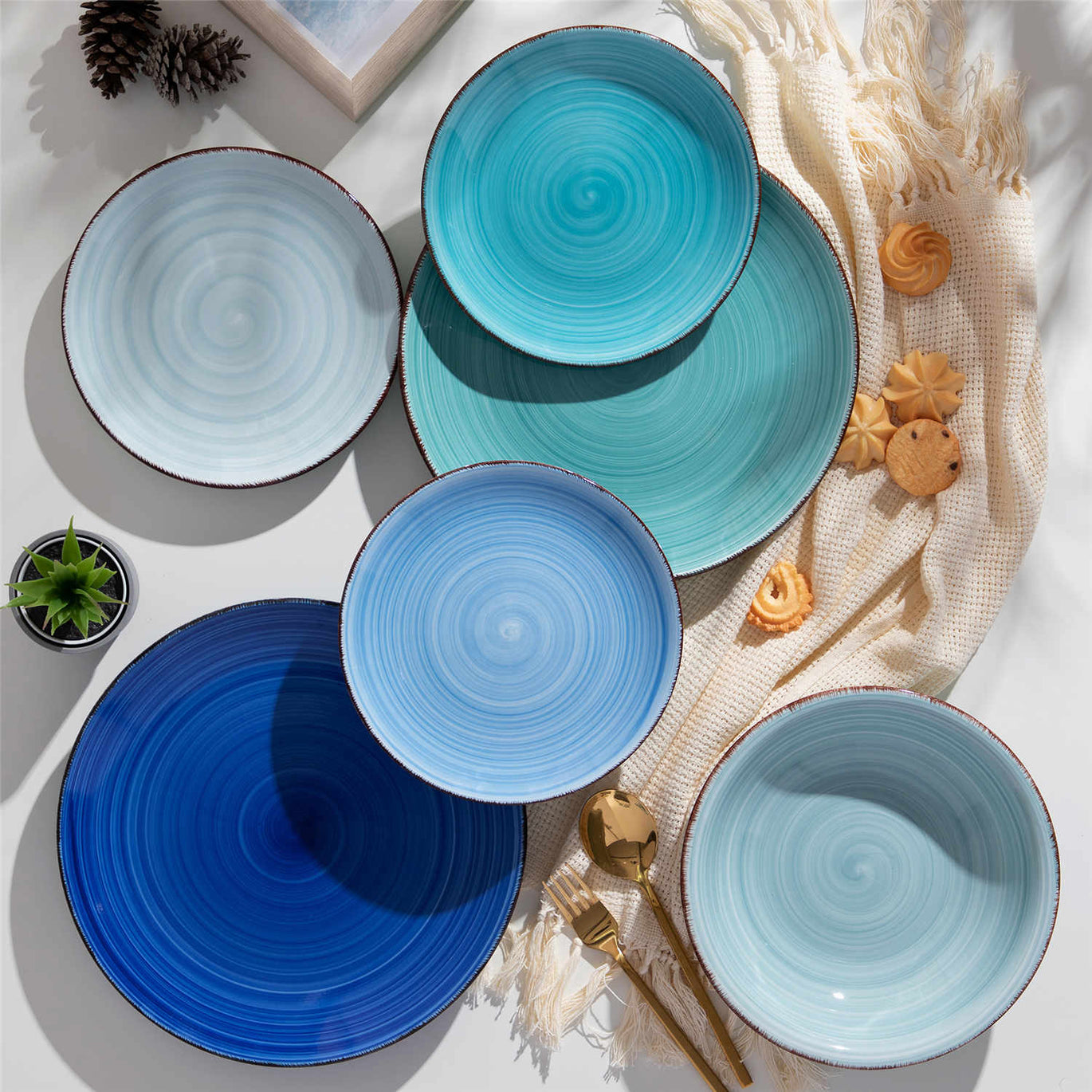
This is where your role as a Colorful Tabletop creative ally becomes powerful. Offer color stories that bridge apparel and tableware. Suggest that a soft sage-and-cream family palette is ideal for a spring brunch with light stoneware and linen napkins, while a jewel-tone stripe works with deep ceramic plates and brass flatware. Remind parents that a single signature color—say, a particular blue that appears in the baby’s romper, the father’s sweater, and the salad bowl glaze—can tie a scene together more elegantly than aggressively identical prints.
Encourage families to think about how outfits move through the evening. A baby’s romper needs easy diaper access during a long dinner; a toddler’s outfit should be comfortable enough to crawl under the table and still look charming when they pop back up for dessert photos. Parents’ garments should feel good from kitchen prep to wine refills. When you connect these pragmatic details to the sensory joys of clinking glasses and shared dishes, you transform family outfits from mere “looks” into tools for more relaxed, more memorable gatherings.
And remember: in a world with fewer children, the emotional value of each shared table is amplified. That is a challenge for volume-driven business models, but it is a gift for brands willing to design carefully, tell richer stories, and treat every family as a work of art.
FAQ
Does a declining birth rate mean the family outfit business is doomed?
No. Research on baby and children’s apparel markets shows that while lower birth rates slow volume growth in some regions, overall spending on each child and on special occasions remains robust and is even rising in certain segments. The opportunity shifts from selling as many pieces as possible to creating higher-value, longer-lasting, and more meaningful family sets that parents are proud to invest in.
How can a small brand realistically respond to these big demographic forces?
You do not need a giant data science team to adapt. Start by focusing on specific occasions your current customers already celebrate, such as first birthdays or major holidays, and design tight capsules that coordinate outfits and, ideally, tableware or decor. Use sustainable, comfortable materials, demonstrate how pieces can be reused or resold, and tell stories in your imagery that reflect real families and real tables. Small, thoughtful moves can align you with the same trends that global reports are describing.
Should I worry that resale and rental will cannibalize my family outfit sales?
Resale and rental will absolutely change buying patterns, but they do not have to be your enemies. Market research suggests that circular models appeal to the same values—sustainability, frugality, thoughtfulness—that drive premium, intentional purchases. If you design for durability, communicate that your garments hold value in resale, or even partner with secondhand platforms, you can position your family outfits as the beloved first chapter in a garment’s longer life rather than as disposable one-offs.
In the end, fewer babies and smaller families do not have to mean less color, less joy, or fewer matching moments. They simply mean that each moment is more precious. If you design and market your family outfits as the visual heartbeat of those gatherings—synchronized with the plates, the linens, the candles, and the laughter—you can thrive in a low-birth-rate world while helping families turn every shared meal into a small, unforgettable celebration.

References
- https://www.princeton.edu/~adsera/JPE04.pdf
- https://www.uky.edu/~slu239/BHL2017oct.pdf
- https://media.iese.edu/research/pdfs/ESTUDIO-170-E.pdf
- https://epubl.ktu.edu/object/elaba:233298095/233298095.pdf
- https://archive.news.ufl.edu/articles/2019/01/discount-stores-tobacco-sales-tied-to-more-women-smoking-while-pregnant-uf-health-study-finds-1.html
- https://read.dukeupress.edu/demography/article/56/4/1463/168042/Beyond-the-Great-Recession-Labor-Market
- https://rar.expressions.syr.edu/wp-content/uploads/2015/04/2008-Lane-Structural-violence.urban-food-markets..pdf
- https://www.researchgate.net/publication/264000506_The_Effect_of_Demographic_Factors_on_Children'_Wear_Buying_Pattern_Media_and_Information_Utilization_and_Design_Preference_paper_no2
- https://www.textiletoday.com.bd/global-baby-and-childrens-clothing-market-trends-growth-and-export-dynamics
- https://www.fortunebusinessinsights.com/baby-apparel-market-102106
You may also like
Stern 16 Piece Dinnerware Set
- From £58.00
£77.00- From £58.00
- Unit price
- per
-
Blue
-
Green
-
Red
-
Grey
Bonita 18 Piece Dinnerware Set
- From £49.00
£61.00- From £49.00
- Unit price
- per
-
Blue
-
Multicolor
Simi 24 Piece Dinnerware Set
- £77.00
£104.00- £77.00
- Unit price
- per
Starry 16 Piece Dinnerware Set
- £60.00
£70.00- £60.00
- Unit price
- per
-
Blue
-
Green
-
Red
-
Gradient Green