



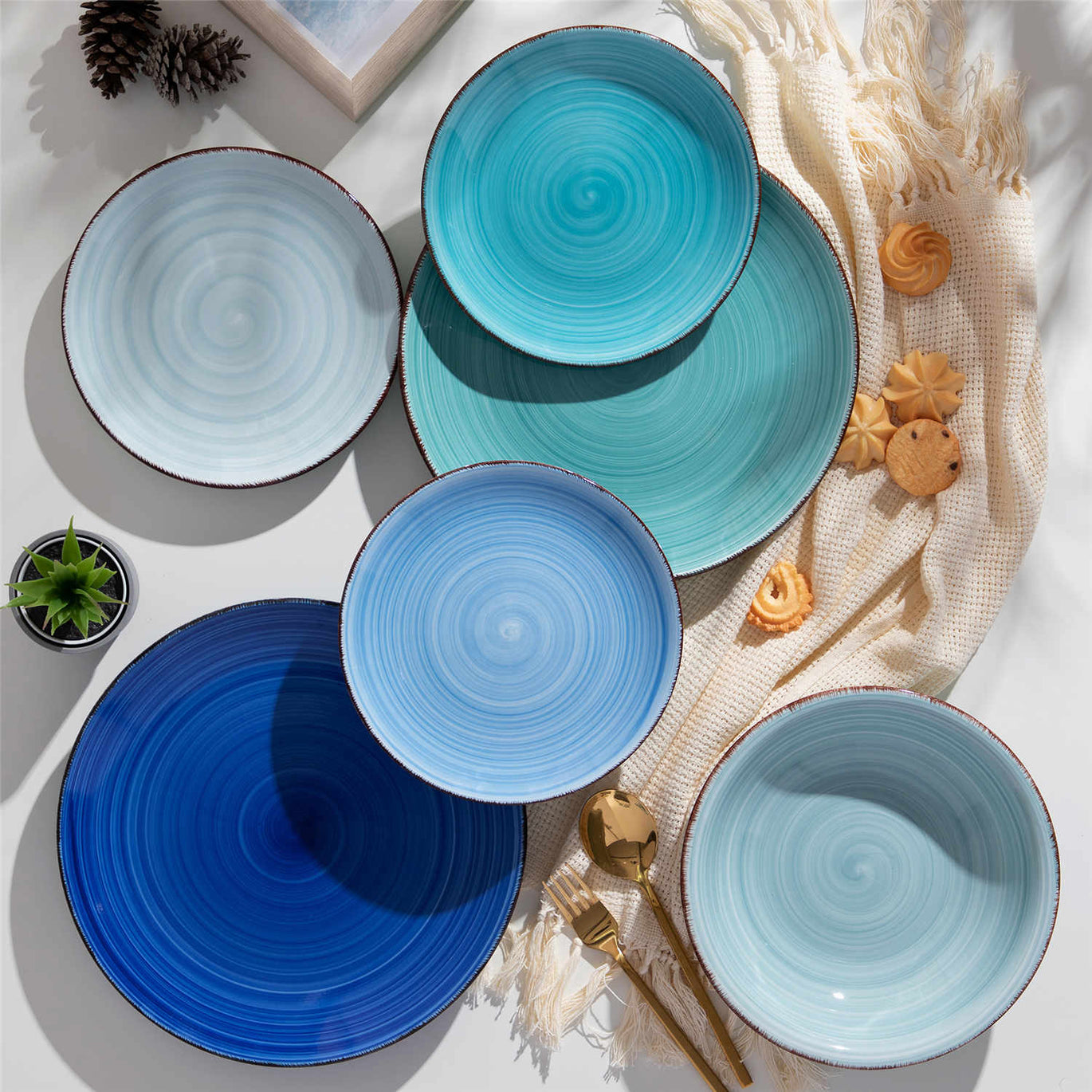


Painting the Table: Ceramic Plates Inspired by Artists’ Color Palettes

Ceramic plates are already the quiet heroes of the dining room, but once you start treating them like mini canvases, your table suddenly feels like a gallery where dinner is the main exhibition. Artists have always obsessed over color palettes; now more and more ceramic designers are bringing that same painterly focus to the plates we eat from every day. The result is functional art that changes not only how your table looks, but how your meals feel.
In this guide, we will explore how to choose ceramic plates that echo artists’ color palettes, how different clays and glazes influence color, what moods various palettes create at the table, and how to care for these pieces so their colors stay luminous for years.
Why Artists’ Color Palettes Belong on Your Dinner Table
Ceramics have always lived in the overlap between art and utility. Adorno Design describes ceramics and stoneware as media with a dual identity: bowls, plates, and vases are practical objects that simultaneously act as collectible design pieces. Ceramic artists carve, glaze, paint, and layer materials to achieve everything from translucent porcelain to rugged, earth-toned earthenware. That same toolbox is what makes artist-inspired color palettes possible on dinner plates.
Fine art ceramics push this even further. ArtWeb notes that many of the most coveted ceramic works today are vessels: platters, bowls, and plates created as visually striking display pieces rather than strictly functional containers. Contemporary artists like those discussed by Artists Network—such as Molly Hatch—deliberately blur the line between painting and plate, creating large wall installations built entirely from decorated plates while also designing tableware for daily use. Her work demonstrates that the plate’s round surface is a perfect stage for a color story.
When you bring that mindset to your own table, even a simple weeknight dinner can feel like a curated moment. Instead of thinking, “Which plates are clean?”, you start asking, “Which palette sets the mood for tonight?” That is exactly the sweet spot where color-obsessed artists and practical home cooks meet.

Ceramic Plates as Everyday Canvases
Before you dive into color palettes, it helps to understand the materials themselves. The clay body and firing process shape how colors appear, how glazes behave, and how the plate will stand up to constant use.
Adorno Design defines ceramics as objects made by shaping clay and then firing it in a kiln, often with a glaze. Within this broad family sit porcelain, stoneware, and earthenware, each with its own personality. Modest Hive explains that all three are ceramics, but they differ in firing temperatures, porosity, and durability, which in turn affects how they work as “canvases” for color.
Porcelain is made from fine kaolin clay and fired at very high temperatures, around 2,381–2,455°F. It becomes vitrified and non-porous, which makes it strong, relatively light, and usually safe for microwave, dishwasher, oven, and freezer use when glazes and decorations are appropriate. Because it can be made thin and almost translucent, porcelain is a favorite for refined, delicate-looking plates that still hold up in daily life. Modest Hive notes that porcelain typically absorbs only about 0–1 percent of its weight in water, which helps keep it hygienic and resistant to staining.
Stoneware uses a coarser clay and is fired at slightly lower, but still high, temperatures, commonly around 2,305–2,336°F according to Modest Hive. It is thicker and more substantial than porcelain, with a more earthy, grounded feeling in the hand. Stoneware is durable and usually microwave and dishwasher safe, though it is somewhat more porous than porcelain and can discolor over time if the manufacturing quality is lower. Adorno Design highlights stoneware’s high resistance to chipping, cracking, and thermal shock, which is exactly what you want if your artist-inspired plates are going to see constant action.
Earthenware is fired at lower temperatures and remains more porous and fragile. Clayful Homes describes earthenware dinner plates as thick and heavy, visually attractive but more prone to cracking and chipping than other ceramic types. Some pieces are dishwasher-safe, but this is the material where you must be most cautious about moisture and handling. Its rustic charm can be wonderful for certain color palettes, but it is not the most forgiving base for everyday use.
Bone china deserves its own mention. Clayful Homes explains that bone china combines bone ash with porcelain clay and is fired at slightly lower temperatures than pure porcelain. The result is a milky, almost glowing translucence that looks delicate yet is actually extraordinarily strong and durable. It is usually safe for dishwashers and often for microwaves and ovens unless metallic bands are present.
Across these materials, the key idea is that ceramic plates really are canvases: non-porous or low-porosity surfaces that receive and showcase glazes and pigments. The transformation in the kiln—where malleable clay becomes a hardened, long-lasting medium—is the ceramic world’s equivalent of a painter’s final varnish. Once it is fired, your palette is set.
How Material Choice Shapes Color
Different clays and glazes interact with light and color in distinct ways. Adorno Design notes the vast aesthetic diversity possible in ceramics: glossy, matte, carved, painted, and layered finishes all change how colors read. Stoneware often feels warm and soft, making earthy palettes sing. Porcelain’s smooth brightness lets subtle color shifts show crisply. Earthenware can amplify rustic, hand-painted looks.
To make the comparison clearer, here is a snapshot, based on Modest Hive, Clayful Homes, Adorno Design, and Just Destiny Mag.
Material |
Firing & Feel |
Color & Glaze Behavior |
Strengths for Palette-Inspired Plates |
Watch-outs |
Porcelain |
Very high-fired, non-porous, thin yet strong |
Bright, neutral white backdrop; shows subtle color shifts and fine details extremely clearly |
Ideal for refined, painterly palettes and intricate line work; resists stains and water absorption |
Often higher priced; some fine china with metallic rims cannot go in microwaves or with citrus detergents |
Bone china |
Porcelain clay plus bone ash; lightweight, milky translucence |
Soft, luminous whites that make colors look slightly diffused yet glowing |
Combines luxury look with surprising durability; excellent for “stealth wealth” understated color use |
Metallic banding usually rules out microwave use; often reserved for more formal or special-occasion settings |
Stoneware |
High-fired, thicker, pleasantly heavy, generally durable |
Earthy base tones; glazes can look cozy, organic, and richly varied, including reactive glazes |
Great everyday workhorse for bold color and texture; feels substantial and relaxed at the same time |
Some pieces more porous; lower-quality stoneware can discolor over time if not well glazed |
Earthenware |
Lower-fired, heavier, more porous, more chip-prone |
Rustic, hand-made look; ideal for folk-style painting and matte or semi-matte glazes |
Perfect for artisanal, story-rich patterns and seasonal designs |
Less durable; often not ideal for microwave or frequent dishwasher use; chips more easily |
When you choose a material, you are really choosing how you want your colors and patterns to live: sharp and crisp, soft and glowing, earthy and reactive, or rustic and hand-drawn.

Color Stories: Translating Art Palettes into Tabletop Moods
Color is where your plate becomes a narrative device. Clayful Homes points out that color on dinnerware has emotional effects at the dining table and can change how meals feel. Warm tones work well with traditional wooden tables and family dining, while cool blues and greens create calm, minimalist atmospheres in modern kitchens.
Everyday dinnerware guides from Coton Colors and Just Destiny Mag echo this. They note that neutral white or off-white plates are the most versatile base, highlighting food visually and coordinating easily with other pieces. At the same time, trends toward dark indigo and forest green demonstrate how bold colors can make the table feel dramatic and memorable.
Artist-inspired ceramic plates take these ideas and push them further. Joyye’s collections are a perfect example. Their vintage white and amber crackled glaze plates, with wildflower patterns and fine crackle lines, feel like they borrow directly from a pastoral watercolor palette, placing creamy neutrals, greens, and soft reds onto the table in a way that looks almost painted. Their mushroom-themed dinnerware uses hand-painted mushrooms on earthy brown, serene blue, and soft white backgrounds to evoke a whimsical, fairy-tale forest palette. Reactive amber stoneware plates use chemical reactions in the kiln to create unpredictable flows of amber color, like a painter working wet into wet.
Other Joyye designs show how specific art-driven palettes can transform the dining mood. An autumn pumpkin collection leans into rich oranges, greens, and browns for a harvest-inspired palette that feels like a seasonal painting come to life. Marble-effect plates use swirling, contrasting colors to mimic stone veining, giving a more contemporary, abstract-art vibe. Asian-inspired matte debossed designs in warm autumn tones show how subtle texture and negative space, central to much Eastern ceramic art, can become quiet, contemplative color stories. Embossed Christmas plates with reds, greens, and whites bring festive imagery into three-dimensional relief, while brown-to-black gradient plates lean into strong, modern gradients that feel like a graphic designer’s palette translated into glaze.
Japanese Mingei philosophy, described by Unison Home through Nobuhito Nishigawara’s W/R/F dinnerware, adds another layer. Mingei centers on “the art of the people”: handmade, functional folk objects meant for daily use. In practice, that means plates in black or white gloss glaze with exposed raw matte clay bases. The contrast between gloss and matte becomes a very deliberate two-tone palette. The intention is to harmonize with food rather than overpower it, which is exactly how many artists think about their color choices in relation to the subject.
Add to this the “stealth wealth shelf” trend highlighted by ArtWeb, where people curate shelves with understated, high-quality ceramics and glass to quietly signal taste. In that world, a bone china plate with a restrained, art-informed palette—perhaps monochrome blue on white, or soft taupe with a subtle botanical line—feels as expressive as a loud, multicolor pattern.
On a more technical note, Malacasa’s guide to using ceramic plates as color-mixing palettes for watercolor and gouache reveals why artists love ceramic surfaces in the studio. Non-porous white glaze keeps colors pure, allows predictable pooling, and makes it easy to judge hue and value. That same behavior is what makes white or pale ceramic dinner plates so good at showcasing nuanced glazes and painted motifs. They function both as the painter’s testing surface and as the finished stage for serving food.

Designing a Palette-Inspired Place Setting
Bringing artist-style color coherence to your table does not require turning your dining room into a gallery. It just means approaching your plates the way a colorist approaches a canvas.
Start with your base “ground.” Everyday dinnerware guides from Coton Colors, Royal Doulton, and Wedgwood all emphasize the value of durable, versatile pieces for daily use. Just Destiny Mag recommends high-quality porcelain or stoneware in neutral colors as a long-term foundation. Think of these as the primed canvas: a set of white, ivory, warm gray, or soft beige plates in porcelain, bone china, or stoneware that you reach for every day.
From there, layer in your “accent strokes.” Salad plates, dessert plates, and bowls are prime candidates for artist-inspired palettes because they sit on top of those neutral dinner plates and can be swapped seasonally. Coton Colors notes that salad plates are ideal for adding color; their collections, such as the Iris Blue patterns or bold black-and-white Crew designs, exemplify how a patterned layer can sit comfortably on a simpler base. Joyye’s mushroom or pumpkin plates, for example, could be used as dessert plates on a plain stoneware dinner plate without overwhelming the table.
Think about your table itself as part of the composition. Clayful Homes points out that warm-toned, patterned sets pair well with wooden tables, while plain white plates look especially good on glass tabletops. If you have a dark wood dining table, an artist-inspired palette of cream, amber, and forest green plates will feel cocooning and rich. On a light modern table, indigo-and-white or monochrome gray palettes will feel cleaner and more graphic.
Shapes and edges matter as much as color. Coton Colors explains that round dinner plates are practical and traditional, layering easily with salad plates and bowls, while square plates introduce a more contemporary, visually striking look. Curved edges help keep food and sauces contained, which is useful when you are playing with color-rich sauces that might stain. Just Destiny Mag notes that plates with a slight lip on the edge help contain food and make plating easier, and that full-body glazing, including the bottom, reduces scratching and improves stacking.
Size is another design decision. Everyday guides suggest that dinner plates around ten inches, occasionally stretching toward eleven or twelve inches, comfortably hold a main dish plus sides without overwhelming the place setting. Salad plates around six and a half to nine inches sit comfortably on top. Those dimensions become your layout grid for color, giving you enough surface for a meaningful palette without crowding the table.
When you curate all of this, think in terms of visual rhythm rather than strict rules. If your main dinner plates are calm—say, white stoneware with a soft matte surface—let a few pieces carry the bolder artist-inspired palette: a crackle-glaze amber platter, a set of mushroom-illustrated dessert plates, or autumnal pumpkin bowls. If your plates themselves are intricate and colorful, keep textiles more neutral so the table does not feel visually noisy. Wheelhaus Studio’s perspective on pottery as functional art is useful here: handmade tableware adds weight, texture, and unique design, turning ordinary meals into special experiences. The key is to give those pieces space to shine.

Pros and Cons of Artist-Inspired Colorful Ceramic Plates
Color-rich, art-influenced plates are joyful, but they are not automatically the right fit for every home or every meal. Thinking through advantages and trade-offs will help you build a collection you actually use instead of one you worry about.
Here is a practical comparison drawing on insights from ArtWeb, Just Destiny Mag, Clayful Homes, Modest Hive, and others.
What they offer |
What to consider carefully |
Turn everyday plates into functional art and conversation pieces, echoing trends in fine art ceramics and collectible tableware described by ArtWeb and Artists Network |
Highly decorated plates, especially those with metallic rims or complex surfaces, may require handwashing and cannot go in the microwave |
Bring mood-setting color to the table, with palettes that can feel cozy, calm, festive, or dramatic depending on glazes and patterns |
Very bold or busy palettes can compete visually with food, so you may prefer to mix them with calmer base pieces |
Align with broader interior trends like the “stealth wealth shelf,” where understated yet artful ceramics quietly signal taste |
Fine bone china or delicate earthenware pieces can be more fragile; earthenware in particular is more prone to chips and cracks |
Let you support individual artists and small studios, embracing the variations and imperfections that Unison Home and Just Destiny Mag celebrate in handmade ceramics |
One-of-a-kind or limited-edition pieces are harder to replace if broken; Borgo delle Tovaglie recommends buying extra pieces to cover inevitable losses |
Give you the pleasure of seasonal or thematic palettes, such as Joyye’s autumn or holiday collections, without redesigning your whole dining room |
Highly seasonal motifs may feel out of place at certain times of year; you might rotate them instead of using them daily |
Offer potential long-term collectible value, as seen in fine art ceramics highlighted by ArtWeb, where contemporary pieces can become highly prized |
Investment-grade ceramics come with higher upfront costs; they may be better displayed or used for specific occasions rather than every single meal |
When in doubt, treat artist-inspired plates as a layer rather than your entire collection. Anchor your cupboard with durable neutrals, then let the more adventurous palettes come in through accent pieces, platters, or smaller plates.

Caring for Colorful Ceramic Plates So They Keep Shining
Once you have fallen in love with the colors on your plates, caring for them becomes a simple act of preservation. Multiple ceramic care guides—from HF Coors, BosilunLife, Vareesha, Amalfiee Ceramics, and Lindsey Nicole Design Studio—agree on the fundamentals.
Gentle cleaning keeps glazes glossy and colors true. Use warm water, mild dish soap, and a soft sponge or cloth. Vareesha and BosilunLife both caution against abrasive scrubbers, harsh chemicals, or scouring powders, since these can dull or scratch the glaze and make plates more prone to staining and cracking. For stubborn stains from tea, coffee, or deeply colored foods, several care guides recommend simple kitchen solutions: a paste of baking soda and water, or a brief soak with mild acidic mixtures, followed by thorough rinsing.
Dishwashers can be convenient, but they are not always ideal for every plate. Clayful Homes notes that most ceramic dinnerware without metallic decoration is dishwasher-safe, while pieces with gold, silver, or platinum borders should be washed by hand. BosilunLife and Amalfiee Ceramics add that if you do use a dishwasher, placing plates on the top rack and choosing gentle cycles reduces heat and water-pressure stress on the glaze. Large, hand-painted, or heavily decorated plates are strong candidates for handwashing, especially if you want their surface to remain pristine.
Thermal shock is another silent enemy of ceramic color. HF Coors, Modest Hive, and several care guides warn against sudden temperature changes: moving a plate straight from the refrigerator into a very hot oven or vice versa can cause cracking. Even when plates are oven-safe, gradual heating is safer than extreme jumps. Not all ceramics are microwave-safe either, particularly those with metallic decoration; labels and manufacturer guidance matter.
Storage habits also affect longevity. Amalfiee Ceramics and Vareesha recommend avoiding careless stacking that puts rim against rim. Thin felt pads, cloth, or paper between plates reduce the risk of scratches and chips, especially for porcelain and bone china. Storing mugs and cups thoughtfully, and wrapping especially delicate or heirloom pieces for long-term storage, keeps accidental damage at bay. Regular inspection for hairline cracks or chipped edges helps you retire damaged pieces from heavy use before they cause injury or further breakage.
Safety and composition matter as much as aesthetics. Modest Hive emphasizes choosing dinnerware that is non-toxic, free of harmful heavy metals, and glazed to food-contact standards. HF Coors and Convivial both highlight that their wares are lead-free and cadmium-free and tested by independent labs. When you invest in artist-inspired plates, it is worth confirming that they meet similar safety standards, especially if you will be using them every day.
If you ever repurpose a ceramic plate as a painting palette, as Malacasa suggests many artists do, keep studio and kitchen uses separate. Their guide stresses treating those plates as permanent art tools rather than mixing them back into the dinner rotation. This keeps both your glaze colors and your food habits comfortably in the safe zone.
Sourcing Artist-Influenced Plates and Building a Collection
You have many paths to bringing artist-style palettes to the table, ranging from affordable everyday sets to one-of-a-kind handmade pieces.
Everyday dinnerware guides from Just Destiny Mag, Royal Doulton, Wedgwood, Coton Colors, and MALACASA all encourage treating dinnerware as a long-term investment. They suggest starting with sets of at least service for four or six, then adjusting upward if you entertain frequently. Borgo delle Tovaglie advises against buying too few pieces: when a plate inevitably breaks, you may not be able to find the same model or color later. Their solution is to purchase a complete set plus a few extra dinner plates up front, so your collection can absorb small accidents.
Within that framework, you can decide where you want your art-inspired color to concentrate. One strategy is to choose a classic neutral base from brands that emphasize durability—such as stoneware collections praised by Just Destiny Mag—and then add artist-influenced plates as accent layers. That might mean a set of Joyye’s crackled-glaze salad plates, W/R/F’s black gloss plates with raw clay bases, or hand-thrown pieces from local studio potters in the spirit of the functional art celebrated by Wheelhaus Studio.
Another path is to seek out designers who already straddle the worlds of galleries and dining, like Molly Hatch. Artists Network describes how she creates both large plate-based installations for major museums and decorative plate and dinnerware designs for everyday use. Her practice shows that you do not need to choose between “serious art” and “real dishes”; a single designer can operate in both spheres, and your table can benefit from that cross-pollination.
At the high-collectible end, ArtWeb discusses how some contemporary ceramic works have sold for very high prices, and how exclusivity, limited editions, provenance, and where a piece is sold all affect perceived value. Those pieces may be better suited to display than regular dinner, but they share the same DNA as your favorite colorful plates: clay, glaze, and a strong, coherent color palette.
If you are working on a larger scale or for a brand, Joyye’s article highlights how experienced manufacturers can customize ceramic plate designs and palettes for specific needs. That kind of collaboration allows you to define the color story first and then build forms and glazes around it, much like commissioning a painting with a particular mood.
Regardless of budget, the underlying principle is the same: choose pieces whose colors feel intentional and connected, and that match your tolerance for maintenance and wear. Over time, your cupboards become less of a random assortment and more of a curated palette you can paint with at every meal.
FAQ
Are colorful, artist-inspired plates only for special occasions?
They do not have to be. Many stoneware and porcelain plates highlighted by everyday dinnerware guides are designed for daily use while still featuring strong colors and patterns. W/R/F’s Mingei-inspired dinnerware, for example, is explicitly intended as daily-use tableware rather than special-occasion china. The key is to check durability, dishwasher and microwave guidance, and then decide which pieces you are comfortable using every day and which you prefer to save for more intentional gatherings.
Will bold plate colors make my food look less appetizing?
Color can absolutely influence how food is perceived, but it is not a simple “bright is bad” rule. Clayful Homes notes that warm tones complement cozy family meals and wooden tables, while cool tones like blues and greens can create peaceful, modern atmospheres. Neutral whites and off-whites highlighted by Just Destiny Mag and Coton Colors are reliable because they make most foods stand out clearly. If you are experimenting with bolder palettes or strong patterns, you can balance them by keeping some elements neutral, such as using a vivid salad plate on top of a plain dinner plate so the food still has a calm frame.
How do I know if a decorative plate is safe to eat from?
Safety depends on the materials, glazes, and any decorative finishes. Modest Hive recommends ensuring dinnerware is non-toxic and that glazes meet food-contact standards, while HF Coors and Convivial emphasize independent testing and lead-free, cadmium-free formulations. Plates with metallic rims or heavy surface decoration may be intended for display rather than heavy daily use, especially if the manufacturer does not label them as dishwasher- or microwave-safe. When in doubt, treat unlabeled decorative plates as display pieces or use them as chargers under clearly food-safe plates.
A Colorful Closing
When artists think in palettes instead of single colors, their work gains depth and coherence. The same magic happens on your table when you treat ceramic plates as canvases for intentional color stories rather than as anonymous props. With the right mix of durable clay bodies, well-chosen glazes, and palettes that echo your favorite artworks, everyday meals start to look and feel like small, joyful installations. Curate your plates the way a painter curates pigments, care for them with the respect given to any artwork, and your dining room quietly becomes the most colorful gallery you visit every day.
References
- https://www.bonappetit.com/story/best-dinnerware-sets?srsltid=AfmBOoq4KqtmgUsbvwPH3H4u42Tg61Hz7abh-76-FCS2l24iWM0sO-oD
- https://www.joyye.com/info-detail/8-inspiring-ceramic-plate-ideas
- https://justdestinymag.com/everyday-dishes/
- https://www.lemon8-app.com/ceramicleo/7298171322280985093?region=us
- https://www.lindseynicoledesignstudio.com/post/the-art-and-utility-of-ceramics
- https://madeincookware.com/blogs/ceramic-cookware-maintenance
- https://modesthive.com/porcelain-stoneware-or-earthenware-which-dinnerware-is-best-for-your-kitchen/?srsltid=AfmBOopGWjjCBnqY8dPHZMLHZ2yKGjifUWUbj6bblNtTDbCm76WRisSe
- https://blog.unisonhome.com/art-of-the-people-japanese-ceramic-dinnerware/
- https://adorno.design/editorial/fired-elegance-the-beauty-of-ceramics-and-stoneware/?srsltid=AfmBOoovTSdupLhTkNulMHpFH-A5k5Nt92HJzy2kdH53Nr13V-z9Xe4k
- https://www.amalfieeceramics.com/blogs/news/ceramic-care-101-tips-to-make-your-tableware-last-longer?srsltid=AfmBOopx9kN6VBtJvCDGPAqYBMNAIeRKYMnNohtyu2Qizn4gmSu5F1FU
También te puede interesar
Stern Juego de vajilla de 16 piezas
- €90,95
€103,95- €90,95
- Precio unitario
- por
-
Blue
-
Green
-
Red
-
Grey
Simi Juego de vajilla de 24 piezas
- €103,95
€143,95- €103,95
- Precio unitario
- por
Bonita Juego de vajilla de 18 piezas
- Desde €64,95
€80,95- Desde €64,95
- Precio unitario
- por
-
Blue
-
Multicolor
Simi Juego de vajilla de 24 piezas con cuencos de doble cara
- €109,95
€143,95- €109,95
- Precio unitario
- por