



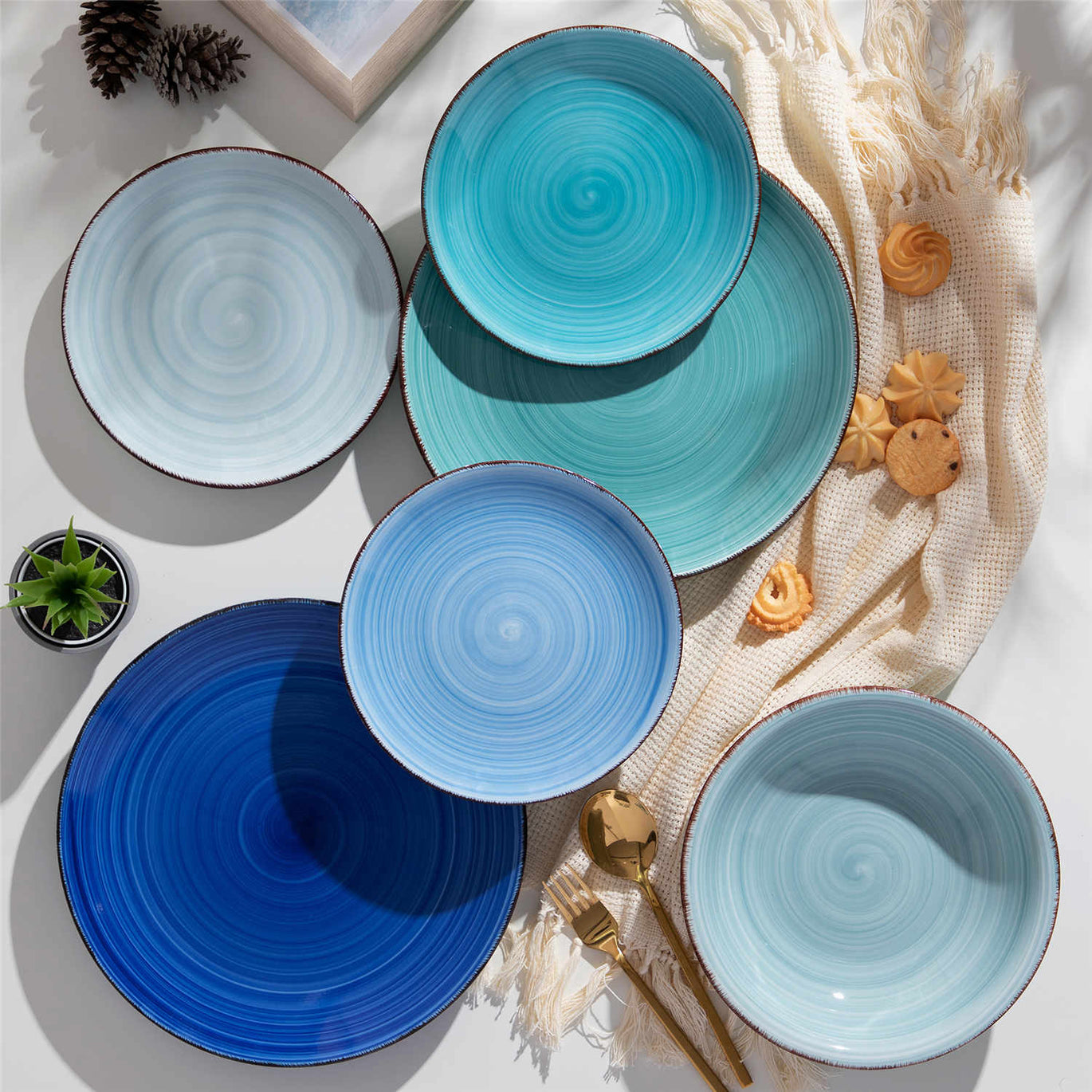


The End of Gender Marketing in Ceramic Dinnerware Trends

Walk down any home goods aisle today and the tableware story is changing. Where there were once pastel “for her” sets and heavy, dark “for him” stoneware, you now see painterly splashes of color, earthy neutrals, and mix-and-match collections that refuse to sit neatly in a pink-or-blue box. The global ceramics tableware market is growing steadily, with reports from Metastat Insight and other analysts forecasting it to reach tens of billions of dollars in the coming decade, and that growth is increasingly fueled by shoppers who do not want their dinner plates to tell them who they are supposed to be.
This shift is not just about aesthetics. It is about moving beyond gender marketing altogether—away from binary assumptions and toward collections built around mood, ritual, and identity. Drawing on research about handmade ceramics, branded tableware, promotional campaigns, and compliance standards from sources such as Craft Industry Alliance, Desygner, DTC World, Joyye, BHS tabletop, Loving Home, Solecasa, and others, this article explores why gendered dinnerware is losing relevance and what a more inclusive future looks like.
From Pink Plates to Personal Style
For decades, dinnerware marketing leaned heavily on gender signals. Promotional campaigns positioned “ladies” as the ones who spent “more time in the kitchen,” as described in case studies from DTC World. Festive dinnerware and kitchen promotions often defaulted to feminine floral patterns, soft colors, and licensed characters like Hello Kitty framed as irresistible to women and girls. Matching bowl and chopstick sets were presented as “elegant collectibles” that women would be delighted to redeem in spend-and-collect campaigns.
At the same time, “serious” cookware—dark ceramic pots, earth-tone casseroles, and restaurant-inspired pieces—tended to be framed as tools for expert (and often implicitly male) cooks. Marketing language implied that floral motifs and cute character lids were indulgent treats, while plain stoneware and black ceramic pots were “professional” equipment.
These gendered cues did not arise in a vacuum. They grew out of broader cultural assumptions about who cooks, who hosts, and who cares about the look of the table. But as research on the handmade ceramics and tableware markets shows, those assumptions now lag far behind reality. Handmade ceramic buyers—interior design enthusiasts, culinary hobbyists, art collectors, and gift shoppers identified by Craft Industry Alliance and American craft organizations—span all genders and age groups. They are united less by gender than by values: authenticity, craftsmanship, sustainability, storytelling, and experience.
When you look closely at today’s most successful ceramics and tableware brands, from artisan studios to luxury fashion houses extending into tableware, the most effective stories are no longer “for him” or “for her.” They are about moments, rituals, tastes, and spaces.

Why Gendered Dinnerware No Longer Works
Gender marketing flattens a richly varied market into two narrow lanes. That is increasingly bad business in an industry where growth depends on serving diverse lifestyles and occasions.
Changing Households and Shared Rituals
Research on the ceramics tableware market highlights how dining habits and household structures are evolving. More people cook at home, more men and nontraditional caregivers take primary responsibility for meals, and more households are multigenerational or blended. At the same time, single-person households and shared apartments of friends are common in urban centers. In this world, assuming that “mom” is the only person buying plates or that women alone care about table aesthetics is a strategic blind spot.
Guides for marketing tableware businesses from platforms like Desygner emphasize digital-first shoppers who browse on their cell phones, compare options visually, and respond to strong brand stories. These shoppers are looking for tools that make life easier, more beautiful, and more enjoyable, not for products that reinforce old roles.
Aesthetic-Driven Purchasing, Not Demographic Labels
Social media has transformed how ceramics and tableware are discovered. Instagram, Pinterest, and short-form video platforms reward striking imagery and process-driven content. Ceramic artists and brands that thrive online, like those profiled in Expert Clay and Shopify’s coverage of Jono Pandolfi Designs, focus on texture, glaze, process videos, and lifestyle context.
What performs well in those feeds is not “plates for women” or “stoneware for men.” It is a morning coffee ritual shot in warm light, a boldly patterned bowl under a vibrant salad, or a minimal white plate framing a chef’s composition. The appeal is aesthetic and emotional, not gendered.
Inclusive Values and Identity
Younger consumers, especially, expect brands to respect a spectrum of identities. Gendered product labels can feel out of step with inclusive values and can unintentionally alienate customers. Market research on home decor cited by Joyye and others shows that a large share of shoppers now prioritize sustainability, ethical production, and unique design over traditional status markers.
Luxury fashion brands entering tableware, such as Hermès with its porcelain collections, understand this well. Their collections lean into heritage, craftsmanship, and narrative—equestrian motifs, archival patterns, and artistic collaborations—without assigning designs to a specific gender. The message is, “If this story resonates with you, it is for you.”
What Replaces Gender Marketing
Moving away from gender does not mean abandoning segmentation altogether. It means segmenting by what actually drives purchase decisions: occasion, aesthetic, lifestyle, and brand story.
Segment by Occasion and Ritual
Ceramic dinnerware is deeply tied to rituals. Research on promotional campaigns and gifting from Opensend and DTC World shows how powerful it is to design for specific moments. Mother’s Day campaigns, for example, perform best when they highlight emotional connections and practical solutions, not when they assume one narrow image of “mom.” Reports from Opensend note that effective Mother’s Day promotions can lift revenue significantly when they emphasize meaningful, thoughtful gifts rather than generic pink sets.
Limited-edition ergonomic mugs designed for everyday use, personalized cutting boards engraved with family names, and ceramic cookware that looks restaurant-quality but functions for weeknight dinners all succeed because they solve for daily rituals. The fact that many are marketed as Mother’s Day gifts does not require the product itself to be gendered. A comfortable, beautifully glazed mug feels just as right in the hands of a father, roommate, or friend as it does in the hands of a mother.
The smarter move is to design for the ritual—morning coffee, solo late-night ramen, Sunday family brunch—then frame seasonal campaigns around those rituals rather than around gender.
Segment by Aesthetic and Mood
Market analyses of ceramic tableware from Joyye, Metastat Insight, and others show growth in both classic white tableware and bold, patterned designs. Consumers are increasingly drawn to mix-and-match aesthetics: combining rustic stoneware with refined porcelain, pairing glossy reactive glazes with matte neutrals, or collecting quirky character bowls alongside minimalist plates.
DTC World’s promotional case studies reveal that cute, character-driven ceramic items, batik-inspired lids, and bright color palettes are popular because they are visually delightful, not because they belong to one gender. Licensed character campaigns with brands like Hello Kitty and Disney succeed as collectible, nostalgic experiences that cut across age and gender boundaries.
Similarly, BHS tabletop’s work on customized tableware for hospitality brands emphasizes the near-limitless palette of decors—graphic patterns, color blocks, line decors, and full-surface designs. Their creative center helps restaurants and hotels express their personality through plates, cups, and bowls. None of this requires a gender label; the focus is on whether a decor feels Nordic minimal, Alpine rustic, urban bold, or whimsical family-friendly.
Segment by Context and Channel
Research from Joyye and Pito on wholesale sourcing and customized dinnerware makes it clear that context matters. Restaurants, hotels, and cafes choose ceramics that reinforce their brand identity: a farm-to-table restaurant might prefer earthy stoneware; a coastal resort may lean into sun-washed blues; a fashion-branded cafe might use graphic, logo-bearing pieces.
Retailers and online sellers, meanwhile, often use ceramics as brand touchpoints. Custom mugs, plates, and bowls with discreet logos or patterns from Joyye and Loving Home are designed to feel like part of the home, not like merchandise for one gender. The strongest play is to segment by use-case—hospitality, everyday home cooking, gifting, collectibility—rather than trying to split the market into “his” and “hers” shelves.
Old vs. New: A Quick Comparison
You can think of the shift in terms of how collections are framed:
Old Gendered Approach |
Risks Today |
Inclusive Approach |
“Ladies’ floral dinner set,” “men’s grillware” |
Alienates many shoppers; reinforces outdated stereotypes |
“Garden brunch collection,” “backyard grilling collection” |
Pink pastels for women, dark neutrals for men |
Overlooks people who do not identify with those palettes |
Multiple colorways and finishes for each design family |
“Gifts for mom” section in-store |
Narrow view of who cooks and hosts |
“Gifts for the home cook,” “coffee lovers,” “hosts” |
Messaging about “making her kitchen beautiful” |
Centers one gender as responsible for home labor |
Messaging about shared rituals, creativity, and enjoyment |
The inclusive approach does not erase romance, celebration, or sentimentality; it simply opens those experiences to everyone.

Designing Gender-Neutral Dinnerware Collections
With gender marketing on the way out, how do brands actually design collections and campaigns that feel inclusive but still focused?
Start with Real Customer Profiles, Not Stereotypes
Research on handmade ceramics marketing from Craft Industry Alliance and Callin shows that successful makers understand their buyers in detail. The key segments they highlight include interior design enthusiasts, culinary hobbyists, art collectors, and gift shoppers. These are behavior-based profiles that already cut across gender.
Instead of assuming that floral plates are “for women,” think about the person who loves hosting brunches with fresh flowers on the table, regardless of gender. Instead of assuming matte black stoneware is “for men,” imagine the minimalist home cook who wants a calm, gallery-like backdrop for food.
Rework Color and Motif Stories
Color psychology and motifs are powerful tools. DTC World’s promotional campaigns demonstrate just how much energy a simple ceramic pot gains from a batik-patterned lid or how irresistible a “cloud-like” mug feels when paired with a sculpted lid. The lesson is not that these design choices are feminine or masculine. It is that specific motifs tell specific stories.
Brands can build collections around stories like “Rainy-Day Reading,” “Sunlit Breakfast,” “Night Market Noodles,” or “Desert Modern,” each with its own palette and pattern language. Within each story, offer several colorways and scales so customers can lean into whatever speaks to them. Treat everything—florals, geometrics, characters, metallic rims—as aesthetic choices, not gender markers.
Use Customization and Collaboration as Inclusive Tools
Customization is one of the strongest levers for moving beyond gender. Articles from Pito, Joyye, BHS tabletop, and Loving Home all emphasize how powerful custom ceramic dinnerware is for branding. When restaurants, hotels, or retailers commission bespoke plates and mugs, they are usually trying to capture a brand feeling, not a gender.
Case studies highlight examples like:
- Branded mugs and bowls co-created with coffee roasters or bakeries that reflect local landmarks or signature flavors.
- Hospitality concepts that use pencil-sketch motifs or heritage patterns (like the cow illustrations in BHS tabletop’s Trauffer project) to bind the guest experience together.
- City-specific mugs used by coffee chains to celebrate local pride, as described in Joyye’s coverage of custom ceramic mugs.
All of these collaborations are deeply specific but not gendered. They show how focusing on place, story, and community naturally creates inclusive products.
Ensure Photography and Styling Reflect Diversity
Professional photography is central to ceramics marketing, as emphasized in Callin’s coverage of handmade ceramic strategies and Desygner’s advice on visuals. If your product photos show only one type of person—often a young woman cooking alone for her family—the message is gendered even if the plates are not.
Instead, consider showing a variety of hands and contexts: a group of friends sharing takeout from beautiful bowls, a father and child baking together, roommates setting up a taco spread, or a solo diner enjoying a late-night bowl of pasta. Diversity in age, race, body type, and household structure sends a clear message: this table is for everyone.

Marketing Without Gender Labels in Practice
Once the collection is inclusive, the way you present and sell it has to follow through.
E-Commerce and Search Without “For Her” and “For Him”
Wholesale sourcing guides and market reports from Joyye and Metastat Insight underline the growing dominance of online channels. In that environment, filters and category labels matter. Instead of “Dinnerware for Women” or “Man Cave Glassware,” organize navigation around:
- Style (modern, rustic, classic, playful)
- Color family
- Material and finish (porcelain, stoneware, reactive glaze, matte)
- Occasion (everyday, entertaining, gifting, hospitality)
Product descriptions can emphasize how pieces perform—heat retention, durability, stackability, dishwasher safety—as well as how they feel to use. Articles from Pito and Solecasa highlight how important performance and safety standards are to commercial buyers; those attributes matter just as much to home cooks and have nothing to do with gender.
Email subject lines, ad copy, and social captions should echo this approach. Rather than “Gifts she’ll love for the kitchen,” try “Color-drenched mugs for coffee lovers” or “Durable stoneware built for big family dinners.”
Retail Merchandising Around Stories, Not Stereotypes
In physical stores, there is still a temptation to separate “feminine” and “masculine” tableware. Research from DTC World on effective promotional displays suggests a better path: design easy-to-understand stories that simplify decision-making.
For example, one display could focus on a “Festive Feast” theme with richly patterned plates, character bowls, and coordinating serving pieces. Another could highlight “Calm Everyday” with neutral stoneware, clean lines, and versatile shapes. Shoppers can self-select based on the kind of experience they want to create, not on who they are supposed to be.
Opensend’s insights into shopper behavior around holidays show that personalization and practicality are what drive higher spending. Grouping products by problem solved or mood created—not by gender—aligns directly with those motivations.
Quality, Safety, and Sustainability as Universal Trust Signals
Compliance and quality standards, such as FDA and LFGB requirements summarized by Solecasa, are entirely gender-neutral but incredibly persuasive. When approximately a third of sampled ceramic dinnerware products have failed safety checks due to heavy metal migration, buyers across all segments look for brands that can clearly demonstrate compliance.
Highlighting food safety, durability, and eco-friendly production practices answers questions everyone has: Will this chip easily? Is it safe for my family? Does it align with my values? Market reports on tableware and home decor also point to rising demand for sustainable, long-lasting products, which are appealing regardless of gender.

A Colorful, Inclusive Table Ahead
The story of ceramic dinnerware is no longer a tale of “his” and “hers” sets tucked into separate aisles. It is a vibrant, evolving landscape where handmade studio pieces sit beside branded restaurantware, character bowls share shelves with minimalist plates, and a single mug can recall a favorite city or a cherished daily ritual.
Ending gender marketing in this category does not mean stripping away romance, playfulness, or sentimentality. It means allowing every shopper to find themselves in the story—through the rituals they cherish, the aesthetics they love, and the experiences they want to create at their tables. Brands that embrace this inclusive, story-first approach will not only reflect the world as it actually looks today; they will set the table for a more joyful, welcoming future.
References
- https://www.28ceramics.com/aiwz-successful-advertising-campaigns-design-your-own-porcelain-dinnerware.html
- https://callin.io/marketing-strategies-for-handmade-ceramics/
- https://ceramamadinnerware.com/Dinner_Plates/1737620839833.html
- https://dtcworld.com/elegant-ceramic-promotional-gift-ideas-for-your-gwp-and-marketing-campaigns/
- https://expertclay.com/pottery-ideas-for-digital-content/
- https://www.happygodinnerware.com/Dinner_Plates/202501120954596472.html
- https://www.joyye.com/info-detail/ceramic-tableware-wholesale-sourcing-guide
- https://www.lemon8-app.com/@ninapooh_/7308159508025459205?region=us
- https://www.lovinghomecollection.com/custom-porcelain-tableware-on-brand/
- https://www.metastatinsight.com/report/ceramics-tableware-market
También te puede interesar
Stern Juego de vajilla de 16 piezas
- Desde €72,95
€96,95- Desde €72,95
- Precio unitario
- por
-
Blue
-
Green
-
Red
-
Grey
Bonita Juego de vajilla de 18 piezas
- Desde €60,95
€74,95- Desde €60,95
- Precio unitario
- por
-
Blue
-
Multicolor
Simi Juego de vajilla de 24 piezas
- €96,95
€129,95- €96,95
- Precio unitario
- por
Starry 16 Piece Juego de vajilla
- €73,95
€86,95- €73,95
- Precio unitario
- por
-
Blue
-
Green
-
Red
-
Gradient Green