



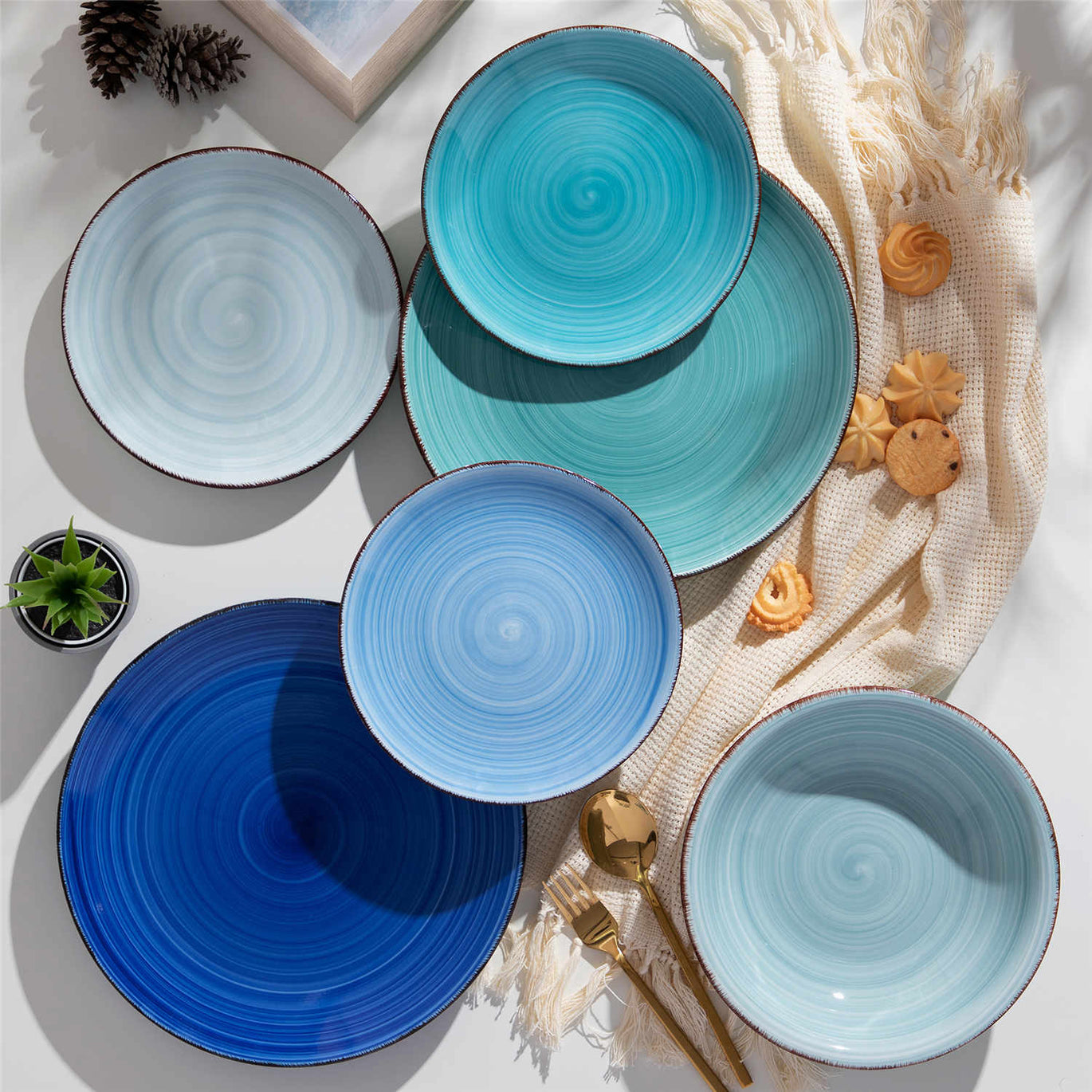


The Benefits of Patternless Ceramic Dinnerware for Early Education

A Calm Canvas for Big Feelings and Tiny Taste Buds
Walk into any early childhood classroom at lunchtime and you can feel the energy before you see the menu. Tiny bodies, big feelings, bright posters, colorful toys, the hum of conversation. Now picture the table in the middle of all that: a riot of cartoon characters and busy patterns competing with the food itself.
As a Colorful Tabletop Creative & Pragmatic Joy Curator, I spend a lot of time in those rooms, watching how little hands, hungry tummies, and tableware all interact. What I’ve learned is simple but powerful: the plate is not just a plate. It is a teaching tool, a design element, and a quiet coach for self-regulation.
Patternless ceramic dinnerware – think solid-color or very minimal designs in sturdy, non-plastic materials like porcelain – has become one of my favorite “silent teachers” in early education spaces. Backed by research on children’s eating environments, color psychology, and self-regulation, plus years of hands-on work with early childhood teams, I’ve seen how a calmer plate can dramatically change the way young children experience food.
This is not about making mealtimes serious or sterile. It is about using a calm, beautiful canvas so the joyful parts of eating – color, texture, conversation, independence – can shine without the visual noise.
Why the Plate Matters More Than We Think
Schools and early education programs can provide up to about half of some children’s daily energy intake. A review of healthy eating design guidelines for school architecture has shown that the physical environment, including how dining spaces look and how food is presented, strongly influences what and how children eat. Behavioral economics tells us that food choices are often quick, low-effort decisions, nudged by cues like plate size, layout, and visual appeal.
At the same time, projects like The Family Dinner Project at Harvard and policy briefs from the Society for Research in Child Development emphasize that shared meals are social and emotional training grounds. The container and the table are part of that social script. They tell children whether this is rushed or relaxed, chaotic or caring, disposable or worth savoring.
When the plate is thoughtfully chosen, it reinforces the messages educators want to send: you are worth real materials, you can listen to your hunger, you can serve yourself, and this table is a place to connect.
The Early Years: Sensitive to Color, Texture, and Chaos
Toddler taste buds are tiny powerhouses. Designers and nutrition experts have noted that young children have far more taste buds than adults, which makes flavors feel intense. Add to that a natural wariness of bitter tastes, and you have a group of eaters who are biologically tuned to notice and react strongly to sensory input.
Research highlighted in the Shelf Life series on childhood eating habits points out that toddlers often need 10 to 15 exposures to a new flavor before it feels familiar. They also do best with many small bites and varied options rather than a single large, overwhelming portion.
Now layer a busy, high-contrast cartoon plate under that food. The eye does extra work. Tiny nervous systems receive more visual information than they need. For some children, especially those who are sensitive or anxious about food, this extra stimulation makes new foods feel even more intense.
Patternless ceramic dinnerware creates a visual deep breath. A simple, solid surface keeps the focus on the food’s color and shape instead of on a jungle of graphics. In my classroom visits, I consistently see that when plates are quieter, children look at the food more, talk about it more, and are less likely to push the whole plate away before they even start.
What “Patternless Ceramic Dinnerware” Really Means
Before we go deeper into the benefits, let’s clarify terms so you can confidently explain them to colleagues and parents.
Patternless dinnerware means plates and bowls without busy prints, characters, or strong multicolor patterns. The surface can be white, soft neutral, or a single bold hue like cobalt or sunshine yellow. It might have a subtle rim or texture, but the overall impression is clean and simple.
Ceramic is a broad category that includes materials like porcelain and stoneware. One manufacturer’s explainer on porcelain for children’s meals describes it as being made from natural clay, fired at very high temperatures to create a dense, non-porous, non-toxic surface. That surface does not absorb odors or flavors, and it resists scratching. This same piece contrasts porcelain with plastic and some types of decorated glassware, which can leach harmful chemicals such as BPA or lead, especially when heated.
The American Academy of Pediatrics recommends avoiding plastics that touch children’s food and mouths and suggests minimizing plastic overall. Feeding specialists echo this, steering families toward materials like food-grade silicone, stainless steel, bamboo, and porcelain.
Patternless ceramic dinnerware sits at the intersection of these ideas: it is non-plastic, visually calm, and durable enough for daily use in early education settings when chosen carefully.

Health and Safety: A Quiet Win for Ceramic
When we talk about ceramic in classrooms, safety usually pops up first. The question is fair. We absolutely need to protect small children from sharp edges and heavy objects. At the same time, we should not underestimate the health, hygiene, and environmental benefits of swapping disposable or low-quality plastics for well-chosen ceramic.
A porcelain-focused article on children’s meals makes a strong case that high-quality porcelain is safer than many plastic and paper alternatives. Plastic plates can release chemicals like BPA under heat, and some decorative or colored glassware can contain lead. Porcelain’s dense, non-porous surface does not release these chemicals and does not soak up stains, smells, or flavors. Over time, that means less exposure to potential toxins and fewer lingering odors that can turn children off certain foods.
Durability is another quiet advantage. Chip-resistant porcelain can withstand the bumps and bangs of family meals better than many low-grade ceramics, stoneware, or brittle glass. While no material is indestructible, porcelain sets are designed for repeated daily use, often remaining microwave- and dishwasher-safe. For busy early childhood centers that need to get dishes from table to dishwasher and back again quickly, this matters.
There is also an environmental story here. When you choose sturdy ceramic instead of disposable paper or thin plastic plates, you reduce waste and long-term exposure to disposable material coatings. Several tableware guides frame porcelain as an eco-friendlier option precisely because it replaces items that are thrown away after a single use.
Of course, ceramic requires thoughtful routines. Adults need to model how to carry plates with two hands, how to set them down gently, and how to handle small chips promptly. In centers I work with, staff usually reserve ceramic plates for tables where adults can sit and eat with the children, making it part of a wider culture of care.

Visual Calm, Real Learning: How Patternless Plates Support Self-Regulation
Self-regulation is one of the core goals of early childhood education. Psychologists and early childhood specialists remind us that learning to manage impulses, notice body signals, and navigate social interactions lays the foundation for autonomy, health, and academic success.
In a widely discussed essay on early childhood mealtimes, researcher Deborah Harcourt questions whether regimented, “fast-food style” eating in long day care programs undermines children’s development of self-regulation. She contrasts rushed, plastic-laden meals at multipurpose tables with Reggio Emilia–inspired settings where surfaces are transformed for dining, children set the table, and real dishes invite slower, more attentive eating.
Patternless ceramic plates fit beautifully into this reimagined mealtime. They invite slower looking, more mindful serving, and clearer listening to hunger cues.
Fewer Distractions, Better Focus on Food
A dinnerware design article on color and appetite points out that highly patterned or multicolored plates make it harder for the brain to judge how much food is present. The visual noise distracts from the edges of the portion and undermines mindful eating. Simpler, less busy designs, by contrast, support clearer portion awareness.
When you use a solid-color ceramic plate, children can see the true boundary of their food. The contrast between the plate and the food is clean, especially when you choose colors that set the food apart rather than blend in. This matters for young children who are still learning basic concepts like “a little” and “a lot,” “half” and “whole.”
In Reggio-inspired programs documented in The Languages of Food, children as young as three are invited to choose “how hungry their tummy feels” and select an amount of food to place on a ceramic plate. The clean, quiet surface becomes a kind of measuring tool that helps them visualize their internal sensation. Flowers, herbs, and tablecloths turn the table into a curated space, but the plates themselves remain calm and legible.
Supporting Portion Awareness Without Diet Talk
One of the clearest demonstrations of how dishware shapes intake comes from a school-lunch experiment published in a pediatrics journal. Researchers compared child-size plates and bowls with adult-size versions that had roughly double the surface area and volume. When first-graders used the larger dishware, they served themselves about 90 extra calories at lunch and ate nearly half of those additional calories.
The message is not to make children anxious about portions. It is that the size and visual framing of the plate quietly steer how much ends up on the plate and then in their bodies. Simple, child-sized patternless ceramic plates help in two ways: they are scaled to small appetites, and their minimalist design lets portion boundaries stay clear.
The color–appetite article also describes an optical illusion called the Delboeuf illusion: identical portions look smaller on large, low-contrast plates and larger on smaller, high-contrast ones. With young children, that can easily translate into routine overserving when adult-size plates are used. By choosing child-sized ceramic plates in colors that contrast with common foods, educators can gently support healthy serving sizes without saying a word about calories.
Aesthetic Pleasure as a Teaching Tool
Neuroaesthetics and environmental psychology research, summarized by interior design writers, suggests that engagement with beauty is linked with traits like agreeableness, openness, and a sense of belonging. In other words, the way a space looks and feels affects how people behave and who they believe themselves to be.
When children eat from beautiful, patternless ceramic plates at thoughtfully set tables, we communicate high expectations and deep care. We are saying, “You deserve a nice environment and real materials.” This can raise children’s internal standards, just as a well-designed home can support respectful, articulate behavior.
I have watched classrooms transform when educators introduce simple rituals: placing a small sprig of herbs in the center of each table, laying out patternless ceramic plates, inviting children to help “reset the table” between groups. These details may feel luxurious, but they are actually powerful developmental tools.
Patternless vs Patterned: Complementary, Not Enemies
Patternless ceramic plates are not here to banish every whimsical design from the classroom. The goal is to choose patterns purposefully rather than by default.
A small study published in JAMA Pediatrics, reported by news outlets, found that preschoolers served and ate more vegetables when they used segmented plates printed with pictures of recommended foods, compared with plain white plates. On average, they consumed about 7.5 grams more vegetables, roughly the size of one or two baby carrots. The effect was modest but real, and teachers appreciated the plates as conversation starters about food groups.
Similarly, several feeding specialists note that divided or picture plates can be helpful tools, especially for toddlers, visual learners, and children who are anxious about foods touching. Separate sections make it easier to see options, organize food groups, and keep wet and dry foods apart. Multiple sources emphasize that divided plates do not cause picky eating; fussy eating is driven by factors like genetics, sensory sensitivities, and prior experiences.
So when do we favor patternless ceramic, and when might we reach for a patterned educational plate? This comparison can help.
Aspect |
Patternless ceramic plate |
Busy patterned or picture plate |
Visual focus |
Keeps attention on real food colors and textures |
Competes with food for attention; can add fun or cues |
Portion awareness |
Clear edges and contrast support judging amounts |
Patterns can obscure boundaries; picture guides may cue balance |
Sensory load |
Calmer for sensitive or easily overwhelmed children |
Higher stimulation; exciting for some, stressful for others |
Aesthetic message |
“You are worth real, beautiful materials” |
“This is playful, themed, or educational” |
In early education, it often works best to make patternless ceramic the everyday foundation and bring in patterned or picture plates as occasional tools for specific goals, such as a vegetable-tasting day or a themed nutrition lesson.
Family-Style Dining and Independence: Ceramic as a Confidence Builder
Family-style dining, where children and adults share common dishes and children serve themselves, is a powerful practice in early childhood programs. Military family support organizations, child development centers, and training programs like Virtual Lab School all highlight its benefits: improved fine and gross motor skills, richer language, stronger social skills, and greater self-confidence.
In these settings, children set the table with small serving bowls and pitchers, pour their own drinks, and practice using utensils. Adults sit and eat the same food, modeling conversation and manners rather than hovering with instructions. Research from military health programs and child development organizations links frequent family-style meals with higher intakes of fruits, vegetables, fiber, calcium, and iron, and fewer sugary drinks and saturated fats.
Patternless ceramic dinnerware complements this approach beautifully. In one Reggio-inspired Australian kindergarten, educators invite children to select just enough food from their lunchboxes to match how hungry they feel and place it on a ceramic plate at outdoor tables they have prepared. Fresh flowers, tablecloths, and small jugs of milk or water complete the scene. A shared fruit bowl is available throughout the day so children can sit with a friend for a piece of fruit when hunger returns.
Here, the plate is more than a container. It is part of a ritual that tells children:
You are trusted to read your body.
You are invited into this community.
You can handle real materials and real responsibilities.
Self-Regulation in Action
When children decide how much food to place on a calm, solid plate and then see that portion clearly, they begin to link internal cues with external quantities. Over repeated experiences, they learn that “this much” feels comfortable and that they can return for more if needed.
Contrast this with rushed, adult-controlled service onto disposable or plastic plates, where children are told exactly how much to eat and may be hurried on to the next activity. Harcourt’s critique of such regimented routines suggests that, over time, they may erode children’s sense of autonomy around food and even contribute to disordered eating patterns later on.
Patternless ceramic plates by themselves cannot fix systemic issues, but they are an accessible starting point for a new culture of “eating with relish,” where pleasure, conversation, and self-knowledge are part of every meal.

Color Without Clutter: Choosing Hues for Patternless Ceramic
Patternless does not mean colorless. In fact, color is one of your most powerful tools when you remove busy graphics. A dinnerware color guide synthesized from color psychology research offers several practical insights that translate directly to classrooms.
Warm, energetic hues like red and yellow tend to stimulate appetite and arousal. Think of how many fast-food brands lean on these tones. Cooler colors such as blue and some greens can feel calming and may gently dampen appetite. Blue food is rare in nature, so blue plates are often perceived as less appetizing, which some adults use to support smaller, more mindful portions.
White plates are timeless and make colorful fruits and vegetables look vibrant, but pairing white plates with pale foods like plain pasta or rice reduces contrast. Because of the Delboeuf illusion, portions can look smaller than they are, nudging overserving.
Green plates, especially soft natural tones, link visually to freshness and health. They can make salads, fruits, and plant-forward meals feel inviting while still keeping the plate visually calm.
The same color guide warns that highly patterned or multicolored plates, even without cartoon characters, make it harder to judge how much food is present. With young children who are still learning to read hunger and fullness, that added uncertainty is not helpful.
For early education programs, I often recommend a small “palette” of patternless ceramic plates in two or three colors: perhaps white or cream for maximum versatility, a warm inviting color to support hesitant eaters, and a cooler or darker color when you want stronger contrast for portion awareness. That way teachers can intentionally match the hue to the day’s menu and children’s needs.
Practical Steps for Bringing Patternless Ceramic into Early Education
Shifting from purely plastic, patterned plates to patternless ceramic in a classroom or center is not an overnight swap. It is a design project, a training project, and a culture-change project all at once. Here are practical, research-aligned steps I have seen work well.
Start small and intentional rather than replacing everything at once. Many centers begin by introducing patternless ceramic plates in one meal per day, such as a slower morning snack or a small-group lunch where staff can sit at the table. This lets children and adults practice new routines with less pressure.
Choose child-sized plates, not adult dinner plates. The plate-size study in a school setting showed that adult-size dishware led children to serve themselves roughly 90 extra calories and to eat nearly half of those. Opting for smaller, child-scale ceramic plates builds portion-friendly cues into the environment from the start.
Focus on quality and safety features described in porcelain guides. Look for dense, chip-resistant porcelain or ceramic labeled non-toxic, lead-free, microwave-safe, and dishwasher-safe. While the promotional porcelain article does not provide numbers, it emphasizes that well-made porcelain resists scratching and does not absorb odors or flavors, which is crucial when multiple children eat from the same set day after day.
Pair ceramic plates with child-manageable cups and serving pieces. Research on family-style dining underscores the importance of appropriately sized pitchers, bowls, and utensils for motor development and self-confidence. Small, lightweight jugs for water or milk, and little glasses that feel “real,” help children pour and drink with dignity.
Use patternless plates as the standard, and keep special patterned plates as occasional tools. You might reserve segmented plates with printed food groups for weekly nutrition lessons or vegetable-tasting days, drawing on the JAMA Pediatrics study that found such plates nudged small increases in vegetable intake. On regular days, simple ceramic plates keep the sensory load lower and the focus on shared conversation.
Honor sensory-sensitive children by letting them transition gradually. Feeding therapists and parents of picky eaters often rely on divided plates to keep disliked foods from touching favored ones. Patternless ceramic plates can absolutely be divided plates; they just do not carry busy graphics. Offering both divided and undivided ceramic options lets children choose the level of mixing they can handle while still benefiting from the calmer visual field.
Involve children in table setting as part of the curriculum. Family-style dining research and Reggio-inspired practice both show that invitations to set tables, place centerpieces, and distribute plates support fine motor skills, one-to-one correspondence, empathy, and community identity. A tray of patternless ceramic plates becomes a hands-on math and social lesson: one plate for each friend, one cup, one folded napkin.
Finally, train adults to sit and eat with children. All the ceramic in the world cannot compensate for adults who hover and instruct instead of joining the meal. Studies on family meals from organizations like the Consortium for Health and Military Performance and SRCD highlight that when adults share the same food, model enjoyment of vegetables, and use meals to talk about the day, children’s diets and wellbeing improve. Patternless ceramic plates provide the backdrop; adult presence brings the script to life.
FAQ: Patternless Ceramic Dinnerware in Early Education
Is ceramic really safe to use with toddlers and preschoolers?
With thoughtful choices and routines, yes. High-quality porcelain and ceramic are designed for daily use and are more durable than many people assume. Centers that successfully use ceramic typically choose child-sized pieces, teach children how to carry them with two hands, and ensure adults are seated at the tables to help. Breakage can happen, as with any material, so it is important to have clear clean-up procedures and to keep backup dishware on hand. Many programs start with ceramic in small-group meals where supervision is easiest.
Does patternless mean mealtimes will feel boring or less fun?
In my experience, the opposite often happens. When plates are quieter, food gets to be the star. Bright strawberries, orange carrots, green snap peas, and colorful sauces look more enticing against a simple background. Fun can shift to other elements: child-chosen centerpieces, themed napkins, creative food shapes, or family-style snack trays. You can still bring out patterned or picture plates occasionally for special lessons; they just do not dominate every meal.
How many patternless ceramic plates does a classroom need?
Start by counting how many children typically eat at once, then add a buffer for staff and inevitable dish rotation. For example, a classroom that seats 12 children at a time might begin with 16 to 18 ceramic plates so there is flexibility if some are in the dishwasher. Some centers keep a small set of additional plates in the kitchen for family-style platters or special events. Over time, you can adjust the number based on actual use and breakage rates.

A Closing Note from the Colorful Tabletop
When we strip away the noise on children’s plates, we are not taking away joy. We are making room for it. Patternless ceramic dinnerware turns the table into a studio where color comes from real food, conversation, and connection, not just ink and plastic. In the swirl of early education, that quiet, sturdy canvas can be one of your most powerful tools for helping children eat with curiosity, regulate with confidence, and gather at the table with genuine relish.

References
- https://pz.harvard.edu/projects/the-family-dinner-project
- https://pubmed.ncbi.nlm.nih.gov/23569096/
- https://digitalcommons.unl.edu/cgi/viewcontent.cgi?article=1243&context=famconfacpub
- https://www.srcd.org/research/family-dinner-table-implications-childrens-health-and-wellbeing
- https://miramar.usmc-mccs.org/news/family-style-dining-helps-kids-build-social-and-problem-solving-skills
- https://www.virtuallabschool.org/fcc/healthy-environments/lesson-5/act/20256
- https://www.academychilddevelopment.com/six-benefits-of-family-style-dining/
- https://www.elan.design/post/the-impact-of-interior-design-and-childhood-development
- https://joyye.com/info-detail/kid-friendly-tableware-that-parents-will-love-too
- https://www.linkedin.com/pulse/eating-relish-early-childhood-settings-de-railing-young-harcourt
También te puede interesar
Stern Juego de vajilla de 16 piezas
- €87,95
€99,95- €87,95
- Precio unitario
- por
-
Blue
-
Green
-
Red
-
Grey
Simi Juego de vajilla de 24 piezas
- €99,95
€133,95- €99,95
- Precio unitario
- por
Bonita Juego de vajilla de 18 piezas
- Desde €62,95
€77,95- Desde €62,95
- Precio unitario
- por
-
Blue
-
Multicolor
Simi Juego de vajilla de 24 piezas con cuencos de doble cara
- €104,95
€133,95- €104,95
- Precio unitario
- por