



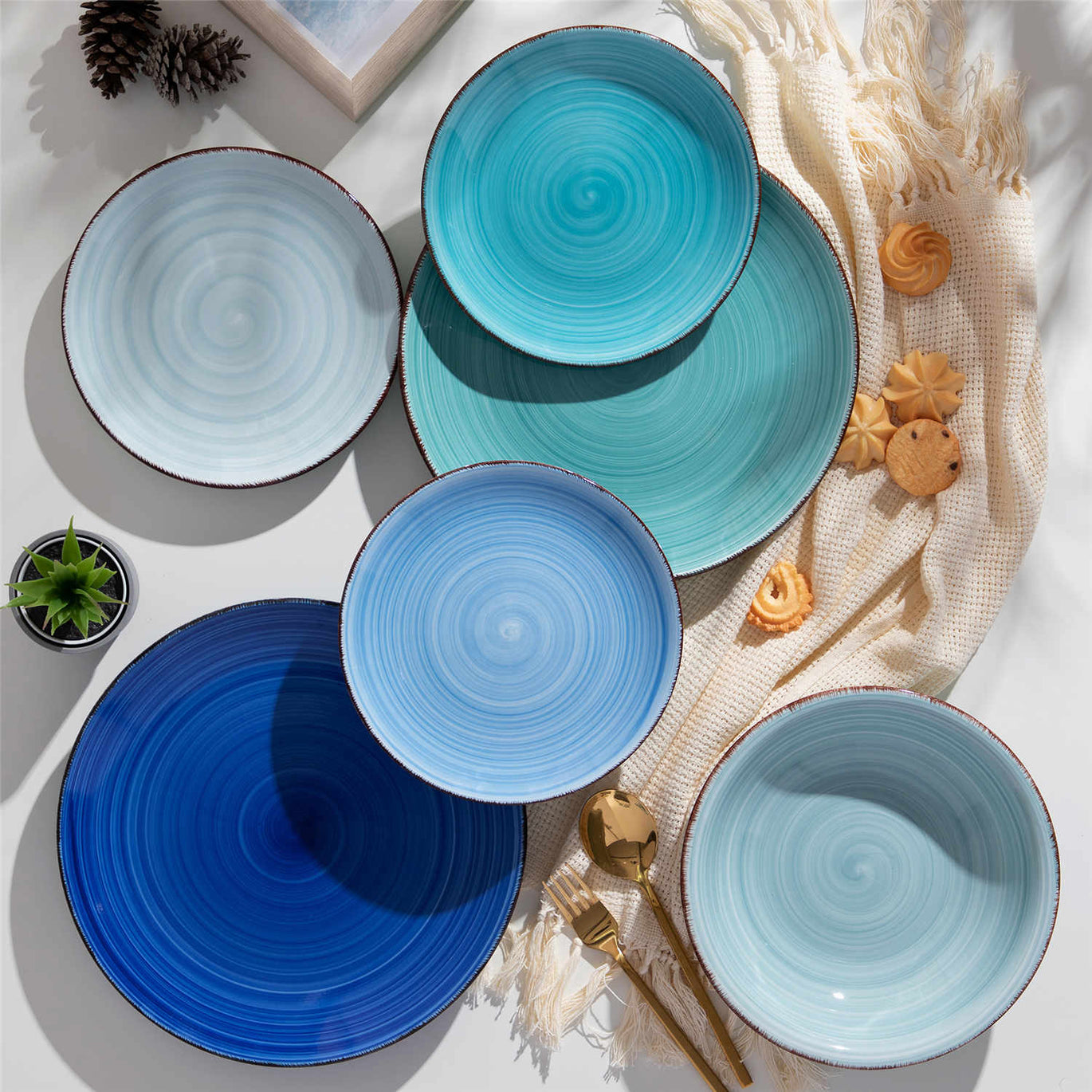


The Hidden Risks of Cartoon-Themed Ceramic Dishes for Children

The Bright Promise (and Trap) of Cartoon Plates
Bright-eyed panda bowls. Princess plates with glittery borders. Superhero mugs that promise to turn broccoli into a sidekick-worthy snack. As someone who spends a lot of time curating joyful, colorful tabletops for real families, I completely understand the irresistible pull of cartoon-themed ceramic dishes.
Parents see two wins at once. The designs are adorable and the material feels solid and “grown up” compared with plastic. Articles on kids’ dinnerware from brands like GET FRESH point out that fun animals, fairy-tale figures, and warm colors can genuinely boost a child’s interest in food and even improve appetite. That is real, practical magic when you are trying to coax one more bite of peas.
But here is the tension: not every colorful ceramic plate is created with the same care. Under the charming characters and glossy surfaces, some cartoon-themed ceramics can introduce chemical, hygienic, and physical risks that quietly work against your long-term health goals for your child.
This does not mean you have to banish every illustrated dish from your kitchen. It does mean taking a closer, more informed look at what is actually happening in those glazes, under those decals, and at the edges of those chips and cracks.
Consider this a guided tour from a Colorful Tabletop Creative who loves playful design, but also a Pragmatic Joy Curator who refuses to trade aesthetics for safety.

What Actually Makes a Ceramic Dish “Safe” for Kids?
Before we zoom in on cartoon themes specifically, it helps to understand what “safe” even means on a ceramic plate. Different experts use different phrases, and they do not all mean the same thing.
Ceramic safety educators at Ceramic Materials Workshop explain that in the United States a glaze can be considered “food safe” when it meets specific lead and cadmium leaching limits set in FDA Compliance Policy Guides and tested with methods such as ASTM C738. In simple terms, if the glaze is applied exactly as the manufacturer instructed and fired correctly, lead and cadmium should not leach into food above allowed limits.
However, that is only one layer of safety. The same source makes an important distinction between “food safe” and “dinnerware safe.” A truly dinnerware-safe surface is not just low-leaching. It is also smooth, durable, non-porous, and free from pits, cracks, or crazing where bacteria can hide and the surface can break down over time.
The FDA Food Code reinforces this by requiring food-contact materials in restaurants and food service to be safe, corrosion-resistant, nonabsorbent, and resistant to chipping, crazing, scratching, and similar wear. If that is the standard for commercial kitchens, it is a helpful benchmark for what you want around your own kitchen table, too.
When you mix cartoon-heavy designs into the picture, you often add extra layers of color, decals, or metallic accents. Each added layer is one more variable: it must be applied correctly, fully covered by the clear glaze, and stable on the clay body so it does not craze or leach. That is exactly where risks can creep in.
Risk 1: Heavy Metals Hiding in Cute Cartoons
Many parents are shocked to learn that ceramic plates and bowls can sometimes contain lead or other heavy metals in their decorative glazes. A safety guide from Wellthya points out that ceramic decorations, especially in colorful or heavily painted designs, may include lead in the glaze. When the surface chips or cracks, that lead can migrate into food.
The concern is not theoretical. UNICEF and Pure Earth, in their report “The Toxic Truth: Children’s Exposure to Lead Pollution,” estimate that around one in three children worldwide may have blood lead levels at or above 5 micrograms per deciliter, a threshold where health action is recommended. The same report stresses that lead is a potent neurotoxin and there is no safe level of exposure for children. Even levels below that threshold can irreversibly damage developing brains, reduce IQ, impair attention, and increase the risk of behavioral problems.
Now connect that global picture to your dessert plate with a cartoon tiger. The glaze on a modern, well-regulated product from a reputable manufacturer may meet strict limits for lead and cadmium. But low-quality ceramics, especially where the brand is obscure, documentation is vague, or manufacturing is poorly regulated, can be a different story. Multiple non-toxic dinnerware guides, including summaries from Mamavation and Umbel Organics, caution against cheaply produced or heavily decorated pieces for this reason.
The visual clues we love in cartoon dishes often overlap with what safety experts flag as higher risk. Very bright reds, yellows, and oranges, dense opaque colors, metallic outlines, and character decals placed right where food sits are all places where pigments and underglazes must be carefully formulated and fully encapsulated. If they are not, the adorable character becomes a delivery vehicle for contaminants.
Because lead accumulates in the body over time, the risk comes from repeated, low-level exposures, not one dramatic event. That is why cautious parents and educators increasingly prefer undecorated or minimally decorated surfaces for everyday use, saving complex artwork for non-food uses.

Risk 2: Crazing, Cracks, and Hidden Germs
Even when a cartoon-themed ceramic plate starts out with a glaze that passes leaching tests, its surface may not stay stable for the long haul. Ceramic Materials Workshop emphasizes a specific type of damage called crazing: networks of very fine cracks in the glaze caused by a mismatch between the clay and glaze during firing or later temperature changes.
Those tiny crackles might look charmingly vintage, but they are not considered dinnerware safe. Every hairline fissure is a place where food, moisture, and detergent can seep in and resist full cleaning. Over time, these micro-pockets become cozy apartments for bacteria and stains.
Other resources on safer dinnerware, like Umbel Organics and Wellthya, also warn about porous, scratched, or low-quality materials. Their message is consistent: once the surface is compromised, it can harbor food residues and microbes in ways that regular washing cannot fully fix.
Cartoon-themed ceramic dishes are not inherently more likely to craze than plain ones, but there are a few practical reasons they often end up with more damage in real kitchens. Children bang spoons, drag forks, and clink cups together with enthusiasm. Busy parents might stack plates tightly, toss them into the dishwasher daily, or reheat leftovers directly on them. Over years, the combination of mechanical stress and temperature swings can push marginal glazes over the edge into crazing, especially if the glaze-clay fit was not perfect to begin with.
When you overlay detailed artwork and decals on that glaze, you also create more areas where the surface may behave differently. Transitions between clear and colored glazes, or between decal and base, can be slightly weaker or more prone to stress. If the cracks run through those adorable eyes and smiles, both hygiene and visual appeal quickly erode.

Risk 3: Breakage and Real-World Injuries
Ceramic has some big advantages over plastic. Guides from Homeyceramic and similar sources note that porcelain and ceramic dishes are hard, resistant to high temperatures, easy to clean, and often microwave safe. They feel substantial and grown-up in a child’s hand.
The tradeoff is fragility. The same Homeyceramic guide is very clear that ceramics, porcelain, and glass are fragile and can shatter, posing a risk of serious injury when they break around children. GET FRESH echoes this caution, specifically advising that ceramic dishes are generally not recommended for children under three and that any ceramic that develops scratches should be discarded.
Now imagine the real-life context of cartoon-themed dishes. They are often given to very young children precisely because the characters appeal to toddlers. Yet toddlers are the ones most likely to drop, throw, or knock dishes off highchairs. A heavy ceramic plate or mug crashing from a few feet up can create razor-sharp shards that fly across a surprisingly wide area of your kitchen or dining room.
For school-aged kids, the risk drops somewhat as motor skills improve, but it never disappears. Even older children occasionally bump a dish against the edge of the counter or sink. When you factor in the excitement and energy of themed birthday parties or holiday meals, the fragile nature of ceramic demands close supervision.
From a colorful-tabletop perspective, there is also a practical heartbreak. When that beloved cartoon plate shatters, you have a disappointed child, a panicked cleanup session, and yet another piece of decorative clutter headed to the trash.

Risk 4: The Design Trap – How Cute Characters Can Hide Low-Quality Materials
The demand for cartoon-themed kids’ ceramics pushes manufacturers to hit two targets at once: very eye-catching artwork and very low price. That combination can reward cost-cutting in places you cannot see.
Non-toxic dinnerware guides like those summarized by Mamavation and Anzhu highlight the importance of clear labeling, third-party testing, and reputable suppliers. However, many mass-market cartoon dishes offer minimal information beyond basic microwave and dishwasher symbols. Sometimes the design is added as a decal fired over the glaze rather than under it. In that case, the picture is directly exposed to utensils and food and may wear, chip, or flake more easily.
Contrast that with the approach taken by brands such as Childish Plates. Their ceramic dinnerware for school-aged kids emphasizes FDA-approved ceramic, third-party testing, and non-cartoonish watercolor illustrations that are meant to feel educational and timeless rather than tied to a specific show. The artwork is designed to coexist with safety and durability, not compete with it.
The lesson is not that all cartoon themes are dangerous. It is that when the main selling point is a licensed character, there is often less emphasis on long-term durability, careful glaze formulation, and transparent testing. If the front of the box is dominated by branding and the back is vague about materials, you have less assurance about what your child is actually licking clean.

Pros and Cons of Cartoon-Themed Ceramic Dishes
Cartoon ceramics are not villains. They occupy a gray zone where genuine benefits live right alongside potential drawbacks.
On the plus side, research and brand experience from companies like GET FRESH and Joyye show that fun, kid-centered designs can help children feel more engaged at the table, support independence, and make it easier to introduce new foods. Children often respond well to plates that feel like “theirs,” especially when those plates are sized appropriately, have ergonomic features, and help organize food.
High-quality ceramic and porcelain also deliver functional wins. They are non-porous, easy to clean, heat-resistant, and, when properly formulated, naturally free from microplastics and many of the endocrine-disrupting chemicals associated with plastics and melamine. Childish Plates, for example, leans into this advantage by replacing plastic babyware with ceramic sets that are both kid-sized and dishwasher safe.
On the downside, the risks are concentrated in the very features that define cartoon dishes. Saturated colors and heavy decorations add complexity to glazes and create more potential for heavy metal pigments, weak spots, and surface wear. The fragility of ceramic is amplified when we hand it to the youngest, most impulsive eaters. And because cartoon characters are often associated with a particular age or media trend, the plate that feels magical this year may feel babyish next year, encouraging a rapid turnover of items that should ideally last many years.
A balanced, joy-centered approach acknowledges the pros while deliberately minimizing the cons with smarter purchasing and use.
How to Evaluate a Cartoon Ceramic Plate at Home
When you pick up a cartoon-themed ceramic dish in a store or from your own cabinet, you can use a few simple checks inspired by ceramic safety guidance and non-toxic dinnerware resources. These are not lab tests, but they are practical red flags and green lights you can see and feel.
Start with the labels. Look for clear statements that the product is lead-free, cadmium-free, and food-grade. Guides from Homeyceramic and Anzhu recommend prioritizing food-grade ceramics from reputable suppliers and checking for certifications that indicate compliance with standards such as FDA or LFGB for food-contact materials. If the packaging is silent on heavy metals, and the price is suspiciously low for how elaborate the design is, caution is wise.
Next, examine the surface closely in good light. Run your fingers over both the decorated areas and the plain areas. A dinnerware-safe surface should feel smooth and glassy, with no rough spots, pits, or raised edges where decals sit on top of the glaze. If you see fine networks of crackles (crazing), chips on the rim, or worn spots where color has thinned or faded unevenly, that piece should be retired from food use, especially for children.
Consider the design placement. Plates where the cartoon is mostly around the border and well under a glossy clear glaze pose less direct contact risk than designs where the character, eyes, and lettering cover the entire eating surface. Metallic outlines or glittery areas deserve extra skepticism unless you have clear documentation that they meet strict safety standards.
Finally, be honest about how the dish will be used. If a plate is destined for highchair duty with toddlers who tend to throw dishes, ceramic may simply not be the right material, no matter how cute the design. You can always repurpose a sentimental cartoon plate as a wall display, toy organizer, or snack plate for older visitors while using sturdier materials for daily meals.
To help decode common claims, here is a quick label translation guide.
Label Term |
What It Actually Tells You For Kids |
“Food safe” |
Meets specific leaching limits for lead and cadmium when used as directed; does not guarantee durability, scratch resistance, or hygiene over time. |
“Non-toxic” |
The product or glaze, in liquid form, does not contain hazardous chemicals above certain thresholds; does not automatically mean the fired surface is dinnerware safe. |
“Dinnerware safe” |
Indicates a smooth, durable, non-porous surface suitable for repeated use and cleaning; closer to what you want for everyday kids’ plates. |
AP (Approved Product) |
Reviewed by medical experts and found to have no ingredients known to cause harm, even for children, when used as directed; more common on art materials than finished dinnerware, but useful if you are buying glazes yourself. |
CL (Cautionary Label) |
Requires specific warnings and is not considered safe for children under twelve; should not be used for items kids will eat from. |
Whenever labeling feels vague, defer to safer, better-documented options.

Safer, Still-Playful Alternatives
If cartoon-themed ceramics start to feel like more risk than reward, you are not doomed to a monochrome, joyless table. The good news across multiple sources is that there are plenty of safer materials that still deliver color, character, and fun.
Stainless Steel That Sparkles
Non-toxic dinnerware guides from Umbel Organics, Joyye, Wellthya, and Montessori-inspired blogs converge on stainless steel as a hero material for kids. Quality stainless steel is inherently free from BPA, phthalates, PVC, and lead. It is non-porous, does not absorb odors or stains, and shrugs off drops that would shatter ceramic.
Wellthya’s “rainbow stainless steel” line shows how playful this can be. Their plates and cups are made from 100 percent food-grade stainless steel, are lab tested, and add a colorful finish that makes mealtimes feel creative without relying on cartoon logos. Montessori-style families similarly love divided stainless steel “camping plates” and appropriately sized cups, because children can handle them independently and they coordinate nicely with adult tableware.
Stainless steel is not microwave-safe and can dent if heavily abused, but for everyday kids’ meals, it offers an exceptional balance of durability and chemical safety.
Bamboo and Truly Melamine-Free Plant-Based Options
Multiple guides, including those from CEH, GET FRESH, Umbel Organics, and Anzhu, highlight bamboo as a leading option for non-toxic kids’ dinnerware when it is used correctly. Natural bamboo is lightweight, eco-friendly, and typically free from BPA and phthalates. It can be formed into plates and bowls that feel warm and organic rather than industrial.
The key is to distinguish between pure, melamine-free bamboo and bamboo composites that are bound together with melamine and formaldehyde. Umbel Organics and Anzhu caution that some plant-based plates marketed as “eco” still rely on melamine binders, which can off-gas or leach under heat. For daily use, seek bamboo that is explicitly labeled melamine-free and food-grade.
Bamboo is generally not dishwasher-friendly and should not be soaked for long periods, but with gentle handwashing, it can be a practical, earth-conscious alternative that still allows for soft colors and child-pleasing shapes.
High-Quality Porcelain and Ceramic for Older Kids
There is still a place for ceramic on a child’s table, especially for older kids who handle dishes carefully. Homeyceramic’s guidance for porcelain dinnerware emphasizes choosing lead-free, BPA-free, food-grade ceramic with smooth edges and non-toxic glazes labeled food safe or FDA approved. They recommend pieces designed to be chip-resistant, with thicker walls and reinforced edges.
Brands like Childish Plates have essentially created a new category: ceramic dinnerware specifically sized and styled for school-aged children. Their plates, bowls, and cups use FDA-approved ceramic, are third-party tested, and pair with silicone bases that double as lids. The designs feature detailed watercolor marine animals rather than bold cartoon logos, making the dishes feel whimsical and educational without relying on licensed characters.
This is a compelling middle ground. You get the heft, microwave and dishwasher convenience, and plastic-free appeal of ceramic, but with a design philosophy that respects both safety and family aesthetics. The caveat is the same as always: supervise younger children, retire any chipped or crazed pieces, and buy from brands that disclose testing and standards clearly.
Tempered Glass with Kid-Smart Patterns
Tempered glass dishes from brands like Duralex and Corelle are often endorsed by non-toxic dinnerware resources including CEH and Umbel Organics. Duralex glass, for instance, has been reported to be many times stronger than ordinary glass, and tempered designs are usually microwave and dishwasher safe. CEH even highlights Corelle’s chip-resistant cat-themed plates as a tempered glass option that still adds visual delight.
Tempered glass can still break, but it is designed to shatter into less dangerous pieces than standard glass. For older kids, especially those already using glass cups at the table, tempered glass plates with simple patterns or small animal motifs can be a safer way to incorporate art without complex glaze chemistry.
Silicone with Nuance
High-quality, food-grade silicone earns praise in guides from CEH, Joyye, and Umbel Organics for its flexibility, break-resistance, and ability to incorporate suction bases that keep plates from flying off highchairs. Products like EZPZ’s placemat-style plates and Bumkins’ platinum-grade silicone suction plates are specifically engineered for babies and toddlers, are dishwasher and microwave safe, and can withstand high temperatures.
At the same time, some wellness-oriented voices, such as those in the “Food as Medicine with Feast and Farm” community, express concern about silicone for food use and recommend prioritizing stainless steel and enamelware instead. Scientific evidence is still evolving, and even Umbel Organics suggests using silicone more sparingly than materials like stainless steel or high-quality glass.
A pragmatic approach is to lean on silicone for suction mats, snack cups, and training spoons in the early self-feeding years, then gradually transition to stainless steel or well-tested ceramics as your child grows.
To put all this in context, consider a simple comparison.
Option |
Key Strengths |
Main Caveats for Kids |
Cartoon-themed ceramic |
Fun, familiar characters; microwave-friendly when safe; feels “grown up.” |
Possible lead or heavy metals in glazes; fragility and shattering risk; hygiene issues if crazed or chipped. |
Plain or minimally decorated ceramic |
Comfortable, plastic-free, easy to clean; can match adult tableware. |
Still fragile; must be vetted for lead-free, dinnerware-safe surfaces. |
Stainless steel (including rainbow finishes) |
Extremely durable, non-porous, free from BPA and phthalates; great for toddlers and older kids. |
Not microwave-safe; can dent; aesthetic may feel less “cozy” without thoughtful design. |
Melamine-free bamboo and plant-based ware |
Lightweight, eco-friendly, visually warm; good grip for little hands. |
Often handwash only; must verify truly melamine-free; can wear out faster than steel. |
Tempered glass |
Non-toxic, microwave and dishwasher safe, more break-resistant than regular glass. |
Still breakable; better suited to older kids. |
Food-grade silicone |
Soft, flexible, suction-friendly; ideal for very young self-feeders. |
Research still evolving; quality varies, so brand trust and testing matter. |

Everyday Habits to Lower Risk (Even If You Keep the Cartoon Plate)
Maybe you have a beloved cartoon mug from Grandma or a plate your child reaches for every single morning. You do not have to throw it away in a panic. Instead, bring some intention to how and when you use it.
You can reserve decorated ceramic pieces for lower-risk uses such as room-temperature snacks, dry crackers, or sliced fruit, while serving hot soups, oily stews, and very acidic foods on stainless steel, tempered glass, or melamine-free bamboo. This strategy aligns with broader guidance from sources like Umbel Organics and Wellthya, which note that heat and certain food types increase how materials interact with food.
Make a habit of inspecting all ceramic dishes monthly under good light. If you see crazing, chips, or worn designs, especially on the eating surface, retire that piece from food service. GET FRESH’s recommendation to discard scratched ceramic items is a good rule of thumb. Retired pieces can live on as plant saucers, play kitchen props, or art-supply organizers.
Teach children to help care for their dishes in age-appropriate ways. Montessori-inspired families, for example, often encourage young kids to carry their own lightweight plates to a “bussing station” and learn to roll cloth placemats. You can adapt that idea with safer materials, folding tabletop care into the everyday ritual of meals.
Together, these small habits turn safety into a natural extension of your family’s colorful dining style.
Short FAQ
Are all cartoon-themed ceramic dishes unsafe for kids?
No. Some cartoon-themed ceramics are carefully made, fully tested, and meet strict standards for heavy metals and durability. The concern is that many inexpensive, heavily decorated pieces provide little transparency about their glazes or testing and may chip or craze under real-world use. When in doubt, prioritize dishes from brands or retailers that clearly state they are lead-free, cadmium-free, food-grade, and suitable for repeated use, and inspect them regularly for damage.
Is plain white ceramic safer than decorated cartoon designs?
Non-toxic dinnerware guides often recommend undecorated white porcelain or stoneware as a safer bet because there is less pigment and decoration involved, which generally means fewer opportunities for heavy metals or weak spots. A plain white plate from a reputable, well-documented brand is usually easier to trust than a very heavily painted cartoon plate of unknown origin.
My child loves one specific cartoon mug. What should I do?
If the mug is relatively new, from a reputable brand, clearly labeled as food safe and lead-free, and shows no signs of crazing, chips, or wear, you might choose to keep using it selectively. For extra caution, use it for cool beverages rather than very hot, and replace it at the first sign of damage. If anything about the origin or condition feels questionable, consider turning it into a pencil cup and introducing a new, safer “big kid” mug your child can help choose.
A Colorful, Safer Table Moving Forward
Children do not need a perfectly themed cartoon plate to feel joy at the table. What they need is a sense of ownership, delight, and safety woven together. When you understand how glazes, cracks, heavy metals, and material choices affect their health, you can choose dinnerware that is as resilient and trustworthy as your love for them.
Let the characters your child adores still show up at the table, but as napkin rings, placemat illustrations, or a beloved sticker on a stainless-steel cup. Keep the plate itself a stage that is beautiful, durable, and calm enough to let the real stars shine: your child, their curiosity, and the colorful food you lovingly serve.
References
- http://global-lead-pollution.eng.usf.edu/UNICEF%20and%20PureEarth%202020%20-%20The%20toxic%20truth%20childrens%20exposure%20to%20lead%20pollution.pdf
- https://sph.umich.edu/news/2021posts/safe-toys.html
- https://www.monash.edu/__data/assets/pdf_file/0006/217329/Consumer-product-related-injuries-to-children.pdf
- https://ceh.org/yourhealth/non-toxic-kids-dinnerware/
- https://www.healthierhomes.com/organic-dinnerware?srsltid=AfmBOopVBrRkPt8tYwl_H_Jc63gZ5AXdzoWDFI_aAkLb0H5RGEvyS6fr
- https://www.ambowls.com/info/how-to-choose-ceramic-tableware-for-children-89545013.html
- https://www.anchenggy.com/blog/best-non-toxic-kids-dinnerware.html
- https://www.anzhucraft.com/non-toxic-dinnerware-for-kids/
- https://ashleyalexiscreative.com/non-toxic-dinnerware-that-kids-and-parents-will-love/
- https://ceramicmaterialsworkshop.com/demystifying-ceramic-glaze-labels/
También te puede interesar
Stern Juego de vajilla de 16 piezas
- €87,95
€99,95- €87,95
- Precio unitario
- por
-
Blue
-
Green
-
Red
-
Grey
Simi Juego de vajilla de 24 piezas
- €99,95
€133,95- €99,95
- Precio unitario
- por
Bonita Juego de vajilla de 18 piezas
- Desde €62,95
€77,95- Desde €62,95
- Precio unitario
- por
-
Blue
-
Multicolor
Simi Juego de vajilla de 24 piezas con cuencos de doble cara
- €104,95
€133,95- €104,95
- Precio unitario
- por