





Understanding the Use of Glass in Montessori Education Over Ceramic Materials

Imagine a tiny dining table glowing with candlelight, a row of small glass tumblers catching the shimmer, and a circle of three‑ and four‑year‑olds calmly pouring their own water and clearing their own dishes. It feels impossibly grown‑up and a little bit magical, like a miniature bistro run entirely by children.
That scene is not fantasy. It echoes historical descriptions of Maria Montessori’s famous “Glass Classroom” at the 1915 Panama Pacific International Exposition in San Francisco, where visitors flocked to watch young children serve themselves at an elegantly set table with linens, china, and candles. The tableware was real, fragile, and beautiful, and it was central to the demonstration of Montessori’s radically different way of seeing children: as capable, careful, and worthy of trust.
Today, when we talk about Montessori tableware, glass usually gets the spotlight. Ceramic has a respected supporting role, but it is glass cups, pitchers, and bowls that Montessori blogs, teacher trainers, and parent communities talk about again and again. As a Colorful Tabletop Creative & Pragmatic Joy Curator who has helped set up Montessori‑inspired homes and classrooms, I see this every day: shelves filled with child‑sized glassware, ceramic pieces sprinkled in more selectively.
This article unpacks why that is. We will explore what makes glass such a powerful material in Montessori education, how it relates to ceramic, and how to choose and use both in ways that are beautiful, developmentally rich, and realistically safe.
Real, Breakable Materials: The Montessori Foundation
Before zooming in on glass versus ceramic, it helps to understand the bigger Montessori principle they both serve: real, breakable materials in a carefully prepared environment.
Montessori educators, from Montessori Services to Renaissance Montessori School, consistently emphasize natural materials like wood, metal, cotton, glass, and wicker rather than synthetic substitutes. These materials feel cool or warm to the touch, heavier or lighter, rougher or smoother. That sensory richness is not decoration; it is curriculum. Children refine their senses, deepen concentration, and build cognitive understanding by handling things that are truly from the world.
Within that philosophy, breakability is not a bug. It is a feature. Several Montessori writers, including the Montessori‑Minded Mom, Montessori Rocks, Rhyme and Reason Academy, and Miraculove, describe how real glass and ceramic provide a “control of error.” If a child uses a glass cup carelessly and it drops, it breaks. The material itself “denounces” clumsy movements and invites the child to recalibrate. That honest feedback loop builds coordination, self‑control, and responsibility far more effectively than endless adult reminders to “be careful.”
Ceramic bowls and plates absolutely belong in this picture. Montessori Rocks, for example, notes that Montessori classrooms routinely use glass plates and ceramic bowls and that actual breakage is infrequent once children gain experience. In other words, both materials support the core philosophy: real, natural, and worthy of respect.
Yet when you scan contemporary Montessori resources, glass is mentioned far more often than ceramic. To understand why, we need to look at where glass appears in Montessori history and how it works in the everyday “practical life” of children.

Glass in Montessori: From Exhibition Walls to Everyday Cups
Glass has a surprisingly long and public history in Montessori education. The 1915 “Glass Classroom” in San Francisco was literally framed in glass walls, allowing thousands of visitors to watch children at work and at the table without stepping into the space. Historical accounts cited by the American Montessori Society describe crowds gathering near lunchtime to watch young children set an elegant table, serve themselves, and clean up independently. The glass enclosure put Montessori’s ideas about independence and practical life on display.
That early experiment foreshadowed something we now see across contemporary school design more broadly. Architectural and school‑design sources such as Safe Glass for Schools, SAFTI, Studio W Architects, and others document how glass walls, partitions, and fire‑rated glazing are increasingly used to bring natural light into classrooms, connect learners to their environment, and allow teachers to see multiple spaces at once. Research summarized by these organizations links daylight and visibility with better focus, mood, and academic outcomes.
In mainstream classrooms, companies like MooreCo also highlight how glass surfaces, especially colorful glass boards, can energize a room and support students who experience visual stress on high‑glare whiteboards. Colored glass boards are presented as both functional and aesthetic, turning whole walls into writable, artful surfaces.
Montessori environments are more understated than many high‑tech classrooms, but the underlying thread is similar: glass helps create spaces that are bright, open, and alive. At the scale of the child, that same logic appears in something as small as a clear glass tumbler. It lets light pass through, reveals the water level, and looks and feels like what adults use. This combination of beauty, visibility, and realism is where glass really begins to stand out.
Why Glass Dishes Stand Out in Montessori Practical Life
When Montessori educators explain why they reach for glass first, especially for cups and small pitchers, the same themes surface again and again across sources such as Montessori Services, the Montessori‑Minded Mom, Chronicles of a Momtessorian, Miraculove, Rhyme and Reason Academy, and Montessori Rocks. Glass is not just “nicer” than plastic; it amplifies several key developmental goals.
Control of Error in the Child’s Hands
Montessori talks constantly about “control of error,” the idea that an activity should reveal its own mistakes so the child can self‑correct. In the context of tableware, glass is a clear example of that principle.
The Montessori‑Minded Mom explains that when children use glass dishes, they quickly learn to adjust their movements so they do not break them. Miraculove describes breakability as a built‑in feedback system: the glass will not bend or bounce; it will either stay intact or break. Children learn to slow down, plan their movements, and pay attention to what their hands are doing. Rhyme and Reason Academy notes that in real classrooms, breakage tends to be more frequent at the beginning of the year and then drops dramatically as children internalize the need for care.
Montessori Services frames spilled beads or broken glass as chances to reinforce problem solving and responsibility. Instead of punishing the child, adults calmly revisit how to carry a cup, how to walk around a table, or how to sweep shards safely. The message is not “you are bad,” but “you are capable and learning.”
Ceramic can certainly provide this same control of error, but in practice, many Montessori guides reserve ceramic for plates and bowls and place glass in the starring role for cups and practical life pouring activities. That is partly because of glass’s unique sensory qualities.
Sensory Richness: Weight, Sound, and Transparency
Montessori classrooms lean heavily on multi‑sensory experiences. Montessori Services describes how children respond strongly to the weight, feel, and sound of natural materials such as glass and brass. Montessori Rocks points out that children notice the heft of glass compared with plastic, and that extra weight naturally encourages gentler, more deliberate movements.
Glass adds one more thing ceramic does not: transparency. Miraculove lists transparency as a practical advantage, because children can see how much water or snack is in a container. A small glass weaning cup lets a baby or toddler visually gauge the water level and connect what they feel in their hands with what they see. Caregivers can even add a strip of tape on the outside of a glass cup to show a “just‑right” drinking amount.
In sensory play, an early years educator writing about “Glass in sensory play” describes using a limited set of glass candle jars and spice jars alongside metal containers. The glass jars make distinct sounds when beans or rice are poured in, look different from plastic, and feel smoother and cooler. Children gravitate to them, turning simple scooping and pouring into a richer sensory experience.
Ceramic has its own sensory charms: the soft clink of a ceramic bowl on a wooden table, the subtle texture of a glaze, the warmth it can hold from a bowl of soup. However, when an activity depends on seeing the contents clearly or on fine‑tuned pouring practice, glass wins by design.
Beauty, Belonging, and “Adult” Responsibility
There is also an emotional and aesthetic story here. Montessori environments are intentionally beautiful. Montessori Services emphasizes that the home and classroom are “prepared environments” meant to be harmonious and visually pleasing, because young children absorb every detail of their surroundings. The Montessori‑Minded Mom notes that glass is more pleasing to look at than plastic and that children respond positively to beautiful, natural materials.
Miraculove adds an important social‑emotional layer. When caregivers offer real, aesthetically pleasing glassware, children feel a sense of adult responsibility. They are not being given a toy version of life; they are being invited into real family and classroom rituals. Montessori Rocks observes that being trusted with the same kinds of glassware adults use supports children’s sense of inclusion and maturity.
This is where glass often edges out ceramic in daily routines. Ceramic plates might be reserved for meals, while glass shows up over and over in micro‑moments of responsibility: pouring water, carrying a tray with a glass bowl of grain, rinsing a glass cup at a child‑height sink. Each of these moments says, “I trust you with something real.”
Health, Environment, and Practical Upsides
On the practical side, both Montessori‑aligned parents and schools care about health and the environment. The Montessori‑Minded Mom points out that plastic production and recycling rely heavily on fossil fuels and that much plastic is never recycled at all. Plastic also raises concerns about chemicals leaching into food. Glass, by contrast, does not leach, is easier to recycle than mixed plastics, and aligns better with Montessori’s emphasis on caring for the environment.
Miraculove notes that glass also holds advantages for food safety and care. It can be sterilized with heat, shows dirt and cloudiness clearly so children can see when something needs washing, and avoids the lingering stains and odors common with plastic. The article highlights guidance from pediatric organizations that recommend glass or stainless steel over plastic for children’s food and drink containers.
Ceramic is also inert and can be a good environmental choice, especially when it is durable and used for many years. But in practical terms, glass gives Montessori caregivers a flexible, non‑toxic option across more use cases: water pitchers, weaning cups, snack bowls, vases for flowers, sensory jars, and even tiny measuring vessels marked with tape.
Where Ceramic Still Shines in Montessori Settings
So if glass is such a star, where does ceramic fit? The research notes show that Montessori educators do not discard ceramic. They use it thoughtfully.
Montessori Rocks describes Montessori classrooms that routinely use glass plates and ceramic bowls. Ceramic often appears where a bit more durability and thermal comfort are desired: a ceramic bowl of oatmeal, a sturdy plate for a full meal, a baking dish in a child‑height oven setup. There is less published detail on ceramic in the sources than on glass, but what does appear confirms that ceramic supports the same Montessori values of reality, beauty, and breakability.
At home, Montessori Rocks suggests starting with a thick, small glass plate for everyday meals, but also encourages parents to use ceramic and glass dishes that feel “special” without risking heirlooms. Thrifted ceramic and glass pieces can become practice items that still look beautiful but will not cause heartbreak if they break.
In short, ceramic is a solid, complementary choice, especially for plates and bowls. Glass tends to be highlighted more for cups, pitchers, sensory jars, and fine‑motor practice because its transparency, weight, and clarity of cleanliness add extra layers of learning.
Glass and Ceramic in Montessori: Side‑by‑Side
To make the relationship between glass and ceramic clearer, here is a compact comparison grounded in how Montessori educators describe each material.
Aspect |
Glass in Montessori contexts |
Ceramic in Montessori contexts |
Core Montessori role |
Real, breakable, natural material; strong “control of error” for cups, pitchers, bowls, and jars |
Real, breakable, natural material; commonly used for plates and bowls in classrooms and homes |
Sensory qualities |
Cool, smooth, often heavier than plastic; transparent, letting children see contents and water levels |
Typically opaque, with varied glazes and textures; satisfying weight and the soft sound of plate and bowl contact |
Visual and emotional impact |
Sparkles in light, visually communicates “adult” tableware, strongly associated with beauty and responsibility |
Feels solid and substantial, often associated with comforting meals and a “real kitchen” atmosphere |
Practical learning uses |
Weaning cups, water‑pouring trays, snack bowls, sensory jars with grains or beans, flower vases, measuring |
Mealtime plates and bowls, baking dishes, serving bowls, sometimes practical life trays |
Educator emphasis in sources |
Frequently highlighted in Montessori blogs and training materials for its unique benefits and versatility |
Mentioned as standard breakable dishware, especially bowls and plates, but less often analyzed in depth |
Notice that ceramic is not “less Montessori.” It is simply less discussed in detail. Glass has captured the imagination of educators and parents because it sits right at the intersection of practicality, aesthetics, and child‑visible feedback.

Safety, Breakage, and How Montessori Handles Risk
The first reaction many adults have when they see a toddler carrying a glass cup is sheer alarm. Yet across multiple articles from Chronicles of a Momtessorian, Miraculove, Montessori Rocks, Montessori Services, Reach for Montessori, and others, a consistent message emerges: with thoughtful preparation and calm routines, glass is safer than our fear suggests and far richer in learning than unbreakable alternatives.
Several key patterns show up.
Montessori caregivers intentionally introduce glass once they judge a child to be ready, based on observation rather than a hard age rule. Miraculove describes introducing glass when a child shows adequate fine motor control, can follow simple instructions, and has shown awareness around existing glass in the environment. Some Montessori parents start with a small glass weaning cup as soon as water is offered, while others wait until late infancy or toddlerhood.
The introduction is not casual. Chronicles of a Momtessorian and Miraculove both emphasize giving a deliberate presentation. Adults name the material explicitly: “This is glass. If you drop it, it will break.” They model how to hold it with two hands, how to set it down gently, how to carry it close to the body, and how to keep it in the center of the table. They move slowly and use clear, concrete language rather than vague “be careful” warnings.
Limits are part of the safety plan. Miraculove suggests early rules such as always using two hands, not walking with glass at first, and keeping glass on the table rather than on the floor. If a child repeatedly misuses glass even after reminders, caregivers temporarily replace it with a safer option and later reintroduce glass, framing the pause as support rather than punishment.
When breakage happens, it is treated as a normal learning event, not a catastrophe. The Montessori‑Minded Mom outlines a calm clean‑up sequence: move the child away, put shoes on, gather a cardboard box and a small brush and dustpan, pick up large pieces carefully into the box, sweep the surrounding area for small shards, tape the box shut, and label it clearly so waste handlers know it contains broken glass. Miraculove adds similar safety steps and suggests disposing of broken glass in the trash rather than recycling, both to protect workers and because local recycling streams often cannot safely process shards.
In classroom settings, the procedure may differ slightly. Rhyme and Reason Academy notes that when a glass item breaks in a Montessori classroom, the child is coached to freeze and raise their hands while saying something like “I broke glass!” Adults handle the most dangerous cleanup, sometimes letting children help with the safe parts, and the tone stays calm and matter‑of‑fact. The emphasis is on safety and learning, not shame.
An early‑years educator writing about glass in sensory play adds another safety rule: children are explicitly taught that if glass breaks, they must not touch it and must fetch the adult immediately. With a limited set of known glass items in a tray and close supervision, children quickly learn to treat the objects with respect. Observations from that setting show children using glass sensibly and even preferring glass and metal containers over plastic because of the richer sounds and sensations.
Across these accounts, a pattern emerges. Breakage does occur, particularly early on, but far less frequently than many adults fear. Montessori‑aligned caregivers report that, handled calmly, each incident becomes a chance to reinforce safety, responsibility, and emotional regulation. Children learn that accidents are manageable, that adults will help them work through the situation, and that they can still be trusted afterwards.

Practical Guidance: Choosing Glass Over Ceramic in Real Life
If you are ready to bring more Montessori‑style glass into your home or classroom, it helps to think like a designer of a “prepared environment” rather than a shopper in a dish aisle. The goal is not to buy everything made of glass. It is to choose a small, curated set of pieces that fit tiny hands, invite care, and make daily rituals both joyful and doable.
In my own work with families and schools, a simple pattern tends to work well and aligns with the recommendations from Miraculove, the Montessori‑Minded Mom, Montessori Services, Montessori Rocks, and others.
Start with glass for cups and small pitchers, because transparency and weight matter most there. Miraculove suggests child‑sized, tempered glass cups roughly in the range of about 3 fl oz for babies and about 5 fl oz for toddlers, as well as small, heavy shot‑glass‑style cups similar to those popular in Montessori circles. These sizes are large enough to be satisfying but small enough that spills are manageable.
Layer in glass bowls where seeing the contents is helpful: snack bowls, grain bowls for spooning activities, or small glass dishes for sensory materials like beans or rice. Montessori Services describes how the sound of grain swishing in a glass bowl adds to the experience, and how children become proud of washing and drying their own real glassware afterward.
Use ceramic confidently for plates and heartier bowls, especially at shared meals. Ceramic holds warmth nicely, feels substantial, and signals that this is a real meal, not a pretend one. Montessori Rocks encourages families to use ceramic and glass dishes that feel “special” but are not irreplaceable heirlooms. Thrift shops can be treasure troves for this, letting you build a charming, mismatched Montessori collection without anxiety about occasional loss.
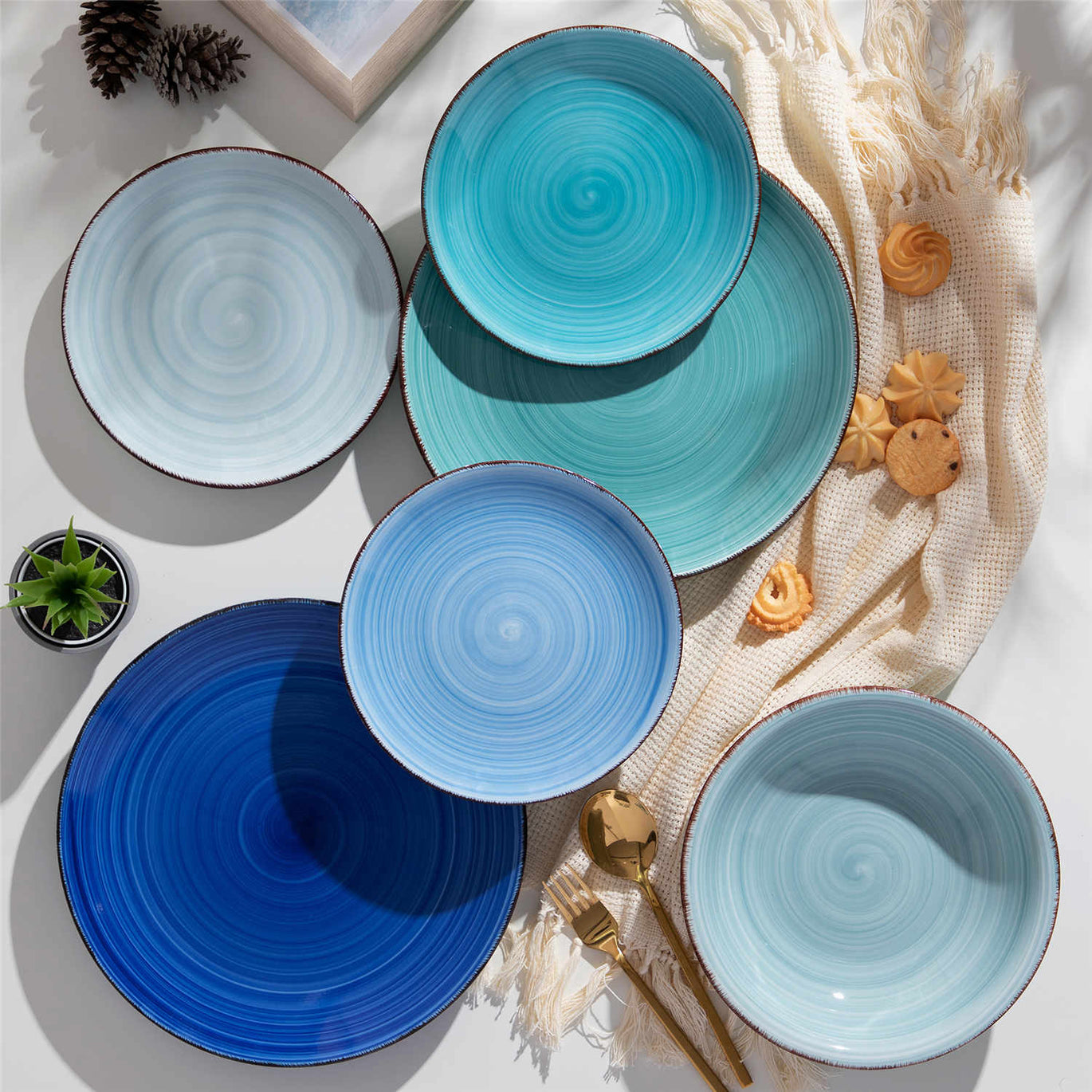
Mix in color intentionally. While the research on colored glass boards from MooreCo focuses on visual comfort for dyslexic learners on walls, the broader idea that color can energize and calm applies beautifully at the table. In my own experience, a set of soft aqua glass cups for water, a ruby tumbler reserved for a “special” snack, or a cobalt bowl for blueberries can turn everyday routines into tiny visual celebrations. As long as the pieces are transparent enough for children to see contents, color can be both playful and functional.
Finally, remember that Montessori emphasizes coherence between adult and child materials. Rhyme and Reason Academy recommends that children use glass and ceramic in the same contexts adults do. That means real glass at the family table and in the classroom snack area, and more rugged bottles or thermoses only when the adults are also using them, such as on a hike. This keeps skills practical and avoids mixed messages.

Glass Beyond the Table: Windows, Light, and Observation
While dishes are our star today, it is worth remembering that glass shapes children’s Montessori experience in other ways too. Historical accounts of the 1915 Glass Classroom show how glass walls allowed observers to watch without disturbing children’s concentration. Modern articles from architecture and safety organizations such as Safe Glass for Schools, SAFTI, Studio W Architects, and others describe how thoughtfully placed glass in school buildings brings in daylight, supports safety and supervision, and maintains visual connections to nature.
Education writers link natural light with boosts in mood, concentration, and even test scores. Fire‑rated glass and advanced glazing technologies allow schools to enjoy those benefits while meeting stringent codes for safety, sound control, and security. Privacy glass and smart glass add the option to switch between openness and privacy on demand, which can be particularly useful in counseling rooms, nurse’s offices, and sensitive learning spaces.
At a much smaller scale, tools like magnifying glasses appear in early childhood articles from organizations such as Kokotree and therapy providers like Pinnacle Blooms Network. These simple glass tools invite children to look closer at leaves, textures, and letters, building observational skills and curiosity.
Taken together, these threads remind us that glass is not just a material for cups. It is a medium for light, observation, and connection. In Montessori, that big idea shows up every time a child watches sunlight run through their glass of water or carefully examines a flower through a glass vase before carrying it to brighten the table.
FAQ
Is glass really safe for toddlers in a Montessori setting?
Montessori educators and parents who use glass with toddlers emphasize that safety comes from preparation, not from unbreakable materials. Sources like Miraculove, the Montessori‑Minded Mom, Chronicles of a Momtessorian, and Montessori Services all describe successful use of glass with very young children when adults introduce it deliberately, model careful handling, set clear limits, and keep cleanup routines calm and consistent. Breakage happens, especially at first, but is generally infrequent and becomes a powerful teaching moment about care, consequences, and emotional regulation.
Should I avoid ceramic if I am aiming for a Montessori‑style table?
There is no reason to avoid ceramic. Montessori classrooms regularly use ceramic bowls and plates alongside glass. Ceramic supports the same core values of reality, beauty, and breakability and is especially well suited to plates and deeper bowls. The current emphasis on glass in Montessori circles reflects glass’s unique strengths—transparency, visible cleanliness, and versatility for practical life trays—rather than a rejection of ceramic.
Is there still a place for plastic plates and cups?
Montessori‑aligned sources are consistently critical of plastic as the default material for children, mainly because it dulls sensory feedback, never breaks, and can undermine lessons in care and responsibility. Authors also raise environmental and health concerns about plastic production and chemical leaching. That said, some educators, such as those at Rhyme and Reason Academy, acknowledge that plastic or metal may be appropriate in specific contexts, like travel or sports, when adults also use them. The key is to avoid plastic as an automatic choice and to make real glass and ceramic the norm wherever it is reasonably safe and practical.

A Colorful Closing
When we place a small glass cup in a child’s hands, we are not just setting the table. We are curating a tiny gallery of trust, beauty, and responsibility. Glass lets children see the water they poured, feel the weight of their own choices, and hear the soft clink of real life as they join the family or classroom community at the table. Ceramic adds warmth and tradition to the scene, grounding the meal in comfort. Used together, with intention and joy, glass and ceramic turn everyday dining into a Montessori‑style studio for independence, grace, and endlessly colorful learning.
References
- https://www.bkbureau.org/open-minds-open-doors-the-role-of-glass-walls-in-modern-learning-environments/
- https://montessorirocks.org/more-breakable-the-better/
- https://www.pinnacleblooms.org/ma/magnifying-glass-therapy
- https://www.naesp.org/resource/through-play-colored-glasses/
- https://amshq.org/about-us/history-of-ams/the-glass-classroom/
- https://www.naeyc.org/resources/pubs/yc/fall2024/rocking-and-rolling
- https://renaissancemontessorischool.org/blog/2020/10/14/ai14h8sw8s979iq7wyp57qfxkh39mu
- https://miraculove.com/Introducing_Glassware_to_Toddlers_The_Montessori_Way
- https://blog.moorecoinc.com/why-you-should-choose-glass-for-your-class
- https://www.toughglaze.com/glass-for-the-educational-sector-what-schools-need-to-know
También te puede interesar
Stern Juego de vajilla de 16 piezas
- Desde £58.00
£77.00- Desde £58.00
- Precio unitario
- por
-
Blue
-
Green
-
Red
-
Grey
Bonita Juego de vajilla de 18 piezas
- Desde £49.00
£61.00- Desde £49.00
- Precio unitario
- por
-
Blue
-
Multicolor
Simi Juego de vajilla de 24 piezas
- £77.00
£104.00- £77.00
- Precio unitario
- por
Starry 16 Piece Juego de vajilla
- £60.00
£70.00- £60.00
- Precio unitario
- por
-
Blue
-
Green
-
Red
-
Gradient Green