



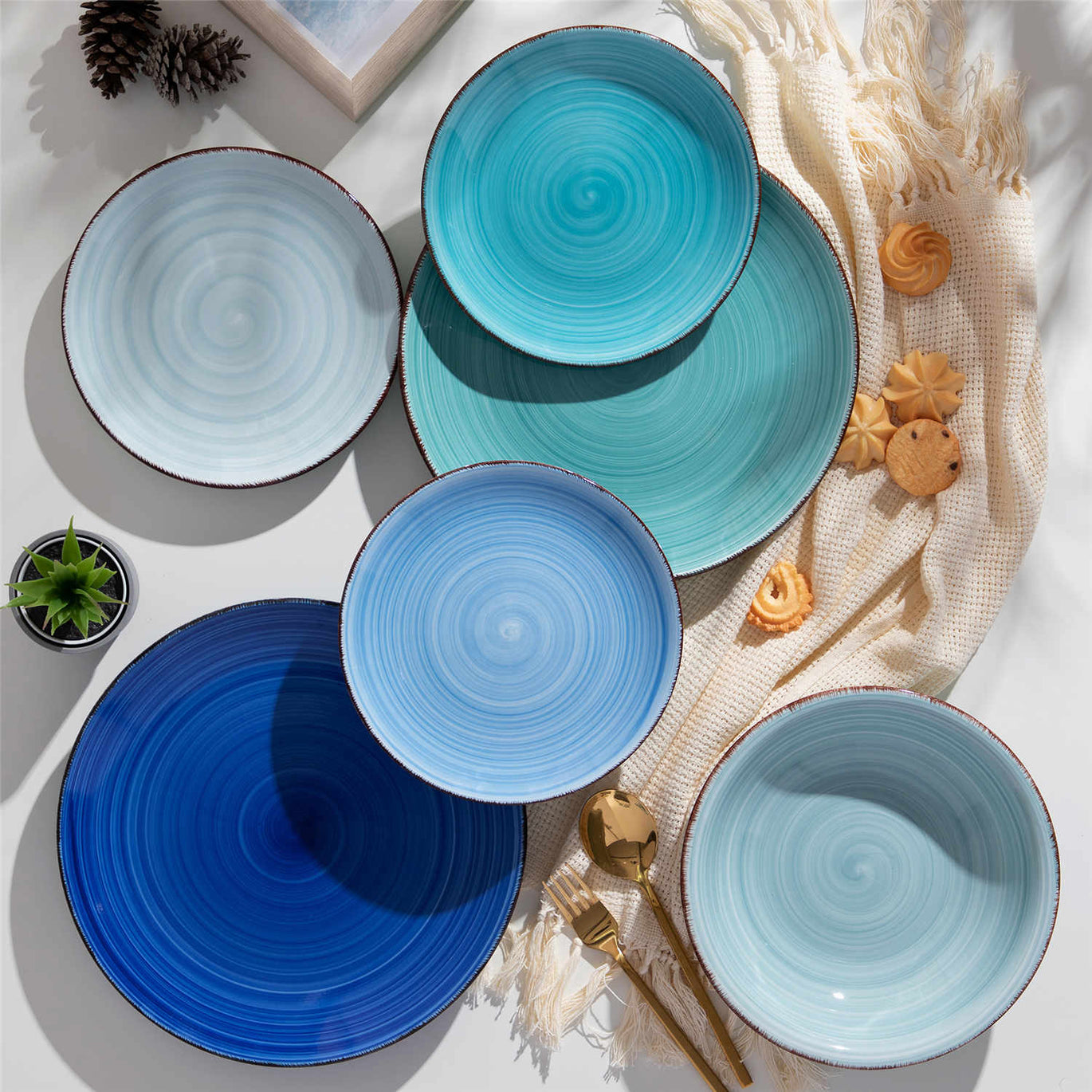


Understanding the Aesthetics of Modern Ceramic Tableware Trends

Modern ceramic tableware is having a main-character moment. Plates and bowls are no longer just quiet background actors; they are mood-setters, brand statements, wellness tools, and little sculptures that happen to carry pasta. When you look closely at today’s tabletops, you can see global design trends, sustainability values, and even psychology baked right into the glaze.
Drawing from current research on ceramics, design, and dining culture, and from what designers, retailers, and dinnerware brands are seeing at trade shows and in real homes, this guide unpacks how modern ceramic tableware aesthetics are evolving—and how to curate a table that feels joyful, intentional, and very much like you.
From Utility Objects to Lifestyle Language
Across interiors and tabletop design, there is a clear shift from anonymous minimalism to expressive, story-rich spaces. Harper’s Bazaar describes 2023 interiors moving away from stark “gallery-like” rooms toward homes that feel joyful, layered, and personal. Dining rooms, which were neglected for years, are being reclaimed as social stages again, filled with colorful tableware and glassware that show off the host’s personality.
Ceramic tableware has slid right into that spotlight. Joyye’s 2025 retailer trends report frames ceramic tableware as a lifestyle and self-expression medium as much as a functional product. Villeroy & Boch highlights handmade pottery as the star of 2025 table settings, while Vancasso talks about ceramics as tools for mindful eating and living. Even trade events focused on floor and wall tiles, such as Cersaie 2023 in Bologna, report rising interest in tactile, nature-inspired ceramic surfaces and colors, which invariably echo into tabletop design.
In other words, your dinner plate now speaks a dialect of design, wellness, and values. The question is: what do you want it to say?

The Aesthetic Building Blocks of Modern Ceramic Tableware
To understand where the trends are going, it helps to break modern tableware aesthetics into a few key ingredients: material, color, texture, and form. Each one carries its own mood, pros and cons, and practical implications.
Material: Porcelain, Stoneware, Bone China and Their Friends
Ceramic is a big family. Different “clays plus firing temperatures” create different aesthetics and performance profiles. Several guides, including By the Earth Living, Corby Hall, Caffeine Premium, Vancasso, and DHgate’s steak-plate advice, converge on a few core categories.
Here is a quick look at the main dinnerware materials you will actually encounter on a shopping page or showroom table.
Material |
Look & Feel |
Best For |
Key Pros |
Things To Watch |
Porcelain |
Smooth, fine, often bright white or softly colored; can be translucent in thin pieces |
Everyday elegance, restaurants, layering with bolder pieces |
Durable, non-porous, usually microwave and dishwasher safe; stain-resistant and refined |
Can chip at rims; premium versions cost more |
Stoneware |
Heavier, cozy, often matte or speckled, earthy colors |
Casual meals, rustic or “farmhouse” looks, cozy bowls |
Very durable, chip-resistant, great heat retention; friendly, grounded aesthetic |
Heavier to lift and store; some glazes show cutlery marks |
Bone china |
Very light, thin, luminous white with delicate ring |
Special occasions, luxury dining, refined restaurants |
Surprisingly strong for its thinness; highly elegant; often status-leaning |
Usually higher price; metallic decoration can limit microwave use |
Earthenware |
Softer, more porous, traditional pottery feel |
Low-impact use, decorative or artisanal pieces |
Warm, handmade vibe; great for pattern and painterly glazes |
Less durable and more porous than high-fired stoneware or porcelain |
Glass / tempered glass |
Clean, modern, sometimes textured or colored |
Cafeterias, minimalist homes, casual entertaining |
Hygienic, durable options exist; often stackable and light |
Less naturally cozy; scratches and smudges can read “cold” |
Melamine (not ceramic) |
Solid, often bright colors, matte or satin |
Kids, outdoor parties, high-traffic venues |
Extremely durable, lightweight, almost unbreakable; Bzyoo and Corby Hall both highlight its practicality for everyday and commercial use |
Not suitable for microwaves or heat lamps; can discolor; lacks ceramic tactility |
By the Earth Living notes that ceramic dinnerware already accounts for more than half of global tableware sales in a 2021 report, largely because ceramics hit the sweet spot of visual appeal, heat retention, safety, and durability. Corby Hall’s commercial guide echoes this: in restaurants, ceramic (including stoneware, porcelain, and china) remains a workhorse because it can handle dishwashers, hot holding equipment, and constant use.
For home tables, Caffeine Premium and Vancasso stress that good ceramic sets are non-toxic, lead-free, heat-retaining, and built to last for decades with proper care—making them both aesthetic and eco-conscious investments.
Color: From Earthy Calm to Dopamine Brights
Color is where modern ceramic tableware has really loosened its collar.
The Cersaie 2023 trends, reported by Sicer, group ceramic color palettes into three broad families: warm earthy neutrals, soft pastels, and full, vivid hues. Joyye’s 2025 trend report and Coffeemugceramic’s retailer insights both echo the rise of earthy tones like terracotta, sage, sand, and ocean blue, often paired with deeper accents such as charcoal or cobalt for contrast.
On the more exuberant side, Kim Seybert’s 2025 dinnerware forecast and Burleigh’s 2023 tableware trends talk about “dopamine decor” and color-of-the-year influences. Viva Magenta and Digital Lavender inspired waves of punchy pinks and purples, while brands such as Fiesta and Raynaud (highlighted in MD Maison’s overview of modern plates) lean into rich signature pigments and collections with dozens of mix-and-match shades.
Color is not just visual drama; it also shapes mood and even appetite. Hancers explains that warm colors such as reds, yellows, and oranges feel comforting and appetite-stimulating, making them ideal for lively family dinners. Cool blues and greens create calm and pair well with minimalist, serene kitchens. Vancasso’s mindful-eating guide adds that the color contrast between plate and food matters: higher contrast makes portion sizes easier to judge, while very similar colors can trick the eye.
Practically, this means a modern aesthetic might start with a base of warm white or sand-colored stoneware, then layer in a few dopamine-bright side plates or bowls. You get the visual joy without committing your entire cabinet to neon.
Texture and Finish: Matte, Gloss, Reactive and Tactile
Run your fingers along the rim of a plate and you are feeling one of the biggest quiet revolutions in ceramics: tactility.
At Cersaie, Sicer points to micro-reliefs, small incisions, and three-dimensional textures that create depth, rhythm, and a strong sense of materiality on walls and floors. Those same techniques and technologies—reactive glazes, embossed textures, matte finishes—are prominent on tableware as well. Joyye calls this “earthy elegance,” where subtle variations, stonewashed surfaces, and reactive glazes signal authenticity and craftsmanship.
Matt surfaces, Sicer notes, are particularly important when ceramics mimic wood, stone, or concrete, because they feel more natural and reduce glare. Vancasso highlights matte and satin glazes as especially pleasant to touch and better at hiding light scuffs than very soft, glossy finishes.
Reactive glazes, often mentioned in supplier listings and retailer briefs, create flowing, mottled color patterns that differ slightly from piece to piece. That randomness is part of the appeal: your bowl really does look like your bowl, not a clone.
From a practical standpoint, glossy glazes tend to be easier to wipe completely streak-free and can make colors and food pop on camera. Matte and heavily textured surfaces are more forgiving of everyday scratches and feel more artisanal, but they may hold onto certain stains or water spots a bit more, depending on the quality of the glaze. For everyday sets, many people gravitate to a soft satin or fine-textured matte as a comfortable middle ground.
Shape and Scale: Plates That Frame the Meal
Modern tableware shapes have wandered far beyond the classic flat round plate.
MD Maison’s overview of contemporary plates describes everything from minimalist circles to asymmetrical forms, intentionally imperfect silhouettes, and nature-inspired shapes that resemble leaves, shells, or fruit slices. Bzyoo talks about square and novelty shapes as a way to make even all-white settings feel distinctive. Chisel Pottery, looking at broader ceramic trends, notes strong interest in “natural organic forms” and “wonky” hand-built shapes that celebrate the handmade look.
On the practical side, Corby Hall and Kim Seybert emphasize the importance of stackability, nesting, and hybrid forms. The much-loved “pasta bowl” is a perfect example: a shallow bowl with a flat center that works for everything from braises to grain salads to weekend pancakes. Malacasa’s Japandi-influenced 2025 trends highlight romantic silhouettes with softly fluted edges and rounded corners, which add visual softness without sacrificing function.
Vancasso brings in plate size and psychology. Drawing on design research, they explain that smaller dinner plates around 8–9 inches can make portions look visually satisfying and reduce automatic second helpings, while oversized plates encourage edge-filling. Shallow bowls and rounded shapes frame food gently and discourage the “crowded buffet” look. Weight matters too: slightly heavier plates can make a meal feel more substantial and encourage slower, more mindful eating, but overly heavy pieces may be tiring in high-volume restaurant settings.

Major Aesthetic Trends in Modern Ceramic Tableware
When you combine material, color, texture, and form, clear style currents emerge. Many are shared across interiors, hospitality, and home entertaining.
Earthy Elegance and Biophilic Color Stories
Sicer’s coverage of Cersaie 2023 highlights warm neutral and earth-inspired palettes, from travertine and limestone tones in porcelain stoneware to clay, sage, and sand on wall tiles. Joyye’s 2025 retailer report describes similar color trends in tableware: terracotta, olive, sandy beige, sage, and ochre, often accented by cobalt blue or charcoal for contrast.
Ember Collective’s look at porcelain kitchen decor adds calming greens and nature-reminiscent shades as key 2023 directions. Chisel Pottery’s botanical impression trend brings actual leaf textures and plant motifs into clay surfaces, creating direct visual and tactile ties to the outdoors. Vancasso notes that natural materials and tactile surfaces are linked to higher meal satisfaction and more mindful behaviors in a 2024 Journal of Environmental Psychology study.
On the table, earthy elegance often looks like stoneware in sand, clay, or sage, with matte or stonewashed finishes, perhaps paired with wood trays or linen napkins. The mood is grounded and soothing, but far from boring.
Artisanal Imperfection and Organic Forms
Villeroy & Boch describe handmade pottery, organic shapes, and unique glazes as key tableware directions for 2025. Joyye emphasizes consumers’ hunger for authenticity, visible variations, and artisanal quality. Chisel Pottery frames this as a celebration of “imperfect, asymmetrical shapes” and hand-built techniques like coiling and pinching, where fingerprints and irregularities are part of the charm.
MD Maison showcases designers experimenting with asymmetry, deliberate imperfections, and nature-inspired plate silhouettes from brands such as Bordallo Pinheiro and Virginia Casa. Joyye notes that reactive glazing and embossed textures bring the “hand of the maker” to the surface, even when technology and 3D printing are involved behind the scenes.
This trend suits anyone who loves pieces that feel like they could have come from a small studio, even if they were made for a broader market. On the table, it reads as relaxed, tactile, and very Instagram-friendly without feeling too precious.
Minimalist Foundations, Maximalist Accents
Harper’s Bazaar talks about a move toward “maximalist but considered” homes, where people mix eras and styles but with intention. Coffeemugceramic’s retailer guide and Joyye’s trends outline a similar strategy for tableware: invest in clean, minimalist basics that work every day, then layer bold accent pieces.
MD Maison describes this modularity in modern plate collections: timeless neutral bases that can shift instantly from casual to formal when paired with vivid accent chargers, patterned dessert plates, or sculptural serving pieces. Kim Seybert’s 2025 forecast leans into this by pairing classic blue-and-white dishes or white china with metallic rims, bold patterned salad plates, or luxury placemats and napkins.
Burleigh calls one homeware approach “Mix & Match Maison,” encouraging hosts to blend patterns and colors rather than sticking to one rigid set. Bzyoo suggests balancing color and pattern by using solids as the foundation and letting a few pieces carry floral, paisley, or graphic prints.
The net effect is a table that feels curated and dynamic rather than chaotic—a look that works just as well for a Tuesday stew as for a holiday feast.
Global Influences and Cultural Storytelling
Travel and cultural fusion are powerful aesthetic drivers. Harper’s Bazaar notes that post-lockdown homes are becoming “global mish-mashes” of layered holiday memories: terracotta, Mediterranean motifs, checkered tablecloths, hand-painted ceramics inspired by trips abroad.
Kim Seybert’s dinnerware trends highlight specific global influences on tableware patterns and glazes, such as Moroccan tiles, Japanese indigo, and Italian hand-painted plates. Joyye and Coffeemugceramic both see growing demand for designs that channel Japanese wabi-sabi, Mediterranean warmth, and Moroccan patterning.
In practice, a globally influenced table might mix a Japanese-style indigo bowl with a Mediterranean blue-and-white dinner plate and a Moroccan-inspired patterned platter. The aesthetic is rich and narrative: every piece feels like a postcard, and together they tell a story.
Sustainability and Mindful Living on the Table
Sustainability is no longer a niche note; it is a baseline expectation.
Sicer reports that Cersaie 2023 put sustainability at the center of ceramic surface discussions, from zero-mile raw materials and process optimization to emissions control, clean energy, and material recovery. Ceramic itself is described as “intrinsically sustainable,” with firing that absorbs energy for 25–30 minutes but yields a useful life of up to about 50 years. Reducing thickness while increasing surface coverage is one strategy they highlight for energy savings.
Joyye’s market overview projects the global ceramic tableware market growing from about $102 billion in 2024 to around $145.5 billion by 2030 at a 6.1% compound annual growth rate, with sustainability and design innovation among the key drivers. Coffeemugceramic stresses that eco-conscious shoppers expect transparency on sourcing, energy use, and ESG practices, and recommends that retailers foreground sustainability certifications and durability.
On the consumer side, By the Earth Living and Caffeine Premium both position ceramic dinnerware as an eco-friendly option compared with plastic or disposable materials, given its natural clay origin, non-toxicity, long life, and compatibility with daily use. Villeroy & Boch extend the idea of sustainable table culture to reusable to-go containers and cups for meals away from home.
Vancasso weaves sustainability and wellbeing together, describing ceramics as non-reactive, flavor-neutral, and pleasant to touch—qualities that support mindful eating rituals. They also highlight the importance of modern, lead-free glazes and caution around vintage or unmarked pieces for hot, oily, or acidic foods.
Altogether, the sustainable ceramic aesthetic tends to look earthy, timeless, and honest—pieces you can imagine using for decades rather than seasons.

How To Choose Modern Ceramic Tableware That Fits Your Aesthetic
Trends are exciting, but your table still has to perform on a random Wednesday night when someone reheats leftovers in the microwave. Here is how to translate broad aesthetics into good decisions for your home or venue.
Clarify Your Table Personality
Start by asking what you want guests—and yourself—to feel when they sit down.
If your dream is a calm, spa-like kitchen, you might lean into Japandi-influenced designs described by Malacasa: pastel neutrals, soft greys and taupes, and nature-borrowed motifs, perhaps with delicate curves at the rim. Add a few jewel-tone accents such as deep sapphire or emerald on small plates or cups to keep things from feeling flat.
If you love the “joyful maximalism” Harper’s Bazaar associates with post-lockdown hosting, you might take cues from Kim Seybert, Burleigh, and MD Maison. That could mean mixing retro-colored glass, floral-patterned plates, quirky accent mugs, and bold linens while keeping a consistent thread, such as a dominant color family or recurring motif.
For a restaurant or café, Corby Hall recommends aligning dinnerware style with brand positioning: sleek porcelain for fine dining, rustic stoneware for farm-to-table, bright quirky pieces for a playful fast-casual space. The idea is the same at home: plates should underline your story, not fight it.
Match Material and Finish to Everyday Reality
A stunning porcelain coupe plate is less charming if it chips every other week in a busy family kitchen or fast-moving service line. Corby Hall and By the Earth Living both emphasize matching material to context.
Families with children or very frequent, casual use may prefer sturdy stoneware with matte or satin glazes that hide scuffs, possibly supplemented by melamine for outdoor or kid-heavy meals where breakage risk is high. Bzyoo specifically recommends melamine for everyday durability, while acknowledging that ceramic and porcelain are better for a truly elevated look.
Porcelain and bone china shine when you want an elegant, lightweight feel, precise shapes, and a bright white or refined pastel base. MD Maison highlights modern collections that combine these refined materials with experimental glazes and forms, blurring the line between everyday and “special” plates. Just remember that metallic rims generally cannot go in the microwave, and thin edges need mindful handling.
Finish matters too. Matte and satin glazes feel soft, modern, and artisanal; glossy glazes show off colors and are often easier to wipe spotless. Vancasso and Sicer both point to matte glazes as excellent for tactile pleasure and authenticity, but if you are in a commercial setting where plates are inspected under intense lighting, polished gloss might still win for perceived cleanliness.
Think in Sets, Layers, and Workhorses
Rather than chasing every trend with a brand-new set, it is more sustainable and aesthetically flexible to build around a few “workhorse” pieces.
Kim Seybert’s guidelines suggest having at least two complete place settings per person as a general rule of thumb, choosing between sets of six or twelve based on how often you entertain. Your everyday base might be a simple stoneware or porcelain set in warm white, sand, or a soft grey. From there, you can layer in patterned salad plates, colored dessert plates, or one or two dramatic serving platters.
MD Maison describes how many modern collections are designed modularly, allowing you to add accent colors, shapes, or limited-edition pieces without replacing the core. Burleigh and Bzyoo both encourage mixing patterns and colors gradually—starting with cups or side plates if you are nervous—so you can experiment without blowing your budget or storage.
Retailer trend reports from Joyye and Coffeemugceramic also recommend assortments that combine timeless basics with bold accent items. You can borrow that strategy at home: invest in pieces you will still love in five years, then let a few exuberant plates, bowls, or mugs channel each new season or holiday.
Design With Mindful Eating in Mind
One of the most fascinating intersections between aesthetics and science lives right on your dinner plate.
Vancasso, referencing design psychology and the Delboeuf illusion, notes that smaller plates around 8–9 inches make a standard portion look generous, reducing the tendency to overserve or go back automatically for seconds. Very large plates, especially with wide flat centers, make the same portion appear sparse, which can subtly drive overconsumption.
Plate color also influences perception. Hancers explains that warm-colored dinnerware feels cozy and appetite-boosting, while cool-colored sets create calm. Vancasso adds that strong color contrast between plate and food improves portion awareness; if your food and plate are very similar in color, it is harder to judge how much you are actually eating.
Shape and weight play roles as well. Rounded plates and shallow bowls gently frame a meal and help avoid the “wall-to-wall food” look of very angular pieces. Slightly heavier ceramic plates add a sense of quality and encourage slower, more intentional bites. Vancasso even suggests a simple table ritual: set your place, pause to feel the glaze and weight of your plate or mug, take a breath before the first bite, and check in halfway through the meal to see how full you feel.
Designing for mindful eating does not mean sacrificing style. It simply means that your gorgeous stoneware coupe also quietly coaches you toward more satisfying, less rushed meals.
Buy With Sustainability and Safety in Mind
The sustainability story around ceramics is complex but promising. Sicer emphasizes the long useful life of ceramic products and the industry’s efforts to optimize energy use and reduce waste. Joyye and Coffeemugceramic advise retailers to highlight biodegradable clays, recycled content, clean-energy production, and durable designs as selling points.
As a consumer, you can borrow that mindset. Look for brands that are transparent about materials and glazes, and that emphasize durability rather than rapid trend turnover. By the Earth Living and Caffeine Premium both recommend lead-free, non-toxic glazes for daily use. Vancasso goes further, suggesting caution with vintage or unmarked pieces for hot, oily, or acidic foods unless you can confirm glaze safety.
If you care about reducing waste, prioritize pieces you can envision using for many years, and sets that are easy to replace individually rather than only in full-box quantities. Villeroy & Boch’s focus on reusable to-go items reminds us that sustainability can extend beyond the dining room: a ceramic travel mug or lunch box may change your daily routine more than one extra platter ever could.

Short FAQ on Modern Ceramic Tableware Aesthetics
Is ceramic dinnerware still on-trend compared with other materials?
Yes, and in a big way. By the Earth Living cites a 2021 market report showing ceramic dinnerware representing more than half of global tableware sales. Joyye’s forecast for ceramic tableware projects the market growing from about $102 billion in 2024 to roughly $145.5 billion by 2030, with Asia-Pacific leading in growth. In commercial settings, Corby Hall still treats ceramic as the backbone of restaurant dinnerware because it balances durability, heat performance, and aesthetics. Plastics and melamine remain useful for high-impact, kid-heavy, or outdoor scenarios, but ceramics are where most of the visual and design innovation is happening.
Is matte or glossy better for a modern table?
Both are current, but they send different signals. Reports from Cersaie and Vancasso describe matte and satin glazes as key to today’s tactile, authentic look, especially when mimicking natural materials like stone or wood. They feel soft and tend to hide minor scuffs. Glossy glazes, highlighted in design overviews by MD Maison and others, make colors and food look extra vivid and are often easier to wipe perfectly clean, which many restaurants and home hosts appreciate. If you are building from scratch, a fine-textured satin is a very modern, forgiving choice, and you can sprinkle in a few high-gloss accent pieces for sparkle.
Can I mix different ceramic styles and still look intentional?
Absolutely. In fact, mixing is one of the biggest trends. Harper’s Bazaar encourages blending eras and aesthetics; Burleigh’s “Mix & Match Maison” philosophy invites you to combine patterns and colors; Kim Seybert designs tablescapes that pair rustic stoneware with golden accents or coastal blues; Coffeemugceramic and Joyye both recommend assortments that juxtapose minimalist basics with statement pieces. The key to making it look curated rather than chaotic is to carry a few threads through the mix, such as a consistent base color, repeated metallic accent, or recurring motif. Once those anchors are in place, you can let individual plates and bowls show off their personalities.
Ceramic tableware is where art, science, and everyday life clink together. When you experiment with materials, colors, textures, and shapes that align with how you actually live and host, you do more than follow trends—you turn your table into a daily gallery of joyful, pragmatic beauty. Set it boldly, mix it playfully, and let every plate help tell your story.

References
- https://www.alibaba.com/product-detail/2023-Trends-Shape-16pcs-24pcs-Turkish_62009817676.html
- https://www.architecturaldigest.com/story/tabletop-trends-tastemakers-are-loving-now
- https://ceramamadinnerware.com/Dinner_Plates/1739167203564.html
- https://www.chiselpottery.com/blog/whats-trending-in-ceramics-5-pottery-styles-everyones-talking-about-right-now
- https://harpersbazaar.com.au/interior-design-trends-2023/
- https://corbyhall.com/your-comprehensive-guide-to-selecting-commercial-dinnerware/
- https://smart.dhgate.com/how-to-choose-the-perfect-ceramic-steak-plate-set-for-exceptional-dining-experience/
- https://ekaceramic.com/12-affordable-ceramic-tableware-sets-worth-buying/
- https://www.happygodinnerware.com/Dinner_Plates/1739497112929.html
- https://www.joyye.com/info-detail/trends-in-ceramic-tableware-in-2025
También te puede interesar
Stern Juego de vajilla de 16 piezas
- Desde £58.00
£77.00- Desde £58.00
- Precio unitario
- por
-
Blue
-
Green
-
Red
-
Grey
Simi Juego de vajilla de 24 piezas
- £77.00
£104.00- £77.00
- Precio unitario
- por
Bonita Juego de vajilla de 18 piezas
- Desde £49.00
£61.00- Desde £49.00
- Precio unitario
- por
-
Blue
-
Multicolor
Starry 16 Piece Juego de vajilla
- £60.00
£70.00- £60.00
- Precio unitario
- por
-
Blue
-
Green
-
Red
-
Gradient Green