



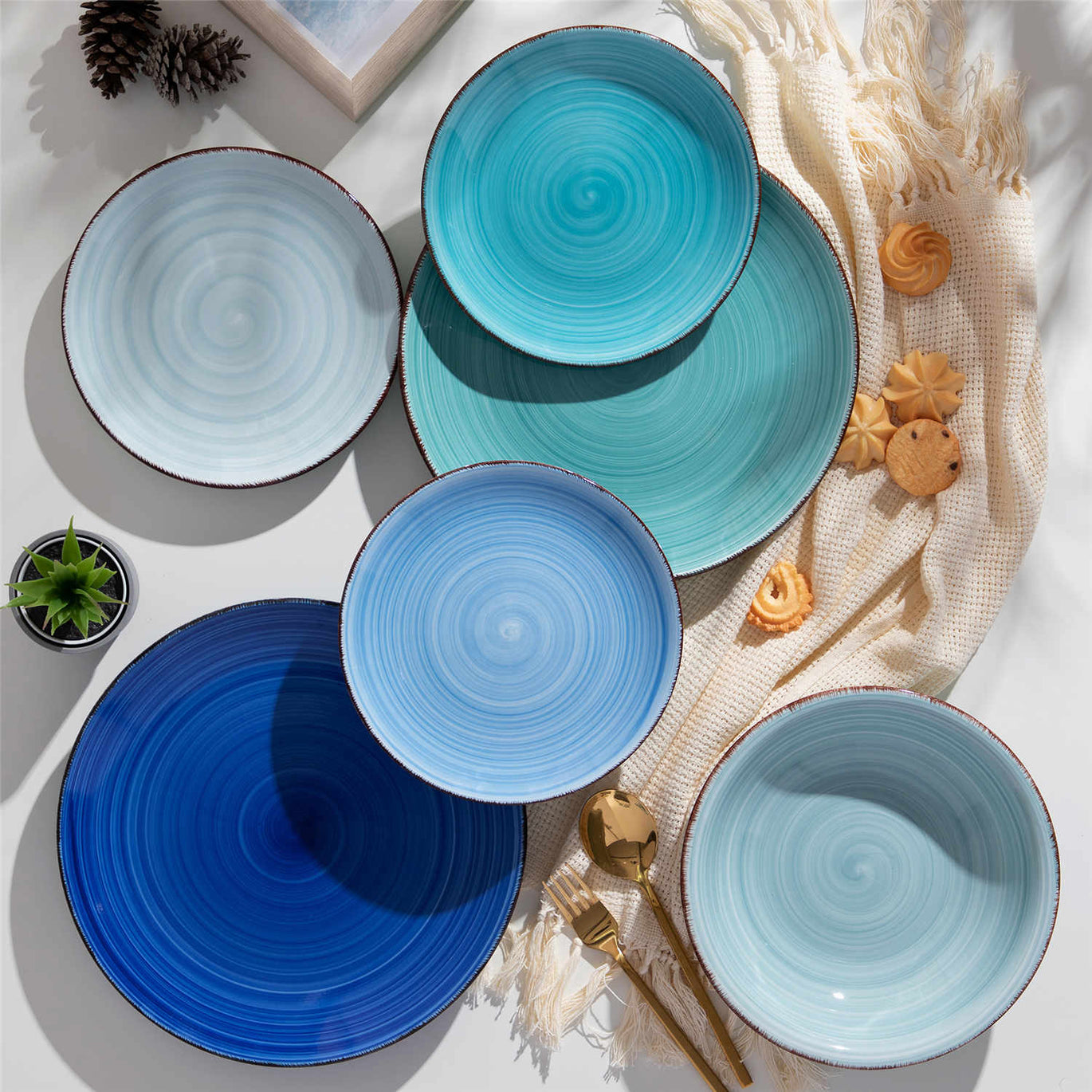


Understanding the Risks of Lightweight Ceramic Dinnerware for Children

Lightweight ceramic plates with charming animal faces and sherbet colors can make a kid’s table feel like a mini art gallery. As a Colorful Tabletop Creative & Pragmatic Joy Curator, I love that moment when a child’s eyes light up at their “special plate.” But across multiple safety investigations, experts have found that kid-perfect ceramics can hide very adult problems: heavy metals in glazes, porous bodies that soak up liquids, and fragile surfaces that chip and craze long before your child outgrows dinosaurs.
Several reviews of dinnerware safety report sobering numbers. A 2024 guide from Mika’s Table notes that nearly 20% of tested ceramic dishes contained harmful levels of lead. Research cited by Little White Dish and the Environmental Defense Fund found that about 10% of imported ceramics exceeded safe lead limits. Joyye, summarizing guidance from the World Health Organization, reminds us that there is no safe level of lead exposure for children because even small doses can impair brain development.
So how do we keep the joy and color on our children’s table while dialing down the risk? Let’s unpack what “lightweight ceramic” really means, where the hazards hide, and how to choose pieces that are both joyful and genuinely safe.
Why Children’s Ceramic Dinnerware Deserves Special Attention
Children eat from the same plates, cups, and bowls thousands of times while their bodies and brains are still developing. Safety guides from Anzhu Craft and Joyye emphasize that kids absorb more contaminants per pound of body weight than adults and that their organs are still maturing, which makes them particularly vulnerable to lead, cadmium, BPA, and other chemicals that can leach from dinnerware.
Lead, historically used in ceramic glazes to produce glossy, durable surfaces, is a potent neurotoxin. Contract Laboratory’s overview of glass and ceramic food-contact materials explains that long-term exposure, even at low levels, is linked to neurological damage, kidney problems, and hypertension. Cadmium, often used in bright reds, yellows, and oranges, accumulates in kidneys and bones and is classified as a carcinogen in long-term exposure scenarios.
Kids are also less coordinated. Lightweight ceramic can be easier for them to lift, but that also means more dropped plates, more chips and cracks, and more opportunities for glazes and clay bodies to break down. Emerson Creek Pottery, Healthier Homes, and several care guides all stress that damaged, crazed, or chipped pieces are more likely to leach and more difficult to keep hygienic.
In short, children have more years ahead of eating from the same dishes, they are more sensitive to toxins, and kid-life is much harder on tableware. That combination is exactly why your material choice matters so much.
What “Lightweight Ceramic” Actually Is
“Lightweight ceramic” sounds simple, but it can be made from very different clay bodies and firing schedules. The type of ceramic underneath the cute print affects how porous it is, how easily it chips, and how likely it is to leach anything from the glaze.
The Main Ceramic Families On Your Child’s Plate
Care guides from GG Clayworks, Elfinview, and Healthier Homes describe three major ceramic families you’ll commonly see in dinnerware.
Porcelain is made from refined clays such as kaolin, sand, and other minerals, then fired at very high temperatures around 2,400°F. It becomes dense, strong, and naturally non-porous. Porcelain is often thin and light in the hand, yet surprisingly durable when properly fired, which is why it is frequently used for teacups, small bowls, and fine plates.
Stoneware is also high-fired, typically around 2,300°F or a bit higher. It ends up dense and non-porous and can be quite chip-resistant. It feels a bit heavier and more rustic than porcelain, but it is still a top choice for functional dinnerware and baking dishes. Healthier Homes notes that stoneware often has glassy material added to the body, which further boosts its resistance to moisture.
Earthenware is fired at lower temperatures, typically around 1,830°F according to GG Clayworks. Multiple sources, including GG Clayworks and Healthier Homes, describe it as more porous, more absorbent, and more fragile than stoneware or porcelain. Earthenware often comes in warm terracotta tones and is popular with beginners and for decorative pieces. When used for dinnerware, it absolutely depends on a sound glaze to keep food and liquids from seeping in.
A lightweight child’s plate could be a thin porcelain piece, a lighter stoneware piece, or a low-fired earthenware piece with a glaze doing all the work. You cannot tell safety from weight alone.
Firing Temperature, Porosity, and Safety
Smart food-contact guides from Smart Dhgate and Joyye explain that high firing and vitrification are key to safety. When clay is fired to full maturity at high temperatures, it becomes glass-like and non-porous; liquids cannot easily soak through. This is typically the case for porcelain and well-made stoneware.
Seattle Pottery Supply and Smart Dhgate both underline that low-fire clays remain more porous even after firing. Any surface on low-fire ware that touches food or drink must be completely covered with a properly formulated, correctly fired, food-safe glaze. If that glaze is unstable, under-fired, crazed, or damaged, liquids can penetrate the surface, carrying acids and detergents with them and potentially dissolving whatever is in the glaze.
Joyye emphasizes that high-fired ceramics above roughly 2,200°F fuse the body and glaze into a harder, more durable, less porous surface, while low-fired ceramics are more vulnerable to leaching. Anzhu Craft and Healthier Homes both note that the combination of heat, acidity, time, and surface damage drives chemical migration into food.
For your child’s lightweight plate, that means a thin high-fired porcelain disc from a reputable brand can be safer than a thicker, low-fired earthenware piece with questionable glaze chemistry.
Why Weight Alone Is Not a Safety Guarantee
Because porcelain is strong when fired correctly, manufacturers can make it thin and light without sacrificing density. Earthenware, on the other hand, can feel light simply because it is more porous and brittle.
So weight is not a good shortcut for deciding whether a plate is safe for your child. You need to know what kind of clay it is, how it was fired, and what kind of glaze and testing stand behind it. Labels, brand transparency, and a few simple checks will tell you much more than how heavy the plate feels in your hand.

Chemical Risks Hiding in Colorful Lightweight Ceramics
Lead and Cadmium in Kid-Friendly Glazes
Contract Laboratory explains that lead has long been used in ceramic glazes to create smooth, glossy, durable finishes, and cadmium has been used in vivid pigments, especially reds, yellows, and oranges. Even now, “food-safe” regulations in places like the United States do not necessarily require glazes to be completely free of lead and cadmium; instead, they require that any leaching remain below specific limits under standardized tests. Digitalfire makes this distinction very clearly: “food safe” is about measured release levels, not absolute absence of heavy metals.
Emerson Creek Pottery points out that truly zero-lead ceramics essentially do not exist; what manufacturers aim for is “lead-safe,” meaning that any lead present in the materials does not migrate into food above strict limits when tested. Healthier Homes echoes this nuance, noting that properly glazed, modern porcelain and stoneware from reputable producers can be safe even if microscopic trace amounts of lead are present, as long as they meet regulatory thresholds.
The concern for children is that real-world use does not always mirror neat laboratory testing. Little White Dish notes that more than 30,000 synthetic chemicals are screened for hazards in food-contact testing. Their review of industry research, including work by the Environmental Defense Fund, highlights that about 10% of imported ceramics tested exceeded safe lead levels. Mika’s Table adds that nearly 20% of ceramic dishes in one analysis showed harmful lead levels.
Joyye cites the World Health Organization’s position that there is no known safe level of lead exposure for children, underscoring that even small, repeated exposures from everyday plates and cups are cause for caution.
How Leaching Happens Around a Family Table
Several sources define leaching or migration in similar terms. Joyye describes it as the process by which lead and other heavy metals migrate out of a ceramic glaze and into food or drink, especially in the presence of heat and acidity. Contract Laboratory expands on this, explaining that leaching is driven by food acidity, higher temperatures, contact time, and the specific composition of the glaze or glass.
Digitalfire, Seattle Pottery Supply, and Emerson Creek Pottery all give concrete kitchen examples. Acidic foods such as lemon juice, tomatoes, citrus, coffee, tea, and soda are especially aggressive. Leaving lemon juice on a glaze overnight, as described in the Seattle Pottery and Digitalfire examples, can visibly attack unstable or layered glazes. Emerson Creek Pottery warns that heating questionable ceramics or storing acidic foods or alcohol in them for long periods increases leaching risk.
In child life, that looks like tomato soup in a cute painted bowl, citrus wedges in a tiny dish, hot cocoa in a novelty mug, or leftover snacks left sitting in the dish on a counter or in the refrigerator. Repetition plus time plus acidity is exactly what testing labs simulate with their 24-hour acetic acid baths, as described by Contract Laboratory and in FDA and European regulatory protocols.
Decoding “Food Safe,” “Dinnerware Safe,” and “Non-Toxic”
Digitalfire draws a sharp line between “dinnerware safe” and “food safe.” Dinnerware safe, in the way many manufacturers use it, implies a glaze that is durable, smooth, easy to clean, and laboratory tested for leaching, crazing, and staining. But there is no globally standardized symbol for this, and some brands invent their own logos.
Food safe is a regulatory concept tied to specific test methods and limits, especially for lead and cadmium release. A glaze can legally be called food safe if its leach levels fall below those regulatory limits, even if it is not chemically ideal.
The label non-toxic is often misunderstood. Emerson Creek Pottery notes that a “non-toxic” seal on a jar of glaze addresses hazards to the person brushing glaze onto a pot, not to the person eating from the finished dinnerware. Little White Dish reinforces that “non-toxic” on consumer dinnerware is not tightly regulated and can mask the complexity of underlying testing.
For parents choosing lightweight ceramic dishes, this means you cannot rely on a single word on the box. Food safe backed by clear testing and a reputable maker is meaningful. A vague “non-toxic” badge, without details about heavy metal testing and standards like FDA or California Proposition 65, is not enough.
Physical Risks: Chipping, Crazing, and Everyday Rough-and-Tumble
Lightweight Often Means Fragile
Saje Rose and other care guides describe ceramic plates as elegant but inherently fragile. Even minor impacts or stacking pressure can cause chips, cracks, or complete breakage. HF Coors and Elfinview both suggest handwashing and careful storage to avoid chipping rims and scratching glazes, especially for nicer pieces.
With children at the table, impacts are not hypothetical. Lightweight ceramics are easier for small hands to wield, but that also means more plate banging, clinking, and dropping. Chipped rims are more than a cosmetic issue. Emerson Creek Pottery and Healthier Homes both emphasize that damage to the glaze or body exposes more surface area to food and wash water, increasing the risk of leaching and making items harder to clean thoroughly.
Broken or heavily chipped pieces also create sharp edges that simply are not safe around little fingers and mouths, even if chemical leaching were not a concern.
Crazing and Micro-Cracks
Crazing is a network of fine cracks in the glaze. Seattle Pottery Supply notes that many people find it visually attractive, but from a food-safety standpoint, crazed ware is considered unacceptable. Those micro-cracks can let water into the clay body, weaken the piece, and provide tiny spaces where moisture and bacteria can hide.
Digitalfire and Seattle Pottery both stress that crazing is a sign that the glaze and clay body do not fit each other properly in terms of expansion and contraction. Seattle Pottery points out that dishwashers and thermal shock tests, such as repeatedly moving a piece between ice water and boiling water, often reveal crazing that may not show up right away.
While some studies cited by Seattle Pottery have suggested that well-washed crazed surfaces can be relatively safe, their best-practice recommendation is clear: use a glossy, clear food-safe liner glaze on any crazed surface that will touch food or drink, or simply reserve crazed pieces for decorative use. That advice is particularly compelling when children are using the dishes daily.
Low-Fire, Porous Bodies and Hygienic Concerns
Because earthenware is more porous by nature, it relies heavily on glaze for safety. Smart Dhgate and Seattle Pottery both warn that low-fired, porous bodies with incomplete or unstable glazes can absorb liquids, food residues, and even odors. Smart Dhgate suggests simple home tests involving filling a piece with water and checking for dampness or odor after overnight contact as quick checks for poor vitrification.
For children, porous pieces are a double concern. Liquids and food remnants can soak in, making thorough cleaning harder and encouraging bacterial growth. At the same time, porous bodies make crazing and cracking more consequential, because there is more internal surface area for both microbes and chemical reactions.
Risk Patterns to Watch For in Children’s Lightweight Ceramics
Bright, Saturated Colors and Touchable Surface Designs
Joyye and Contract Laboratory both flag bright, saturated reds, oranges, and yellows as risk colors, especially when they are on food-contact surfaces. Cadmium-based pigments have historically been used to achieve these hues. Joyye suggests treating pieces with very bright decorations you can feel with your fingernail on the eating surface as red flags.
Emerson Creek Pottery points out that plain white dishes rarely test positive for lead, and are generally lower risk compared with highly colorful, glossy wares. Digitalfire adds that glazes that are heavily crystallized, very matte, or overly runny are often less chemically stable, which makes them poor candidates for direct food contact.
Lightweight ceramic kid plates often feature bright characters and borders. If you can feel the pattern as a texture where food sits, or if the designs look like on-top decals rather than being protected under a thick, clear glaze, it is safer to treat that plate with suspicion unless the maker clearly documents food-safety testing.
Vintage, Souvenir, and Unlabeled Pieces
Emerson Creek Pottery, Healthier Homes, and Joyye all caution strongly against using older, vintage, or flea market ceramics as everyday dinnerware, especially for children. Traditional pieces made decades ago often used lead-based glazes before modern regulations were in place.
Healthier Homes specifically calls out vintage favorites like certain older Fiestaware as having been found with high levels of heavy metals. Their guidance is simple: avoid vintage and secondhand dishes for regular food use, particularly for kids, and treat anything labeled “not for food purpose” or “decorative use only” as off-limits for meals.
Souvenir mugs and tourist-market pottery from regions with less stringent enforcement are another concern. Joyye advises caution with handmade or tourist pieces from unregulated sources and suggests reserving them for decorative roles unless you can obtain reliable safety documentation.
Cheap “Cute” Imports and Novelty Kid Sets
Little White Dish highlights inconsistency in international standards as a core challenge. Their review notes that products crossing borders may not all undergo the same level of testing, and that import checks can miss problem items. Environmental Defense Fund data they cite, showing a significant portion of imported ceramics failing lead limits, underscores that risk.
Joyye and Smart Dhgate both recommend looking for clear labeling such as “food safe,” “lead-free,” “cadmium-free,” and “FDA compliant,” and, where possible, third-party certifications. When a kid-marketed lightweight ceramic set is very inexpensive, heavily decorated, and carries only vague “non-toxic” language with no details about heavy metal testing or regulatory standards, it is wise to be cautious.
Everyday Wear, Dishwashers, and Thermal Shock
HF Coors, Elfinview, and Villeroy & Boch all note that while many ceramics are technically dishwasher safe, the combination of strong water jets, detergents, and high temperatures can accelerate wear, particularly on decorated or handmade pieces. GG Clayworks and Kness add that sudden temperature shocks, such as moving directly from refrigerator to hot oven or rinsing a hot dish with cold water, can cause cracks or breakage even in robust stoneware and porcelain.
For children’s lightweight plates, that means repeated trips through the dishwasher and rough handling can quickly turn a once-smooth surface into a chipped, crazed, or hairline-cracked one. Since damaged surfaces are more vulnerable to both leaching and bacterial retention, this aging process matters.

Simple At-Home Ways to Assess a Kid Plate
Start with the Label and the Maker
Joyye, Smart Dhgate, Healthier Homes, Emerson Creek Pottery, and Vancasso all converge on a similar first step: read the label and investigate the brand. Helpful signals include explicit phrases such as lead-free, cadmium-free, food-safe, or compliant with FDA or California Proposition 65 standards.
Healthier Homes recommends buying from well-known, transparent brands that clearly state whether their clay bodies and glazes are free of heavy metals and that provide information about production and testing. Joyye’s guidance for businesses extends to home buyers as well: ask whether the manufacturer has current test reports for lead and cadmium and whether decorations are applied under a smooth, fully fused glaze.
If you cannot find any material details, heavy-metal information, or regulatory references for a ceramic children’s set, that absence is itself important data.
Use Your Eyes and Fingers
Visual and tactile inspection can reveal a lot.
Seattle Pottery Supply and Smart Dhgate suggest scanning for crazing, shivering (where glaze flakes away at edges), pits, bubbles, and rough patches. Joyye adds that chalky or dusty residue after washing and bright red, orange, or yellow decorations that can be felt as raised patterns on the eating surface are warning signs. Emerson Creek Pottery and Healthier Homes agree that cracked, chipped, or corroded glazes should take a piece out of the everyday dinner rotation.
Run your fingertip across the child’s plate where food sits. A smooth, glassy surface that feels like a piece of glass is a good start. Any roughness, hairline crackle, or raised decoration deserves a second look.
Low-Tech Tests Parents Can Actually Do
Smart Dhgate proposes simple absorption checks: fill a ceramic piece with water and leave it overnight. If the foot of the piece feels damp, smells musty, or shows darkening, the body is likely too porous for daily food use, especially with kids.
Seattle Pottery Supply describes a straightforward lemon test for glaze stability. Squeeze lemon juice onto a horizontal glazed area, leave a lemon slice there overnight, then rinse in the morning. If you see or feel a change in color or texture, the glaze has been attacked by acid and should not be used for functional ware like a child’s breakfast bowl.
Emerson Creek Pottery and Healthier Homes both mention home lead and cadmium test kits available from hardware stores or online. Healthier Homes suggests pre-swabbing the test area with lemon juice or vinegar to encourage any bound metals to release, then using the swab kit according to instructions. These kits are not as precise as professional laboratory analysis, but they can flag obvious problems and give you more confidence when deciding whether to keep or retire a piece.
If a plate fails any of these simple tests or if you just have persistent doubts, the safest route—especially for children—is to reserve it for decorative use or crafts rather than food.

Safer Materials and Designs for Children’s Dinnerware
Safer Ceramic Choices
Ceramic is not the enemy. In fact, multiple sources, including Healthier Homes, Anzhu Craft, and Joyye, describe modern porcelain, stoneware, and properly glazed ceramics from reputable producers as among the safest, most durable, and most enjoyable materials for everyday dining.
Healthier Homes explains that porcelain, fired around 2,400°F, ends up highly durable and non-porous. Stoneware, fired around 2,300°F and often containing glassy material in the body, is similarly moisture-resistant and chip-resistant. When these materials are paired with lead-free and cadmium-free glazes that pass FDA and, ideally, California Proposition 65 testing, they make excellent dinnerware for families.
Emerson Creek Pottery notes that plain white dishes rarely test positive for lead and are generally lower risk than highly colorful, glossy pieces. Joyye likewise highlights high-fired porcelain, well-glazed stoneware, bone china, and lead-free glass as safer options, provided they are free from hazardous pigments and tested for heavy metals.
Brands like Emerson Creek Pottery, HF Coors, JOYYE, and others described in the research emphasize using no added lead or cadmium and back their claims with laboratory testing against FDA and Proposition 65 standards. Those are the types of manufacturers—transparent, test-driven, and clear about materials—you want in your children’s cupboard.
For kids, consider lightweight porcelain bowls and plates from such makers where the eating surface is either plain white or covered only with a thoroughly documented, tested glaze. Save more heavily decorated pieces for occasional use rather than daily duty.
Non-Ceramic Options for Everyday Kid Chaos
Several guides compare ceramics with other common dinnerware materials and offer a broader menu of safer choices. Anzhu Craft, Mika’s Table, Ancheng, Vancasso, and Healthier Homes all weigh in on the pros and cons.
Here is a compact comparison, focusing specifically on children.
Material |
Why it can be a good choice for kids |
Key cautions from the research notes |
High-fired porcelain or stoneware |
Durable, non-porous, naturally BPA-free; when labeled lead- and cadmium-free and tested to FDA or Proposition 65 standards, it combines safety with familiar ceramic feel and beautiful color. |
Breakable and chip-prone; bright surface decorations and low-quality glazes can still leach heavy metals; damaged or crazed pieces should be retired from food use. |
Clear, lead-free glass (including tempered glass) |
Described by Healthier Homes and Anzhu Craft as inert, non-porous, and typically free of lead and cadmium; does not absorb odors or flavors, and is generally microwave and dishwasher safe if labeled. |
Breaks into sharp or, in tempered versions, many small pieces; avoid antique or painted glass with unknown pigments; retire chipped or cracked pieces. |
Stainless steel |
Highlighted by Mika’s Table, Anzhu Craft, Ancheng, and Healthier Homes as shatterproof, corrosion-resistant, PFAS-free, and free from lead and cadmium; excellent for toddlers, picnics, and outdoor dining. |
Some grades contain nickel, which can bother people with nickel allergies; never microwave; rinse soon after very acidic foods to minimize staining or minor metal migration. |
Natural bamboo and hardwoods (without melamine binders) |
Anzhu Craft and Healthier Homes describe 100% natural bamboo and hardwoods with food-safe oils as renewable, BPA- and PFAS-free, lightweight, and pleasant to handle, especially for dry foods and snacks. |
Many commercial “bamboo” products are actually bamboo plus melamine resin, which can release melamine or formaldehyde when heated; must be kept out of microwaves and dishwashers; can warp, crack, or roughen and then should be replaced. |
Melamine and conventional plastic, although lightweight and popular in children’s designs, are treated far more cautiously in the research. Mika’s Table and Ancheng both explain that melamine can release formaldehyde at higher temperatures and that plastic often involves BPA, BPS, phthalates, and PFAS. Vancasso calls BPA an endocrine disruptor and warns that “BPA-free” labels may still hide other bisphenols with similar risks. Ancheng notes that PFAS, sometimes used in non-stick or water-resistant coatings, are highly persistent and detectable in almost everyone in the United States.
Given those concerns, these guides consistently recommend limiting or avoiding melamine and plastic for hot foods and choosing ceramics, glass, stainless steel, and verified natural materials instead.
Habits That Matter More Than Any Label
Across all this research, one message is delightfully practical: how you use and care for dinnerware matters almost as much as what it is made of.
Emerson Creek Pottery, Healthier Homes, and Joyye advise against heating food in questionable ceramics or using them for long-term storage of acidic foods, especially not for children’s meals. Seattle Pottery Supply and Smart Dhgate suggest reserving suspect, crazed, or porous ceramics for decorative use and relying on well-vitrified, certified ware for hot and acidic dishes.
Care guides from GG Clayworks, Elfinview, HF Coors, Villeroy & Boch, Saje Rose, and Kness all converge on gentle washing, avoiding harsh abrasives, steering clear of extreme temperature swings, and storing plates so that rims are not under constant pressure. For kids’ dishes, this translates into a few simple habits. Inspect plates often and retire anything with cracks, crazing, or large chips from the food-contact area. Handwash more delicate pieces and avoid shockingly hot or cold transitions. Do not treat the dishwasher as a testing ground for fragile or marginally safe ware.
Most importantly, treat the pieces that go on your children’s table as the highest priority in your kitchen, even above your own favorite espresso mug.

Frequently Asked Questions about Lightweight Ceramic Dinnerware for Children
Is lightweight ceramic ever a good choice for toddlers and young children?
Lightweight ceramic can be appropriate for older, steady-handed children when it is high-fired porcelain or stoneware from a reputable maker that clearly states lead-free and cadmium-free glazes and compliance with food-contact standards such as FDA rules and, ideally, California Proposition 65. Healthier Homes, Joyye, and Anzhu Craft all list such ceramics among the safest materials for everyday dishware when they are properly formulated and tested.
For toddlers and very young children, stainless steel and well-chosen glass or natural bamboo are often more practical because they are shatterproof or at least less fragile, as emphasized in guides from Mika’s Table, Anzhu Craft, Ancheng, and Vancasso. If you do use lightweight ceramic with toddlers, keep it for supervised meals at the table, avoid giving it when a child is moving around or likely to throw it, and inspect it frequently for damage.
Are “lead-free” and “non-toxic” labels on kid plates enough?
“Lead-free” is a strong, helpful phrase when it appears in the context of a reputable brand that backs it with testing. Joyye, Emerson Creek Pottery, and Healthier Homes all encourage looking for clear statements that both the clay body and the glaze are free of lead and cadmium or meet strict limits. Additional mentions of FDA compliance and Proposition 65 adherence add confidence.
“Non-toxic” on its own is not enough. Digitalfire notes that non-toxic on a jar of glaze refers to hazard during application, not leaching from the final fired piece. Little White Dish points out that non-toxic as a marketing term for finished dinnerware is not tightly regulated and can obscure the complexity of real-world testing. Vancasso adds that “BPA-free” plastic can still contain other bisphenols like BPS or BPF.
For children, aim for more than a single reassuring phrase. Look for brands that publish or reference actual heavy-metal test results, describe their firing temperatures and materials, and mention recognized standards like FDA rules, European regulations, or Proposition 65.
What should I do if I already own a lightweight ceramic kid set I’m worried about?
Start with triage. Check the bottom and packaging for any mention of lead-free, cadmium-free, food-safe, FDA compliance, or Proposition 65. Inspect the eating surface closely for crazing, visible cracks, chips, rough patches, or chalky residue after washing. Pay extra attention to bright reds, oranges, and yellows you can feel with your fingertip, as Joyye warns these are visual red flags.
If you are still uneasy, you can run simple at-home tests described by Seattle Pottery Supply, Smart Dhgate, Emerson Creek Pottery, and Healthier Homes. Try the lemon test on a discrete area, the overnight water-fill or absorption test, and a home lead or cadmium test kit following the manufacturer’s instructions.
If any test suggests problems, or if your gut feeling remains uncomfortable, follow Healthier Homes’ rule of thumb: when in doubt, throw it out—or at least retire it from food use. Many suspect pieces can live a lovely second life as plant saucers, toy organizers, or purely decorative accents away from your child’s snacks.
Ceramic can absolutely be part of a colorful, joy-filled childhood table, but it should earn its place there through clear information, careful selection, and a little practical testing.
When you curate your child’s dinnerware with the same creativity and discernment you bring to a beautiful tablescape, you get the best of both worlds: bold color and pattern, plus the quiet confidence that every bite off that plate is as safe as it is delicious.

References
- https://community.ceramicartsdaily.org/topic/2208-newbie-question-about-food-safe/
- https://shop.mikastable.com/the-safest-material-for-dinnerware
- https://www.anchenggy.com/blog/safest-dinnerware-guide.html
- https://www.anzhucraft.com/safest-dinnerware-material/
- https://contractlaboratory.com/the-unseen-threats-ensuring-safety-for-glass-and-ceramic-food-contact-materials/
- https://smart.dhgate.com/a-practical-guide-to-identifying-food-safe-ceramics-for-your-kitchen-needs/
- https://digitalfire.com/glossary/dinnerware+safe
- https://www.elfinview.com/care-for-ceramic-tableware/
- https://emersoncreekpottery.com/how-to-tell-if-pottery-is-food-safe/?srsltid=AfmBOoopqv2DWKCtyoZDgYYjC7ycoZrd8sWHnogfWUw58mXkFMjy8WCF
- https://www.emilehenryusa.com/pages/use-care?srsltid=AfmBOor1GLhRN9N4NVSjONGISoByu9blIW6cvFu8sRwP09rtjPL3XZph
También te puede interesar
Stern Juego de vajilla de 16 piezas
- Desde £58.00
£77.00- Desde £58.00
- Precio unitario
- por
-
Blue
-
Green
-
Red
-
Grey
Bonita Juego de vajilla de 18 piezas
- Desde £49.00
£61.00- Desde £49.00
- Precio unitario
- por
-
Blue
-
Multicolor
Simi Juego de vajilla de 24 piezas
- £77.00
£104.00- £77.00
- Precio unitario
- por
Starry 16 Piece Juego de vajilla
- £60.00
£70.00- £60.00
- Precio unitario
- por
-
Blue
-
Green
-
Red
-
Gradient Green