



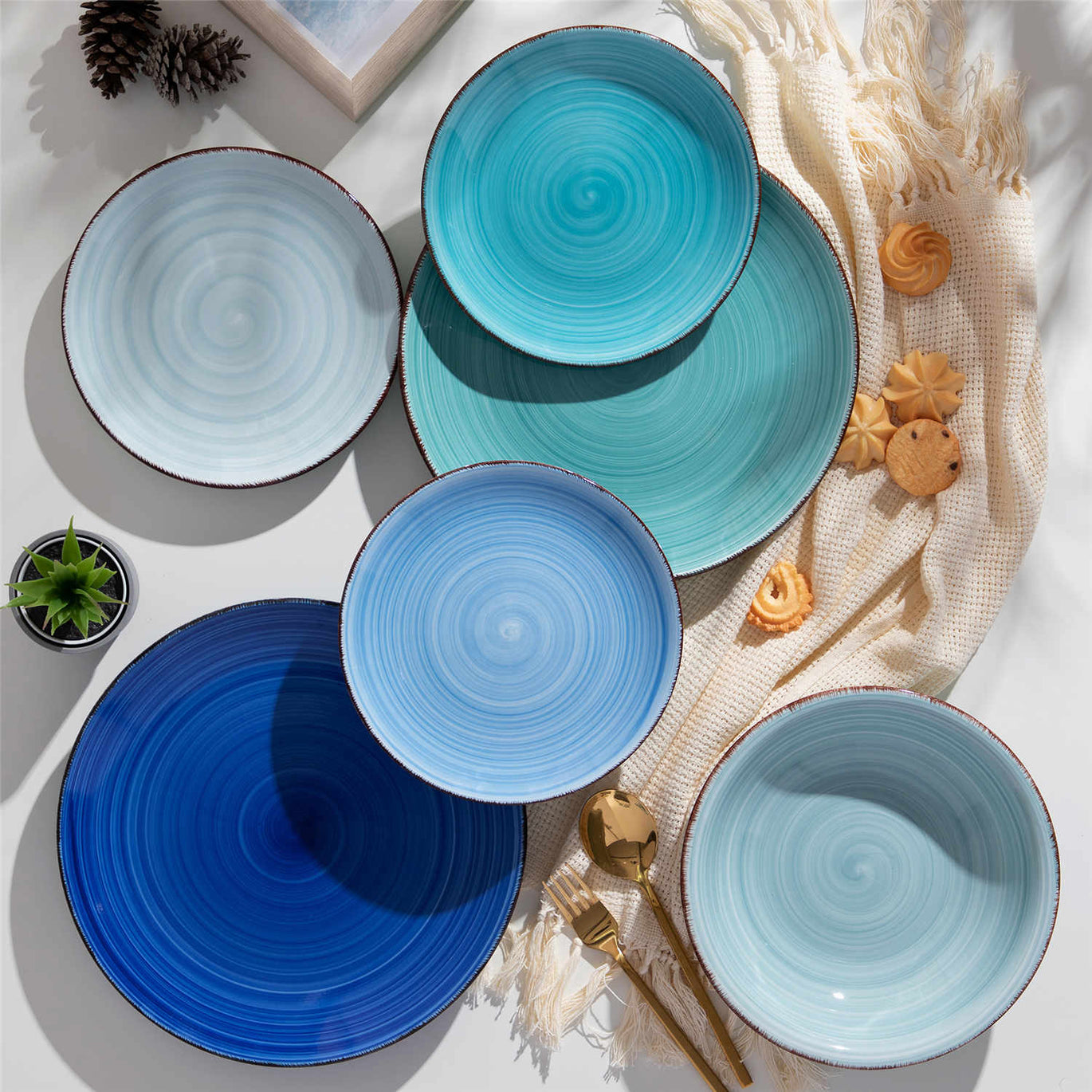


Modern Ceramics Inspired by Monastic Alms Bowls

Modern tabletop design keeps circling back to one humble, resonant form: the monastic alms bowl. I see it again and again in studios, showrooms, and the homes we style for gatherings, from cozy soup nights to Thanksgiving spreads. The silhouette is quiet yet magnetic; the ethics embedded in the form—contentment, humility, sufficiency—feel unusually right for how we want to dine today. This article explores how contemporary makers channel the alms bowl’s lineage into everyday ceramics, what that history actually looks like across Asia, and how to choose, care for, and style these pieces with both joy and respect.
What “Alms Bowl” Means, and Why It Matters
An alms bowl, also called a patra in Sanskrit, is the vessel Buddhist monastics use to receive food offerings. The Minneapolis Institute of Art describes it as a hemispherical or rounded bowl with a flat or slightly recessed base and a size that varies by tradition. The material can be metal, ceramic, or wood and lacquer. Beyond function, the bowl symbolizes renunciation, discipline, and reliance on the lay community, which is why its meaning radiates far beyond the simple act of holding a meal.
Some traditions emphasize the bowl’s austere design logic: plain, durable, appropriately sized to deter excess. A teaching resource from Hsing Yun associates the bowl with contentment and non-attachment; it notes that while daily alms rounds changed in some regions over time, the bowl remains a key symbol, passed down in lineages, invoked in stories, and revered not for ornament but for what it stands for. Stories & Objects captures the essence succinctly through the voice of a maker: without the bowl, a monk would have nothing to eat. That clarity of purpose explains why the form continues to speak to modern designers and diners.
A Brief Heritage: From Temple to Table
The alms bowl’s story is far from monolithic; it’s a chorus of places, materials, and uses. Korean ceramics include versions modeled on metal monk’s bowls; the Freer Gallery of Art at the Smithsonian preserves an example described as an undecorated ceramic with an incurving rim designed after metal alms bowls. Its long exhibition history at the National Museum of Asian Art shows how curators keep returning to this object’s quiet power.
Sui–Tang China produced black pottery alms bowls with polished, carbonized surfaces. Academia Sinica records excavated black bowls with rounded bodies and incurved mouths, noting their rarity in tomb contexts during that period. A detailed dealer write-up by J.J. Lally highlights a Tang bowl whose glossy black surface likely came from reducing-atmosphere firing and a carbon and gypsum coating polished to a high sheen; Chinese archaeological literature describes similar surfaces as mo guang, meaning polished, and shen tan, meaning carbonized. Another related example emerged from the tomb of the monk Shenhui, buried in 765, where a closely related form with a lacquer-like surface was found. These notes confirm a lineage of refined, deliberately restrained finishes that modern makers echo in deep matte blacks and burnished glazes.
Elsewhere, the Cleveland Museum of Art preserves a Heian-period Japanese alms bowl in gilt bronze, incised with birds, flowers, and butterflies. It likely served on an altar rather than on daily rounds, reminding us that the alms bowl can move fluidly between utilitarian and ceremonial roles. In Thailand, the Ban Bat community in Bangkok maintains a remarkable craft lineage of hammering alms bowls from steel pieces—a process with twenty-one steps and roughly twenty thousand hammer blows per bowl. That kind of discipline and hand memory influences contemporary designers who want their wares to telegraph labor, lineage, and care in every dimple and curve.
Buddhist Bhutan brings the story into present-day studio practice. Ceramic Arts Network documents Yangphel Pottery, a studio that decorates porcelain and wheel-thrown ware with Buddhist symbols including the alms bowl motif and fires overglaze at roughly 1,292–1,382°F with bisque firings around 1,832°F. The point for today’s buyer is not chemistry for its own sake; it’s understanding how fired layers and surface technologies shape durability, luster, and care.
Finally, the alms bowl even appears in narrative art, such as a National Museum of Asian Art record for “Raising the alms-bowl: the conversion of Hariti.” The gesture underscores how, across genres, the bowl signals transformation, offering, and ethical orientation.

Reference Snapshots Across Traditions
Example |
Period/Place |
Material/Finish |
Notable Features |
Publisher/Museum |
Korean ceramic bowl modeled on metal alms bowls |
Korea |
Ceramic |
Incurving rim; undecorated austerity |
Smithsonian National Museum of Asian Art |
Black alms bowls from tomb contexts |
Sui–Tang China |
Pottery |
Entirely black, smooth, delicate; rarely placed in tombs |
Academia Sinica, Museum of History & Philology |
Burnished black pottery alms bowl |
Tang China |
Pottery with carbon/gypsum coating |
Polished mo guang and carbonized shen tan surfaces; concentric wheel marks |
J.J. Lally & Co. with references to archaeological literature |
Alms bowl for altar use |
Heian Japan |
Gilt bronze |
Incised roundels, butterfly motifs; likely ceremonial |
Cleveland Museum of Art |
Hand-hammered monastic bowl making |
Bangkok, Thailand |
Steel, lacquer |
Twenty-one steps; about twenty thousand hammer blows; long-lived community craft |
Ban Bat artisans documented by a photo essay |
Contemporary studio work referencing alms bowl motif |
Bhutan |
Porcelain overglaze and wheel-thrown ware |
Buddhist symbols including the bowl; overglaze firing around 1,292–1,382°F |
Ceramic Arts Network |
These snapshots are not a shopping catalog; they are a guide to the varied ways an alms bowl can be made, finished, and used. Together, they explain why the form remains fertile ground for modern ceramic designers.
Design DNA: What Makes the Form So Usable
In practice, the alms-bowl silhouette offers three big gifts to the table. First, proportion. The round-bellied interior sits comfortably in the hand, inviting soups, noodle broths, rice, salads, and fruit. Second, rim discipline. An incurving mouth subtly protects contents and frames aromas, which is a boon whether you are ladling miso or plating berries. Third, low-drama surfaces. Monastic finishes—plain, polished, carbonized, or softly burnished—create calming zones that play well with brighter plates and linens.
When we style dining rooms, the form’s humility frees the rest of a setting to sing. A deep black bowl with faint wheel rings anchors a bright runner. A soft gray or off-white brings a serene pause amid exuberant glazes. Using alms-bowl-inspired pieces on a Thanksgiving table is particularly satisfying: the shape cues gratitude, the finish calms visual noise, and the serving size naturally encourages moderation without making the table feel austere.
Material Approaches Today, Grounded in Tradition
Makers working in this vein tend to borrow from historical material logics without copying artifacts outright. Black-burnished earthenware takes cues from Tang surfaces described as polished and carbonized. Gilded or metal bowls recall Japanese altar pieces or Thai hand-hammered traditions, though contemporary steel versions might lean into visible hammer dimples rather than hide them beneath lacquer. Porcelain bodies decorated in overglaze draw a line to Bhutanese studios where Buddhist symbols, including the alms bowl, are composed on imported blanks and fired at modest overglaze temperatures that influence how the decoration should be handled and washed.
What these approaches share is restraint: rounded bodies, quiet rims, smooth or softly textured surfaces, and a refusal to shout. The result is deeply modern. In a world of maximalist color and shape, a bowl that holds space without hogging it feels smart, stylish, and generous.
Historic Dimensions, For Scale at Home
Source entry |
Approx height |
Mouth diameter |
Academia Sinica black pottery bowl |
About 4 3/4 in |
About 7 1/2 in |
Academia Sinica black pottery bowl |
About 3 1/4 in |
About 7 3/8 in |
Academia Sinica alms bowl (another tomb context) |
About 4 1/4 in |
About 6 3/4 in |
Cleveland Museum of Art gilt-bronze bowl |
About 5 1/16 in |
About 9 3/8 in |
These figures, drawn from museum and archive entries, offer a reality check when you are shopping. The silhouette thrives in a range that feels generous in the hand without towering on the table. If your home use centers on soups and salad mains, the roughly 6 3/4–9 3/8 in mouth range is a versatile target.
How to Choose: A Practical Buying Guide
Start with purpose. If you want an everyday bowl for hot soups and cozy stews, look for a body thickness and rim comfort that feel good in the hand. The alms form’s incurved lip can be delightful to sip from. If you are collecting for ceremonial or display use, a piece with visible wheel marks, a soft sheen, or hand-hammered dimples carries craft presence even when it is empty.
Ask makers about finish and firing when you can. Ceramic Arts Network documents overglaze firings around 1,292–1,382°F for contemporary porcelain decoration in Bhutanese studio practice, with bisque around 1,832°F. These temperatures are not a universal standard, but they explain why some overglaze decorations benefit from gentler care than a fully vitrified, high-fire base glaze. For black-burnished or carbonized-look surfaces inspired by Tang bowls, handle gently and avoid abrasives so the sheen stays even.
If you are drawn to metal or lacquer finishes, treat them as you would a favorite serving piece rather than an indestructible pot. Thai Ban Bat bowls are often lacquered black; tourist and collector pieces sometimes keep the hammer dimples visible and carry a clear oil finish. Either way, a soft cloth and a light touch go a long way.
Rights and provenance matter if you venture into antique or museum-inspired territory. The Cleveland Museum of Art marks its gilt-bronze bowl as public domain under its open-access policy, while QAGOMA from Australia notes that research and study uses may fall under fair-dealing provisions and other uses should be cleared first. Smithsonian entries can display mixed rights notices, so treat image reuse carefully. When you purchase a reproduction or a piece explicitly referencing a museum artifact, ask where the design comes from and whether commercial usage of any image or emblem has been considered.
Care and Use Without Drama
Treat surfaces for what they are and how they were fired. Smooth burnished or carbonized-look finishes ask for the gentlest sponges and non-scouring cleansers. Overglaze decoration deserves mild soap and water with no sudden thermal shock. Metal or lacquered bowls respond best to hand washing and thorough drying; avoid soaking or harsh detergents that can cloud a finish.
Rounded bases are part of the alms-bowl story. If stability worries you for a busy family table, pair the bowl with a discreet felt ring, a coaster with a shallow recess, or a plate that frames the form. The silhouette remains intact, and daily life stays practical.
For serving, lean into the curve. The form makes hot soups feel hotter, salads feel piled and abundant, and rice look statuesque. A quick wipe of the rim before serving maintains the line that gives the bowl its meditative presence.
Styling: Practical Playfulness on the Table
An alms-bowl-inspired piece is a perfect foil for energetic color. On a spring brunch table, a black-burnished bowl calms bold florals and citrus hues. For a fall menu, combine a soft gray alms bowl with russet napkins and a copper charger; the rounded body catches light in a way that makes a butternut bisque look almost ceremonial. On a Fourth of July picnic, white alms bowls cue freshness for berry salads and keep patterns from feeling busy. The form is also ideal for individual dessert plating; a rounded interior shapes a scoop of ice cream or sorbet into a neat orb that mirrors the bowl.
Even at everyday breakfast, the silhouette adds a tiny moment of intention. Pour cereal into a gentle curve and you might find yourself eating just a bit more slowly, which is the point of the lineage anyway.
Case Studies in Craft and Meaning
Ban Bat, Bangkok, keeps a centuries-old practice alive. The documented process runs to twenty-one steps, starting from a ring and cross of steel and moving through welding, filing, and lacquering. A single bowl may involve around twenty thousand hammer blows; a small team specializing in different steps can finish roughly eight bowls a day. The discipline shows up in the surface: dimples that record labor, curves that refuse to be machined-flat. When contemporary designers emulate that texture in ceramic form, they are borrowing a language of touch that honors a living lineage.
Sui–Tang black pottery bowls, as recorded by Academia Sinica and elaborated through research cited by J.J. Lally, offer a different lesson: restraint and finish. Reduced-atmosphere firing, carbon and gypsum coatings polished to a high gloss, and surfaces described as polished and carbonized created bowls that are visually quiet and technically sophisticated. Modern studio potters who aim for a deep, even black or a soft graphite sheen are taking notes from these premodern surface technologies, whether or not they duplicate the chemistry precisely.
Japanese gilt-bronze altar bowls, like the one at the Cleveland Museum of Art, show how a form travels across function. Even when the bowl is not meant for daily rounds, the silhouette and symbolism remain. Contemporary designers sometimes nod to this line with subtle incising or a soft metallic accent that whispers ceremony without shouting luxury.
In Bhutan, as Ceramic Arts Network reports, the alms bowl appears as a motif within a contemporary studio that also designs formal dinnerware for special occasions. Overglaze decoration and careful firing schedules blend spiritual symbolism with practical hospitality, which is exactly where modern tableware thrives.

Ethics and Cultural Respect, Without Fussiness
The alms bowl is a living symbol. Hsing Yun’s teachings situate it within humility, contentment, and non-discrimination. That doesn’t mean your soup bowl needs to turn dinner into a sermon. It does mean honoring the source while using the form freely and joyfully. Choose contemporary designs inspired by the lineage rather than appropriating sacred objects. When you talk about your new bowls with friends, mention what inspired you and why it resonates. If you donate handmade bowls to temples—as Thai traditions encourage donors to do—work directly with recognized artisans and communities.
Material Inspiration and Care at a Glance
Material approach |
Echo of tradition |
Practical notes |
Black-burnished earthenware |
Tang-era mo guang and shen tan surfaces; polished, carbonized look |
Hand wash with non-abrasive sponge; avoid scouring to preserve sheen |
Hammered metal with lacquer or clear oil |
Thai Ban Bat handwork; visible dimples or lacquered black |
Wipe dry after washing; avoid soaking and harsh detergents |
Porcelain with overglaze decoration |
Contemporary Buddhist motifs on white bodies; overglaze around 1,292–1,382°F noted in studio practice |
Gentle hand washing helps preserve overglaze details; avoid thermal shock |
Gilt or incised metalwork |
Heian altar bowls; ceremonial presence |
Treat as serveware or display; soft cloth for cleaning to protect surface |
This is not a hierarchy. It’s a palette. Each path offers a different balance of presence, durability, and care rituals; choose what matches your table and your appetite for maintenance.

First-Hand Notes from the Table
We test bowls the way our readers use them. Rounded-belly forms make broths feel pillowy and keep grain salads bouncy and contained. The incurved lip is surprisingly sip-friendly, which changes how guests interact with soup courses. Black-burnished finishes can show fingerprints when brand new; a quick dry buff with a clean cloth restores the even glow. Metal bowls with visible hammer texture always start conversations; on weeknights we pair them with wooden spoons to damp sound and keep the mood easy.
Takeaway
The alms bowl’s journey from monastic life to modern dining is not a straight line; it splinters into black-burnished surfaces in Tang China, gilt bronze on Japanese altars, ceramic minimalism in Korea, hammered steel in Bangkok, and contemporary porcelain decorated in Bhutan. What unites these threads is a form that holds food and meaning with the same calm competence. When you bring an alms-bowl-inspired piece to your table, you aren’t reenacting a ritual; you are adopting a design ethic that prizes enough over excess, touch over flash, presence over noise. That is modern hospitality at its best.
FAQ
What exactly defines an alms-bowl-inspired modern ceramic?
A bowl that borrows the monastic silhouette—rounded belly, relatively simple profile, often with an incurving lip—and respects the tradition’s restrained surfaces. It may be stoneware, porcelain, metal, or a hybrid finish, but the design DNA remains recognizably humble and quietly sculptural.
Is it appropriate to use an alms-bowl form for everyday meals?
Yes, when you choose contemporary designs made for dining. The symbolism points toward gratitude and contentment, which suits everyday hospitality. Avoid purchasing sacred or antique ritual objects for daily use and favor new work inspired by the lineage.
How do I care for black-burnished or carbonized-look bowls?
Treat them gently. Hand wash, avoid abrasive pads, and dry promptly. Surfaces that echo polished or carbonized historical finishes stay most beautiful when scouring is kept at bay.
Are overglaze decorations durable?
They can be, but they benefit from gentle care. Ceramic Arts Network notes overglaze firings around 1,292–1,382°F in Bhutanese studio practice, which suggests handling such decoration with a bit more tenderness than high-fire base glazes. Ask the maker for guidance and avoid thermal shock.
Why do some alms-bowl forms wobble?
Many historical alms bowls were rounded or had subtly recessed bases. If you love the look but want weeknight practicality, pair the bowl with a discreet ring, coaster, or plate to stabilize the form without changing the silhouette.
Where can I learn more about the history behind the form?
Museum and scholarly sources are reliable starting points. The Smithsonian’s National Museum of Asian Art, the Cleveland Museum of Art, Academia Sinica’s Museum of History & Philology, Ceramic Arts Network, the National Gallery of Australia and QAGOMA collection pages, and dealer catalogs that cite archaeological literature help map the lineage with care.
Notes on Sources and Inspiration
The definition and form are guided by museum entries from the Minneapolis Institute of Art. Korean, Chinese, and Japanese examples draw on the National Museum of Asian Art’s records, Academia Sinica’s excavation notes, the Cleveland Museum of Art’s gilt-bronze bowl, and a dealer write-up that cites published archaeological scholarship about Tang black pottery surfaces described as mo guang and shen tan. Ban Bat’s ongoing Thai craft is documented in a photo essay that details a twenty-one-step process and about twenty thousand hammer blows per bowl. Contemporary studio context and firings are drawn from Ceramic Arts Network’s report on Bhutan’s Yangphel Pottery, including overglaze at roughly 1,292–1,382°F and bisque around 1,832°F. A National Museum of Asian Art record for the conversion of Hariti underlines the bowl’s iconographic reach. Rights notes referenced QAGOMA’s research and study guidance and the Cleveland Museum of Art’s open-access status.

References
- https://asia-archive.si.edu/object/F1909.14
- https://ore.exeter.ac.uk/repository/bitstream/handle/10871/121775/TaitN_TPC.pdf?sequence=2&isAllowed=y
- https://honolulumuseum.org/islamic-influence-on-spanish-ceramics-x7k6
- https://www.clevelandart.org/art/1949.156
- https://hsingyun.org/temple/AlmsBowl.php
- http://collections.artsmia.org/art/207/almsbowl-china
- https://www.britishmuseum.org/collection/object/A_PDF-304
- https://ceramicartsnetwork.org/ceramics-monthly/ceramics-monthly-article/Clay-Culture-Tradition-and-Change-180176
- http://archive.globalteahut.org/docs/issues/2018-05.pdf
- https://www.alibaba.com/showroom/alms-bowls.html
También te puede interesar
Stern Juego de vajilla de 16 piezas
- Desde €72,95
€96,95- Desde €72,95
- Precio unitario
- por
-
Blue
-
Green
-
Red
-
Grey
Simi Juego de vajilla de 24 piezas
- €96,95
€129,95- €96,95
- Precio unitario
- por
Bonita Juego de vajilla de 18 piezas
- Desde €60,95
€74,95- Desde €60,95
- Precio unitario
- por
-
Blue
-
Multicolor
Starry 16 Piece Juego de vajilla
- €73,95
€86,95- €73,95
- Precio unitario
- por
-
Blue
-
Green
-
Red
-
Gradient Green