





Understanding Camping Regulations on Ceramic Dishware and Environmental Concerns

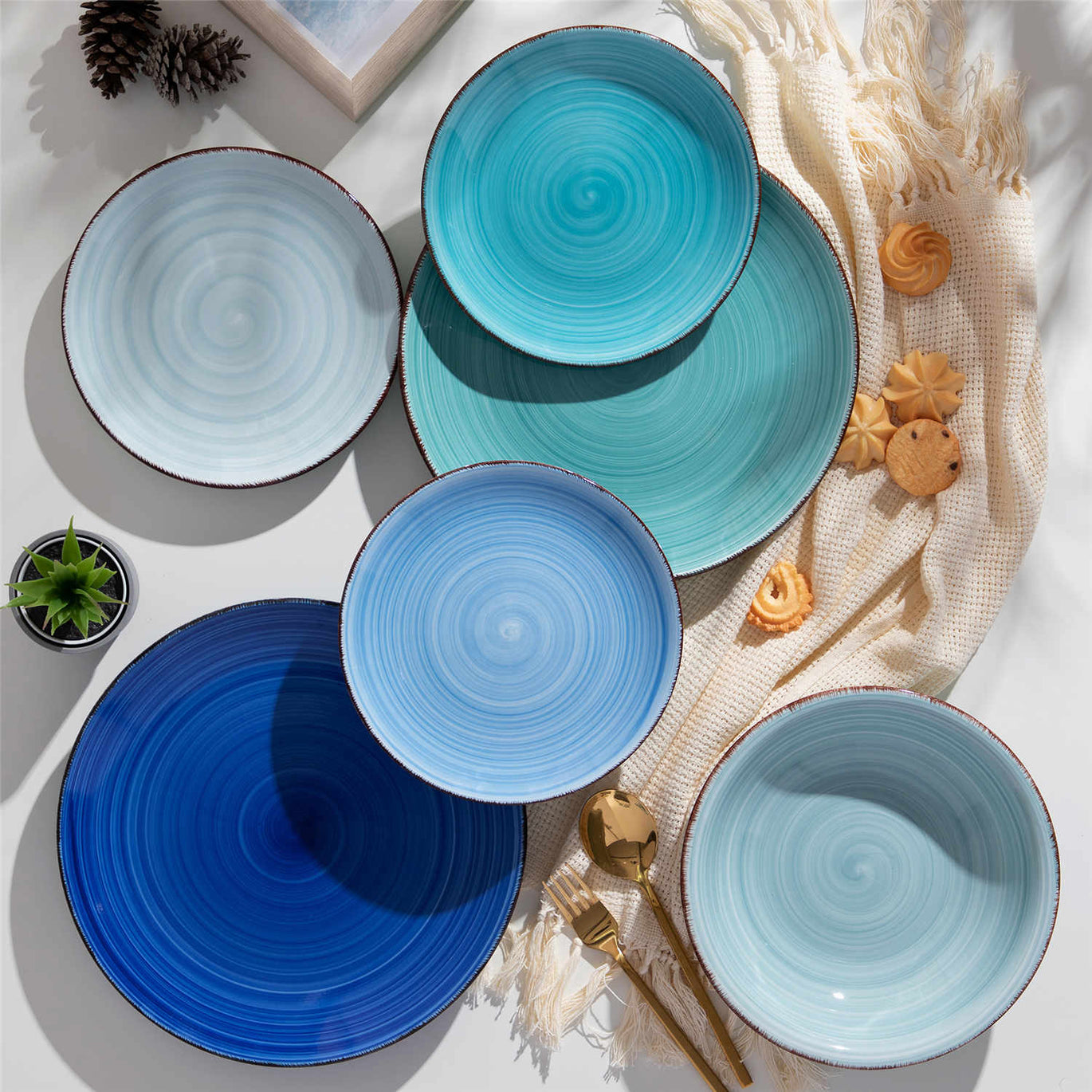
Ceramic dishware is having a moment in the outdoors. As a Colorful Tabletop Creative & Pragmatic Joy Curator, I love the way a porcelain mug can elevate a sunrise coffee and a glazed bowl can make stew feel like an event. But joyful aesthetics have to meet outdoor reality: rules about waste, wildlife, dishwashing, and food safety still apply no matter how handsome your plate is. This guide brings hands-on field practice together with reputable guidance so you can enjoy ceramics at camp without running afoul of regulations or the environment.
What Counts as Ceramic Outdoors
Ceramic tableware typically means earthenware, stoneware, or porcelain fired at high temperatures and finished with a food-safe glaze. Porcelain, fired around 2,300–2,400°F, is denser and often thinner and more chip‑resistant than other ceramics, while stoneware and earthenware skew heavier and more affordable. The glaze makes the surface nonporous and resistant to stains and odors, which is part of why ceramics feel so pleasant to eat from. Reputable makers offer lead‑free, FDA‑compliant glazes, which is the only kind you should take to the campsite when food and heat are involved. Market overviews of dinnerware note that ceramics offer long lifespans and do not shed microplastics, alongside a growing consumer willingness to pay for longevity, which can matter over years of use rather than a single season.
The Regulations Lens: What Rules Actually Touch Your Dishware
Camping regulations rarely say ceramic by name. Instead, they regulate behavior that intersects with any dishware: how you manage waste, how you wash and dispose of dishwater, how you store food and scented items around wildlife, and how you keep perishables safe. That is where ceramic use either fits neatly or needs a rethink.
Waste and Environmental Compliance
Campgrounds and public lands operate under federal and state waste rules that treat operators and visitors as responsible for correct segregation and disposal. Guidance that distills these requirements emphasizes separating trash from recyclables, never putting hazardous waste like batteries or propane canisters into normal bins, and following Leave No Trace pack‑it‑in/pack‑it‑out expectations for all personal waste. Facilities are expected to provide clearly labeled receptacles and keep them from overflowing, while visitors are expected to comply. Enforcement is not theoretical; fines and even criminal penalties can flow from non‑compliance. Ceramic dishware is durable and reusable, which aligns well with these goals when you pack it out as the long‑life gear it is.
Dishwashing and Greywater
Washing dishes is regulated through environmental protection rather than tableware type. Multiple outdoor authorities converge on the same pattern: wash, rinse, sanitize, and dry, always away from water sources to protect waterways. The Boy Scout Handbook guidance summarized by Scouting Magazine advocates a three‑pot method—hot soapy wash, hot rinse, then cold sanitize with a few drops of bleach or a sanitizing tablet—and a dish station at least 200 feet from lakes and streams. Troop Leader Resources echoes the three‑bin sequence and emphasizes air‑drying on a rack or mesh bag. Kitchen guides for camping recommend two‑sink systems as a compact alternative, straining all dishwater and dispersing it broadly 100–200 feet from water, never in a single spot.
Ceramic’s smooth glaze is easy to wash, but it is heavier to carry to that 200‑foot line. Balance the extra effort with the environmental gain of reusables.
Food Storage and Wildlife
Wildlife protection is where specific container rules show up. In many bear habitats, land managers require certified bear‑resistant canisters or use of provided bear boxes. Even where not mandated, seasoned resources recommend storing all scented items—food, trash, sunscreen, toiletries, and cookware—in a canister or locker rather than inside your tent. A distance‑based “camp triangle” is often advised, keeping food storage roughly 200 feet from sleeping and cooking areas to reduce encounters. None of that prohibits ceramics; it simply means that whatever you eat from must be stowed like food, with odors controlled and containers secured.
Food Safety and Water
Warm weather, long days, and sporadic refrigeration elevate the risk of foodborne illness. Practical campground safety resources underline the “danger zone” between 40°F and 140°F where bacteria multiply quickly, the two‑hour unrefrigerated limit at moderate temperatures, and the one‑hour limit during very hot days above 90°F. Cook ground beef to at least 160°F and keep hot foods hot and cold foods cold with adequate insulation and thermometers. The U.S. National Park Service encourages eating perishables first, choosing dry foods that weigh less and pack flatter, and planning meals to simplify cleanup. In the backcountry, always treat water by filtering, disinfecting, or boiling; if boiling, bring it to a rolling boil for one minute before drinking.
A Note on Plastics vs. Reusables
A pediatrician‑led stainless brand highlights a public‑health perspective: the American Academy of Pediatrics has urged families to limit plastic exposure near heat and to choose glass or stainless alternatives, especially for children. Their sustainability argument adds a sobering number—about 8 million tons of plastic entering the oceans annually—while pointing out stainless steel’s recyclability and the durability of metal sets over time. While that is an argument for metal, it also reinforces a pro‑reusable message that ceramic can fit if managed carefully.

Are Ceramics Allowed at My Campsite?
Because rules are written around impacts, not plate materials, ceramics are typically allowed in developed campgrounds and on many public lands. A few practical caveats matter. Some beaches, amphitheaters, and high‑traffic recreation areas specifically ban glass to prevent dangerous shards, and broken ceramic can pose similar hazards if dropped on rock or concrete. In backcountry settings, the overarching priorities are odor control, weight, noise, and breakage risk. Gear testing editors who have handled every type of plate note that household ceramics simply break more easily under camping conditions than dedicated camp materials. If you love ceramics, a single porcelain mug or a small bowl wrapped in a towel may travel better than a full ceramic place setting.
The most reliable way to confirm is to check the park or campground’s official rules for glass and food storage, then treat ceramics with the same care you would glass where breakage risk affects enforcement.
Environmental Concerns Specific to Ceramic Dishware
Ceramics excel at durability and do not contribute microplastic fragments to soil or water during normal use. Market analyses of dinnerware framed them as long‑lived, natural‑material products that many households keep for years. That said, the environmental impact at a campsite hinges on behavior: if a plate shatters, the fragments persist and become a hazard to people and wildlife. The cleaner, lower‑impact choice is to select only the ceramic pieces you truly need, pad them well, keep washing away from water, and pack every shard out should a break happen. Taken together, reusables plus responsible dishwashing and waste handling have a bigger footprint reduction than any single material choice.
Material Choices at a Glance
Ceramics are not your only option. The right pick depends on how you camp, how much you carry, and how rough the conditions are. The comparison below reflects outdoor performance reported by reputable gear guides and buying resources.
Material |
Heat & Use |
Durability |
Weight & Packability |
Safety Notes |
Best Use Cases |
Ceramic (stoneware/porcelain) |
Handles hot food well; not for direct flame |
Can chip or break if dropped; porcelain can be chip‑resistant |
Heavier; bulky to pad |
Choose lead‑free, FDA‑compliant glazes |
Car camping or short walks where aesthetics matter |
Enamel‑coated steel |
Heat tolerant and campfire‑friendly plates and mugs |
Resists scratches; enamel can chip on hard impact |
Moderate weight; stacks flat |
Food‑safe when enamel is intact |
Classic camp kitchens, family cookouts |
Stainless steel |
Safe with hot foods; can be used near heat |
Very durable; resists utensil scratches |
Moderate weight; nests well |
No plasticizers; recyclable |
All‑around reusable sets; kids and groups |
Titanium |
Safe with heat; excellent for backcountry |
Extremely tough; can show surface scratches |
Very light; compact |
Non‑reactive and corrosion‑proof |
Fast‑and‑light trips; harsh conditions |
Melamine/bamboo‑melamine |
Suitable for hot food within limits; not for microwave or oven |
Highly impact‑resistant; resists stains |
Light to moderate; stacks well |
Heat limits around typical dishwashers and hot foods; not microwave‑safe |
Poolside and patio meals; gentle car camping |
Outdoor gear tests praised stainless for scratch resistance with minimal denting and enamel for hiding utensil marks even as it may chip if thrown. Bamboo‑melamine plates that look delicate in fact survive drops and resist sauce stains, though they are not microwave‑safe and have defined temperature limits. Ceramic’s strengths are feel, stability on a table, and heat tolerance with hot food rather than direct flame. All can be good choices if matched to context.
Practical Advice: Using Ceramic Responsibly at Camp
I travel with ceramics sparingly. A porcelain mug wrapped in a bandana has become a small ritual on cool mornings. When I carry a ceramic bowl for a special meal, I keep packing practical: the bowl rides in a soft case between a folded dish towel and a silicone lid, then the entire stack slides into the camp kitchen bin. At camp, I manage dishwashing where the rules care. The dish station lives well away from water, a quick scrape with a spatula keeps the wash pot from getting overwhelmed, and a tiny squeeze of biodegradable soap in warm water goes further than you expect. I keep a few sanitizing tablets handy for the cold‑water finish when cooking for a group.
If a chip ever develops, I retire that piece immediately from camp use and from any hot or acidic foods at home. I treat the camp kitchen like the rest of the campsite: less gear, better gear, used with intention.
Buying Tips for Ceramic Dishware You’ll Actually Use Outdoors
Look for explicit “lead‑free” and “food‑safe glaze” claims from reputable brands. If a set includes both dinnerware and serveware, pull the most versatile piece for the field rather than taking everything. Favor shapes with a slight rim to keep sauces from slipping off a picnic table. Test for cleanability at home by letting tomato sauce sit for a few minutes; a sound glaze should wipe clean without staining. If you know you will be hiking from the car to a lakeside table, weigh your chosen piece and compare to a stainless plate or enamel bowl; a few ounces saved can make the walk safer. For family trips with toddlers, ceramics can wait until little hands are less likely to drop; stainless and enamel are the durable bridge.
Pros and Cons of Bringing Ceramics to Camp
Ceramic plates and bowls make food look and feel great. They are nonporous, odor‑resistant, and stable with hot meals. They have a long usable life, and for many of us they simply increase the joy of eating outside. The trade‑offs are weight, fragility, and packing volume. In environmental terms, ceramics avoid microplastics but demand care to prevent breakage; any fragments must be fully packed out. In practical terms, they shine at drive‑in campgrounds and picnics with short hauls, while backcountry routes still favor stainless, titanium, or high‑performance silicone and nylon systems.
Quick Reference: Rules, Numbers, and Why They Matter
Topic |
Common Guideline |
Why It Matters |
Source |
Dishwashing distance from water |
About 200 ft |
Protects streams and lakes from soap and food residues |
Scouting Magazine; OXO; Troop Leader Resources |
Wash–rinse–sanitize sequence |
Hot soapy wash; hot rinse; cold sanitize |
Reduces illness; keeps wash water effective |
Scouting Magazine; Troop Leader Resources |
Greywater handling |
Strain solids; pack out; disperse broadly 100–200 ft from water |
Prevents wildlife attraction and contamination |
OXO; Troop Leader Resources |
Food “danger zone” |
40–140°F |
Bacteria multiply quickly; manage time and temperature |
Lake James Camping Resort & Marina |
Time at ambient temperatures |
Two hours max; one hour above 90°F |
Reduces foodborne illness risk in warm weather |
Lake James Camping Resort & Marina |
Wildlife food storage |
Bear canisters required or recommended in many parks; keep food away from tent |
Protects wildlife and people; avoids fines |
Backcountry food‑storage advice aligned with park rules |
Perishables strategy |
Eat first; plan one‑pot meals |
Limits cooler dependence; simplifies cleanup |
U.S. National Park Service |
When in doubt, confirm local rules at check‑in or on the park’s official page before you pack.
Evidence‑Based Context You Can Trust
A gear‑testing team put multiple dish materials through drops, scratch tests, and hot‑liquid handling and concluded that stainless resists utensil scratches with minimal denting and enamel hides marks but can chip under impact. Family health guidance summarized by a stainless‑forward pediatric brand cites the American Academy of Pediatrics in recommending glass or stainless over plastics near heat, reminding us that reusables are about more than just litter. The Boy Scout Handbook guidance, summarized by Scouting Magazine and Troop Leader Resources, details how a three‑pot or three‑bin dishwash protects waterways when placed far from water. The U.S. National Park Service contributes a practical frame for meal planning and cold‑chain realities. Finally, campground waste‑management overviews make clear that operators and visitors share responsibility for compliance, including proper recycling and the packing out of food scraps.
Short FAQ
Is ceramic dishware legal to use in national parks and campgrounds?
Most rules target impacts—waste, dishwashing, and wildlife—not ceramic by name, so ceramic plates and mugs are generally allowed in developed campgrounds. Always check the specific park’s rules for glass bans and food‑storage requirements, and treat ceramic with the same care as glass where breakage hazards apply.
Will ceramic contaminate my food or the environment?
Food‑safe, lead‑free glazed ceramics are designed for contact with hot and acidic foods. The environmental concern at camp is not leaching but breakage. Prevent breaks with padding and careful handling, and pack out every fragment if something is damaged.
How should I wash ceramic dishes at camp to comply with guidelines?
Set up a station roughly 200 feet from water. Scrape food into a trash bag first, wash in warm water with a few drops of biodegradable soap, rinse in hot clean water, sanitize in cool water with a few drops of bleach or a sanitizing tablet, then air‑dry. Strain all greywater, pack out solids, and disperse water broadly away from streams and lakes.
Is ceramic a good choice for backpacking?
Ceramic is heavy and fragile relative to stainless, titanium, or silicone‑based collapsibles. It excels in car camping and short carries where the joy it brings outweighs the weight penalty.
How does ceramic compare to enamel and stainless for camp use?
Enamel over steel tolerates heat and hides utensil marks but can chip under hard impact. Stainless is extremely durable and resists scratching, although it can conduct heat to your hands with very hot soups. Ceramic offers a premium eating experience but requires careful packing and handling.
Takeaway
Ceramic dishware can absolutely belong at the campsite when you align it with the rules that actually matter: wash, rinse, sanitize, and dry far from water; strain and disperse greywater; store all scented items securely to protect wildlife; and keep food in the safe temperature zone. Choose lead‑free, food‑safe ceramics from reputable makers, take only the pieces you truly need, and pad them well. For backpacking and rough travel, let stainless, titanium, or enamel carry the load; for car camping and picnics, let that beautiful bowl or mug set the scene. The outdoors rewards both creativity and responsibility, and a thoughtfully packed ceramic plate can deliver both.
References
- https://www.nps.gov/subjects/camping/cooking-in-camp.htm
- https://www.southtexascollege.edu/academics/visual-arts/safety/ceramics.html
- https://troopleader.scouting.org/program-features/camping/information/
- https://blog.scoutingmagazine.org/2017/03/30/how-to-wash-dishes-at-campsite/
- https://gearjunkie.com/camping/camp-cooking-gear
- https://www.joyye.com/info-detail/ceramic-vs-plastic-dinnerware
- https://lakejamescampingresortandmarina.com/camping-food-safety/
- https://www.reusablenation.com/zero-waste-living/leave-no-trace-or-trash-tips-for-zero-waste-camping-trips
- https://ahimsahome.com/blogs/childrens-health-blog/why-you-should-use-metal-dishes-for-camping?srsltid=AfmBOoqN614FvkmEUnT6pUAAS-7SZMvp-jMMszOLvABywVYb04vvFE2C
- https://www.anacondastores.com/buying-guides/camping-hiking-outdoor/camp-tableware-buying-guide?srsltid=AfmBOop8sHzNaicGLZeZ5ewZtpwnYr1-PGSCFT6lRzpYj-6Dl3Oj41Gu
También te puede interesar
Stern Juego de vajilla de 16 piezas
- €87,95
€99,95- €87,95
- Precio unitario
- por
-
Blue
-
Green
-
Red
-
Grey
Simi Juego de vajilla de 24 piezas
- €99,95
€133,95- €99,95
- Precio unitario
- por
Bonita Juego de vajilla de 18 piezas
- Desde €62,95
€77,95- Desde €62,95
- Precio unitario
- por
-
Blue
-
Multicolor
Simi Juego de vajilla de 24 piezas con cuencos de doble cara
- €104,95
€133,95- €104,95
- Precio unitario
- por