



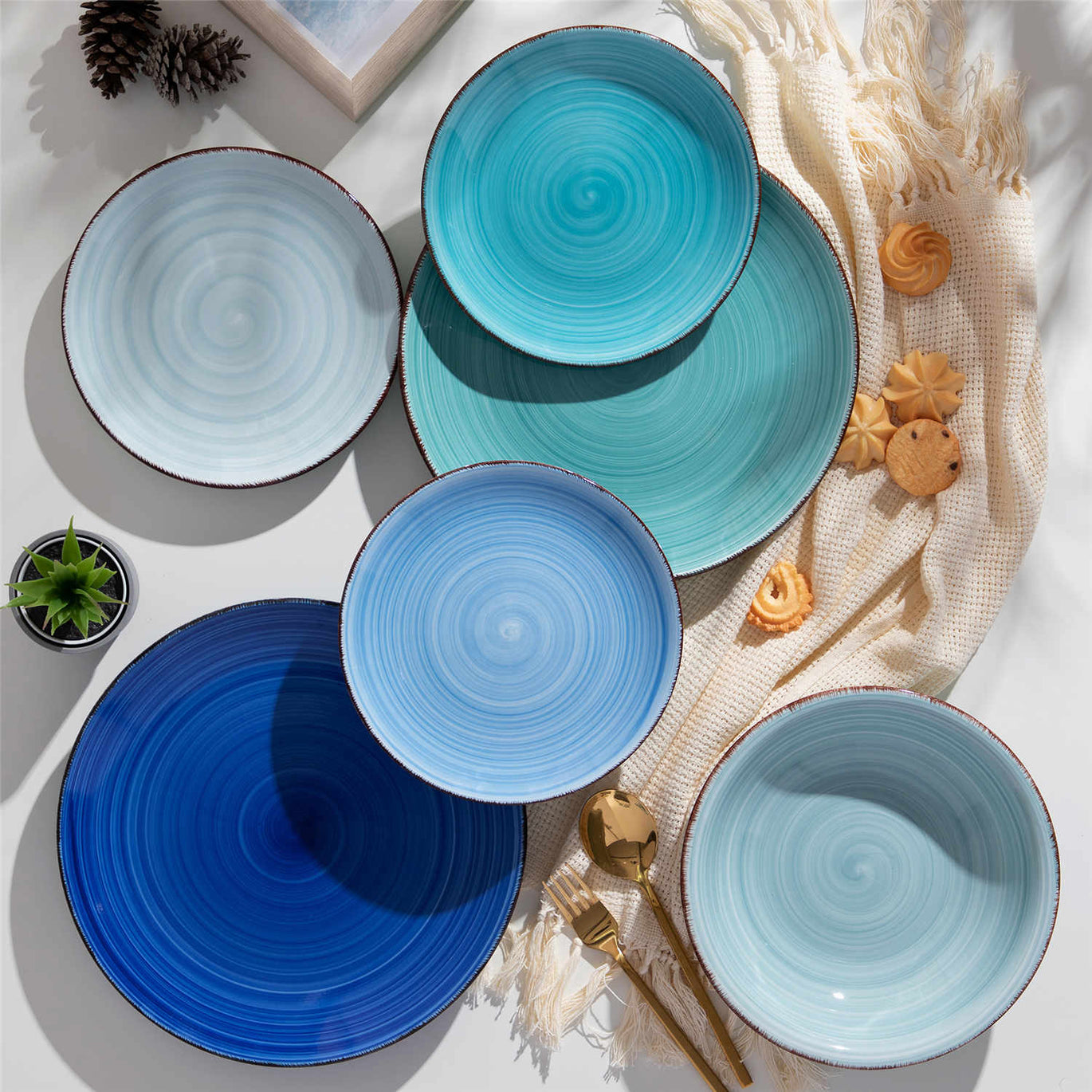


Sharing Ceramic Tableware: The Real-World Challenges—and Joyful Fixes

If we can share bikes and cars, surely we can share plates. As a Colorful Tabletop Creative & Pragmatic Joy Curator, I love the idea of a neighborhood “plate library,” a restaurant consortium pooling gorgeous porcelain, or event organizers swapping sets the way DJs swap vinyl. But ceramic isn’t software; it chips, it’s heavy, it needs to be sparklingly clean, and when it reaches the end of its beautiful life, recycling options are limited. This piece distills what actually stands between us and a thriving sharing economy for ceramic tableware, then maps the practical, playful fixes that make shared plates sing.
I’ll draw on hands-on experience running pop-up plate libraries and outfitting share-ready sets for cafés and caterers, and weave in reputable research: a life cycle case study of tableware production in the Czech Republic (MDPI Sustainability), an industry-wide lens on energy use in ceramics (Wiley), circular-economy guidance for ceramic material streams (PRISM Sustainability Directory), life-cycle comparisons of ceramic versus plastic plates (Tufts Sustainability), and current market dynamics from sources such as Fortune Business Insights and Data Bridge Market Research.
What We Mean by a “Sharing” Tabletop
Sharing covers several flavors. Peer-to-peer is neighbors lending sets for dinner parties. Community libraries stock neutral, mixable sets that members borrow for holidays or backyard weddings. Business-to-business pooling serves restaurants, cafés, and caterers who need durable, stackable, cohesive pieces—often by subscription. Event rentals set up pop-up fleets for weekend galas, with centralized cleaning and returns. Reusable takeout loops circulate bowls and mugs with deposits through cafés and campuses. The thread connecting all of them is access replacing ownership, and a cadence of clean, return, repeat.
Market momentum is on your side. Demand for stylish, durable tableware keeps rising as home dining and hospitality recover and premium aesthetics go mainstream, with significant growth noted by Fortune Business Insights and Data Bridge Market Research. Sustainability is no longer an afterthought; it’s a purchase filter. That’s great for sharing models—but it also raises the bar for durability, safety, and the graceful logistics that make borrowing feel as effortless as clicking “Add to Cart.”

Ceramic Reality Check: Material Truths That Matter
Ceramic tableware is an umbrella category. Earthenware is friendly and earthy but more porous and easier to chip. Stoneware is denser, weighty in hand, and generally more chip-resistant. Porcelain is strong, vitrified, and low-absorption with a refined surface; bone china is strong and luminous, yet often thinner and more premium in cost. For sharing, porosity, chip-resistance, and stackability are not just nice-to-haves; they’re survival traits.
A factory-focused life cycle assessment in MDPI Sustainability observed that fired tableware can require multiple high-temperature cycles with decorative firings and that reject rates above 15% at the factory stage are not unusual in one documented case. That is a reminder of both the energy investment already “embedded” in every plate and the importance of avoiding in-use damage once it’s in your pool. From an energy perspective, a Wiley analysis of the ceramics sector highlights that the overwhelming majority of process energy is thermal, with glaze firing taking the largest share at well over 2,500 °F. These are not reasons to shy away from sharing; they are reasons to respect the material and manage it wisely.
Material Fit for Sharing Programs
Material |
Durability |
Absorption |
Weight |
Typical Cost Tier |
Shareability Notes |
Porcelain |
High |
Very low |
Light–medium |
Mid–high |
Excellent for pools; vitrified, chip-resistant rims, tight stacking tolerances. |
Stoneware |
Medium–high |
Low–medium |
Medium–heavy |
Mid |
Reliable workhorse; choose vitrified bodies and rolled rims for better chip resistance. |
Bone china |
High but thin |
Very low |
Light |
High |
Beautiful and durable but costly to replace; better for premium, lower-churn programs. |
Earthenware |
Low–medium |
Higher |
Medium |
Low–mid |
Charming for casual use; better in P2P/community contexts with gentle handling. |

The Core Challenges When You Try to Share Ceramic at Scale
Hygiene and Health Code Confidence
Borrowed plates need to feel cleaner than “my own.” That’s both a perception and a protocol issue. Commercial dishwashers sanitize with high heat and controlled cycles; home dishwashing can be perfectly fine for P2P sharing when participants follow clear guidance. Tufts Sustainability’s comparison of ceramic and disposable plates emphasizes a simple truth: environmental benefits hinge on achieving many reuses with efficient washing. In practice, this means standard operating procedures for washing, handling, and air-drying, plus a system for pulling anything chipped or crazed out of food-contact rotation immediately.
Breakage, Chipping, and the Cost Curve
Ceramic breaks. A chipped rim not only costs you a replacement; it can undermine trust. Breakage is the most visible margin eater in sharing models. The MDPI Sustainability case shows that fragility starts earlier than the dining room: a non-trivial share of factory output never makes the grade, which is more reason to keep pieces in service longer once they do. Design choices matter. Rolled rims, compact stacks, and a matte or satin glaze with a bit of “tooth” can help in daily handling. Operationally, well-designed packing, staff training, and weight limits on crates protect both the pieces and the people.
Logistics and Emissions
Plates are dense. Totes get heavy fast, and delivery routes multiply miles. Oversized platters, beautiful as they are, multiply cubic volume and the risk of chips. The broader ceramics sector, as synthesized by Wiley, underscores that energy intensity and mass are linked in production and transport. For sharing, keep routes tight, standardize containers, and right-size assortments. On the production side, manufacturers are moving toward heat recovery, digital control, and other measures to lower the footprint of what you buy; those upstream gains strengthen the case for reuse downstream.
Cleaning Infrastructure and Utilities
A centralized wash hub can unlock economies of scale for B2B pools and event rentals. It also ties your capacity to your calendar; when three weddings return on the same Sunday, you need racks, space, and scheduling discipline. Hot water, detergent chemistry, and rack organization decide how pleasant returns feel for members and how spotless pieces gleam for the next guest. Clear acceptance criteria at intake and a simple triage flow keep the magic moving.
Tracking, Loss, and Accountability
In a circulating fleet, things drift. Labels peel, one bowl migrates to a friend’s pantry, and lids elope with containers. The best antidote is gentle accountability: a unique ID on each piece or set, a deposit that feels fair, simple reminders, and an app or portal that treats the return like a high-five, not a scolding. For cafés and campuses, scannable tokens or member IDs shorten lines and data trails.
Contamination and End‑of‑Life
The circular dream gets stuck on the ground reality that municipal recycling programs rarely accept ceramics and that, in many regions, less than one-fifth of ceramic waste is recycled, according to PRISM Sustainability Directory. Glazes and composites complicate material streams. Most often, end-of-life means downcycling into aggregate for construction. PRISM recommends extended producer responsibility (EPR) frameworks, standardized specs for recycled ceramics, and investment in specialized processing to turn this dead end into a loop. Sharing models can participate by setting aside non–food-contact roles for lightly damaged pieces and partnering with processors for true end-of-life.
Standards and Procurement Fit
B2B buyers must satisfy health and safety standards, including heavy‑metal migration limits for food contact. European rules such as the long-standing directive on lead and cadmium migration remain a useful reference point even if you operate in North America, and many U.S. buyers insist on third-party test documentation and lead-free glazes. Your procurement kit should include certificates, test reports, and care instructions that map to real-world use.
Finance and Insurance
Sharing models concentrate replacement risk. You will prepay for pallets of plates and stand ready to replace whatever the world chips. The right balance of deposits, member fees, and business interruption insurance makes the program resilient. Cleaning, storage, and delivery are cost centers to model honestly. The bright news is that durability and premium aesthetics are exactly what customers are happy to pay for, as market overviews from Fortune Business Insights and Data Bridge Market Research continue to show.
Pragmatic Fixes That Actually Work
A sharing program is equal parts thoughtful purchasing, choreographed care, and everyday delight. When those three sync, returns arrive smiling and the next dinner starts shining.
Choose Share‑Ready Ware
Start with vitrified porcelain or high‑fired stoneware with rolled rims, a medium profile, and tight stacking. Low absorption bodies resist staining and simplify sanitation. Avoid fragile sculptural handles for high-churn fleets; reserve them for P2P or premium tiers. Keep palettes timeless—creamy whites, stormy grays, mossy greens—then sprinkle color pops in accent bowls or dessert plates to keep Instagram happy without sacrificing interchangeability.
Build a Care‑and‑Repair Kit
Every program needs a simple triage. Anything with a chip or crack leaves food-contact service immediately and can either shift to a dry‑goods or prop role or exit to a responsible end‑of‑life stream. Food‑contact repair at home is not recommended. Include non-toxic stain remover, gentle scrub pads, and rubber shelf liner for safe staging. Label touchpoints—backs of plates, bins, shelves—so pieces find their way home without friction.
Clean Like a Pro
The clean, dry, and handled‑with‑care trifecta wins trust. Use racks that cradle rims, not faces. Air-dry completely before nesting. Keep return counters organized by set and size to prevent mismatched stacks that stress rims. In P2P contexts, publish one-page instructions that normalize good habits: scrape, soak briefly for sticky sauces, and avoid stacking while wet. Where you operate commercial hubs, calibrate cycles, test detergents on each glaze, and log a daily visual QC.
Pack to Prevent Breakage
Packing is choreography. Use interleaving sheets or corrugated sleeves between plates, corner bumpers for platters, and bins with rigid sides. Keep totes to a back‑friendly weight—under about 40 lb is a practical ceiling for most volunteers and staff—and distribute mass evenly across the bottom layer before building up. Label bins by destination and contents, then stage them by route order to reduce lift-and-shuffle chaos.
Track and Nudge
Label every set or piece with a washable mark or a durable code. Keep the member experience breezy by making returns quicker than checkout, and replace shaming with celebration. A gentle nudge the day before a return date works wonders. For B2B, route scorecards—late returns, damages, missing pieces—drive process improvements rather than blame.
Pilot with Partners
Run a three-month pilot with a café cluster or a neighborhood association. Start with a lean assortment that covers most meals, then add specialty pieces once you know what really moves. Invite a florist, a bakery, or a local photographer to co-create vignette kits; that’s how borrowed plates turn into community stories.
Have an End‑of‑Life Plan from Day One
Decide in advance where pieces go next: donation to prop libraries, mosaic artists for creative reuse, or downcycling partners for aggregate. PRISM’s circular-economy guidance recommends action at multiple levels: design for durability, improve sorting and contamination control, and explore industrial symbiosis where scrap becomes an input for cement or other materials. If you are a manufacturer or brand, EPR pilots—take‑back, pooled processing funds, and clear targets—turn goodwill into infrastructure.

The Math Behind Shared Plates
The economics of sharing hinge on three levers: how many turns each piece achieves before retirement, how efficiently you wash and move it, and how you price the experience relative to replacement risk. Life-cycle comparisons from Tufts Sustainability echo this: ceramics win decisively over disposables when reuse counts climb and washing is energy-smart. In human terms, that means you want friendly onboarding that gets members to use and return regularly, a hub that keeps energy and water use in check, and a replacement policy that feels fair without being punitive. Your margin isn’t just dollars; it’s the small thrills of glazes catching morning light, the story of a plate that’s been at a dozen birthdays, and the community touchpoints that keep your program anchored.

Buying Guide for Share‑Program Operators and Community Hosts
Buying is where many programs win or lose before day one. For B2B pools, ask for lab documentation of lead-free glazes and food-contact compliance and request samples to test in your actual dishwasher with your detergent. Favor medium sizes that nest safely and avoid extra‑wide rims that look pretty but stress easily in stacks. Choose foot rings that are smooth enough not to scratch but defined enough to grip on a rack. Review vendor packaging and ask for protective reusables rather than single-use foam. Invoices should include spare-count options so you can keep a quiet buffer without halting service.
For community libraries and P2P hosts, buy a “spine” of mixable dinner plates and bowls, then add playful dessert shapes or accent glazes that delight without complicating counts. Publish clear care instructions and a single contact channel for problems. Reassure borrowers that reporting a chip is helpful, not shameful; you want your pieces to be beloved, not babied.
Share‑Ready Spec Snapshot
Attribute |
What to Look For |
Why It Matters |
Body |
Vitrified porcelain or high‑fired stoneware |
Low absorption resists stains and eases sanitation. |
Rim |
Rolled or reinforced rim |
Better chip resistance in everyday stacking. |
Shape |
Moderate diameter, stackable profile |
Reduces stress and keeps totes compact. |
Glaze |
Satin or semi‑matte, lead‑free |
Hides micro-scratches, maintains a premium look. |
Foot ring |
Smooth but defined |
Prevents scratching while improving grip in racks. |
Documentation |
Food-contact compliance test results |
Speeds procurement and health department approvals. |

Care Guide for Borrowers
Shared plates sparkle when everyone plays their part. Encourage borrowers to rinse or scrape promptly, allow pieces to cool before washing to avoid thermal shock, and avoid abrasive cleaners that dull glaze. If a piece chips, set it aside and tell the host; there is no fee for honesty. Nest only when dry, and transport in the provided sleeves or bins rather than loose in a trunk. Events often involve fast turnarounds; returning on time keeps the next celebration on track.

Pros and Cons, Plainly
Aspect |
Why It’s Great |
Why It’s Hard |
Environmental impact |
Reuse beats single-use as turns climb; upstream energy “pays back” over many meals, as underscored by Tufts Sustainability and MDPI Sustainability. |
Washing and transport add impacts; careless handling shortens service life. |
Aesthetics and joy |
Beautiful ceramics elevate home dinners and hospitality experiences; social-ready table settings drive satisfaction and demand. |
Premium glazes and forms can be fragile or costly to replace. |
Community and access |
Borrowing lowers cost barriers and builds social ties; shared sets help households host more often. |
Coordination, scheduling, and storage require active management. |
Business performance |
Subscriptions and B2B pooling create recurring revenue with strong retention when service is excellent. |
Breakage, loss, and insurance must be priced and controlled thoughtfully. |

Policy and Ecosystem Levers That Help
Ceramics need system-level upgrades to loop well. PRISM Sustainability Directory proposes practical levers: extended producer responsibility so brands co-fund end‑of‑life solutions, standardized specs for recycled ceramic content, landfill pricing that reflects environmental costs, and investment in sorting and processing infrastructure. On the production side, insights gathered by Wiley point to cogeneration, heat recovery, and digital kiln control to reduce energy intensity, while “just‑enough quality” thinking in ceramics can avoid over‑engineering where it isn’t needed. Market overviews from Fortune Business Insights and Data Bridge Market Research suggest consumer demand is ready for durability, sustainability, and style—giving producers incentives to design specifically for sharing and take‑back.
Mini‑FAQ
What about sanitation between users? Commercial dishwashers provide high-heat sanitization with controlled cycles; for community contexts, publish easy steps for thorough washing, complete drying, and visual checks. If in doubt, rewash at the hub. Confidence is the product.
Is repairing chips safe for food contact? No at‑home repair should return a chipped piece to food contact. Shift it to a prop or dry‑goods role or route it to end‑of‑life. Manufacturers can refire professionally in some cases, but this is not a standard consumer fix.
Can ceramic be recycled? Conventional household recycling streams do not accept ceramics in most regions. Downcycling into aggregate is common. PRISM recommends building specialized collection and processing, and EPR programs can catalyze that change.
How do I keep losses low? Use unique IDs or scannable codes on sets, make returns fast and friendly, and offer a deposit that is meaningful but not punitive. Gentle reminders and good packaging reduce both loss and damage.
A Colorful Closing
Sharing ceramic tableware isn’t just feasible—it’s fabulous when you design for real kitchens, real routes, and real people. Choose vitrified bodies with rolled rims, clean with style and discipline, pack like a pro, and celebrate every return. The more we circulate beauty, the more dinners glow and the less we throw. I’ll happily bring the sage‑green dessert plates; you bring the joy.
References
- https://discovery.ucl.ac.uk/10129054/3/Guan_Revised%20manuscript.pdf
- https://sustainability.tufts.edu/wp-content/uploads/LifeCycleAnalysisPlasticPlatevsCeramic.pdf
- https://www.diva-portal.org/smash/get/diva2:1627523/FULLTEXT01.pdf
- https://www.e3s-conferences.org/articles/e3sconf/pdf/2024/126/e3sconf_iccmes2024_01045.pdf
- https://www.fortunebusinessinsights.com/ceramic-tableware-market-113079
- https://www.databridgemarketresearch.com/reports/global-ceramic-tableware-market?srsltid=AfmBOophkn9CAr593lPj631KW5iEdCtwRDuoaCyyTKuKUD2t4BOeUJqA
- https://www.futuremarketinsights.com/reports/ceramic-and-porcelain-tableware-market
- https://www.gminsights.com/industry-analysis/ceramic-tableware-market
- https://www.grandviewresearch.com/industry-analysis/tableware-market
- https://www.htfmarketinsights.com/report/4364194-ceramic-tableware-market
También te puede interesar
Stern Juego de vajilla de 16 piezas
- €87,95
€99,95- €87,95
- Precio unitario
- por
-
Blue
-
Green
-
Red
-
Grey
Simi Juego de vajilla de 24 piezas
- €99,95
€133,95- €99,95
- Precio unitario
- por
Bonita Juego de vajilla de 18 piezas
- Desde €62,95
€77,95- Desde €62,95
- Precio unitario
- por
-
Blue
-
Multicolor
Simi Juego de vajilla de 24 piezas con cuencos de doble cara
- €104,95
€133,95- €104,95
- Precio unitario
- por