



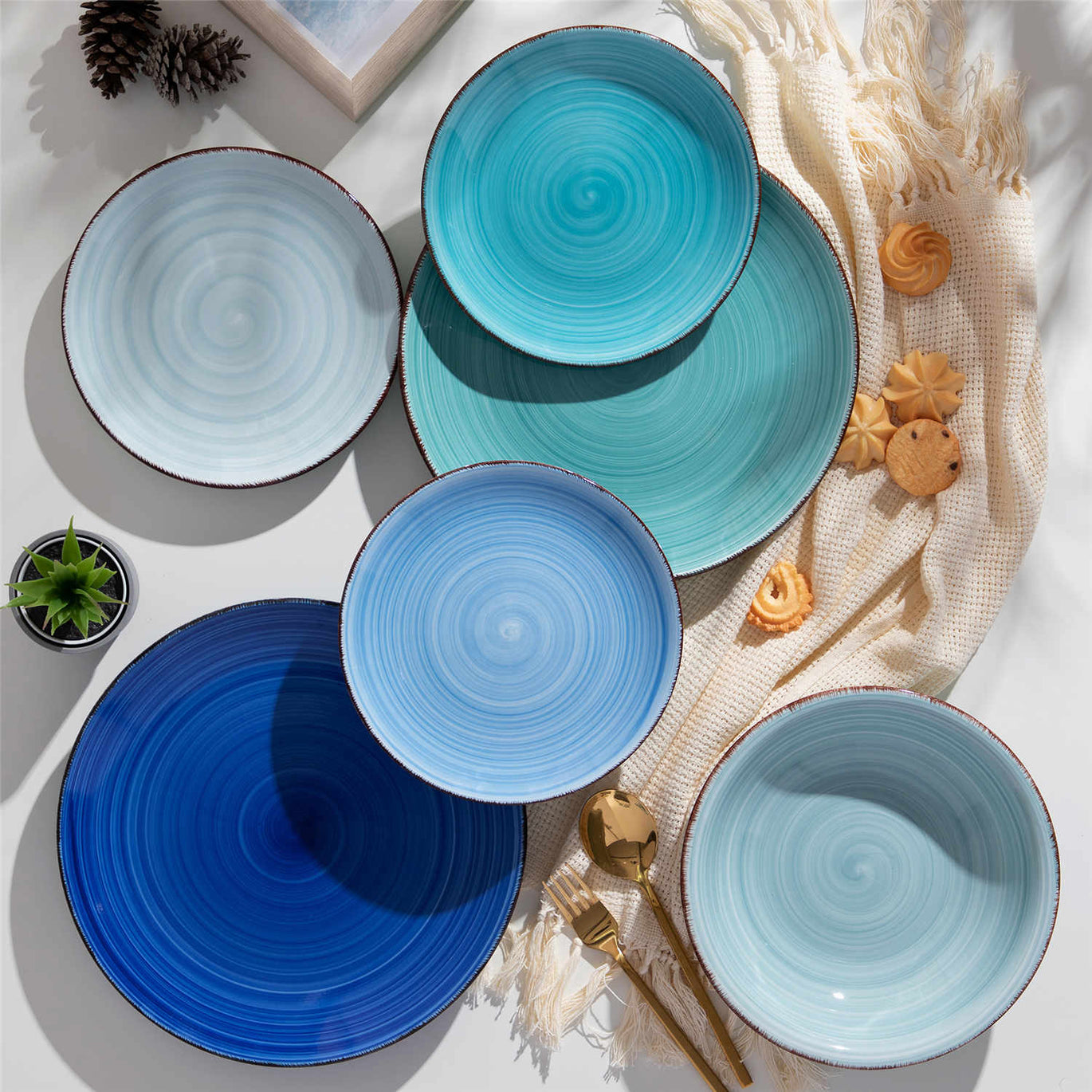


Valuation Systems for Ceramic Tableware in Exchange Communities

If you have ever swapped a saucy stoneware bowl for a petite porcelain coupe at a local buy–sell–trade, you already know that value in exchange communities is a delicious blend of function, story, condition, and chemistry. I spend many weekends at community exchanges, maker markets, and registry swaps, and I’ve learned that a vibrant valuation system turns guesswork into joyful, informed bargaining. This guide gathers first-hand field habits with reputable knowledge on materials, safety, performance, and style so you can price, trade, and care for ceramic tableware with confidence and a smile.
What “Value” Really Means When We Trade Plates
In exchange communities, price tags are only the finale. Value, in practice, is the harmony of four pillars: what it is, how it has lived, what it can safely do next, and how well it completes a story. What it is refers to material and craftsmanship: earthenware, stoneware, porcelain, and bone china each bring distinctive strengths and trade expectations, and those baselines shape the ceiling of price and desirability. How it has lived is condition: clean glaze, crisp rims, and minimal metal marking signal longer life ahead and win stronger offers. What it can safely do next includes microwave and dishwasher behavior, heavy-metal migration compliance, and thermal resilience; real reports or documented labels boost trust and value. How well it completes a story covers set composition, sizes matching what cooks and hosts need, and trend fit that flatters food and rooms right now. When we assess with all four in mind, we move beyond vibes and arrive at fair, repeatable valuations that keep communities healthy and joyful.

Material Matters: A Practical Hierarchy You Can Trust
Trade value in hand-to-hand markets frequently starts with material recognition, because material hints at durability, porosity, and daily usability. Industry and etiquette sources align: earthenware is rustic and more porous, stoneware is the everyday workhorse, porcelain is fine-grained and refined, and bone china adds that delicate, luminous strength. Etiquette Scholar explains how form factors and trims affect use and maintenance, while brand and retailer guides such as Vancasso describe the way glaze finish, wall thickness, and a clear ring on tap signal quality. These fundamentals have direct pricing power when you are buying, selling, or swapping.
Material |
Feel and look |
Durability and porosity |
Everyday practicality |
Exchange-community value note |
Earthenware |
Rustic, thicker, often vibrant glazes |
Higher porosity, more chip-prone if under-glazed |
Casual charm; needs mindful care and gentle washing |
Valued for aesthetics and color; condition swings price more dramatically |
Stoneware |
Substantial, earthy to satin finishes |
Dense, tough, stain resistant |
Typically microwave and dishwasher friendly; great for daily meals |
Strong baseline value for sets and singles; chip resistance is a selling point |
Porcelain |
Smooth, refined, often translucent in thin sections |
Low porosity, high chip and scratch resistance despite thinness |
Moves from everyday to formal with ease; stacks neatly |
Commands higher prices per piece; premium if condition is excellent |
Bone china |
Light, luminous, fine profile |
Strong yet delicate-looking; premium materials |
Best for formal or elevated hosting; gentle care recommended |
Highest ceiling when sets are complete and condition is pristine |
These distinctions are echoed by industry overviews and maker guidance that position stoneware as the sturdy everyday choice and porcelain and bone china as premium options for refined dining. In practice, the right material can raise value even when patterns are subdued, simply because it promises dependable performance in a busy kitchen.

Condition and Performance: Where Value Rises or Falls
Condition is where an otherwise lovely plate wins or loses the room. The biggest stealth value-sapper is metal marking: gray lines or smudges left by cutlery that can either sit on the glaze or be the visible signal of deeper micro-scratches. Research published via the National Institutes of Health explains that “metal marking” encompasses both transferred metal and irreversible glaze damage, and that glaze roughness, crystalline phases like exposed zircon, and prior abrasion from stacking or harsh detergents all increase susceptibility. In real swaps, I angle plates under daylight or a phone flashlight and look across the surface at a low angle; marks pop instantly, and that quick reveal is the difference between full price and a friendly discount.
Glaze quality itself is a second performance anchor. Even, bubble-free glaze that feels silky on rims shows controlled firing; dull patches, pinholes, or glaze runs suggest shortcuts. Hands-on signals that buyers trust include the ring test—a clear, resonant tone on a gentle tap often indicates a dense, well-fired body—as well as flat stance, centered bases that do not wobble, and rims that feel finished rather than sharp. These checks are recommended in craft and retail guides, and they are easy to demonstrate during a swap, which boosts both buyer confidence and closing speed.
A practical way many communities keep pricing fair is to describe condition using familiar, detailed language. Mint, meaning likely unused with flawless glaze and rims, deserves a premium. Excellent indicates minor shelf wear on the foot ring with no chips or crazing. Good means visible but honest utensil traces and perhaps one or two faint marks that do not affect function. Fair is the playground for charming pieces with noticeable scratches or small chips; they are priced for casual use or styling. Project captures decor-only items or those with cracks and stains that compromise kitchen use. If you narrate these distinctions in your listing text or at the table, you make the value transparent and the trade friendly.
Grade |
Visual cues |
Functional status |
Typical value effect |
Mint |
No visible wear, glossy glaze, crisp foot |
Full food-contact use |
Highest price for singles and sets |
Excellent |
Micro wear on foot, no chips or crazing |
Full use; display-ready |
Near-peak value; minimal discount |
Good |
Light utensil marks, a faint scuff or two |
Full use; patina acceptable |
Moderated price; attractive to daily users |
Fair |
Noticeable scratches, a tiny chip or matte patch |
Useable with caveats; avoid for formal |
Lower price; good for busy households or props |
Project |
Crazing, cracks, stains, or repairs |
Decor-only or upcycling |
Deep discount; best when bundled |
Metal marking complicates categorization because some deposits can be lifted with a gentle polish, while true glaze damage cannot. The NIH-backed analysis makes that distinction clear and reminds us that cutlery type and washing chemistry also shape future wear. For valuation, demonstrate cleaning outcomes honestly before pricing at “Excellent,” and be willing to soften the ask if permanent micro-scratching remains.

Safety and Compliance Checkpoints That Affect Value
A piece’s ability to play nicely with microwaves and dishwashers—and to keep its glaze chemistry inside the glaze—has real valuation gravity. Safety guidance and manufacturer testing regimes converge on three themes buyers care about: heavy-metal migration, thermal behavior, and decoration placement. Industry references that summarize FDA and European LFGB frameworks highlight the need to keep lead and cadmium migration below strict thresholds and to maintain records and repeatable testing. Reports also note that a surprising share of tableware samples fail market checks in a given year, underscoring how much due diligence matters for resellers and hosts alike.
You will regularly see claim types ranging from “lead free” to “microwave safe” to “for decorative use only.” They do not all mean the same thing, and their differences change value. Decorative gold or platinum trim, for example, is not microwave safe and often prefers handwashing, a note reinforced by etiquette and buying guides. High-temperature underglaze decoration that is fired into the glaze at roughly above 2,190°F proves far more durable in daily use than low-temperature overglaze decals that sit on the surface. When sellers can show test reports, brand documentation, or stamped markings that align with recognized safety standards, buyers pay more readily and return more often.
Claim wording |
What it usually means |
Impact on value |
Tested to FDA or LFGB guidelines |
Heavy-metal migration tested to recognized thresholds for food contact |
Highest trust; supports top-of-market pricing |
Lead free and food safe, maker documented |
No intentionally added lead; basic safe-use affirmed; documentation available |
Strong trust; everyday premium achieved |
Microwave and dishwasher safe, no metallic trim |
Functional convenience for daily use |
Boosts desirability and speeds sale |
Handwash only or decorative use only |
Either delicate finishes or glazes not intended for repeated exposure |
Value depends on pattern rarity; utility discount likely |
Unknown or no markings |
No verified safety or functional guidance |
Cautious buyers negotiate down or pass |
One more safety tip that matters in valuation: condition intersects with hygiene. Industry testing notes that micro-pores and cracks can harbor bacteria, and guidance recommends discontinuing cracked pieces for food use. That does not make the piece worthless; it simply moves it to decor, with pricing adjusted accordingly.

Form, Function, and Set Composition
Size and shape are not just aesthetic—they determine utility, and utility drives desire. Everyday dinner plates traditionally sit around 10 inches, with 11–12 inches common for generous entrées and to keep a charger peeking out during dressed tables. Salad plates that land between about 6.5 and 9 inches avoid looking oversized on a dinner plate and cover breakfast to dessert nicely. These measurements are practical standards echoed by brand guides that build collections for real households. Round plates layer easily and resist chipping along curved rims, while square shapes introduce crisp, modern geometry and negative space that thrills food stylists. Bowl shape influences cleaning ease and perceived portion; the time-tested round bowl distributes food evenly and usually cleans faster than angular silhouettes. Even mugs add a twist to value: research notes that tall, narrow forms hold aroma and heat better for the slow-sipper, while wide mugs can cue a sweeter flavor experience. When you are swapping, it’s smart to call out these specifics in your description because they match real daily patterns and reduce post-swap regret.
Sets and completeness have their own exchange arithmetic. A four-piece place setting attracts first-apartment and registry shoppers with a clear, low-friction entry point. A 12-piece set that equals service for four remains an instant weeknight table. Open-stock sets of four bowls or salad plates are catnip for collectors who love to mix patterns across a theme. Etiquette Scholar and brand catalogs also remind us that package bundles can climb to 45-piece and beyond when serveware joins the party, but those large bundles are harder to carry into community swaps, so they frequently get parted out. Price higher when your set covers a core need in one carry, and always note whether bowls are soup-depth or shallower cereal shapes because capacity is frequently the tiebreaker between similar patterns.
Set type |
Typical pieces |
Who loves it in swaps |
Value drivers |
Four-piece place setting |
Dinner plate, salad plate, bowl, mug |
First-time buyers, registries, small households |
Plug-and-play utility; matching pattern premium |
Twelve-piece core set |
Four dinner plates, four salad plates, four bowls |
Families or meal-prep fans |
“One carry, four seats” convenience |
Sets of four by item |
Four bowls, or four salad plates, etc. |
Mix-and-match stylists and replenishment buyers |
Pattern flexibility; fills gaps in existing collections |
Trends and Aesthetics: When Color and Finish Move Prices
Color confidence is having a moment. Brand and retailer insights point to waves of deep indigo and forest green that create dramatic, photo-forward tables; black dinnerware has also surged thanks to its high-contrast plating magic and modern edge. Finish matters in the mix: matte brings warmth and casual cool; high gloss telegraphs polish; reactive glazes promise one-of-a-kind surfaces with the caveat that they can vary from piece to piece. In exchange communities, these trends translate to quick-turn pieces that photograph beautifully for listing thumbnails. That visibility boosts interest and can nudge prices higher than a comparable white plate, provided the condition is just as strong. If you prefer to hedge trend risk, rely on a timeless white or wood-accented base and rotate in color-forward salad plates and bowls; this strategy protects value by keeping the flexible foundation in place.
A Practical Valuation Framework You Can Use Today
As you build your own joyful valuation habit, start with identification you can demonstrate. Name the material and the maker when available, and if it is stoneware or porcelain, explain why—from density and ring test to weight and surface feel—so your buyer understands the function behind the label. Second, narrate condition with specificity while you hold the piece under angled light; show the absence of chips, pinpoint the location of one small utensil line if present, and be candid about any matte patches that will not polish away. Third, address safety and function by naming the decoration style and any trims; explicitly say “no metal trim, microwave and dishwasher friendly” when true, and do not overpromise when information is incomplete. If you have a test report or a brand spec sheet from the maker, keep a scan or photo handy; buyers treat verified safety like a warranty. Fourth, speak to set completeness and capacity. If you are listing four bowls, state the volume they comfortably hold in fluid ounces; this connects to meal patterns and raises the likelihood of a confident sale. Finally, place the piece in the present, not just the past; if your rich green coupe plate makes roasted carrots look like jewel candy on a Tuesday, say so and show a picture. Real scenarios are persuasive in communities that prize both utility and joy.
Criterion |
What to check in seconds |
Value direction when strong |
Material and maker |
Body density, ring test, wall thickness, brand mark |
Up, by setting buyer expectations and quality baseline |
Glaze and surface |
Pinholes, bubbles, evenness, rim finish, foot ring wear |
Up, when glaze is even and foot wear is minimal |
Metal marking behavior |
Faint lines vs etched scratches; quick gentle clean trial |
Up, if marks are removable and micro-scratching is absent |
Safety/function claims |
Trim type, underglaze vs overglaze, heat-use labels |
Up, for documented microwave/dishwasher suitability |
Set completeness and size |
Piece count, diameter in inches, bowl capacity in fl oz |
Up, when a set neatly fills a common table need |
Trend fit and styling |
Color/finish that photographs well; cuisine pairing |
Up, when the piece makes food pop for listings and hosting |
Care and Restoration That Protect Resale Value
Value is not only what you get when you buy or swap; it is what you can keep. Everyday care is the most reliable way to preserve glaze luster and rim integrity. Safety and maker guides recommend gentle detergents and soft sponges over steel wool and to avoid sudden temperature swings that shock the ceramic body. When I rescue a thrifted stack with gray utensil lines, I first try a mild, non-abrasive cleaner and water, working with a soft cloth in slow circles; many visible deposits lift without disturbing the glaze. For deeper stains, a baking-soda paste often helps. If a low-temperature overglaze decal sits on the surface, baby it, and favor handwashing. Stack with felt or soft separators to keep foot rings from scuffing the plate beneath; those foot rings are notorious for seeding the tiny scratches that later become metal-mark magnets.
If you suspect questionable glaze chemistry or see vintage metallic trims, skip the microwave. Etiquette sources remind us that precious-metal rims are a handwash and display-forward category. If you have any crack that reaches the food surface, retire the piece to styling duty. Industry guidance notes that micro-pores and cracks can harbor bacteria, so moving compromised pieces out of food service protects both dinner and value.
Buying, Trading, and Negotiation in Exchange Communities
In online exchanges, ask for daylight photos at an angle that reveal the surface and the foot ring, plus a straight-on shot to confirm plate flatness. Request the diameter in inches and the bowl capacity in fluid ounces so you can measure fit for cabinets and dish racks. In person, lift one piece from the stack to check rim alignment and stance and to perform a gentle tap test. When a seller claims “microwave safe,” confirm there is no metallic trim and, if possible, a maker note or mark; buyers reward these clarifications with faster payment and fewer returns. If you are weighing a colorful set with unknown compliance, negotiate with the expectation of handwash-only care and no microwave. When conditions are excellent and a set solves a daily need—a family of four picking up a twelve-piece service, for example—many communities comfortably agree to a small premium because the value is immediate and complete.
If you love secondhand and vintage, remember that older earthenware may not have today’s glaze standards and can be more porous; keep these beauties for dry foods and gentle use and price accordingly. Newer stoneware and pressed porcelain often deliver the best balance of durability and style for busy households, a match emphasized by quality-focused buying guides and etiquette resources. Finally, if you are a seller, offer a sentence or two about how the shape or color elevates a specific dish—a golden roast chicken on matte black, a leafy salad on bright white with a narrow rim, a berry dessert in a wide, shallow bowl—because these hosting pictures hold real trade value.
Quick Comparisons You Can Use at the Table
Shape or feature |
Everyday behavior that affects price |
Round rim plates with a well |
Layer cleanly, help prevent chips, and keep sauces in place; broadly appealing |
Coupe plates without a rim |
Present beautifully for modern plating; check diameter for storage and charger pairing |
Tall, narrow mugs |
Hold heat and aroma longer; a favorite for slow coffee and tea sessions |
Matte finishes |
Hide fingerprints and lean casual; may show metal marks more if glaze is softer |
Glossy finishes |
Look formal and wipe clean easily; reveal scratches if the glaze is under-fired |
A Note on the Bigger Market and Why It Matters Locally
Macro tableware reports map plenty of demand for elevated ceramics, and luxury dinnerware continues to grow from a multibillion-dollar base, with steady gains forecast through the next decade. That backdrop supports robust exchange communities: when more people invest in quality ceramics, more beautiful, durable pieces circulate as households change, move, or refine their styles. For safety and governance, summaries of FDA and European protocols remind us that standards and record-keeping still matter, and a nontrivial share of items tested each year do not pass migration thresholds. Bringing that awareness to your swap table raises the bar for everyone and helps keep your community’s reputation sparkling.
Short FAQ
Are gray utensil lines safe and removable or permanent and risky? Research distinguishes removable metal deposits from true micro-scratches in the glaze. If a gentle, non-abrasive clean lifts the marks, the glaze likely remains intact. If scratches remain etched and trap new metal quickly, value drops because cleaning becomes harder and the surface roughness has increased.
Is black dinnerware worth more? Black plates are trending because they make food colors pop, and they photograph beautifully. If condition is excellent and the glaze is even, the market often rewards them with faster sales, and sometimes with a modest premium, especially in coupe shapes or reactive finishes.
Can I microwave plates with metallic trim? No. Etiquette and brand guidance agree that gold, silver, or platinum rims are not microwave safe. They also prefer handwashing. When traded, they hold value for elegance rather than everyday convenience.
Closing
Trade should feel like a celebration, not a gamble. When you honor material truth, surface reality, safe function, and set completeness—and when you sprinkle in a little color-forward joy—you create fair prices and happy homes. That is the colorful, pragmatic art of valuation in exchange communities, and I’m cheering for your next gorgeous swap.
References
- https://pmc.ncbi.nlm.nih.gov/articles/PMC8999791/
- https://www.ceramicindustry.com/ceramic-materials-properties-charts
- https://insights.made-in-china.com/Ceramic-Tableware-A-Comprehensive-Guide-to-Understanding-Sourcing-and-Meeting-Consumer-Needs_maTGDbdHOnlF.html
- https://smart.dhgate.com/expert-tips-for-identifying-high-quality-ceramic-dinnerware-that-lasts/
- https://ggsceramic.com/news-item/top-15-ceramic-plate-materials-the-essential-selection-guide
- https://hosen28.com/manufacturer-checklist/
- https://www.joyye.com/info-detail/choose-the-right-ceramic-plates-for-your-product-line
- https://jqyceramics.com/the-ultimate-guide-to-choosing-and-caring-for-luxury-ceramic-dinnerware-sets/
- https://www.linkceramics.com/ceramic-tableware-safety-guide/
- https://luxurybonechina.com/2-factors-of-quality-of-ceramic-tableware/
También te puede interesar
Stern Juego de vajilla de 16 piezas
- €87,95
€99,95- €87,95
- Precio unitario
- por
-
Blue
-
Green
-
Red
-
Grey
Simi Juego de vajilla de 24 piezas
- €99,95
€133,95- €99,95
- Precio unitario
- por
Bonita Juego de vajilla de 18 piezas
- Desde €62,95
€77,95- Desde €62,95
- Precio unitario
- por
-
Blue
-
Multicolor
Simi Juego de vajilla de 24 piezas con cuencos de doble cara
- €104,95
€133,95- €104,95
- Precio unitario
- por