



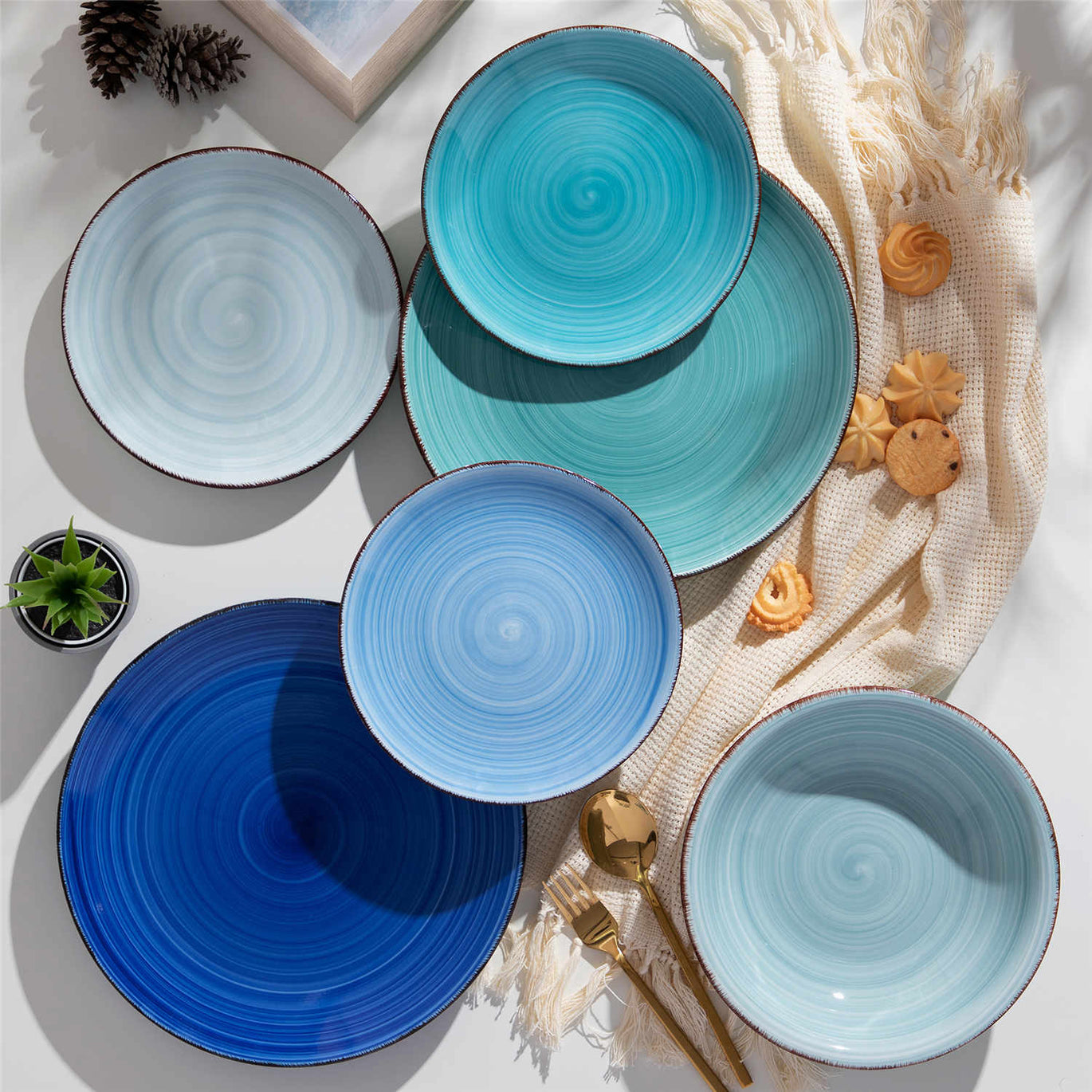


Why Cruise Buffets Skip Fine China (And Still Feel Fabulous)

Cruise buffets are legendary: mountains of brunch, midnight chocolate extravaganzas, carving stations, noodle bars, and soft‑serve on repeat. As a Colorful Tabletop Creative & Pragmatic Joy Curator, I love watching guests light up when they walk into that kaleidoscope of food and plates.
But if you look closely, you will notice something missing from almost every buffet line at sea: delicate fine china. Instead, you see sturdy dinnerware that feels more casual, more stackable, more “let’s go back for one more plate of curry.”
This is not an accident, and it is not just about cost cutting. It is about hygiene, safety, sustainability, and the logistics of feeding what is essentially a floating city.
Let’s set the table and unpack why cruise buffets avoid fine china, and how to enjoy gorgeous, joyful dining at sea even when the plates are built for real‑world duty rather than ballroom glamour.
The Fantasy Of Fine China Meets The Reality Of A Floating Buffet
Buffets are central to the modern cruise experience. Cruise writers have called ships “floating buffets,” and almost all major ships offer at least one complimentary buffet where you can wander in flip‑flops and build a plate that looks like Thanksgiving, Taco Tuesday, and Sunday brunch all at once.
At the same time, dining is a core strategic engine for hospitality. Research from EHL Hospitality Insights describes food and beverage as a key revenue driver and brand builder for hotels, resorts, and cruise ships, not just a side amenity. Onboard, that translates into a wide spectrum of venues: main dining rooms with plated service, specialty restaurants, casual grills, and buffets.
Guests often assume that if the main dining room can serve multi‑course dinners with restaurant‑style presentation, the buffet could easily use the same fine china. In tabletop fantasy land, that means porcelain platters, delicate saucers, and whisper‑thin cups all marching up to the heat lamps.
But reality on a ship is different. The same sources that celebrate the abundance of cruise buffets also highlight strict sanitation rules, intense food‑waste challenges, and the sheer scale of provisioning. When you blend those pressures with movement at sea and thousands of hungry guests, fragile dinnerware quickly becomes more headache than highlight.

What “Fine China” Really Means Onboard
When people say “fine china,” they usually mean high‑fired porcelain or bone china that is thinner, more delicate, and often more expensive than everyday stoneware. It feels elegant and looks fantastic in a white‑tablecloth setting, especially under soft lighting with carefully plated courses.
In a buffet, though, those same qualities create friction. Fine china tends to be:
Delicate enough that a single bad bump in a crowded line can chip it.
Less forgiving when stacked in huge, fast‑moving towers near service stations.
More likely to create sharp fragments if it breaks near barefoot kids and pool‑deck sandals.
Cruise lines have to decide where that risk and effort make sense. In more controlled venues with seated service, they can pace the meal, clear dishes one course at a time, and protect the tableware. The buffet is the opposite: self‑service, crowds, and constant motion. That is where more durable plates shine.

Hygiene And Food Safety: Why Buffets Lean Toward Tough Dinnerware
Food safety is not a “nice to have” at sea; it is a survival skill.
Cruise operators follow strict standards such as the US Centers for Disease Control’s Vessel Sanitation Program and use preventive systems like Hazard Analysis Critical Control Point, the same framework used in serious food‑processing operations. A health and safety overview from Safetec describes how one major line bases its practices on that CDC program, with multiple inspections per year, frequent water testing, and tight control of time and temperature for food storage and buffets.
Separate legal and safety perspectives on cruise dining emphasize the basics: rigorous cleaning and disinfection of kitchens, staff hand hygiene, and strong controls to prevent cross‑contamination. Passenger‑side advice from cruise safety specialists often boils down to simple rules: favor hot, well‑cooked foods, wash your hands thoroughly, and be wary of foods that might have sat out too long.
Buffets sit right at the intersection of all these concerns. Several cruise etiquette and buffet‑tips articles highlight patterns that operators design around:
Guests are expected to wash or sanitize their hands before entering buffet areas, with many lines placing sinks or sanitizer stations at every entrance.
Passengers should always use tongs and serving utensils rather than hands, and never move utensils between dishes, to reduce cross‑contamination.
Cruise lines ask guests to use a clean plate every time they return to the buffet, so that serving spoons never touch plates that have already been to the table.
Many ships either station crew at each buffet section to serve food or tightly control how self‑service works, again to limit unnecessary touching of food and equipment.
Now, picture this environment from the plate’s point of view. A buffet plate will be stacked, grabbed, loaded, returned to a table, collected by crew, run through high‑temperature cleaning, and stacked again, dozens of times a day. It might hit a counter or be jostled in a crowded line. In that world, operators prefer pieces that can handle aggressive washing and a little rougher handling without chipping, cracking, or creating hidden crevices that are harder to sanitize.
Fine china simply offers less margin for that kind of life.

The Norovirus Factor: Shared Tongs, Shared Plates, Shared Risk
Several consumer travel pieces about cruise buffets call out norovirus as a particular concern. This extremely contagious stomach virus can spread through surfaces, utensils, and even droplets, and it tends to travel quickly in close quarters.
Those same articles point out patterns buffet guests see every sailing: people skipping handwashing stations, cutting into lines, touching serving handles and condiment bottles, or using the wrong utensil for a dish. Personal anecdotes from frequent cruisers highlight just how often guests walk into buffets without washing their hands, even when sinks are in plain view.
From a tableware perspective, that means a few things:
Plates must tolerate repeated, high‑heat washing cycles without wearing down quickly.
Operators want pieces that are unlikely to chip under heavy use, because chips and cracks become both safety hazards and cleaning challenges.
Stacks of plates need to move safely and quickly from dishwashers to buffet lines and back again in tight spaces and sometimes choppy seas.
None of that screams “bring out the heirloom china.” It points toward robust, chip‑resistant, stackable dinnerware that can withstand both the microbiological demands of food safety and the human realities of a busy buffet.

Food Waste, Sustainability, And The Buffet’s Invisible Cost
Even if hygiene were not an issue, buffets come with another hidden cost: food waste.
A study summarized by Research Features on cruise tourism in China estimated that food waste on cruises can reach about thirty percent, particularly in all‑inclusive and buffet services. The researchers found that unlimited food, overcrowded lines, and “take more now to avoid queuing later” behavior pushed passengers to overserve themselves and leave large amounts of food uneaten. Cultural norms around abundance and “face” in banqueting also played a role, especially in groups accustomed to ordering more than they can finish.
Importantly, the same research highlighted that operational changes can work. One cruise line that reduced portion sizes, encouraged guests to order one course at a time, and more tightly controlled numbers in buffet areas saw significantly lower food waste. It suggests that design decisions—including how food is served—shape waste more than individual lectures ever could.
Another sustainability case study from Cornell’s business school on Havila Voyages, a Norwegian coastal operator, shows a different approach: eliminate buffet‑style meals altogether in favor of plated dining. For Havila, cutting buffets was part of a broader sustainability strategy that includes hybrid propulsion systems, heat recovery, and ambitious emissions targets. Moving to plated service reduced food waste by more than 65 tons per year, while also supporting local producers.
Meanwhile, large mainstream lines are investing heavily in waste management. Reports about their operations describe:
Food waste‑weighing systems that track how much is prepared versus how much is consumed, helping kitchens tighten forecasting.
Strict “four‑hour rules” where buffet items must be discarded after a set time on display, even if untouched, to protect food safety.
Onboard technologies like biodigesters, dehydrators, microwave‑assisted pyrolysis, and other waste‑to‑energy systems that turn scraps into biogas, pelletized fuel, or material for anaerobic digestion at ports.
Ambitious goals—often aiming to cut food waste by around half in the first half of this decade—that require both back‑of‑house technology and passenger behavior change.
None of these reports mention fine china, but they reveal the bigger picture: buffets are under pressure to become leaner, cleaner, and more sustainable. Every design decision that helps operations run smoother and reduces breakage or replacement needs supports that mission. Lightweight, durable buffetware is part of that toolkit.
A Floating City’s Logistics: Scale, Weight, And Flow
To understand why fragile tableware loses this fight, you have to zoom out to the whole ship.
Coverage of cruise provisioning by major news outlets shows how astonishingly large the operation is. Even a smaller luxury ship carrying under a thousand guests might go through thousands of eggs per day and wash around ten thousand dishes. The world’s largest ships can carry several thousand guests and a couple thousand crew, consuming weekly quantities such as tens of thousands of eggs and pounds of chicken, potatoes, and ice cream. Waste streams on a large ship serving roughly six thousand people can reach about twenty‑four tons of wet waste and fourteen tons of dry waste per day, with recycling rates that often surpass shore‑side averages.
Provisioning itself is a highly choreographed act. Food and beverage teams often have only six to eight hours in port to load everything required for the next cruise. Menus are planned weeks in advance, and orders are compiled based on detailed consumption data from past sailings. Some ships bring on fifteen full truckloads of provisions at a time.
Now, layer the buffet on top of that.
At peak hours, buffet teams must keep hot food at safe temperatures, cold items chilled, plates and cups continuously restocked, tables cleared, and floor traffic flowing. Articles by seasoned cruise writers and hospitality professionals describe how smart cruisers avoid the buffet at certain times—like embarkation day lunch or the hour before a port arrival—because the crowds and stress levels skyrocket. That traffic is not just unpleasant; it is a real operational risk for staff carrying stacks of plates or maneuvering carts through tight spaces.
In this environment, heavier, more fragile china would mean:
More risk of dropped stacks and shattered shards.
Slower turnover of plate stacks, because staff have to handle them more delicately.
Higher replacement rates as chips and breakage accumulate, driving up already significant food‑and‑beverage costs described in hospitality industry analyses.
Again, operators line up on the side of durable buffetware that can move quickly, stack safely, and survive a few bumps without drama.
Cost, Breakage, And The Business Side Of Tableware
EHL’s overview of the food and beverage industry notes that profitability is squeezed by high fixed and operating costs: rent or ship costs, compliance with health and safety standards, quality ingredients, and staffing, all while guests remain price sensitive.
In that context, tableware is not just decorative. It is an asset with a replacement curve.
Traditional fine china has a higher unit cost and tends to chip more easily. In a relaxed buffet where kids carry plates, guests stack dishes themselves, and people move around in swimwear and sandals, breakage simply multiplies. Each break adds not only replacement cost but time spent cleaning and inspecting the area and risk to both guests and crew.
By contrast, tougher buffet‑oriented dinnerware—whether thick stoneware, reinforced porcelain, or quality melamine—offers a better balance: attractive enough to keep the experience pleasant, sturdy enough for heavy use, and compact enough to stack in tight galleys.
When you combine that with tightening margins, rising expectations for sustainability, and the labor required to maintain elaborate place settings, fine china becomes a poor fit for mass‑market buffets, even if it remains a lovely choice for a special‑occasion restaurant onboard.
The Aesthetics Question: Can Buffets Still Feel Beautiful Without Fine China?
Here is where my colorful tabletop heart comes in: you absolutely can have a joyful, aesthetic buffet experience without traditional fine china.
In fact, the buffet is often where cruise lines lean into playful visual storytelling:
Many ships use themed stations—Italian one night, Asian another, brunch spreads on sea days—with the food itself as the star. Research on guest satisfaction in food and beverage points to ambiance, presentation, and storytelling as powerful drivers of delight. Buffets can deliver all three with smart styling, even on practical plates.
Regular cruise buffet commentators describe how international themes rotate nightly, offering chances to try Indian, Mexican, Asian, South American, French, or Italian dishes on different evenings, sometimes with sushi available far more often than in the main dining room. Those colors and textures pop beautifully against simple, sturdy plates.
Higher placement of buffets—often high on the ship with wraparound windows—turns them into scenic dining rooms. On visually rich itineraries like Alaska, Norwegian fjords, or French Polynesia, travel writers report choosing the buffet more often precisely because the views are better than in lower‑deck dining rooms.
From a tabletop‑style point of view, this opens delicious possibilities. Practical dinnerware becomes a neutral canvas for:
Colorful salads layered with grains and fresh vegetables.
Saucy curries ladled into deep bowls that prevent spills on the way back to the table.
Thoughtfully plated desserts—maybe two bite‑size treats arranged with intention rather than a teetering pile of sugar.
The goal is not to recreate a formal tasting‑menu aesthetic. It is to curate joy with what is actually in your hands. If anything, robust buffetware invites you to play more freely, because you are not tiptoeing around fragile place settings.

Fine China Versus Buffet‑Friendly Dinnerware: A Quick Comparison
Here is a concise look at how these two approaches line up in the specific context of a cruise buffet.
Aspect |
Buffet‑friendly dinnerware |
Fine china in a buffet context |
Durability under heavy use |
Designed to handle frequent stacking, bumps, and high‑heat washing with fewer chips or cracks |
More likely to chip or break under self‑service traffic and fast turnover |
Hygiene and safety |
Fewer chips and cracks means easier consistent cleaning and less risk of sharp fragments |
Damage can create hard‑to‑clean areas and more break risks in crowded lines |
Operational flow |
Easy for staff to stack, move, and restock quickly, even in tight or moving spaces |
Requires more careful handling, which slows replenishment and clearing |
Cost and sustainability |
Lower replacement rates and simpler handling help control food‑and‑beverage costs and resource use |
Higher replacement rates and more breakage add cost and waste on top of existing buffet food waste |
Aesthetic role |
Acts as a sturdy canvas for colorful, abundant buffet food and scenic surroundings |
Traditionally associated with formal, plated venues where courses are paced and handled by staff |
This does not mean fine china is disappearing from ships entirely. It means it is being deployed where it can truly shine: in controlled environments with seated service and deliberate pacing, rather than in the beautiful chaos of an all‑you‑can‑eat line.
How To Make A Buffet Feel Luxurious Even Without Fine China
If you are the kind of cruiser who loves a beautiful table as much as a good crème brûlée, you might feel a tiny pang seeing practical buffet plates instead of dainty china. Here is how to turn that feeling into creative play instead of disappointment, all while respecting the hygiene and sustainability rules that protect everyone on board.
Start by thinking like a stylist, not a sampler. Instead of piling your plate with a bit of everything, walk the entire buffet once, as many experienced cruisers recommend. Then choose a color story or a theme for each round: a bright green and red salad plate, a golden and brown “comfort food” plate, a dessert plate that is all tiny, carefully spaced tastes. This not only looks better but aligns with advice from buffet etiquette guides to reduce waste and avoid overloading plates.
Honor the hygiene choreography. Use the clean plate rule as an aesthetic reset button rather than a hassle. Each new plate is a fresh canvas. Wash your hands when you enter, use tongs and serving utensils, avoid moving utensils between dishes, and skip items that look like they have been poked and prodded. Safety and beauty are not enemies here; they are dance partners.
Seek out made‑to‑order stations. Across multiple cruise articles, frequent cruisers consistently rave about omelet counters, pasta bars, wok stations, and carveries where food is prepared to order or refreshed constantly. These spots offer better texture and temperature control and give you more control over presentation. A simple bowl of fresh stir‑fried noodles can look and taste far more luxurious than a sagging heap of steam‑table fries, regardless of the plate underneath.
Use the scenery as your “fine china.” On many itineraries, the real luxury is not a patterned rim; it is what you see beyond your plate. Floor‑to‑ceiling windows, wake views, glaciers sliding past in the distance, volcanic peaks, or city skylines at night all become part of your tabletop design. Seasoned travelers often prioritize the buffet on scenic sailings for exactly this reason.
Let the main dining room or specialty venues scratch your formal itch. Industry overviews note that higher‑star hotels and ships are expected to offer multi‑course restaurants, strong beverage programs, and elevated service. On cruise ships, main dining rooms and specialty venues are where you will find more formal pacing, multi‑course menus, and more curated presentations. If you crave that classic clink of stemware and porcelain, plan a few dinners there and let the buffet be your playground for variety, speed, and scenery.
FAQ: Your Colorful Questions, Pragmatically Answered
If buffets avoid fine china, does that mean the food is lower quality?
Not necessarily. Analyses of food and beverage in hospitality emphasize that guest satisfaction comes from a blend of product quality, service, ambiance, and storytelling. Cruise reporting shows buffets often serve diverse, well‑executed dishes, including nightly international themes and made‑to‑order items. The choice of sturdier dinnerware is about safety, logistics, and sustainability, not a signal that the food itself is second‑tier.
Are cruise buffets really that risky from a hygiene perspective?
They are higher risk than a plated restaurant mainly because many hands share the same space and utensils. That is why cruise lines follow strict programs like the CDC’s Vessel Sanitation Program, enforce time and temperature controls, and design buffets around handwashing stations, clean plate policies, and clear lines. Health and legal experts in cruise food safety stress shared responsibility: operators must maintain rigorous systems, and guests need to wash hands, use utensils, and be alert to food that looks under‑maintained.
Is the cruise industry seriously tackling buffet food waste, or is it just marketing?
There is still a long way to go, but credible research and corporate reports show concrete steps. Academic work on cruise tourism documents waste levels of around thirty percent on some buffet‑centric sailings, but also shows that portion control and operational tweaks can meaningfully reduce that. Case studies from Cornell on lines like Havila Voyages demonstrate large reductions in food waste by moving away from buffets. Major brands are investing in technologies such as biodigesters, dehydrators, and microwave‑assisted pyrolysis, and publishing targets to cut food waste roughly in half within a defined timeframe. Dinnerware choices that support durable, efficient operations fit into that larger sustainability puzzle.
When you understand the hygiene rules, sustainability ambitions, and logistical choreography behind a cruise buffet, the absence of fine china stops feeling like a downgrade and starts to look like a smart design choice. The joy is not in the fragility of the plate; it is in how vividly you fill it, how respectfully you move through the shared space, and how fully you savor that ocean‑view moment.
So on your next sailing, grab that sturdy plate, wash those hands with a little flourish, and curate a buffet tableau that feels every bit as delightful as any porcelain‑clad dinner on land.
References
- https://hospitalityinsights.ehl.edu/food-and-beverage-industry
- https://www.ecpi.edu/blog/hospitality-management-careers-customs-around-world
- https://digitalcommons.fiu.edu/cgi/viewcontent.cgi?article=1235&context=hospitalityreview
- https://www.lse.ac.uk/asset-library/information/cruise-industry-and-the-environment-pb417.pdf
- https://dash.harvard.edu/bitstreams/7312037c-84e7-6bd4-e053-0100007fdf3b/download
- https://admisiones.unicah.edu/browse/kVlpge/6OK109/CruiseTippingGuide.pdf
- https://www.bu.edu/bhr/2018/02/27/bhr-w-18-7-a-la-carte-dining-in-a-banquet-setting-is-it-feasible/
- https://business.cornell.edu/article/2025/05/cruising-toward-a-sustainable-future/
- https://cruisefever.net/cruise-buffet-blunders-10-golden-rules-every-cruiser-should-follow/
- https://www.aol.com/articles/happens-leftover-food-cruise-ship-141520293.html
Tu pourrais aussi aimer
Stern Ensemble de vaisselle 16 pièces
- À partir de €67,95
€90,95- À partir de €67,95
- Unit price
- pour
-
Blue
-
Green
-
Red
-
Grey
Bonita Service de table 18 pièces
- À partir de €56,95
€70,95- À partir de €56,95
- Unit price
- pour
-
Blue
-
Multicolor
Simi Ensemble de vaisselle de 24 pièces
- €90,95
€121,95- €90,95
- Unit price
- pour
Service de vaisselle étoilé 16 pièces
- €69,95
€81,95- €69,95
- Unit price
- pour
-
Blue
-
Green
-
Red
-
Gradient Green