



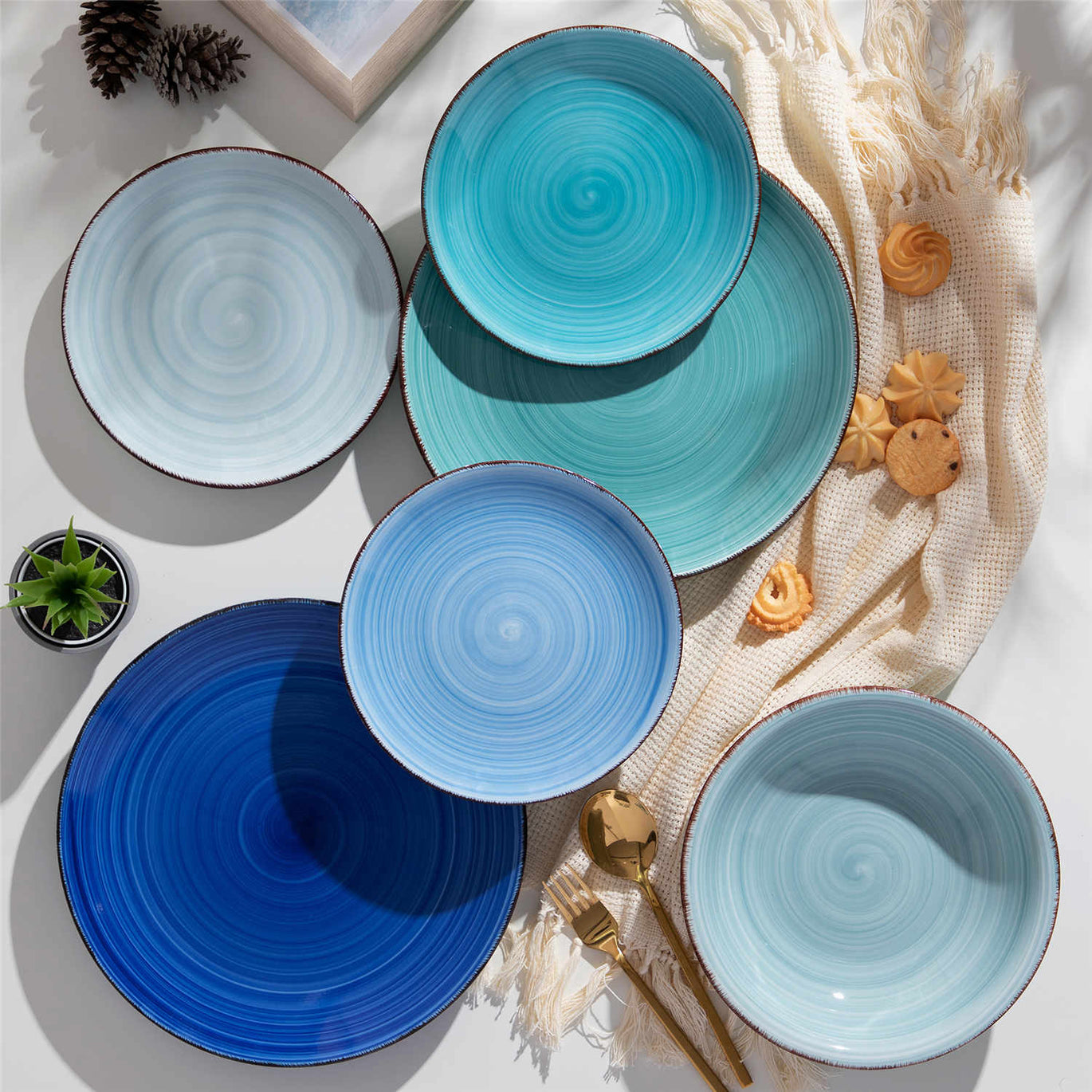


Elegant Ceramic Dinnerware for Business Class Travel Comfort

A well-set table has a remarkable way of calming the cabin. In business class, where inches of personal space and minutes of rest are premium currency, elegant ceramic dinnerware transforms a moving seat into a mindful dining moment. It is tactile and temperature-stable, photographs beautifully in low cabin light, and anchors premium menus with a sense of occasion. This piece distills what truly matters when specifying or evaluating ceramics at altitude: materials, weight, durability, safety, service ergonomics, sustainability, and the brand storytelling that turns a tray into a table.
Why Ceramic Belongs in the Sky
Ceramic delivers comfort and credibility that travelers intuitively feel. Glazed, fully vitrified pieces are non-porous and easy to sanitize, and when they are formulated without harmful heavy metals, they are food-safe and reassuringly stable under heat. Manufacturers such as HF Coors underscore these points with vitrified, lead-free bodies that tolerate ovens, dishwashers, and even freezers while resisting odors and stains. Industry explainer articles from Joyye describe how non-reactive, non-porous glazes avoid flavor transfer and limit liquid absorption, two details that matter when your tomato basil soup and the buttery croissant from breakfast share the same galley cycle. Consumer testing from Food & Wine and Wirecutter regularly highlights ceramic’s heat retention and broad oven/microwave compatibility in everyday use, a performance echo that translates well into galley ovens and high-turn service.
Of course, the sky has rules. Ceramic is often heavier than melamine and can add cleaning complexity versus disposables. Yet in premium cabins where dining is a signature, airlines continue to use porcelain, bone china, and refined stoneware because they look refined, plate food well, and carry brand motifs in a way plastic never quite does. Becasa’s airline tableware guidance captures the balance succinctly: the set must be compact, stackable, light, and galley-standard—while still being aesthetically pleasing and emotionally resonant.
The Material Landscape at 35,000 Feet
Porcelain, Bone China, and Stoneware—What the Names Actually Mean
Porcelain is a fine, vitrified ceramic fired to create a thin, strong, bright surface. It plates cleanly and can be surprisingly durable at a sensible thickness. Bone china is a porcelain variant formulated with bone ash; the result is lighter, delicately thin, and often more chip-resistant at the rim—an elegance many premium cabins love. Stoneware is a denser ceramic that reads artisanal and grounded; it’s typically thicker and can feel more substantial in-hand, which many guests appreciate, though the added mass requires careful spec work to protect fuel targets. “Fully vitrified” means the body has been fired to a non-porous, sealed state; it resists water absorption, reduces stress from temperature swings, and extends service life, as hospitality suppliers emphasize in their care literature.
Ceramic vs. Melamine, Stainless, and Foil—A cockpit-view comparison
The inflight toolkit includes materials beyond ceramic. Melamine is light and tough, stainless steel is durable and corrosion-resistant, and aluminum foil casseroles are the heroes of even heating and oven safety. The business-class decision is less about absolutes and more about how these materials combine on a tray to create comfort with operational sense.
Material |
Look & Feel |
Weight Impact |
Heat/Oven Notes |
Durability |
Sustainability Lens |
Best Use in Premium Cabins |
Porcelain/Bone China |
Elegant, bright, premium mouthfeel |
Moderate to higher depending on thickness |
Often oven safe; verify manufacturer ratings; many sets tolerate about 450°F |
Good with proper glazes; rims can chip if mishandled |
Reusable and long-lived; recyclability depends on local streams |
Plating surfaces, entrée plates, small bowls, saucers |
Stoneware |
Artisanal, tactile, camera-friendly |
Higher per piece |
Often oven safe; verify label |
Robust bodies; thickness adds durability and mass |
Long service life if vitrified |
Bread-and-butter plates, soups, “blate” low bowls |
Melamine |
Clean and modern, less luxe |
Very low |
Not for ovens or microwaves; avoid high heat |
Very high impact resistance |
Reusable; plastic lifecycle considerations |
Side components, lids, serviceware in economy or hybrid sets |
Stainless Steel |
Sleek, contemporary |
Moderate |
Oven compatibility depends on form; no microwaves |
Excellent |
Recyclable, long life |
Flatware, sauce ramekins, utility pieces |
Aluminum Foil (casseroles) |
Functional, hidden under lids |
Very low |
Efficient in convection; tolerates above 464°F |
Single-use; form-stable |
Recyclable where accepted; supports Reduce in 3R strategy |
Hot entrée heating and portioning in galleys |
Becasa calls out aluminum’s even heat conduction and safe use in galley ovens; in premium cabins, that efficiency can remain behind the curtain while porcelain surfaces elevate plating for guests. The right hybrid allows the kitchen to heat with foil and plate on ceramic with minimal time loss.
Design Constraints of the Galley, Reimagined as Comfort
Airline dining is a choreography inside a metal aisle. Pieces must nest tightly, fit standard carts, and be light enough to earn their place. Becasa’s airline tableware playbook stresses compactness, stackability, and precise compatibility with galley cart dimensions. The same guidance pushes designers to integrate brand motifs not as decals alone but as embossing, glazing, and relief that survive heavy use. KLM’s business-class set by Marcel Wanders demonstrates how cultural lace patterns can be baked into the form, creating texture you can see and feel. Air France’s playful “flight tableware” concept from a well-known design collaboration went further by letting components resemble aircraft wings and fuselage and even assemble into a plane, while using less raw material per set and cutting annual tonnage by a meaningful margin. In short, the set itself communicates national identity and design wit without compromising service speed.
First-Hand Notes from Tabletop Trials
The most telling moment happens not under the studio lights but during a live service rehearsal with real trays and carts. A well-spec’d porcelain entrée plate should pass three quick feels: stable grip at the rim even when hands are gloved, a surface size that frames a protein and sides without dangerous crowding, and a weight that feels grounded in the hand yet does not punish a stack of ten. Rims matter more in the sky than on the ground; a slightly upturned edge is a friend during turbulence because it contains sauces and gives crew a confident hold. Low bowls—the “blate” hybrids that are shallow but wide—plate pasta and grain bowls beautifully while minimizing slosh down the aisle. Cup handles should be generous enough for fast, secure pickup; in cabins where handles are omitted for storage efficiency, lip ergonomics and heat management become critical, so the mug should feel steady and not scorching after a brief oven touch.
Stack height can make or break a layout. If stacks reach too high on a cart shelf, the upper pieces become wobble-prone in rough air. Hospitality care guides suggest keeping stacks in a comfortable range rather than building towers; in practice that often means plate-dispensers or caddies that keep columns to a manageable height and protect rims from micro-impacts. Crew feedback is the ultimate truth serum; a piece that looks gorgeous but slows the aisle or scratches table inserts will not last long.
The Real Pros and Cons of Ceramic Aloft
Ceramic’s strengths are obvious to the eye and to the palate. It feels cool at first touch, warms gracefully, and holds temperature better than plastic. It supports crisp plating, elevates color saturation under soft LEDs, and signals premium quality. Non-porous glazes clean predictably; lead- and cadmium-free assurance from reputable manufacturers adds peace of mind; vitrification resists odors and makes a dinner service feel as fresh on the last leg as on the first.
The trade-offs are real. Ceramic adds mass if designs are not optimized. Breakage is rare with proper handling and storage, but chips do happen, and replacement logistics must be planned with open-stock items and buffer inventory. Cleaning teams must avoid thermal shock; a pan-hot plate plunged into a cold wash can crack. None of these are deal-breakers in business class; they are operational design inputs. Airlines that lean into the details end up with stiff, camera-ready plates that serve for years rather than months.
Safety and Performance: What the Evidence Says
Ceramic safety depends on formulation and finish. HF Coors details vitrified, lead-free bodies that are non-porous and food-safe across the kitchen cycle, including dishwashers, microwaves, and ovens. Joyye’s health-focused overviews explain why glazed ceramics are non-reactive and resist bacterial growth, which simplifies sanitation protocols. Consumer testing from Food & Wine found porcelain sets that handle repeated oven cycles around 450°F while resisting stains and chips, and Wirecutter’s long-term use reports show that well-made stoneware can go years without chipping in a busy test kitchen. These sources also remind us that care matters: use gentle, quality detergents, avoid high-acid soaks for long periods, and treat exposed clay rims according to maker guidance.
Weight, Fuel, and Smart Reductions Without Aesthetic Compromise
Weight is a strategic lever, but it need not flatten design. Case studies cited across industry blogs show smart, moderate cuts yielding measurable benefits. Qantas reduced tableware weight through redesigns of wine glasses and related pieces. Etihad, collaborating with Armani/Casa, introduced cutlery that was roughly a tenth lighter to lower fuel burn and emissions. Air France’s thoughtful design and material reductions were credited with meaningful raw material savings per set and a cumulative annual reduction on the order of tens of tons. GXflight’s cost perspective is blunt: lighter equipment reduces operating expenses at fleet scale, while eco-friendly formats can trim washing energy and simplify logistics when appropriate. The lesson is pragmatic: refine forms, choose denser yet thinner vitrified bodies where possible, and let the craft carry the brand rather than sheer mass.

Emotional Design and Cultural Storytelling
Premium tableware is a brand ambassador guests hold in their hands. Becasa highlights “emotional design,” which embeds interactivity and cultural motifs into airline sets to create positive feelings and deeper recall. Patterned embossing, subtle relief, or national motifs become story stars that do not add weight. The most successful sets feel like souvenirs from the nation rather than just service ware, all while stacking tightly and aligning with galley reality.
What Frequent Flyers Notice—and What They Don’t
Enthusiast press, such as Live and Let’s Fly, welcomes premium-cabin dishware refreshes but points out that the magic only lands when food quality rises in tandem. That critique is fair and helpful. Elegant ceramic doesn’t replace the menu; it elevates the menu that deserves it. The more considered the plate, the more honest it is as a canvas—proteins, grains, dressings, and bread service benefit from that clarity. If your catering roadmap includes improved recipes, seasoning, and sides, ceramic is the finishing move that lets those upgrades shine.
Sizing, Stackability, and the Geometry of Calm
Plate geometry changes the feel of a meal in motion. A wide, flat rim is easy to grip but reduces usable plating area; straight-walled forms maximize flat space yet can stack taller and fit snugly into dishwasher prongs; gentle slopes balance containment and space. Consumer testers at Good Housekeeping and other outlets often favor low bowls for one-bowl meals and appreciate that glossy glazes can increase slickness while matte glazes curb sliding at the cost of occasional utensil marks. In the cabin, that means choosing finishes that grip food without looking dull, and specifying plate diameters that work with table inserts and linen overlays. The calmer the geometry, the calmer the guest.

Care, Handling, and Longevity at Altitude
Ceramic thrives when handled like the premium equipment it is. Avoid rapid temperature shocks; allow hot plates to breathe briefly before the wash. Inspect rims for chips; retire damaged pieces to protect guests. Use gentle, effective detergents; some studios even recommend seasoning exposed clay rims to reduce staining over time. Stack neatly in caddies or dispensers that keep columns to a sensible height and reduce wet nesting. These are small habits, yet hospitality care sheets and airline suppliers agree they meaningfully extend service life and protect finishes.
A Buying Framework for Airline Teams
Start with the constraints your catering and cabin teams truly feel: cart bay dimensions, standard tray footprints, oven clearances, and the reality of crew workflows. Define the plating vision with the culinary team first, then size plates and bowls to the recipes rather than the other way around. Request fully vitrified, lead-free certifications from manufacturers with proven airline experience and quality systems such as ISO 9001 and ISO 14001, as Becasa suggests. Ask for open-stock availability to replace losses seamlessly. In a pilot run, weigh nested stacks, time actual service choreography, run full wash cycles with your detergents, and test how pieces handle butter, tomato acid, turmeric, and coffee staining. Include sustainability KPIs at the spec stage—material reduction, recyclability, and compatibility with airport recycling or composting programs—so end-of-life is a design parameter, not an afterthought. Finally, invite branding to the table in relief, glaze, or silhouette so it is felt with every bite rather than shouted with ink that might wear.
Quick Comparison—Premium Cabin Choices in One Glance
Option |
Comfort and Brand Signal |
Operational Fit |
Sustainability Potential |
Core Watchouts |
All-ceramic plating with foil heating behind the scenes |
Highest perceived luxury; best food plating |
Works well if size and stacks are tuned to carts |
Long-lived pieces; reduced disposables; partner with airport recycling |
Mass if overbuilt; disciplined handling required |
Ceramic core with select melamine auxiliaries |
Strong premium feel with durable side pieces |
Lightens overall set; speeds service in tight spots |
Reusable; fewer breakages; less replacement shipping |
Finish mismatch if colors/textures are off |
Ceramic plating plus lighter stainless ramekins |
Premium look; tactile variety |
Easy to sanitize; tough in wash cycles |
High recyclability; long service life |
Temperature conduction in hand; design must avoid sharp edges |
Takeaway
Elegant ceramic dinnerware remains one of the simplest, highest-return upgrades in business class. It stabilizes heat and mood, dignifies menus, and carries cultural stories directly into a guest’s hands. The right specification threads a narrow aisle: fully vitrified, lead-free, stackable, and cart-true; thin enough to honor weight targets; durable enough to live well through full galley cycles; and expressive enough to earn a place in the brand’s memory. When the culinary roadmap, service choreography, and ceramic specification lock together, the cabin feels quieter and the meal feels intentional—a brief, beautiful table set among the clouds.
FAQ
Is ceramic safe for inflight use and repeated heating?
Yes, when you choose fully vitrified, lead-free ware from reputable manufacturers and verify the oven ratings. HF Coors and other suppliers emphasize non-porous bodies and glazes that resist absorption and tolerate dishwashers, ovens, and freezers. Airline ovens are typically convection or steam; confirming heat tolerance—often around 450°F for many consumer-grade porcelains cited by Food & Wine—ensures safety and performance in galley conditions.
What’s the practical difference between porcelain, bone china, and stoneware in the cabin?
Porcelain is fine, bright, and strong at moderate thickness, bone china is lighter and often more chip-resistant at the edge, and stoneware is thicker with a grounded, artisanal feel. Fully vitrified versions of each resist water absorption and last longer in service. The right choice depends on your brand voice, desired tactile feel, and the weight budget you are managing.
Do ceramic plates add too much weight to be practical?
Ceramic can add mass if pieces are overbuilt. The solution is smart design, not avoidance. Airlines have documented double-digit weight reductions by refining forms and component choices, and thoughtful programs like the Etihad and Armani/Casa collaboration cut cutlery mass without sacrificing elegance. Done well, ceramic’s perceived value outweighs its ounces, especially in business class where the dining experience is a brand differentiator.
Can ceramics go from oven to table without cracking during fast turns?
They can when you avoid thermal shock and choose fully vitrified bodies. Allow hot plates a brief rest before the wash, keep rinse water at appropriate temperatures, and avoid plunging a hot dish into cold water. Care literature from hospitality suppliers recommends gentle detergents and sensible stack heights to minimize micro-impacts and extend life.
How should we vet suppliers for premium cabin tableware?
Look for airline-proven partners with quality and environmental systems such as ISO 9001 and ISO 14001, as Becasa recommends. Ask for material safety assurances, open-stock replacement programs, and samples for real galley trials. Prioritize suppliers who can integrate cultural or brand motifs into the body and glaze rather than surface prints that wear.
Is melamine a better choice than ceramic if we want fewer breakages?
Melamine is very durable and light, so it suits economy or specific auxiliary items in premium cabins. It does not handle high heat like ceramic and lacks the tactile and visual warmth many premium passengers expect. A hybrid approach—foil for heating, ceramic for plating, and melamine for select side components—often balances durability with brand presence.
Selected Sources
This article reflects a synthesis of airline tableware guidance from Becasa; safety and vitrification notes from HF Coors; health and non-reactivity explainers from Joyye; consumer testing insights from Food & Wine, Wirecutter, Forbes, and Architectural Digest; operations and cost framing from GXflight and Ancheng; and premium-cabin service observations, including dishware refresh coverage, from Live and Let’s Fly.
References
- https://www.foodandwine.com/best-dinnerware-sets-6831579
- https://www.gxflight.com/how-ecofriendly-tableware-saves-airlines-substantial-costs.html
- https://noritakechina.com/?srsltid=AfmBOorwYKK3rsqNGX0ofHcJ5lkz_JaPXX0Sl_ye_upkCEP3XZC4J5Hl
- https://www.seriouseats.com/best-dinnerware-sets-7376024
- https://www.thespruceeats.com/best-dinnerware-sets-4104201
- https://www.aeroexpo.online/aeronautic-manufacturer/aircraft-dish-677.html
- https://www.alibaba.com/showroom/airline-porcelain-dinnerware.html
- https://www.anchenggy.com/blog/how-can-tableware-improve-airline-catering-and-reduce-costs.html
- https://www.architecturaldigest.com/story/best-dinnerware-sets
- https://becasaltd.com/elevating-dining-airline-tableware-insights/
Tu pourrais aussi aimer
Stern Ensemble de vaisselle 16 pièces
- À partir de £58.00
£77.00- À partir de £58.00
- Unit price
- pour
-
Blue
-
Green
-
Red
-
Grey
Simi Ensemble de vaisselle de 24 pièces
- £77.00
£104.00- £77.00
- Unit price
- pour
Bonita Service de table 18 pièces
- À partir de £49.00
£61.00- À partir de £49.00
- Unit price
- pour
-
Blue
-
Multicolor
Service de vaisselle étoilé 16 pièces
- £60.00
£70.00- £60.00
- Unit price
- pour
-
Blue
-
Green
-
Red
-
Gradient Green