



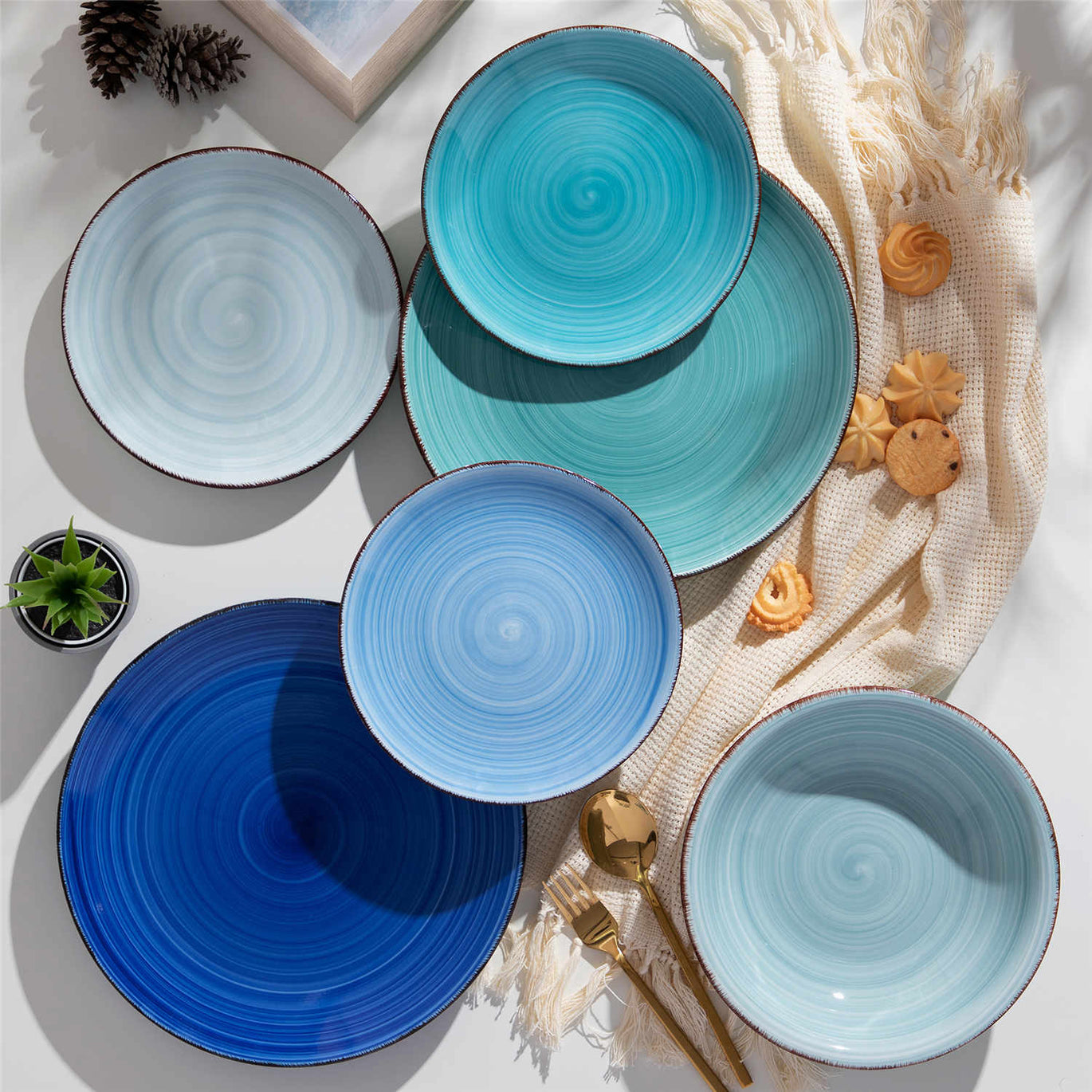


Selecting Durable Ceramic Tableware for Yacht Use

Ceramic on a moving deck? Absolutely—when you choose well. Onboard dining has its own physics: wake-timed jolts, constant vibration, briny air, and cabinets the size of puzzles. As a Colorful Tabletop Creative & Pragmatic Joy Curator, I love plates that sing with color and still behave when the wind shows off. This guide distills how to select ceramic tableware that looks dazzling yet performs with quiet confidence at sea, informed by marine-savvy guidance from Anchoring.com and The Boat Galley, luxury styling insights from Kim Seybert and Sea Emporium, material wisdom from MD Maison and Wedgwood, and procurement quality checks echoed by Accio’s market analysis.
What “Durable” Really Means on a Yacht
Aboard, durability is about restraint under motion and ease under pressure. Most dishes don’t fail in a dramatic knockdown; they chip or tumble during everyday moments—carrying a stack up companionway steps or setting a plate on a flat surface just as a surprise wake kisses your beam, as The Boat Galley points out. That’s why seaworthy dinnerware isn’t only about being “unbreakable.” It’s about the right mix of material strength, rim geometry that manages slosh, weight that feels steady rather than top-heavy, non-porous finishes that clean fast in compact galleys, and a storage profile that nests tight without squeaking or skating.

In practice, durable ceramic onboard means harder, denser bodies that resist chipping; glazes that shrug off cutlery marks; pieces that stack quietly; and shapes with slightly higher sides and flatter bottoms to keep food in place while the yacht rocks. Add non-slip liners under plates and inside lockers, and you’ve improved “durability” without changing a single material, a trick both Anchoring.com and experienced cruisers endorse.
Ceramic Families, Demystified
Ceramic isn’t one thing. The way a plate behaves at sea depends on its body composition, firing temperature, and glaze.
Porcelain and Bone China
MD Maison highlights fine hard-paste porcelain for its whiteness, translucency, and clear ring, while bone china—with bone ash—offers a delicate milky hue with excellent strength. Wedgwood goes further, recommending fine china and bone china for everyday use because they resist chipping and cracking more than many alternatives. For yachts, that strength-to-thickness ratio is serenity: thinner profiles stack neatly, lighter weight reduces fatigue when serving, and a hard glaze resists staining and knife marks.
The caveat is handling shock. Even strong porcelain can chip if it slams an edge into granite or stone counters—surfaces Wedgwood notes can raise chip risk. Onboard, that calls for padded trays, low storage, and non-slip mats to absorb incidental bumps.

Stoneware and Vitrified Stoneware
Stoneware leans into density and tactile weight. MD Maison praises its satisfying heft and boho-luxe appeal, while Anchoring.com notes stoneware is typically oven- and microwave-safe and wears its glaze well. Vitrified stoneware—fired so its body becomes nearly non-porous—is the marine darling among ceramics. Accio’s procurement guidance suggests seeking vitrified bodies with water absorption below 0.5% to boost durability and stain resistance. That matters when you’re serving tomato-rich sauces, beet salads, and espresso on a rolling deck; a tight body and sound glaze shorten cleanup and keep pieces looking new.
Thermal shock is where stoneware can shine, provided it’s formulated for it. Accio cites quality benchmarks like surviving 100+ cycles of 300°F temperature differentials in testing. While your galley routine won’t replicate lab protocols, pieces designed for shock resistance tend to survive everyday temperature swings aboard with less drama.
Earthenware/Faience
MD Maison embraces earthenware’s rustic warmth, but it’s more porous and typically softer than porcelain or vitrified stoneware. On yachts, it can be lovely for accent pieces or casual breakfasts in calm anchorages; for day-in, day-out service in motion, it usually sits behind stoneware, porcelain, and bone china on the toughness scale.
Not-Ceramic but Often Considered Afloat
Marine crews frequently weigh ceramic against melamine and Corelle. The Boat Galley describes melamine as light and tough but not microwave-safe, prone to knife marks and occasional staining. Corelle (tempered glass) gets high marks from both The Boat Galley and many cruisers for durability and microwave/oven safety, though when it does fail it can shatter into many sharp shards. Anchoring.com adds that stoneware feels great but is heavier and can chip; stainless is ultra-tough but brings taste quirks; plastic varies wildly. If you’re set on the tactile and visual satisfaction only ceramic delivers, choose ceramic with the marinized features outlined below, then pair it with non-slip practices.
A Quick Ceramic Comparison
Material |
Strength & Chip Resistance |
Weight & Stack Profile |
Heat Handling |
Pros |
Tradeoffs |
Useful Notes |
Porcelain |
High for thickness; hard glaze |
Light-to-medium; stacks compact |
Often dishwasher safe; check specifics |
Bright white, refined, tough for daily use per Wedgwood |
Edge chips if slammed on hard stone |
Choose shapes with slightly higher rims for slosh control |
Bone China |
Very high relative to thinness |
Light; elegant, compact stacks |
Often fine for daily use; confirm care |
Everyday-durable and luxe, per Wedgwood |
Premium pricing; treat edges kindly |
Beautiful on formal tables without babying |
Stoneware |
High density; robust glaze |
Heavier; steady on table |
Often oven/microwave safe per Anchoring.com |
Comforting weight, artisan textures |
Weight adds fatigue; storage needs pads |
Vitrified variants add stain resistance |
Vitrified Stoneware |
Excellent; low absorption |
Medium; reassuring heft |
Engineered for shock in quality lines |
Durable, stain-resistant, service-ready per Accio |
Costs more than basic stoneware |
Look for water absorption under 0.5% |
Earthenware/Faience |
Lower than others |
Medium |
Varies; handle gently |
Rustic charm, casual vibe |
Chips and stains more easily |
Use as accent pieces in calmer service |
Liveaboard-Proof Selection Criteria
Start by defining how you dine. Do you host coursed dinners underway, or casual mezze at anchor? Do you reheat frequently in a microwave, or plate from a stovetop and keep it moving? Anchoring.com’s core advice—optimize for limited space and constant motion—holds the compass steady while you refine the details.

Weight, Balance, and Base Stability
Plates and bowls should feel centered and not top-heavy when you lift them one-handed. Serving pieces, especially elongated platters and boat-shaped trays, benefit from a base weight that resists tipping. Accio’s performance notes for serving boats suggest aiming for stable weight distribution in the ballpark of 1.8–2.6 lb at the base for larger pieces; you’ll feel the difference when a light cross-swell rolls under you mid-serve. For dinner plates, choose weight that dampens rattle without exhausting wrists; balance matters more than absolute heft.
Shape and Rim Geometry
Even if a plate doesn’t slide, its cargo will. Anchoring.com advises favoring higher, steeper sides to keep food where it belongs. Shallow soup bowls with flat bottoms behave beautifully aboard, and high-rim plates create a subtle guardrail for sauces. Square or coupe shapes can nest tighter in tight lockers, and The Boat Galley notes that “lunch plate” diameters often fit older galleys better than today’s oversized dinner plates.
Thermal Shock and Heat Handling
Accio’s test benchmark—over 100 cycles at 300°F differentials—is a clear signal that not all ceramics handle heat variance equally. Stoneware is often oven- and microwave-safe, Anchoring.com notes, making it a workhorse for everyday service. If microwave use matters to you, defer to the specific material’s care sheet rather than assumptions. Avoid rapid transitions from a hot oven to a cold countertop; even tough bodies appreciate a gentler landing, and your glaze will thank you.
Finish, Hygiene, and Cutlery Marks
Vitrified bodies and sound glazes help repel stains and odors, with Accio recommending sub-0.5% water absorption for better resistance. That spec shows up in high-duty ceramics and is worth asking suppliers to verify. Knife marks are a reality in any busy galley; harder glazes on porcelain and bone china tend to hide them better over time than softer-bodied ware. If you love color, choose satin or gloss finishes tested for cutlery abrasion rather than matte-only finishes that can telegraph streaks.

Storage Fit and Acoustic Calm
Before you fall for a shape, measure your lockers. The Boat Galley urges measuring galley cubbies first; older boats often resist oversized dinner plates, and squares can save meaningful space. When at sea, quiet is its own luxury—use padded trays and non-slip liners to stop the clink and skate, a best practice also echoed by Kim Seybert and Sea Emporium for protecting delicate pieces during transit.
Pros and Cons, Material by Material
Porcelain and bone china lead for strength-to-thickness, refined gloss, and chip resistance in daily life, which Wedgwood explicitly backs for everyday use. On a yacht, that translates to lighter stacks, less cabinet load, and a crisp canvas for food that still behaves. Stoneware and especially vitrified stoneware bring confidence through density: a sense of solid footing on the table and a body that shrugs off staining when specified to a low absorption rate. The flip side is weight; repeated service makes you notice those extra ounces. Earthenware wears its rustic heart openly and can ride along happily as accent pieces—bread plates, dessert dishes—where the risk is lower and the charm is high.
Against non-ceramic options you might still consider, melamine remains a strong candidate for certain boats thanks to low breakage and quiet operation, though The Boat Galley and Anchoring.com agree it is not microwave-safe and can show wear. Corelle continues to convert cruisers because it’s break-resistant and microwave/oven friendly, with The Boat Galley noting that rare failures can shatter dramatically. If you crave the feel and look of true ceramic, the path is clear: upgrade the ceramic, and upgrade your non-slip strategy.
Styling a Yacht Tablescape with Ceramic Anchors
Durability is non-negotiable, but the joy is in the mix. Kim Seybert frames luxury yacht tableware as a blend of marine-ready resilience and refined aesthetics, with practical storage moves like padded trays, non-slip liners, and custom cabinetry. Sea Emporium emphasizes that tableware extends the yacht’s interior style; pieces signal value to guests when they feel substantial, beautifully finished, and coherent.
The most effortless approach is to anchor your set with ceramic that handles daily duty—a vitrified stoneware dinner plate with a subtle coupe rim or a fine porcelain plate with a micro-lip for slosh control—then layer moments of drama and texture. Add bone china salad plates for a lighter, luminous second course. Switch in coastal motifs for casual brunches; lean into pure white or monochrome for evening elegance. Keep centerpieces low, as Kim Seybert suggests, and pull color from the day’s destination: navy and white for a Northeast cruise, turquoise for Caribbean afternoons, or Amalfi lemon accents for a sun-drenched lunch.
Yachting Pages recommends carrying multiple tableware looks so stews can match guests and occasions. Heritage makers like Bernardaud, Hering Berlin, Hermès, Royal Copenhagen, and Baccarat for crystal glassware are regulars in superyacht pantries; on smaller yachts, a single ceramic backbone paired with two textile stories—say, raffia-plus-rope for daylight and metallic thread for evenings—delivers range without complicating storage.
What I Test Before a Set Earns Its Berth
My short list is tactile and practical. First, I nest four dinner plates and listen when I tip the stack side-to-side; excessive clink suggests tight tolerances or glazing that may squeak in a seaway—non-slip liners will help, but the plate should cooperate. I fill a shallow soup bowl to a third with broth and walk a gentle loop; the right rim keeps liquid calm. I warm a plate and set it on a dry towel rather than a chilled stone surface; any ceramic appreciates a temperate landing, and it mirrors how you’ll work in a galley. I slice a ripe tomato across the glaze to see how easily marks wipe clean. Then I lift a full platter one-handed and feel for balance; if my wrist compensates to keep it level, I know a rolling swell will expose that bias when it matters.
These hands-on checks are informed by the way boat dishes actually misbehave, much as The Boat Galley observes about real-world breakage moments. They’re fast, they’re revealing, and they prevent regret.
Budget, Sourcing, and Verifying Quality
For yacht-duty ceramics, ask suppliers for material and safety documentation. Accio’s procurement checklist is spot-on: verify food-contact compliance (FDA in the United States), request third-party test reports for heavy metals and chip resistance, and ask about thermal shock testing. If you’re sourcing serveware like elongated boats or shells, look for stable base weight around 1.8–2.6 lb so pieces don’t teeter when plating on deck. Prefer nestable, stackable shapes that minimize volume; even in retail scenarios, that mindset pays off in better locker organization and fewer rattles. If you’re ordering at scale or planning to expand a set over time, clarify replacement policies for transit breakage and whether molds or shapes will be retained for reorders—the kind of operational foresight that keeps a table consistent season after season.
Example Build: A Ceramic-Forward, Yacht-Ready Kit
Begin with eight to twelve vitrified stoneware dinner plates with a modestly raised rim. That gives you a rugged, stain-resistant backbone that stacks cleanly and sits steady. Layer in eight porcelain or bone china salad plates for a lighter course and a brighter canvas for greens or seafood. Choose bowls with flat-ish bottoms and a capacity you’ll actually use; The Boat Galley’s tip to favor deeper soup bowls filled only a third to a half reduces slosh and keeps presentation tidy. Bring in one or two elongated ceramic platters for family-style service; ensure they feel balanced when held one-handed. Round out the set with non-slip liners inside lockers and as placemats, a habit both Anchoring.com and long-time cruisers swear by to reduce sliding and noise.
Glassware, even in a ceramic-led kit, deserves marine logic: acrylic or polycarbonate stems outdoors for safety and UV resistance, per advice echoed by design houses like Kim Seybert and suppliers cited by Amprio Milano; reserve crystal for calm dining indoors. For flatware, marine-grade stainless or finishes that resist corrosion reduce polishing chores in salty air.

Care and Longevity Underway
Ceramic rewards gentle routines. Stack with soft separators if your locker squeaks; a rectangle of liner between plates quiets and protects. Wash promptly and don’t overpack dishwashers in tight galleys; you want water paths clear and no clattering. If you do battle espresso or beet stains, vitrified bodies and sound glazes should release them without drama; any persistent marks deserve a non-abrasive cleaner and a light touch. Avoid the shock move from a very hot oven to a cold counter; lay down a towel or wooden board as an intermediary. Store plates low and athwartships; on many boats, that reduces the fall distance and echoes storage tips shared by Anchoring.com and seasoned cruisers.
When to Choose Ceramic—and When Not To
Choose ceramic when you crave the tactile pleasure of a true plate, the way glazes frame food, and the stability of a heavier setting in a mild swell. Choose vitrified stoneware or fine porcelain/bone china when you want daily reliability backed by makers who design for service longevity, a viewpoint Wedgwood and MD Maison support for everyday use and premium materials.
If your routine hinges on quick microwave cycles and you want near-zero worry about cutlery wear, Corelle’s profile matches what The Boat Galley and many cruisers report—break-resistant and easy. If quiet and lightness trump all and microwave use isn’t critical to you, melamine remains a friendly workhorse with the known tradeoffs documented by Anchoring.com and The Boat Galley. But if ceramic is your love language, you can absolutely sail with it—choose the right bodies and shapes, then double down on non-slip practices and smart storage.
Short FAQ
Is bone china too delicate for yachts?
Not necessarily. Wedgwood recommends fine china and bone china for everyday use because they resist chips and cracks well under routine handling. Aboard, protect edges with padded trays and non-slip liners, and store low to reduce the risk of impact.
Is vitrified stoneware really better at sea?
For many crews, yes. Accio advises looking for water absorption below 0.5%, which correlates with better stain resistance and overall durability. The slightly heavier feel can also help stability on the table, provided the piece is well balanced.
Are ceramics safe in the microwave or oven?
It depends on the specific piece. Anchoring.com notes stoneware is often oven- and microwave-safe, while melamine is not. Always follow the manufacturer’s care guidance. Avoid rapid hot-to-cold transitions to reduce thermal stress, whatever you choose.
Closing
Pick ceramics that perform like crew and sparkle like sunshine on the wake. With vitrified bodies, thoughtful rims, and a little non-slip magic, your plates will stay poised, your colors will sing, and every tide will feel like dinner’s favorite rhythm. Here’s to joyful tables that travel well.
References
- https://fiestafactorydirect.com/?srsltid=AfmBOorfs9AL0zSDSgguvP3W5ZXCLsnU-wTYiFrhHgzHL7cMYlthI54y
- https://www.wayfair.com/keyword.php?keyword=non+slip+dinnerware+for+boats
- https://www.accio.com/plp/ceramic-boats-and-dishes
- https://www.alibaba.com/showroom/ceramic-boat-shaped-dish.html
- https://www.caronsbeachhouse.com/sailing-life-italian-dinnerware/?srsltid=AfmBOopIdsKsZbXx9ALR1DlOgIx75CUZbBb9OtU1a7gVakIPI9WCkvlJ
- https://www.heathceramics.com/collections/dinnerware-sets?srsltid=AfmBOopc2kGDCrkP_k4t-hY_7grc3N7zzRcXzkbnRPNj_RTtzyCJc4Xy
- https://mdmaison.com/blog/how-to-choose-luxury-dinnerware-a-comprehensive-guide
- https://seaemporium.com/the-finer-details-superyacht-tablescaping/
- https://theboatgalley.com/unbreakable-boat-dishes/
- https://www.yachting-pages.com/articles/top-10-luxury-tableware-designers-for-superyacht-dining.html
Tu pourrais aussi aimer
Stern Ensemble de vaisselle 16 pièces
- £68.00
£77.00- £68.00
- Unit price
- pour
-
Blue
-
Green
-
Red
-
Grey
Simi Ensemble de vaisselle de 24 pièces
- £77.00
£104.00- £77.00
- Unit price
- pour
Bonita Service de table 18 pièces
- À partir de £49.00
£61.00- À partir de £49.00
- Unit price
- pour
-
Blue
-
Multicolor
Simi Service de table 24 pièces avec bols double face
- £82.00
£104.00- £82.00
- Unit price
- pour