



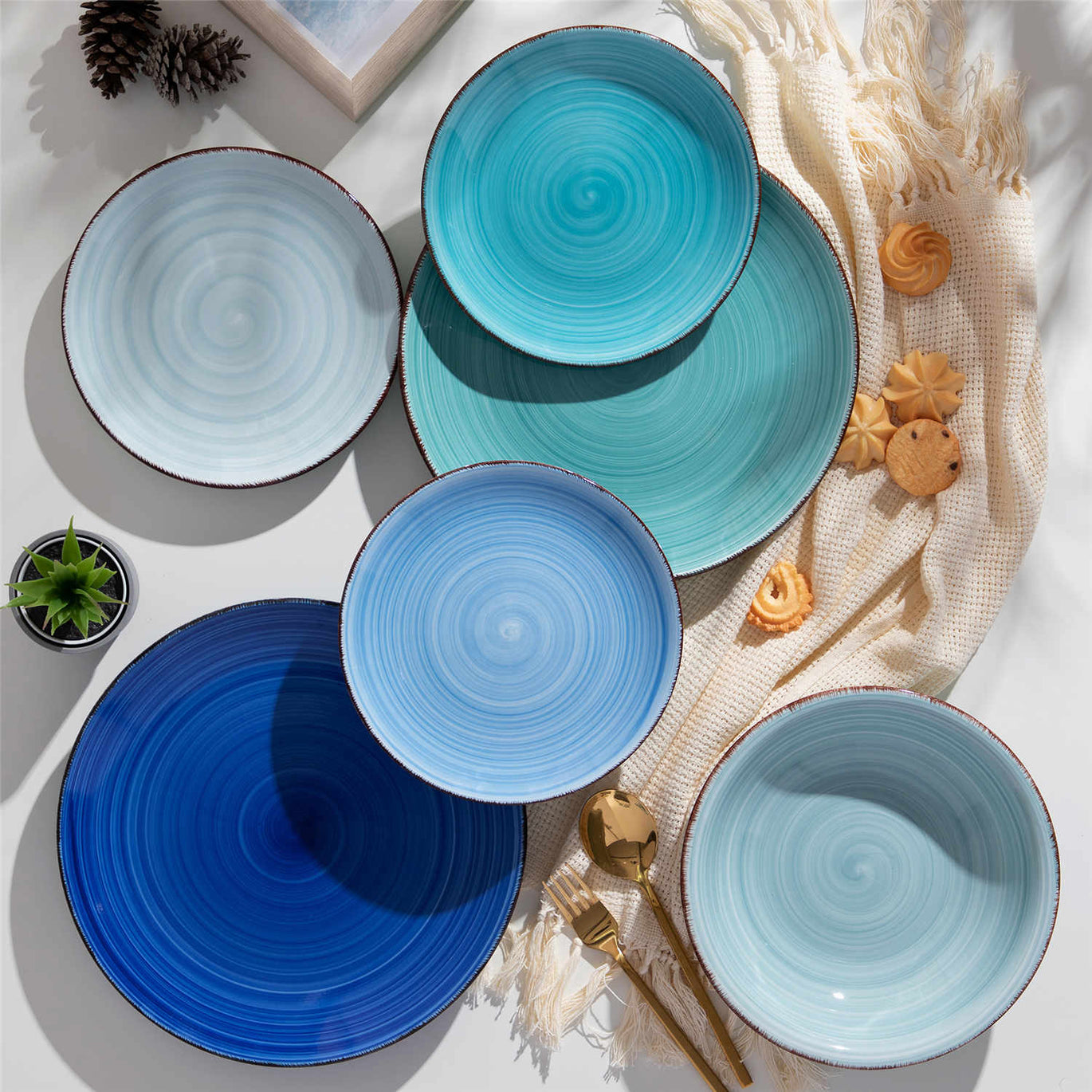


Who Washes the Plates? Rethinking Gendered Labor in Ceramic Dish Care

Ceramic dishes look effortlessly chic on the table, but behind every glossy plate and color-splashed bowl is a lot of invisible work. So who, in your home, actually does that work? Who worries about chips on the “good plates,” who knows which bowl can handle 450°F in the oven, and who quietly hand-washes the pieces with metallic rims?
That is the gender division of labor hiding in your dish rack.
As a Colorful Tabletop Creative & Pragmatic Joy Curator, I spend a lot of time not just styling tabletops, but living with them: washing, drying, inspecting, and sometimes mourning a shattered favorite mug. When you look closely at ceramic care advice from brands like HF Coors, Fortessa, KitchenAid, Nestasia, Vareesha, Bzyoo, and others, you start to see a pattern. Caring for ceramic tableware is real, skilled labor. And that labor often lands on one person more than the others.
Let’s zoom in on what ceramic care actually involves, how it becomes gendered at home, and how you can redesign the whole routine so the workload, the joy, and the know-how are shared more fairly.
Why Ceramic Dish Care Is Real Work
Ceramic dinnerware is not just “plates.” It is a material system with its own physics, chemistry, and risks. Manufacturers like HF Coors describe their dinnerware as vitrified clay: shaped, glazed, and fired at high temperatures so it becomes durable and non-porous under normal use. Nestasia notes that stoneware and porcelain are typically more chip-resistant, while earthenware is more delicate and asks for gentle handling.
A few properties matter for everyday care.
Ceramics hold heat beautifully, which is why your lasagna stays warm and your soup bowls feel comforting in your hands. KitchenAid, for example, designs ceramic and stoneware bakeware to be oven-safe up to around 450°F and to distribute heat evenly. That same heat-retention makes ceramics vulnerable to thermal shock. HF Coors, Saje Rose, Nestasia, and editorial sources like AD Middle East all warn against sudden jumps from cold to very hot or hot to very cold. Moving a plate from the refrigerator straight into a hot oven or plunging a hot dish under cold water can create invisible stress lines that later become cracks.
Glazes are another key player. The glossy surface is a glass-like layer that seals the clay body. Nestasia points out that glossy glazes are smooth and easier to clean, while matte or textured glazes may trap stains. Multiple sources, including Decobate, Vareesha, Bzyoo, and Marimekko, agree on the basics: avoid abrasive tools such as steel wool and harsh chemicals that scratch or thin the glaze.
Storage is also real work. Smart storage advice from Nestasia, SmartDHgate, Vareesha, Bzyoo, HF Coors, and AD Middle East converges on a simple but fussy truth: most chipping happens in the cabinet, not at the dinner table. That is why they recommend stacking with felt, cloth, rubber, or paper separators, using plate racks, storing heavier pieces lower, and keeping everything in cool, dry, well-ventilated spaces away from direct sunlight.
Even food safety adds a layer of responsibility. Mayco explains that “food safe” is not just about whether a glaze is lead-free; it is about whether the finished piece passes FDA leach tests for lead and cadmium. In other words, someone in the household needs to be alert to what counts as safe, especially when buying handmade or vintage pieces.
Put all that together and ceramic dish care becomes a bundle of micro-skills: understanding heat limits, reading manufacturer symbols, choosing detergents, deciding when a chip is safe to repair and when a plate should be retired. It is more than just “doing the dishes.” It is an ongoing stewardship of the objects that frame your meals.

What “Gender Division of Labor” Looks Like at the Sink
When we talk about gender division of labor in ceramic dish care, we are talking about how those micro-skills and micro-tasks are distributed between people in a household. Not every home follows the same pattern, but many share a familiar script.
Picture this: the colorful plates were chosen by one partner who had a clear vision of the table aesthetic. That same person now notices every hairline crack and faint gray utensil mark. They are likely the one who knows which serving dish is oven-safe and which mug has a crazed glaze that should not see the microwave. Over time, they start hand-washing the delicate pieces “because it is just easier if I do it right,” while others load the dishwasher with the sturdier items.
That is a division of labor based partly on knowledge and partly on care. Gender expectations often sneak into that arrangement. The person who has been socialized to track details like “where do the salad plates live” or “which bowls are the good ones” can easily take on more of the invisible ceramic care load. The other person may genuinely want to help but does not understand why sliding a hot ceramic baker onto a cold stone countertop is a problem, or why stacking plates without separators could be an issue.
None of that is destiny. It is just a pattern. Once you see it, you can redesign it.

The Hidden Steps In Ceramic Care
To share the labor fairly, it helps to name the tasks. Ceramic care usually breaks into three zones: washing, drying and inspection, and storage and maintenance. Each one has subtle, skill-based choices that manufacturers and experts highlight.
Washing: Gentle Chemistry, Real Consequences
Washing looks simple, yet the details matter. Brands like Decobate, Vareesha, Nestasia, HF Coors, Bzyoo, KitchenAid, Fortessa, Made In, and HeySunday all emphasize some version of the same story. Mild dish soap, warm water, and soft tools are the default. Harsh detergents, scouring pads, steel wool, and aggressive chemicals strip glaze, dull color, and introduce fine scratches that weaken the surface.
Many manufacturers label their pieces dishwasher-safe, but they rarely treat dishwashers as a free-for-all. Decobate and Vareesha suggest that only pieces clearly marked dishwasher-safe should go in, ideally on the top rack where heat and water pressure are less intense. Fortessa even notes that machine dishwashing can be excellent for consistent cleaning, as long as detergents are chlorine-free, acid-free, and non-abrasive, and water temperatures stay in the 140–160°F range. On the cookware side, HeySunday, citing advice consistent with the American Ceramic Society, warns that dishwashers can degrade some ceramic coatings, and brands like Caraway explicitly recommend handwashing instead.
Handwashing is not just “extra work.” It is a safeguard for certain categories of ceramics: unglazed pieces, hand-painted designs, gold or metallic accents, very thin plates, and older or sentimental items. When one person in a household is the only one who knows which pieces fall into that category, they often become “the handwasher,” even if that was never formally agreed.
Social media and cleaning communities add their own layer of advice. A cleaning group example recommended soaking items overnight in hot water with bleach, then scrubbing and rinsing thoroughly. That kind of tip can be powerful for tough stains, but it is far stronger than most manufacturer guidance and needs extra caution. Long soaks in harsh chemicals can be rough on glazes. The playful but pragmatic move is to treat those methods as last-resort experiments only after you have checked the care information for your specific dishes.
Drying and Inspection: Tiny Cracks, Big Decisions
Drying is where a lot of unnoticed labor lives. Saje Rose, HF Coors, Vareesha, and others recommend drying with soft, non-abrasive cloths and not putting pieces away damp. That reduces water spots, keeps glazes happier, and prevents mold or odor issues, especially in more porous ceramics.
Inspection often happens at this stage. Vareesha, Decobate, SmartDHgate, and Bzyoo all advise checking rims and surfaces for hairline cracks, chips, and areas where glazes look thin or worn. Mayco’s focus on food-safe leach levels gives that advice some weight: a compromised surface is not just an aesthetic issue; it can also affect safety over time.
When one person habitually does the drying, they become the de facto quality control department. They are the one deciding which chipped plate becomes a catchall on a dresser, which cracked mug becomes a plant pot, and which platter is retired entirely. That is decision-making power over what stays on the table and what quietly exits, and it can be heavily gendered if only one person ever sees each plate up close.
Storage and Maintenance: Design Meets Logistics
Storage and maintenance are the long game. Nestasia, SmartDHgate, Vareesha, Bzyoo, HF Coors, Fortessa, and AD Middle East align on protective storage: use felt or cloth separators between stacked plates, avoid overstacking, and favor plate racks or dividers when possible. SmartDHgate and Nestasia suggest silicone drying mats and roll-up racks that cushion dishes as they dry and keep them from knocking each other. A kitchen group discussion about ceramic sinks added a clever accessory: an absorbent drainer mat laid over the drainer side of a sink to shield the ceramic and the dishes from marks. Those mats are easy to toss in the laundry and become part of a care ritual rather than extra clutter.
Maintenance includes stain treatment and seasonal refreshes. Nestasia highlights baking soda and vinegar pastes for stains, hydrogen peroxide for whitening, and even lemon and salt as gentle natural abrasives, especially for unglazed ceramics. SmartDHgate suggests a gentle vinegar-and-water soak once per season to remove mineral buildup from hard water. HF Coors and Vareesha mention professional re-glazing and repair kits as ways to extend the life of beloved pieces when stains or chips become noticeable. Fortessa mentions a long oxygenated bleach soak at a controlled concentration as a professional-style stain remover.
In many homes, someone takes responsibility for buying those separators, drainer mats, and cleaners, choosing where the dishes live, and remembering that seasonal soak. That is logistical, aesthetic, and emotional labor rolled into one.
Here is a quick snapshot of how ceramic science, care tasks, and household roles can intersect.
Care focus |
What the ceramic world says |
Typical gendered trap at home |
Thermal shock |
Avoid hot–cold jumps; let pieces reach room temperature; do not plunge hot ware into cold water, as HF Coors, KitchenAid, Saje Rose, Nestasia, and AD Middle East all emphasize. |
One person becomes the “oven guardian,” always handling hot dishes and worrying if others forget. |
Gentle cleaning |
Use mild detergent, warm water, soft sponges; avoid abrasives and harsh chemicals, according to Decobate, Vareesha, Nestasia, Fortessa, Marimekko, and others. |
The person who cares about aesthetics winds up doing all delicate washing and stain treating. |
Storage protection |
Stack with cloth or felt, avoid overstacking, use racks and dividers as advised by SmartDHgate, Nestasia, Bzyoo, and HF Coors. |
The more organized partner silently manages cabinets, separators, and “where things go.” |
Damage assessment and safety |
Inspect for chips, cracks, crazing; retire unsafe pieces, as Decobate, SmartDHgate, Vareesha, and Mayco suggest. |
One person becomes the “bad cop” who throws out sentimental but unsafe pieces, carrying the emotional load. |
Stain and mineral buildup care |
Baking soda, vinegar, peroxide, and seasonal soaks are suggested by Nestasia, SmartDHgate, HF Coors, and Fortessa. |
The person already doing dishes inherits all “deep-clean day” projects too. |
Once you see these zones, it becomes much easier to share them intentionally instead of letting them default to whoever has the lower tolerance for chipped rims.

How Gender Sneaks Into Ceramic Care
Gender does not show up on the dishwasher panel, but it absolutely shows up in who touches which buttons.
In many households, the person who chose the plates is also the one told, implicitly or explicitly, that they are responsible for keeping them nice. That person may be praised for having “good taste,” but then left alone with the worry about thermal shock, crazing glazes, and whether that inherited bowl is actually food safe.
Media images and family patterns can reinforce the idea that paying attention to dishes is “feminine” work. Meanwhile, lifting heavy ceramic bakers in and out of the oven or hauling boxes of plates during a move may be framed as “helping” rather than ongoing responsibility. Over time, that split can produce an unequal skill map: one person deeply understands what vitrified ceramic can handle, which manufacturer has a two-year chip guarantee, and how to read a dishwasher symbol; the other may feel clumsy and hesitant around the “good dishes,” so they default to other chores.
The result is not only unfair but also fragile. If only one person knows that the stoneware bowls can go from freezer to oven under normal conditions, or that the matte-glazed plates stain easily and need quick rinsing, the household’s entire ceramic ecosystem depends on their presence and energy. If they get sick, burnt out, or simply want to travel, everyone else is left guessing.
A more joyful approach is to treat ceramic literacy as a shared skill, not a personality trait. Learning how to care for the tableware that frames your meals can be a playful, colorful project rather than a quiet burden.

Rewriting the Script: Sharing Ceramic Care Without Losing Color and Joy
So how do you turn this from a gendered chore into a shared ritual? Start by thinking of ceramic care as a mini design project where everyone in the household gets a say.
Begin with a conversation at the table, not at the sink. Bring one or two of your favorite pieces: maybe a boldly patterned dinner plate, a matte stoneware bowl, or that heavy baking dish you love. Flip them over together and read what they say. Many manufacturers include symbols for dishwasher, microwave, oven, or freezer safety. You might see an indication that a piece is vitrified, lead-free, or designed for commercial dishwashers, as HF Coors and Fortessa emphasize. If you own handmade or older pieces with no clear marking, you can at least agree to treat them as handwash-only and keep them away from microwaves until you are confident they are food safe.
Next, make the rules visible and playful. You do not have to write a long manual. A colorful note inside the cupboard that says “Matte plates: handwash, no steel wool” or “Gold-rim glasses: no microwave” can save arguments and accidents later. This is not nagging; it is collaborative design.
Then, divide tasks by preference and availability, not by gender. The person who loves hot food and tends the oven might take on the thermal-shock-sensitive steps: moving dishes from fridge to oven, letting things cool before washing, checking that hot pieces land on trivets, not bare countertops. Someone with an eye for detail might enjoy being the “glaze guardian,” spotting subtle scratches or early crazing and deciding when to retire or repurpose a piece. Another person might love systems and storage, happily experimenting with felt pads, dividers, and drainer mats like the absorbent ones recommended in an online kitchen group, which protect both ceramic sinks and the dishes themselves.
Rotate roles often enough that everyone can perform the essentials. Even if one person is the resident ceramic nerd, everyone should be able to handwash a delicate plate, choose an appropriate scrubber, and recognize why plunging a hot dish into cold water is a bad idea. That cross-training protects your dishes and your relationships.

Evidence-Based Care Habits Everyone Can Share
Regardless of who does what, there are a few habits that nearly all the ceramic care guides agree on. When everyone in the household knows these, the risk of conflict and breakage drops dramatically.
Use gentle cleaning as your default. Across Decobate, HF Coors, Vareesha, Nestasia, Fortessa, Marimekko, and Bzyoo, the consensus is clear: warm water, mild dish soap, and a soft sponge or cloth are your go-to. If food sticks, Nestasia and KitchenAid recommend soaking in warm, soapy water rather than scrubbing aggressively. Fortessa suggests a controlled pre-soak in moderately hot water with a non-abrasive, chlorine-free detergent. Harsh powders, scouring pads, bleach-heavy routines, and oven cleaners are generally discouraged for everyday ceramic care.
Respect thermal limits. HF Coors and KitchenAid design many vitrified ceramics to withstand typical household ovens and even freezers, but they still warn against sudden temperature swings. AD Middle East and Saje Rose add that going straight from fridge to hot oven or from hot dish to cold water is one of the fastest ways to create irreversible cracks. Let pieces come to room temperature whenever possible and always give hot ceramic bakeware a trivet, not a bare cold counter.
Treat the glaze kindly. Marimekko, Nestasia, Saje Rose, and Made In all warn that sharp tools and metal utensils gradually scratch glazes and non-stick ceramic coatings. HF Coors and KitchenAid suggest wooden, silicone, or nylon utensils instead of metal. HeySunday, drawing on ceramic cookware guidance, even notes that once a ceramic non-stick coating is significantly scratched, it cannot truly be repaired, so prevention is everything.
Store with softness and structure. SmartDHgate and Nestasia champion silicone drying mats that keep plates elevated and cushioned as they dry. Bzyoo, Vareesha, and HF Coors emphasize stacking with separators and avoiding overstacking that concentrates pressure on rims. AD Middle East reminds readers that plates spend most of their lives in storage, and most damage happens there. Someone has to decide whether you will use felt, cloth, or paper between plates; that choice is both aesthetic and practical.
Inspect and retire wisely. Decobate and SmartDHgate recommend regular inspections for chips and cracks; Vareesha and Bzyoo agree that early detection protects both appearance and safety. Mayco’s deep dive into FDA compliance highlights why this matters: even if a glaze originally passed leach tests for lead and cadmium, damage could expose more porous layers over time. Small surface chips may be candidates for food-safe epoxy on non-critical areas, as Saje Rose and SmartDHgate suggest, but deep cracks, leaking, or extensive damage usually mean a piece should leave food service.
Refresh stains and mineral buildup periodically. Nestasia, SmartDHgate, HF Coors, HeySunday, and Fortessa all offer variations on gentle stain-removal and descaling rituals. Baking soda and warm water can form a mild paste; vinegar in moderate amounts can help lift mineral deposits; hydrogen peroxide can brighten stubborn stains; and long soaks in oxygenated bleach solutions at controlled concentrations can restore heavily stained pieces when used responsibly. SmartDHgate’s idea of a seasonal soak in a diluted vinegar solution is a nice way to schedule this care so it does not always fall on the person who happens to notice the stains first.
When these habits are understood by everyone, ceramic care becomes less about “who does it perfectly” and more about “how the household operates.”
Pros and Cons of Different Household Dish-Care Models
There is no single perfect way to divide ceramic dish care, but some models show predictable patterns of stress and satisfaction.
In a resident expert model, one person is the ceramic captain. They read all the HF Coors, Fortessa, KitchenAid, Mayco, Nestasia, and Bzyoo guides, they choose which plates are dishwasher-safe, and they handle delicate handwashing. The upside is great care and consistent decisions. The downside is that they become a bottleneck, and it is easy for gender expectations to stick that job to one person indefinitely, even when their life changes.
In a strict rotation model, every adult takes a full turn doing all aspects of dish duty, from scraping and washing to drying and storage. The upside is fairness and shared skill. The downside is that without shared knowledge, the rotation can lead to inconsistent care: one week someone stacks without separators or overloads the dishwasher, undoing the previous week’s fussy handwashing.
In a task-specialist model, everyone has a defined zone. One person handles hot transfers and thermal-shock-sensitive steps, another oversees storage and organization, another tackles stain and mineral buildup days, and everyone participates in basic washing and drying. This fits the way ceramic care actually works according to the manufacturers: different tasks have different knowledge requirements. The risk is that specialists can become siloed, so it is still worth cross-training occasionally.
The most sustainable approach is usually a hybrid: keep a shared baseline of knowledge and rotate some tasks, while allowing people with genuine enjoyment of certain aspects to lean into them. The playful trick is to make sure enjoyment, not gender, is what decides who does what.
Turning Ceramic Care Into a Shared, Colorful Ritual
The dishes you love are worth caring for, and so are the people who care for them.
The next time you unload the dishwasher or wash a big ceramic baking dish by hand, treat it as data. Notice who handles which items, who knows which pieces are fragile, who reaches for the drainer mat, and who checks for chips. Then bring that information to the table, literally. Pour something warm into your brightest mugs, grab one plate that is definitely dishwasher-safe and one that is definitely not, and talk through what each of you actually does and actually knows.
Invite everyone in the household, regardless of gender, to adopt one specific ceramic care practice based firmly on the manufacturer and expert guidance. Maybe one person commits to always checking symbols before using the microwave. Another might adopt the habit of using soft cloth separators in stacks. Someone else might volunteer to run a seasonal stain and mineral refresh, armed with baking soda, vinegar, or gentle oxygenated cleaners.
Ceramic care does not have to be an invisible, gendered chore. It can be a small, daily collaboration that blends color, texture, safety, and fairness. When everyone in the home knows how to protect the plates and share the work, the table feels different. The food may taste the same, but the balance of care becomes more delicious.
And that, for a colorful tabletop lover like me, is the kind of quiet design upgrade that truly makes a home.

References
- https://www.southtexascollege.edu/academics/visual-arts/safety/ceramics.html
- https://www.thekitchn.com/cleaning-showdown-casserole-dishes-23242716
- https://www.admiddleeast.com/story/caring-for-dinnerware-sets-10-expert-tips-to-keep-your-plates-looking-good-for-longer
- https://decobate.com/how-to-care-for-your-ceramic-pottery-dinnerware-and-drinkware/?srsltid=AfmBOorki_7AFS_Wbo4sqUIUROnnPfWkhykPckvU-hhTeTLeI73_vTot
- https://smart.dhgate.com/expert-strategies-to-prevent-chipping-and-cracking-in-ceramic-dishes-for-long-lasting-durability/
- https://us.fable.com/pages/how-to-care
- https://www.fortessa.com/care-and-handling-guide/ceramic-dinnerware-care?page=1
- https://www.heathceramics.com/pages/dinnerware-care-service?srsltid=AfmBOorfLy29rdi-w7SK1oUBuV8qALlh1iqf8pnKbrlyvY5YuN5QZIxt
- https://www.heysunday.com/blog/how-to-clean-ceramic-pots-pans
- https://madeincookware.com/blogs/ceramic-cookware-maintenance
Tu pourrais aussi aimer
Stern Ensemble de vaisselle 16 pièces
- À partir de £58.00
£77.00- À partir de £58.00
- Unit price
- pour
-
Blue
-
Green
-
Red
-
Grey
Bonita Service de table 18 pièces
- À partir de £49.00
£61.00- À partir de £49.00
- Unit price
- pour
-
Blue
-
Multicolor
Simi Ensemble de vaisselle de 24 pièces
- £77.00
£104.00- £77.00
- Unit price
- pour
Service de vaisselle étoilé 16 pièces
- £60.00
£70.00- £60.00
- Unit price
- pour
-
Blue
-
Green
-
Red
-
Gradient Green