



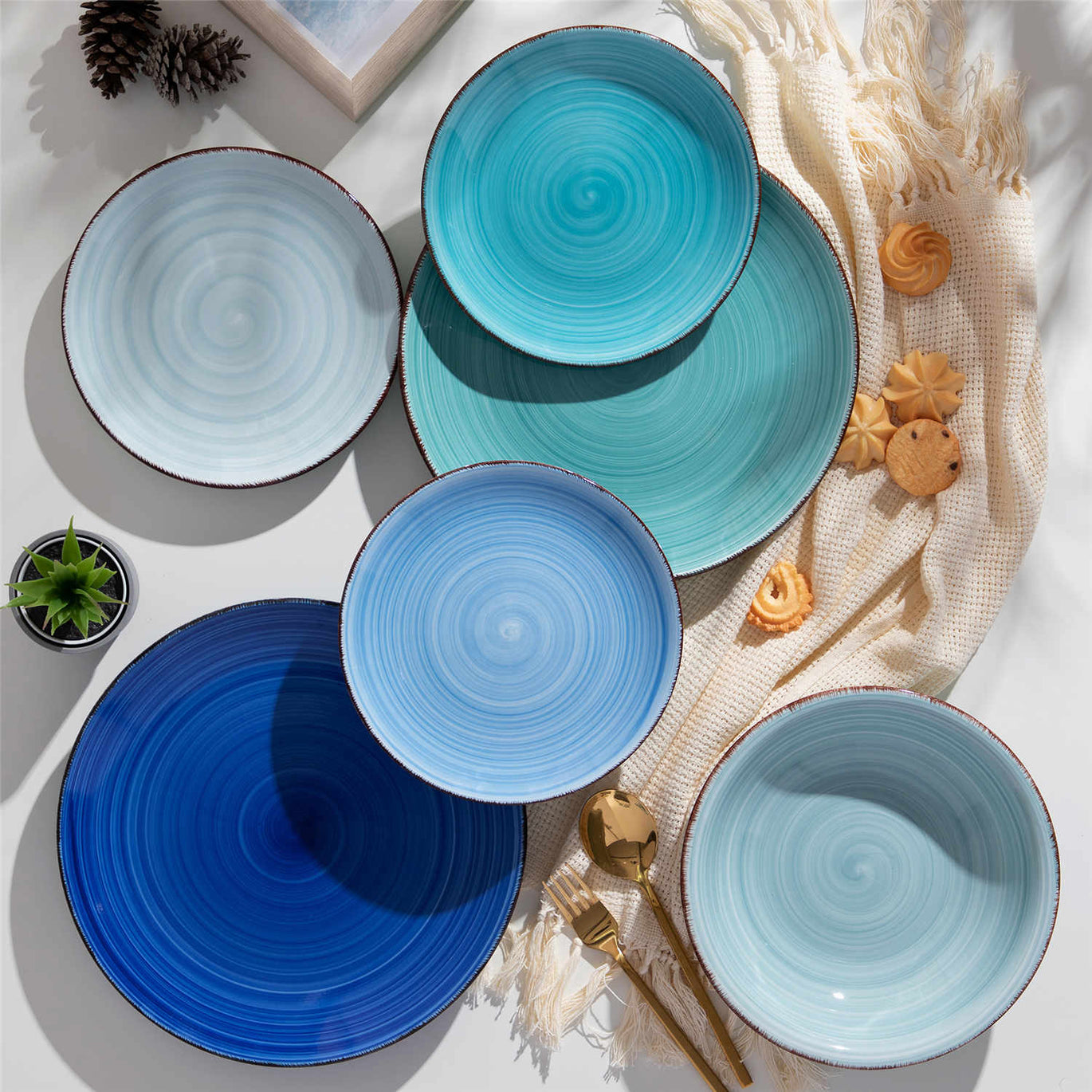


How Rustic Ceramic Dinnerware Shapes a Masculine Aesthetic at the Table

Masculine Aesthetic, But Make It Dinner
Masculine style has moved far beyond the tired stereotype of all-black everything. In menswear, earth-tone experts at Gentleman’s Gazette describe masculine palettes as rooted in browns, olives, rusts, and muted blues that echo real landscapes rather than neon billboards. On the table, the same mood shows up in dark, moody color stories, straightforward shapes, and textured, honest materials.
A masculine tablescape, as described in masculine tablescape guides from Hello Hayley, is usually built around deep tones like charcoal, black, navy, olive, and amber, grounded with raw or stained wood, stone, leather, iron, and matte black dinnerware. Lighting is lower and warmer, often with candles and lantern-style lighting rather than bright overhead glare. Centerpieces are intentional but unfussy: think a moss runner, a line of black candles, or a simple stone planter instead of a frilly bouquet.
If you zoom out, it looks remarkably similar to how men are advised to dress for a fancy dinner. Guides from Coveti emphasize a tailored suit in charcoal or navy, subtle texture in the fabric, minimal but high-quality accessories, and an outfit that respects both the venue and the occasion. Masculine table design works the same way: refined rather than flashy, built on quality materials and small details that reward a closer look.
Rustic ceramic dinnerware is where these ideas meet the plate. It gives you the tactile weight, grounded color, and subtle irregularity that feel quietly powerful rather than precious.

What Counts as Rustic Ceramic Dinnerware?
Rustic ceramic dinnerware is more than “plates that look a bit old.” In trend reports from Villeroy & Boch and HF Coors, modern rustic ceramics are defined by three big traits: artisanal texture, organic shapes, and glazes that celebrate variation instead of hiding it.
Stoneware and earthenware are the backbone. They bring a weighty, solid feel to the hand and often carry matte, speckled, or reactive glazes. Ekaceramic highlights hand-glazed plates fired at high temperatures, where the glaze is applied manually and each piece emerges slightly different. That one-of-a-kind finish is exactly what home entertainers and cafe owners are leaning into for stronger visual identity.
Rustic farmhouse guides from VanCasso emphasize color stories that feel like a walk through fields and gardens: sage and olive greens, warm terracotta, dusty vintage blues, stone and charcoal neutrals, and soft buttermilk yellows. Shapes tend to be slightly irregular rather than perfectly symmetrical, with thicker, “chunky” bowls and mugs, organic edges, beaded or embossed rims, and stackable silhouettes that still look handmade.
Other contemporary styles merge with rustic. Rustic Japandi, as described by 2Modern, blends minimalist Japanese silhouettes with warm, nature-driven materials like reclaimed wood, stone, bamboo, and rattan. On the table, that might look like a sleek wooden dining table, a reactive-glaze stoneware dinner plate, and a chunky knit runner for texture.
In restaurant settings, Bon Appetit notes that many fine-dining kitchens have moved away from glossy white china to handmade ceramics with irregular shapes and tactile glazes. Ceramists are treated almost like collaborators on the menu itself. That same energy is now available to home entertainers through small-batch makers, rustic farmhouse collections, and earthy stoneware lines like the Corsica Clay collection highlighted on Wayfair, where reactive glazes and terracotta tones make each piece feel crafted, not stamped out on a production line.
So when we talk about rustic ceramic dinnerware, think stoneware or earthenware, natural tones, matte or distressed glazes, subtle asymmetry, and visible evidence of the maker’s hand.

Why Rustic Ceramics Feel Confident and Masculine
Masculine aesthetics often lean into qualities like strength, clarity, and restraint. Rustic ceramics support all three, while still leaving room for warmth and hospitality.
First, there is color psychology. Sip The Style’s research into clay-driven restaurant interiors notes that warm earth tones like ochre and sienna can stimulate appetite and comfort, while deeper clay browns and stone shades create feelings of security. That is a perfect backdrop for a masculine dining room that wants to feel inviting, not intimidating. Gentleman’s Gazette similarly frames earth-tone outfits as lower contrast, more relaxed, and easier on the eye than harsh black and white, which maps neatly onto dinnerware in olive, stone, and charcoal.
Second, there is texture. The LA Times, in its look at handcrafted home decor, points out that people are gravitating toward small-batch, tactile pieces because they counter digital burnout and make spaces feel more human. On the table, a reactive glaze with speckles, a subtly irregular rim, or a matte, hand-thrown mug reminds your guests that a real person shaped this object. That sort of tactile honesty pairs naturally with masculine materials like leather, rough-hewn wood, iron, and stone.
Third, there is the emotional signal. In a Dhgate comparison of light luxury bone china and rustic stoneware, rustic sets are described as “workhorses” for relaxed family meals that evoke “grandma’s Sunday dinner” in a good way: cozy, lived-in, and unpretentious. For many men, that down-to-earth solidity feels more authentic than ultra-delicate china that demands perfect posture and constant worry about chips.
Combine all this and you get an aesthetic that reads as strong, grounded, and self-assured, but still generous and welcoming.

From Restaurants to Home: What the Pros Are Doing
If you want proof that masculine and rustic belong together, look at restaurants. TrendHunter’s showcase of rustic restaurant interiors highlights dining rooms full of timber beams, reclaimed wood, barn-inspired fixtures, and earthy finishes. These spaces are often linked to locavore, farm-to-table food and ethically produced ingredients. The interior design is part of the storytelling: rustic textures mean real food, real people, real craft.
Sip The Style goes a step further with clay-centric restaurant design, noting that about seventy-three percent of diners choose restaurants based on atmosphere. Venues featuring natural materials like stone and clay reportedly see roughly twenty-eight percent higher customer retention, and guests linger approximately thirty-one percent longer in spaces where they can touch authentic surfaces. In other words, stone-like glazes and clay textures are not just beautiful; they shape behavior.
HF Coors, a US-based dinnerware maker, reports that 2025 trends are moving toward sustainable stoneware, bold colors, and artisanal finishes. Their stoneware sets, made with sustainable practices, emphasize durability and everyday functionality alongside aesthetics. Kim Seybert’s dinnerware trend forecasts for 2025 echo that sentiment, describing rustic farmhouse and country sets as a core style family, built in stoneware and clay with speckled glazes and muted earth tones.
Bon Appetit’s profile of handmade restaurant ceramics shows chefs collaborating with potters to create plates that feel like an extension of the food narrative. These pieces often have irregular silhouettes, varied glazes, and visible throwing rings, adding up to a quietly dramatic backdrop that complements, rather than competes with, the food.
When you bring these ideas home, you are essentially borrowing the visual language that top-tier restaurants and designers use to say “this meal matters.” Rustic ceramics are the vocabulary; your masculine aesthetic is the accent.

Design DNA: How Masculine Style Mirrors Rustic Ceramics
There is an almost one-to-one translation between what makes a man look sharp at a fancy dinner and what makes a masculine table feel intentional.
Coveti’s guide to men’s outfits for formal dinners stresses a few themes: lean on timeless base colors like navy and charcoal, prioritize fit, add subtle texture through fabrics like herringbone or pinstripes, choose high-quality accessories, and match the overall vibe of the venue. On the table, your rustic ceramic dinnerware is the equivalent of the tailored suit.
Color is the first bridge. Gentleman’s Gazette recommends brown, tan, olive, and muted blues as foundation tones for menswear. VanCasso’s farmhouse dinnerware guide recommends sage and olive greens, rustic terracotta, dusty blue, stone and charcoal, and buttermilk yellow as the leading 2025 palette. Put those side by side and you see the same palette in cloth and clay. A charcoal stoneware plate with a dusty blue salad plate feels like a charcoal sport coat with a blue shirt. Terracotta bowls echo a rust-colored knit. Olive mugs behave like olive outerwear or a canvas field jacket.
Texture is the second bridge. Vustra’s sustainable menswear advice highlights subtle fabric texture and natural fibers like organic cotton and linen as a way to add interest without loud patterns. On the table, hand-glazed finishes, speckles, and brushstrokes are the ceramic equivalent. Ekaceramic’s hand-glazed plates and Wayfair’s Corsica Clay collection both lean on reactive glazes and visible flecks so each piece feels alive.
Then there is tailoring. In menswear, fit is everything. In dinnerware, the analog is silhouette. Rustic farmhouse sets described by VanCasso favor organic, slightly asymmetrical plates, thicker bowls that hold heat, and stackable forms that fit real kitchens. Rustic Japandi guidance from 2Modern points to clean lines and uncluttered silhouettes, with each piece chosen for purpose. Together, they create a table that feels like a well-tailored outfit: no extra fuss, just the right proportions and well-chosen details.
Finally, accessories. Coveti treats cufflinks, watches, and pocket squares as essential, not optional. Masculine tablescapes, according to Hello Hayley, do the same with metal candlesticks, leather napkin rings, slate boards, and dark-toned candles. Rustic ceramic dinnerware is the core wardrobe, and these accents are your tie clip and pocket square.

Color Palettes That Read Masculine, Not Muddy
Color is where rustic ceramics and masculine style can either sing or sag. Done well, you get moody, cinematic atmosphere. Done badly, you get a table that feels like a dim basement.
VanCasso’s 2025 farmhouse guide gives you a ready-made palette map. Sage and olive greens feel calm and fresh, especially next to off-white and light wood. Terracotta adds sunbaked warmth that pairs beautifully with copper hardware or amber glassware. Dusty blue is a softer alternative to navy and works well for salad plates or dessert bowls. Stone and charcoal neutrals ground everything and keep pastel tones from feeling too sweet. Buttermilk yellow is a whisper of warmth that keeps deep palettes from becoming too severe.
Masculine tablescapes highlighted by Hello Hayley layer these colors against dark backgrounds. You might start with a charcoal linen tablecloth, add stone-colored dinner plates, then layer dusty blue salad plates and olive napkins. Or you can go full lodge mood with matte black plates, terracotta bowls, and walnut chargers, softened by buttermilk-toned linen napkins.
Borrowing from Gentleman’s Gazette, remember that earth tones usually have lower contrast. Instead of stark black-and-white, aim for a stack of colors that step gently from dark to light. A charcoal plate, oatmeal napkin, and moss green runner will feel more relaxed and cohesive than a jet-black plate on a bright white cloth.

The Power of Texture: Matte, Reactive, Hand-Glazed
Texture is where rustic ceramics really flex into masculine territory. Matte finishes, reactive glazes, and visible brushstrokes create visual depth that feels sophisticated rather than fussy.
HF Coors reports that natural matte and speckled glazes are trending for 2025, giving dinner plates an organic, timeless finish. Ekaceramic highlights hand-glazed plates where glaze is applied manually and fired at high temperature, yielding unique variations that look incredible on camera and in person. Wayfair’s Corsica Clay collection uses reactive glazes with intentional flecks so every plate and bowl has its own subtle pattern.
Masculine tablescape guides recommend pairing these ceramics with equally tactile layers: burlap runners, jute placemats, linen napkins, leather napkin rings, and slate or stone serving boards. The LA Times notes that people increasingly seek out handcrafted decor precisely because of these imperfections and tool marks. In a wabi-sabi spirit, slightly uneven glazes and worn edges suggest a life well lived rather than a showroom display.
If you love sleek minimalism, you do not have to abandon it. Rustic Japandi shows that you can have matte stoneware in soft neutrals with just a hint of speckling, paired with smooth wood and simple glass. The trick is to keep the shapes clean and let the glaze do the talking.

Shapes and Silhouettes: Strong Lines, Organic Edges
Masculine design rarely relies on frills. It leans on clear, strong lines with just enough softness to feel inviting. Rustic ceramic forms are ideal for this.
VanCasso’s farmhouse trend guide points to slightly asymmetrical plates, thicker “chunky” bowls and mugs that retain heat, and beaded or embossed rims for subtle detail. Ekaceramic’s modern dish styles include geometric textured plates and wavy-edge shallow plates. Those wavy edges and geometric ridges read as sculptural rather than cute, especially in stone, charcoal, or deep green glazes.
Chunky handle mugs in stoneware feel like the ceramic version of a sturdy leather boot: weighty in a satisfying way. Ultra-flat, rimless plates in matte charcoal can echo the clean lines of a minimalist kitchen while still keeping that hand-made feel through glaze variation.
If you are building a masculine look, consider keeping the basic forms simple: round or slightly oval dinner plates, generous shallow bowls that can double as pasta or salad pieces, and low, wide mugs. Let one or two pieces carry extra character, like a wavy-edged platter or a deeply textured serving bowl, so the overall table still feels calm and intentional.

Pairing Rustic Ceramics with Wood, Metal, and Linen
Dinnerware never exists in isolation. The relationship between masculine aesthetic and rustic ceramic really comes alive when you add wood, metal, and textiles.
Rustic dining guides from Nestasia recommend anchoring the room with a solid wooden table, layering earthy table linens, and using simple artisanal cutlery, then adding natural elements like branches or seasonal fruits. Masculine tablescape examples from Hello Hayley add in black or dark green candles, iron or metal candlesticks, leather accents, and stone or slate boards to keep everything feeling confident and strong.
Rustic Japandi guidance suggests pairing a sleek wood table with a chunky knit rug or linen cushions to balance smooth and rough textures. On a masculine table, that might look like a dark-stained wood table, stoneware plates, a linen runner in stone or moss, iron candlesticks, and one sculptural ceramic centerpiece.
The key is restraint. Just as Coveti advises not to overload a tailored outfit with too many accessories, your table should pick a few material stories and repeat them. Wood and stone, iron and linen, leather and matte ceramic. When each material appears two or three times, the whole scene feels deliberate rather than thrown together.

Pros and Cons of Rustic Ceramic Dinnerware in Masculine Spaces
Here is how rustic ceramic dinnerware performs when you zoom out beyond the vibe and look at everyday life, especially through the lifestyle testing described in Dhgate’s comparison of bone china and rustic stoneware and durability insights from HF Coors and VanCasso.
Aspect |
Advantages for Masculine Aesthetic |
Watch-outs and Tradeoffs |
Visual impact |
Earthy, matte, and reactive glazes create moody, confident tables that echo menswear earth tones and rustic interiors. |
Deep matte colors can hide food details in very low light; balance with candles or lighter linens. |
Durability |
High-fired stoneware is generally chip-resistant and built as a “workhorse” for busy kitchens and relaxed family meals. |
Dhgate’s tests note that stoneware edges can still chip if stacked too tightly or banged around; good storage matters. |
Weight and feel |
Heavier pieces feel solid and substantial in the hand, reinforcing the grounded, masculine mood. |
Very heavy plates may be tiring for some guests, especially older adults or children; test the weight before buying a full set. |
Versatility |
Rustic sets move easily from casual weeknight stew to lodge-style holiday dinners and pair well with wood, leather, and metal. |
Ultra-formal, light luxury events may still call for bone china or thinner porcelain to match the dress code. |
Care and safety |
Most modern stoneware is microwave- and dishwasher-safe, with high-quality matte glazes designed for daily use, as Ekaceramic and HF Coors note. |
Pieces with metallic or gold trim, even rustic ones, should not go in the microwave; some reactive glazes may show cutlery marks over time. |
Sustainability and story |
Many rustic lines highlight recycled clays, lead-free glazes, and heritage craftsmanship; Wayfair’s bloomhouse collection even plants a tree with each set. |
Genuine artisan and eco-conscious pieces often cost more up front, and you need to watch for mass-produced items marketed as “handcrafted,” as the LA Times warns. |
For a masculine space that values character, longevity, and real texture, those advantages usually outweigh the tradeoffs, especially when you choose a set that matches your actual lifestyle, not an idealized dinner party that happens twice a year.
Mixing Rustic Ceramics with Light Luxury
You do not have to choose between rustic stoneware and light luxury bone china forever. In fact, Dhgate’s side-by-side testing suggests that a hybrid approach often works best, with light luxury pieces shining in showpiece moments and rustic stoneware carrying the everyday load.
One effective strategy is to pick a dominant style and use the other as an accent. If your home leans modern and minimal, you might use thin, light bone-china dinner plates as your base, then bring in rustic stoneware bowls or mugs in terracotta or charcoal for a more grounded, masculine twist. If your base is rustic farmhouse, you can add a few semi-translucent, light luxury salad plates or dessert plates with subtle ink-style designs to create contrast at special dinners.
Color cohesion is the non-negotiable. Dhgate’s recommendations and broader trend guidance suggest keeping the palette unified even when the materials differ. That might mean bone-china dinner plates in soft off-white paired with stoneware bowls in stone gray and mugs in dusty blue, or rustic sage plates stacked with crisp white appetizer plates. Kim Seybert’s trend commentary on layered tablescapes similarly emphasizes mix-and-match sets tied together through a shared color and material story.
Treat it like layering clothing. A bone-china plate is your crisp dress shirt, a rustic stoneware bowl is your textured knit, and the flatware and glassware are accessories. When they all speak the same color language, the pairing feels intentional and masculine rather than mismatched.
How to Choose Your First Rustic Set with a Masculine Edge
If you are ready to bring rustic ceramics into a masculine dining space, start with the same questions VanCasso poses for farmhouse buyers: who is using this every day, and how?
Daily-use households that reheat leftovers and run the dishwasher constantly should look for high-fired stoneware labeled dishwasher- and microwave-safe, with matte or satin glazes that hide wear. VanCasso favors thicker pieces for busy kitchens, and HF Coors notes that durable stoneware can last for generations when you follow care instructions. If you frequently host, consider a standard sixteen-piece set with four dinner plates, four salad plates, four bowls, and four mugs, then add a couple of serving platters or charcuterie boards.
Color-wise, pick two or three tones that fit your space and wardrobe. A masculine apartment with charcoal floors and brown leather seating might lean into stone, charcoal, and terracotta. A lighter, Japandi-inspired home might choose sage, oatmeal, and dusty blue. VanCasso recommends anchoring everything in neutrals so colorful or patterned pieces feel curated over time rather than part of a perfectly matched starter kit.
Material and sustainability values matter too. HF Coors highlights US-made stoneware with sustainable practices. Wayfair’s bloomhouse set uses sustainable clay and plants a tree for every purchase, tying your table directly to environmental impact. The LA Times suggests focusing on genuinely handcrafted or small-batch objects whenever possible and watching for vague “handcrafted” labels on mass-produced pieces.
If budget is tight, thrift stores, vintage markets, and local craft fairs are perfect hunting grounds. The LA Times notes that mixing old ceramics with new pieces can create story-rich vignettes that feel more personal than buying an entire matching set off a shelf. For a masculine approach, keep your eye out for sturdy shapes, muted glazes, and pieces that look good with your existing wood, metal, and textiles.
Care, Longevity, and Real-Life Use
A masculine, rustic table should not feel fragile. That said, even the most rugged stoneware benefits from thoughtful care.
The Dhgate comparison between light luxury and rustic dinnerware found that both styles held up well to repeated microwave reheats and dishwasher cycles over one to two weeks, but each had its own quirks. Bone china sets sometimes developed fine glaze crazing when overheated, while rustic stoneware felt more forgiving to bumps but could chip at the edges if plates were stacked too tightly or knocked into each other in the sink.
VanCasso suggests choosing high-fired stoneware for better durability and favoring matte surfaces that hide light scratches. Ekaceramic notes that most modern plates are microwave-safe, but any piece with metallic or gold detailing should never go in the microwave, regardless of how rustic it looks. Sip The Style emphasizes that natural materials like stone and terracotta surfaces in restaurants require pH-neutral cleaners and regular maintenance; at home, that translates to gentle dish soaps and avoiding abrasive scrubbers on delicate glazes.
Good storage is underrated. Dhgate’s usage diary recommends avoiding over-tight stacking and giving plates a little breathing room. If you are investing in handmade or artisan pieces, consider plate separators or felt pads between stacks. Just as you would not crush a tailored suit into an overstuffed closet, your dinnerware deserves storage that respects its structure.
Finally, use your pieces. The LA Times encourages people to bring even antique ceramics into active rotation, from pitchers holding silverware to tureens filled with seasonal flowers. Rustic stoneware is designed for daily life; each scuff and patina mark tells a story that fits perfectly with masculine, lived-in aesthetics.
Short FAQ
Is rustic ceramic dinnerware too casual for a formal, masculine dinner?
Not at all, especially when you style it like a well-cut suit. Rustic stoneware in deep charcoal, moss, or terracotta, layered with crisp linen napkins, polished flatware, and strong candlelight, can look as refined as bone china. Kim Seybert’s trend guidance shows that rustic and luxury elements frequently share the same table; the formality comes from how you put the whole scene together, not from the dinnerware alone.
What colors feel masculine without making the table gloomy?
Leaning on the palettes suggested by Gentleman’s Gazette and VanCasso works beautifully. Combine stone or charcoal with one livelier natural color such as sage, dusty blue, or buttermilk yellow. The darker tone keeps things grounded, while the softer shade stops the table from feeling heavy or monochrome. Think charcoal plates, dusty blue napkins, and light wood chargers, or stone plates with olive bowls and off-white linen.
Do I need a full matching set to pull off this look?
No. In fact, trend reports from HF Coors, VanCasso, and the LA Times all support mixing pieces over time. You can start with a basic four-person set of stone or charcoal plates, then layer in a few terracotta bowls, an oversized reactive-glaze serving platter, or hand-thrown mugs from a local potter. As long as the colors and textures sit in the same earthy family, the mix will feel curated rather than chaotic.
A masculine table does not have to shout to feel powerful. When you choose rustic ceramic dinnerware in grounded colors, textured glazes, and purposeful shapes, you get a setting that feels like a great conversation: warm, confident, and just a little bit rugged. Set it once, light the candles, and let your clay, wood, and metal quietly do the talking.
References
- https://researchrepository.wvu.edu/cgi/viewcontent.cgi?article=6107&context=etd
- https://www.jossandmain.com/keyword.php?keyword=rustic+melamine+dinner+plates
- https://www.sipthestyle.com/clay-decor-restaurant-trends-that-command-attention-in-2025
- https://www.wayfair.com/keyword.php?keyword=rustic+stoneware+dinnerware
- https://coveti.com/must-have-outfits-for-men-at-fancy-dinners/?srsltid=AfmBOop8QJVcsixvSPjmCg9YkakX54qgnMFfc7Bseowd5AK_9VXS7wz-
- https://smart.dhgate.com/light-luxury-vs-rustic-dinnerware-which-aesthetic-will-dominate-2025/
- https://ekaceramic.com/8-must-have-ceramic-dish-styles-for-modern-homes/
- https://www.gentlemansgazette.com/earth-tones-outfit-ideas/
- https://www.hello-hayley.com/masculine-tablescape-ideas/
- https://www.houzz.com/magazine/decorating-with-antiques-the-magic-of-ceramics-stsetivw-vs~27338213
Tu pourrais aussi aimer
Stern Ensemble de vaisselle 16 pièces
- £68.00
£77.00- £68.00
- Unit price
- pour
-
Blue
-
Green
-
Red
-
Grey
Simi Ensemble de vaisselle de 24 pièces
- £77.00
£104.00- £77.00
- Unit price
- pour
Bonita Service de table 18 pièces
- À partir de £49.00
£61.00- À partir de £49.00
- Unit price
- pour
-
Blue
-
Multicolor
Simi Service de table 24 pièces avec bols double face
- £82.00
£104.00- £82.00
- Unit price
- pour