



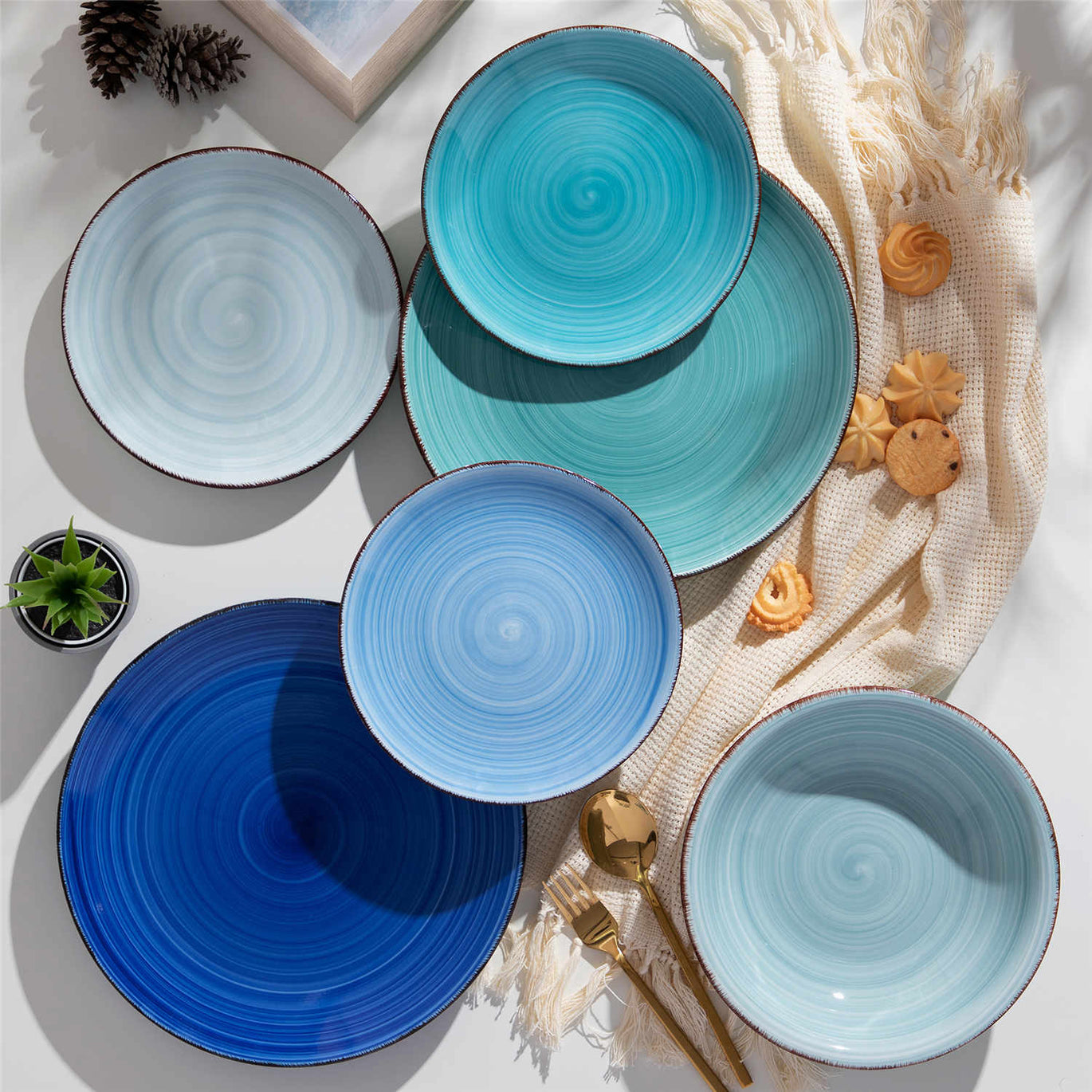


The New Glow on the Table: Technological Advances in Transparent Ceramic Tableware Materials

I have a soft spot for the way light dances around a colorful tabletop. When a plate glows—literally—it turns dinner into a tiny celebration. This is the magic of transparent and translucent ceramics at the table. In the last few years, makers have pushed past opaque norms to engineer tableware that transmits light, holds heat beautifully, and still stands up to daily life. Today, I’m unpacking how the materials are evolving, what that means for plating and performance, how to buy and care for them, and where transparency truly elevates the experience. Expect artful energy with practical chops—because beauty should be joyful, durable, and dishwashable.
What “Transparent Ceramic” Really Means at the Table
Most tableware fans use “transparent” and “translucent” interchangeably, but at the material level there’s a useful distinction. Glass is truly transparent; light passes straight through with clarity. Some ceramics—particularly fine porcelain and bone china—are translucent; light penetrates the body and glows through, especially when fired thin. Translucent porcelain starts life as a liquid clay slip poured into plaster molds and is fired to a glassy, rigid body that transmits light; pigments can be added to tint the body without choking off its warm radiance. Designers who work in translucent porcelain talk about treating the clay as a vessel for light, not merely a surface for food. This is a lovely way to think about contemporary tableware: engineering that glow on purpose, not by accident.
A second family worth knowing is glass-ceramic. This is a crystalline glass material engineered for tough thermal performance and low expansion; you see it commonly in smooth cooktops because it tolerates rapid temperature changes around 1,382°F without warping or shattering. While cooktops aren’t tableware, the same material science has influenced oven-to-table serveware, where transparency and thermal stability matter. Then there are tempered and borosilicate glasses—adjacent to ceramics in everyday use—that offer true transparency with their own pros and cons. Understanding these families helps you pair the right glow with the right job.

The Craft and Science Behind the Glow
Translucent Porcelain and Bone China: Light Through Clay
Translucent porcelain is a high-fired ceramic body known for a white, glassy structure that transmits light when made thin. Makers cast the form from liquid slip in plaster molds, then fire it to a vitrified state so the body becomes dense and non-porous. The technique is beloved for tableware and lighting alike because the clay captures geometry that hot glass often resists; porcelain accepts sharp lines, subtle facets, and crisp rims that glass tends to round out. Color can be added inside the clay body with pigments, giving ethereal tints that still glow at the edge of a bowl or the well of a plate.
Bone china—technically a type of porcelain with bone ash in the formulation—leans even more ethereal in its translucence while retaining strength in thin profiles. In use, these bodies flatter food and give a soft halo under candlelight. From a durability perspective, fully vitrified porcelain is chip-resistant, non-absorbent, and designed for heat. American manufacturers emphasize lead-free, food-safe glazes and robust performance in ovens, microwaves, dishwashers, and even freezers, and warranties against chipping over normal use speak to practical confidence. This is not fussy china that cowers on holidays; it is engineered ceramic meant to work Monday through Sunday.
Transparent Glass-Ceramic: Thermal Intelligence With a View
Glass-ceramic technology earns its reputation on the stovetop, where engineered glass with controlled crystallization resists thermal shock and discoloration and wipes clean without fuss. Performance claims include rapid temperature handling up to about 1,382°F and stable, low-expansion behavior that keeps surfaces flat even after repeated heating and cooling cycles. Translating that to the table suggests thoughtful serveware—platters, trivets, and oven-to-table pieces—that can play close to heat without fear. While dinner plates made from glass-ceramic remain niche, the technology’s migration into tabletop edges the category closer to pieces that combine clarity, heat resilience, and reliability.
Tempered and Borosilicate Glass: The Adjacent Specialists
Tempered glass is impact-strengthened and clear; borosilicate glass is celebrated for thermal shock resistance and clarity. Both sit next to ceramics in many homes. Industry guidance highlights their strengths for cold, composed dishes, layered desserts, raw bars, and as modern chargers—settings where transparency is a stage for color and structure. Operationally, glass can need extra polishing time because water spots and fingerprints broadcast themselves; scratches and mineral film are more visible on clear surfaces than on the soft gloss of porcelain. In my styling work, I often pair clear dessert plates with porcelain dinner plates to let the sweets sparkle while entrées enjoy better heat retention and contrast.

How Advances Change Plating, Performance, and Safety
Heat, Moisture, and the Gentle Cook
Ceramic’s love language is steady heat. Kiln-fired bodies in the 1,800–2,400°F range yield a dense, stable structure that holds warmth and distributes it evenly. In cookware, advocates go further, pointing out that ceramic emits far-infrared energy that cooks food gently and evenly while preserving moisture; while plates aren’t pans, that same thermal character helps a hot entrée arrive warm and stay inviting. Preheating a translucent porcelain plate for a minute or two can set soups and saucy dishes aglow without overheating rims or hands. After years of plating on test tables, I’ve learned to pre-warm bowls for glossy purées and to cool translucent salad plates for jewel-toned fruits—the same piece can be a cozy hearth or a cool stage depending on the menu.
Food Safety and Glaze Chemistry
Modern ceramic tableware is non-reactive and non-porous when properly glazed and vitrified. Reputable sources emphasize that contemporary glazes are made without historically problematic pigments such as lead and cadmium; buyers should still confirm lead-free and food-safe claims and look for compliance with standards followed by American brands, including FDA guidance and California’s Prop 65. Porcelain fired around 2,400°F creates a dense, naturally non-porous body; fully vitrified pieces inhibit bacterial absorption and resist odors. Clear glass and unpainted glass-ceramic are also inert and generally free of heavy metals. The real-world caveat is sensible and simple: avoid chipped or cracked pieces, retire anything with compromised glaze, and skip antique or decorative-only wares for food. American manufacturers highlight their lead-free assurances, vitrification, and even two-year chip guarantees under standard use, reflecting best practice more than marketing flourish.
Color, Perception, and the Psychology of Plates
Plating is a multisensory performance. Hospitality writers and gastrophysics research remind us that plate color and weight shift taste judgments. Reporting by NPR and work from Oxford-associated researchers have documented that white plates can heighten perceived sweetness and clarity of color, black can support savory impressions, and red can tamp down intake. A peer-reviewed study indexed by the National Library of Medicine found that plate beauty increased perceived tastiness and healthiness. The practical takeaway is generous: translucent porcelain and bone china deliver that reliable white canvas with a bonus glow, while full transparency asks you to curate the background. Clear glass surrenders its frame to whatever sits beneath—wood grain, linen weave, or a marble vein. When you want consistency without extra choreography, translucent porcelain remains the most forgiving route.

Design Moves That Make Transparent Ceramics Sing
Begin with thickness. Thin walls amplify translucence; slightly thicker rims add strength and a clean line that saves sauces from sloshing over. Consider geometry that embraces light: faceted bowls catch candlelight in prismatic bands; shallow wells turn a halo into a stage. I favor a satin or soft-gloss glaze that hides micro-wear but still lets light move through the body. Underrim finishing matters for service life and stacking. A well-burnished or glazed underrim helps pieces slide without abrasion and makes the set more forgiving in a busy kitchen or an enthusiastic family cabinet.
Plating technique becomes a game of light management. For warm entrées on translucent plates, preheat the body slightly so steam doesn’t condense and streak the glow. For desserts, a cool plate keeps whipped cream structured and fruit tones crisp. If you love transparency but want predictable framing, layer mid-tone linens in slate, olive, or sand beneath clear plates to give pale foods contour. For sweets in particular, set a white napkin under a clear dessert plate to quietly boost perceived sweetness while keeping the airy feel.
Care is mostly technique. Wash promptly, dry with a soft towel to banish water spots, and avoid abrasive pads that haze glass and scratch glaze. Ceramic resists scratches better than you think but lives longer with wooden or silicone utensils; glass rewards gentle stacking with separators to prevent micro-scuffs. Thermal shock is the nemesis of every material. Let pieces acclimate between hot and cold, and skip the “from refrigerator to hot oven” trick with both glass and ceramic.

Pros and Cons in Practice
It’s helpful to see how these materials compare when the plating gets real. The table below is a quick field guide you can feel at the sink and see on the plate.
Material class |
How it achieves glow |
Heat behavior |
Impact/chip behavior |
Upkeep realities |
Where it shines |
Watch-outs |
Translucent porcelain/bone china |
High-fired, vitreous clay body that transmits light when thin |
Holds heat well; resists absorption; oven/microwave friendly in most American-made lines |
Strong rims; fully vitrified bodies resist chipping under normal use |
Easy cleaning; hides micro-wear; dishwasher friendly per maker guidance |
Everyday entrées, luminous soups, tasting menus, candlelit settings |
Avoid thermal shock; replace chipped glaze; confirm lead-free, food-safe claims |
Transparent glass-ceramic |
Crystallized glass engineered for low expansion and thermal stability |
Excellent thermal shock resistance; even surface temperature |
Tough against heat; moderate impact resistance varies by design |
Wipes clean easily; resists discoloration |
Oven-to-table serveware; trivets; hot apps |
Dinner plates are less common; still avoid abrupt fridge-to-oven jumps |
Tempered glass |
Clear glass strengthened by tempering |
Stable for typical hot/cold service; not for broilers |
Good impact resistance; edges can chip if abused |
Shows fingerprints and water spots; polish for service |
Cold composed salads, layered desserts, modern chargers |
Background shows through; scratches and mineral film are visible |
Borosilicate glass |
Low-expansion glass for thermal shock resistance |
Handles hot/cold swings better than common glass |
Moderate impact toughness; rims need care |
Cleans easily; remains clear when cared for |
Glass teaware, see-through sides for parfaits and fruits |
True transparency demands styled backgrounds to maintain contrast |
The message is consistent across sources and my own projects. Classic vitrified porcelain is the daily driver that stays beautiful with minimal fuss; glass is a specialist that sparkles when you stage it. Glass-ceramic invite heat-adjacent serveware with composure. If your goal is maximum joy with minimum choreography, start with translucent porcelain or fine bone china and add clear accents where you want a deliberate window.

Buying and Caring With Confidence
Safety and quality start with labels and provenance. Look for lead-free, food-safe claims from reputable brands and compliance with standards modeled by American makers. Modern manufacturers highlight vitrified bodies, non-porous glazes, and oven, microwave, dishwasher, and freezer compatibility. I sanity-check these claims the unglamorous way: order one or two pieces, put them through your real life for two weeks, and watch for warping, glaze pinholes, underrim roughness, and stacking behavior. If a brand offers a chip warranty, that’s a practical signal of confidence.
In the store or unboxing at home, pay attention to evenness. A smooth, consistent glaze without bubbles or bare specks reduces staining and keeps cleaning effortless. Weight should feel balanced—thin enough to glow and stack comfortably, sturdy enough to avoid flex at the rim. For glass, hold a sample under bright light to check how prone it is to scuff visibility. If your water leaves spots, keep a soft, lint-free towel near the dishwasher and dry as soon as the cycle ends for clear pieces; porcelain tends to look perfect with air-dry alone.
Everyday care is simple. Wash and dry after use, avoid high-abrasion scouring, and give pieces a moment to adjust between extremes of temperature. For clear glass, a quick wipe with diluted white vinegar lifts mineral film. Store fully dry with separators for delicate rims. Retire anything chipped or cracked—not because it looks imperfect but because a compromised glaze is no place for food.
When Transparency Elevates the Experience
Cold, colorful dishes love a transparent stage. Composed salads with crisp cuts, jewel-toned fruits, and layered desserts read dramatically through clear walls. Pastry benefits from that jewel-box effect—especially when you want to show architecture or internal layers. For a luminous main course, translucent porcelain turns soups and glossy sauces into quiet theater under soft light. In brand-forward spaces, porcelain’s inherent opacity makes it easy to place discreet marks or signature lines; transparency complicates logos, which is charmingly liberating at home but challenging across locations.
Gastrophysics adds one last nudge. If you want a dessert to read sweeter and brighter, a white, subtly translucent plate helps every time. In my own testing, a square biscuit glazed white over a warm translucent body gives tart lemon bars a clear edge while avoiding the glare of pure white glass. For steak night or deeply savory braises, classic porcelain shapes frame the dish with predictable contrast, and the weight feels reassuring without fatigue.

Sustainability and Lifecycle
There are two honest sustainability stories on the table. Clear glass is recyclable, and that matters in a world that needs closed loops. Fully vitrified ceramics build their case by lasting longer; chip-resistant rims and non-absorptive bodies reduce replacement frequency, which lowers environmental impact over time. Many American dinnerware makers emphasize long warranties and repairable ecosystems—matching replacements, consistent glazes over years, and robust service guidelines that keep sets out of the landfill. If you want your table to tread lightly, the best strategy is simple: buy fewer, better pieces, wash gently, store thoughtfully, and lean on materials that survive your real life.

Definitions You Can Use Tonight
Translucent porcelain is a high-fired, glassy ceramic that transmits light through a thin body. Bone china is a porcelain variant with bone ash that enhances strength and translucence in delicate profiles. Glass-ceramic is an engineered glass with microcrystals for high thermal stability and low expansion, the same material family used in smooth cooktops. Tempered glass is clear glass strengthened by controlled cooling for impact resistance. Borosilicate glass is a low-expansion glass known for thermal shock resistance and durable clarity. Vitrified tableware refers to ceramic fired until dense and non-porous, ideal for daily use in ovens, microwaves, and dishwashers when the brand specifies.
Short FAQ
Are translucent porcelain and bone china safe for everyday meals and appliances?
High-quality porcelain and bone china are typically lead-free, fully vitrified, and non-porous, which makes them safe, hygienic, and friendly with ovens, microwaves, and dishwashers as long as the maker states so. American manufacturers emphasize compliance with FDA guidance and California’s Prop 65 and often back that with chip guarantees, which is a practical signal of quality.
Does clear glass or glass-ceramic make food taste different?
Plates do not change flavor chemically, but perception is real. Hospitality research shared by reputable outlets notes that plate color and beauty shift taste judgments at the table. The white glow of translucent porcelain can make sweets read brighter, while full transparency requires careful background staging to maintain contrast.
How do I keep clear pieces spotless without fuss?
Dry promptly after washing to prevent water spots, and keep a small bottle of diluted white vinegar for any mineral film. Store fully dry and use thin separators for stacked pieces. For weekly care, that’s it.

A Color-Loving Curator’s Closing
Gorgeous food deserves a stage that sparks joy and simplifies life. When you want reliability with a quiet glow, choose translucent porcelain or bone china and let light slip through the clay. When you crave a showpiece moment, bring in clear glass strategically for composed salads and desserts, and lean on glass-ceramic when heat is part of the choreography. Design with light, plate with intention, and care for your pieces with a little gentleness. Your table will sing in full color, and your guests will feel the joy.

Sources Mentioned
Ember Collective on translucent porcelain craft and design; HF Coors on vitrified, lead-free, American-made dinnerware and chip guarantees; Greenopedia on ceramic safety, firing temperatures, and gentle heating behavior; Healthier Homes on safe dinnerware materials and high-fire porcelain; Restaurantware on porcelain’s durability, firing, and hygiene; hospitality and gastrophysics reporting including NPR and Oxford-associated research and a study indexed by the National Library of Medicine; MALACASA’s operational insights on clear glass performance, cleaning, and best uses; Kanger Glass on glass-ceramic thermal stability; Villeroy & Boch on ceramic durability in daily contact with acids, heat, and abrasion.
References
- https://publishing.globalcsrc.org/ojs/index.php/sbsee/article/download/2461/1502
- https://www.researchgate.net/publication/366941291_Assessing_the_Impact_of_Tableware_and_its_Influence_on_the_Fine_Dining_Experience
- https://insights.made-in-china.com/What-Kind-of-Ceramic-Tableware-Do-Luxury-Restaurants-Use-to-Enhance-Dining-Experiences_XarADIqWsxli.html
- https://www.xiandingmu.com/news-the-benefits-of-using-clear-glass-plates.html
- https://www.enpaktw.com/blog/37-The-Art-of-Food-Presentation-Modern-Clamshell-Solutions
- https://greenopedia.com/ceramic-cookware-benefits/
- https://www.healthierhomes.com/post/what-is-the-safest-lead-free-dinnerware?srsltid=AfmBOoprbniPuVYZQqxYkJxRkV_UjTdQo3KSi6QpHW8n3Pzz1QRNVhoe
- https://www.hodegroup.com/10-reasons-to-invest-in-porcelain-plates-for-your-hotel-dining-room/
- https://joyye.com/info-detail/how-ceramic-tableware-enhances-healthy-dining-experiences
- https://www.nordicware.com/benefits-of-ceramic-cookware/?srsltid=AfmBOoqZL23K1OZhnJ_i-K89gGchydE8AnX_OXhEoUu44Oe1m57SR9Nk
Tu pourrais aussi aimer
Stern Ensemble de vaisselle 16 pièces
- £68.00
£77.00- £68.00
- Unit price
- pour
-
Blue
-
Green
-
Red
-
Grey
Simi Ensemble de vaisselle de 24 pièces
- £77.00
£104.00- £77.00
- Unit price
- pour
Bonita Service de table 18 pièces
- À partir de £49.00
£61.00- À partir de £49.00
- Unit price
- pour
-
Blue
-
Multicolor
Simi Service de table 24 pièces avec bols double face
- £82.00
£104.00- £82.00
- Unit price
- pour