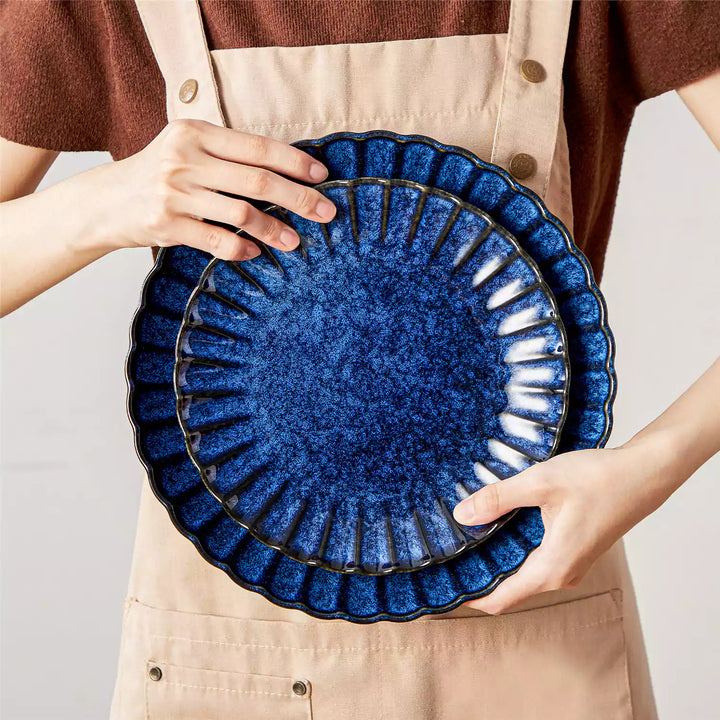


Cloudy, white, or hazy dishes can be frustrating, especially when they come out of the dishwasher looking less clean than when they went in. However, in many cases, cloudy dinnerware doesn't mean that the dish is ruined forever. A dull-looking surface can be caused by a layer of hard-water minerals or detergent residue from a dishwasher cycle. Marks may also be visible on ceramic and stoneware as a result of contact with cutting utensils, loading patterns or washing conditions. The first step is to determine the cause of the problem before trying to clean the surface.
This guide will help you identify removable mineral film from potential glaze damage when cleaning dishwasher-safe dinnerware based on finish and product-specific instructions.
Why Hard Water Leaves a White Film on Ceramic and Stoneware Dishes
One of the most common causes of ceramic and stoneware dishes becoming cloudy or white after washing is due to hard water. It is rich in minerals, especially calcium and magnesium. These minerals can leave behind a thin layer of minerals known as mineral film when the water evaporates from the dish during the drying cycle. The result can look like a white haze, spots, or a dull coating across the surface.
Hard-water film is usually a surface deposit and not a change in the glaze. It can be more prominent on dark-colored, shiny or highly polished dinnerware. It is also possible to observe high-density patches near the edges, bases or water accumulation points. High-density patches can also be observed around the edges, bases or water accumulation points. If the cloudiness shifts or clears after a gentle cleaning of the surface with a technique approved for your dinnerware, the glaze is probably in good condition.

How Dishwasher Detergent, Water Temperature, and Loading Cause Cloudiness
This is not necessarily due to hard water. If the dishwasher is overfilling the detergent dispenser, it may not rinse properly, or the water quality may not be suitable for cleaning, leaving detergent residue. Too much detergent can leave a film of haze, similar to mineral deposits.
The temperature of the water is also important. A dishwasher requires a specific temperature to be able to dissolve the detergent and remove food soils, but too extreme a temperature may not work for all dinnerware. Never assume that a hotter cycle is better, always follow the manufacturer's recommendations for the dishwasher.
Dishwasher loading can contribute as well. If plates and bowls are too close together, water and detergent may not get to all surfaces, leaving residue. Items should be arranged to allow spray to flow around freely. Rubbing of the ceramic or stoneware with the cutlery can also cause transfer marks that may appear gray or metallic in color and are confused with glaze issues.
A Safe Spot Test Before You Deep-Clean Cloudy Dinnerware
Do a small spot test before treating a whole dish. Select a discreet location and use a cleaning method that is allowed by the manufacturer's product-specific care instructions. Gently clean the area chosen, rinse it thoroughly and examine it under good lighting.
If the cloudy appearance improves in the tested area, the problem is more likely to be a removable deposit such as hard-water film or detergent residue. Don't assume that the glaze is damaged if there is no change. Some deposits may need a different approved cleaning process and some finishes will naturally have a softer or less reflective look.
Do not use vinegar, scrubbers or baking soda on all cloudy dishes. The techniques are not suitable for all ceramic and stoneware finishes, especially decorative, reactive or matte finishes. If unsure, adhere to the care instructions provided with the dinnerware.

Cleaning Glossy, Matte and Reactive Glaze Dinnerware Safely
Glossy glaze tends to be easier to check as changes in the glaze's sheen are more noticeable. For cloudy glossy dinnerware, begin with gentle washing using a soft sponge or cloth and the recommended dishwashing method. If the manufacturer's directions allow, test the descaling or mineral-removal product on a small area first.
Matte finishes should be treated with extra care as they can change with too much scrubbing. Do not use abrasive pads or cleaners unless approved. If there is a residue that persists, a gentle hand-cleaning technique might be better.
Colors, textures, and surface effects can be intentionally varied in the production of reactive glaze dinnerware. Cleaning should be done as per the manufacturer's instructions since the appearance is part of the design. Don't assume that a cloudy or uneven-looking area is damaged just because it doesn't look the same as a uniformly glossy dish.
When Cloudiness Is Cosmetic and When the Glaze May Be Damaged
A removable mineral film typically appears as a film that lies on the surface. It may look uneven, spotty or powdery and may benefit from proper cleaning. A similar haze can be caused by detergent residue, but it is likely to occur with several dishes in the same wash.
When the surface looks like it has been permanently changed, it is more worrisome because of the possibility of glaze damage. Look for gloss loss, rough spots, odd textural changes, fine cracks, chips or worn areas after proper cleaning. True glaze damage is usually not removable and will not go away.
The ceramic glaze problem is not necessarily comparable to glassware-etching problems. Materials and finishes vary in their response to dishwasher conditions. If the appearance is not changed and you are not certain if the surface has been changed, the next best step is to follow the product-specific guidance.

How to Prevent White Film in Future Dishwasher Cycles
Start by checking whether your water supply is hard. Dishwasher settings or water-treatment recommendations may need to be adjusted due to increased calcium and magnesium deposits from hard water. Follow the detergent instructions for your machine and detergent and don't assume that more detergent will clean better.
Keep spray arms clear and do not overcrowd plates, bowls and cups. Proper loading of the dishwasher ensures that water and detergent flow through the machine. Selecting the right cycle and following the dinnerware manufacturer's recommendations can also help preserve the finish.
If you own microwave and dishwasher safe dinnerware, remember that being dishwasher safe does not mean every dishwasher setting is suitable under every condition. Always follow the care recommendations provided for that specific collection.
When to Contact Customer Service or Replace a Damaged Dish
If a dish still has a cloudy appearance after using the recommended cleaning method by the manufacturer, contact customer service before using more aggressive cleaning methods. Describe the dishwasher cycle, dishwasher detergent, water conditions and the appearance of the affected dishes. Photos can also assist customer service in determining the problem.
Change dinnerware when it has a lot of chips, cracks, structural damage or other defects that make it unsuitable for continued use. Cloudiness is not always a cosmetic problem and does not require replacement.
If you are wondering, "is stoneware dishwasher safe?" or "can stoneware go in the dishwasher?" the answer depends on the specific product and manufacturer's instructions. Some stoneware collections are dishwasher safe, but there are many factors that can impact how safe a collection is for the dishwasher, including glaze, decoration, construction, and collection.

FAQs about Cloudy Dishes and Dishwasher Care
Q1: What Causes Cloudiness in Dishes After Dishwasher?
Hard water mineral film and detergent residue are the most common causes. When water dries, calcium or magnesium deposits may be left behind, and if detergent is used or not rinsed off thoroughly, a hazy film may be left behind.
Q2: How Do I Know if the Dishes Are Cloudy and Have a Hard-Water Film?
Search for white or spotted coating that seems to be on the surface. A small, manufacturer approved spot test can be used to see if the appearance improves with gentle cleaning.
Q3: Is Cloudy Stoneware a Sign of Glaze Damage?
Not necessarily. Mineral deposits or detergent residue can cause stoneware to become cloudy. Roughness, cracks, chips or permanent changes in the glaze are more worrisome.
Q4: Is It Safe to Use Vinegar to Clean Cloudy Dinnerware?
Do not use vinegar unless the manufacturer's care instructions confirm that it is suitable for the specific glaze or finish.
Q5: Is Dishwasher Safe Dinnerware Completely Protected From Cloudiness?
Dishwasher safe means the product is designed for dishwasher use under the recommended conditions. Surface residue or cosmetic changes may still occur due to hard water, detergent levels, water temperature or loading.