

Selecting the appropriate dinnerware for your family may be an easy task until you have young children. Safety suddenly becomes as important as durability, and convenience is more important than ever. Families now desire non-toxic, lead-free, and microwave and dishwasher-safe dinnerware that can withstand daily use, spills, and constant reheating of snacks and leftovers. At the same time, they desire items that are attractive on the table and promote healthy and happy eating.
This guide will take you through the safest materials, key certifications, kid-friendly features, and the unexpected advantages of colorful dinnerware sets. You can find all the information you need whether you are purchasing your first family set or you are upgrading to a safer and more durable one.
The Secret Dangers of Plastic and Melamine
Plastic and melamine plates have been the favorite of many households among the kids. They are light, indestructible and cheap. However, in the long-term safety, these materials are associated with risks that families need to know.
Health Concerns
Plastic and melamine dinnerware might appear convenient, but they can accumulate micro-scratches over time- small grooves formed during repeated washing, use of utensils, and accidental drops. These scratches can contain bacteria and the plates become more difficult to clean.
Moreover, some forms of plastic can contain BPA, phthalates, or other chemicals that can leach into food during heating. Melamine, especially, should not be used in microwaves. When melamine containers are subjected to high temperatures, traces of the substance may leak into food, which is particularly alarming in the case of children whose bodies are still developing.
Environmental Impact
Disposable or fast degrading plastics are also a major source of waste. Families tend to dispose of plastic plates more frequently than ceramic or stoneware, which leads to a higher contribution to landfills. Replacing short-lived materials with long-lasting ones such as glazed stoneware or bamboo composite will help to decrease the environmental impact and contribute to a more sustainable home.

Best Dinnerware Materials for Kids: Advantages and Disadvantages
Material is important when selecting non-toxic dinnerware among kids. The following is a brief comparison of the most popular ones in the market today.
Glazed Stoneware
Pros:
- Extremely durable.
- Lead-free when produced by reputable manufacturers.
- Fashionable and comes in colorful dinner sets.
- Dishwasher and microwave safe.
- Stain and odor-resistant.
Cons:
- A little heavier than plastic.
Dinnerware sets made of stoneware are one of the most suitable choices of families- they are durable enough to be used on a daily basis and yet classy.
Porcelain
Pros:
- Lightweight in comparison to stoneware.
- Smooth, non-porous surface.
- Dishwasher and microwave safe.
Cons:
- Slightly more fragile.
- Can chip if dropped.

Bamboo Composite
Pros:
- Light and environmentally friendly.
- Frequently stronger than plastic.
- Attractive matte finish.
Cons:
- Most bamboo sets contain melamine binders, so never forget to check labels.
Stainless Steel
Pros:
- Nearly indestructible.
- No chemicals or coatings.
Cons:
- Not microwave safe.
- Limited design options.
- May make food less attractive to children.
Silicone
Pros:
- Great for toddlers.
- Soft, flexible, and safe.
Cons:
- Not suitable in family dining.
- Unsuitable to substitute actual dinner plates as children develop.
Safety First: How to Find Lead-Free and Non-Toxic Dinnerware
No parent would wish to be concerned with dangerous chemicals coming into contact with the food of his or her child. This is how to ensure that your dinnerware is indeed lead -free and non-toxic.
Understanding Glazes
Patterned dinnerware is frequently made using either underglaze or overglaze. Seek underglaze designs, in which patterns are drawn on a clear protective coating. This implies that the artwork does not come into direct contact with food, which provides an extra level of protection and makes the colors bright over the years.
Glazed stoneware remains one of the safest materials due to the fact that the glaze is fully sealed during high-temperature firing.

Label Reading
Always look at clear terms like:
- Lead-Free.
- Cadmium-Free.
- Non-Toxic Dinnerware.
- Prop 65 Compliant (a good sign of safety).
When a brand fails to state that it is lead-free, it is best to avoid it.
Myth Busting
There are those who think that only white plates are safe. This is outdated. Contemporary manufacturers apply non-toxic and high quality glazes that render colorful dinnerware sets as safe as plain white ones. Color is not a sign of toxicity if the dinnerware is lead-free and cadmium-free.
Durability Essentials: Is Your Dinnerware Microwave and Dishwasher Safe?
In the case of families with young children, convenience is what matters the most.
The Convenience Factor
Microwave and dishwasher-safe dinnerware are necessary between reheating snacks, warming baby food, or washing dishes several times a day. Stoneware dinnerware sets are the best in this case, they can withstand heat and can be washed many times without losing color and shine.
What to Avoid
- Metallic Accents: Gold or silver rims can be a source of spark in the microwave.
- Delicate Over glaze Patterns: Over glaze artwork painted by hand can fade over time when subjected to dishwashers.
- Unlabeled Ceramic Pieces: They should always be marked with microwave-safe and dish washer-safe.
Durability in Wash
Good glazed stoneware will still have its glossy finish after hundreds of dishwasher cycles. This makes it one of the surest long-term investments to families.
How Colorful Designs Can Encourage Picky Eaters
Dinnerware is not only practical, but it can contribute to the attitude of children towards mealtime.
Color Psychology
Studies indicate that bright colors such as yellow, orange, and red can arouse appetite and make food look more attractive. The blue and green colors can be used to make meals relaxing.
Visual Framing
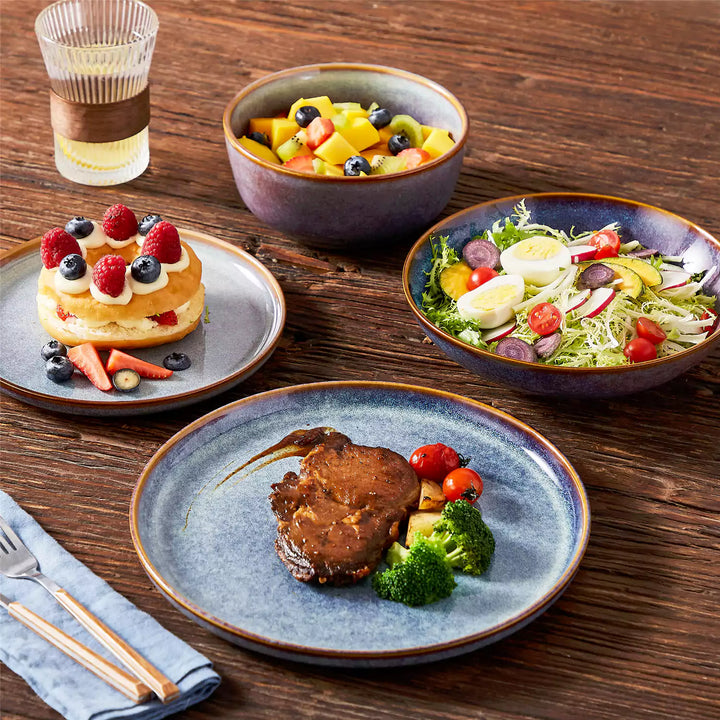
Spirals, mandalas, and Bohemian patterns make simple meals special and create a feeling of fun. Children are more interested and involved in what they see in front of them when a plate frames the food.

Personalization
Assigning each child a different color makes dinner a game. Children enjoy picking their own plate, and it can be used to decrease resistance to meals.
Family Dinnerware Buying Guide: 5 Features to Consider
These are the necessities to consider when purchasing the ideal family set:
- Lead Free and Non-Toxic - It is always better to focus on safety certifications.
- Quality of Materials - Stoneware dinnerware sets are the most durable and beautiful.
- Microwave and Dishwasher Safe - A necessity to busy parents.
- Chip Resistance - This is particularly significant when children are using their own dishes.
- Color & Design Variety - Select patterns that promote happy meals.
The Ideal Set to Your Family Table
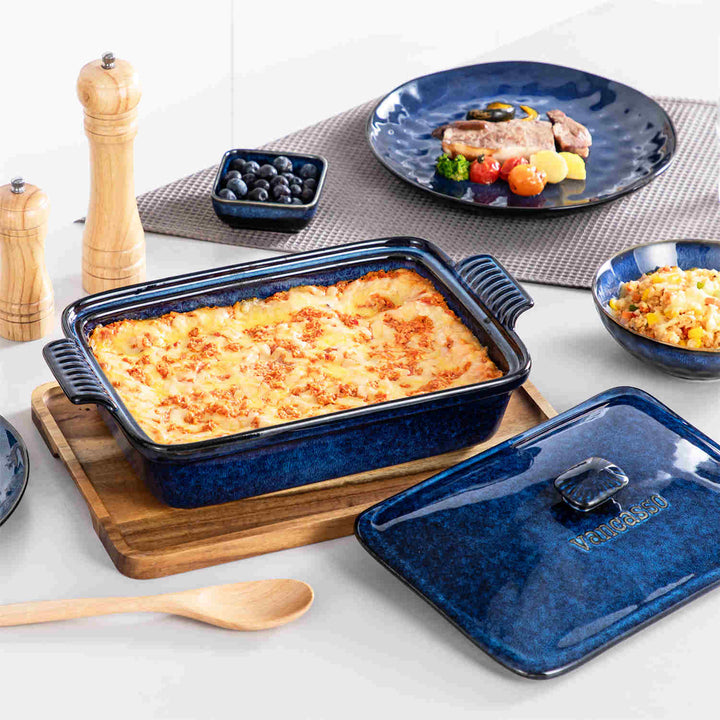
The perfect dinnerware set must be safe, durable, stylish, and convenient to use daily. One of the most versatile choices is glazed stoneware, which is strong, beautiful, safe in the microwave, and retains its color over time. Families seeking durability will like the way stoneware can withstand day-to-day wear and tear.
Find brands with colorful dinnerware sets with underglaze patterns, clear safety labels, and durable construction. Family meals can be easier, happier, and healthier with the help of the right dinnerware.
FAQs
Q: Is Stoneware Safe for Kids?
A: Yes. Glazed stoneware is of high quality, non-toxic, lead-free, and very durable.
Q: Is It Possible to Microwave Stoneware Dinner Plates?
A: Stoneware can withstand heat provided it is marked as microwave safe.
Q: Are Colorful Plates Safe to Children?
A: Absolutely. Colored dinnerware is safe provided it has non-toxic and lead-free glazes.
Q: Are Plastic Plates Unsafe?
A: Plastic and melamine are scratchable and can leach chemicals when heated, so they are not the best to use in the long run.
Q: Which Is the Safest Dinnerware?
A: Stoneware or porcelain lead-free dinnerware is usually the safest and most durable option for use by the family.