

A platter does more than carry food from the kitchen to the table. Its shape changes how guests reach, how glasses and candles fit around the food, and whether the table feels relaxed or crowded the moment everyone sits down.
That is why serveware deserves more thought than it usually gets. A beautiful piece that blocks half the table, hides in a lower cabinet because it is awkward to store, or makes guests pass heavy dishes across wine glasses is not really helping. The right shape makes serving easier before anyone takes the first bite.
Key Takeaway: Oval, round, and rectangular platters each solve a different hosting problem. Choose the shape based on food layout, table flow, storage space, and how often you entertain.
Why Platter Shape Matters for Serving and Table Flow
A serving piece has to do two jobs at once. It needs to make food look generous, and it needs to behave well on a real table. That second part is where many hosts get surprised.
A table is rarely as open as it looks before dinner starts. Glasses drift inward. Someone moves a candle. A bottle lands in the middle. Napkins take up more space than expected. Suddenly, the oversized dish that looked perfect on the counter has nowhere graceful to go.
Shape controls that chaos. A long piece can guide the eye down the table without swallowing the center. A round piece creates a natural gathering point. An oval piece softens larger dishes without feeling as rigid as a rectangle.

Storage matters too. If a serving piece only works once a year, it usually ends up trapped in the cabinet nobody wants to open. The best serveware earns its space by working for real dinners, not just staged holiday photos.
Oval Platters for Roasts, Fish, Bread, and Shared Mains
An oval platter feels generous without looking boxy. Its length gives food room to stretch, while the curved ends keep the table from feeling stiff. That makes it especially useful when the food itself has a natural direction.
Roasts sit comfortably on an oval form because the outline follows the dish's shape rather than leaving awkward empty corners. Whole grilled fish looks more intentional when it has room from head to tail. A row of sliced bread feels relaxed rather than squeezed into place. Even a shared main with sauce or garnish benefits from that softer rim because it gives just enough containment.
There is also a practical reason hosts reach for oval pieces. They are easier to pass than many oversized rectangles. The curved ends are kinder to crowded tables and less likely to bump into glassware when someone shifts the dish a few inches to make room.
An oval stoneware serving platter adds a grounded, table-ready feel without making dinner look overly formal. It suits the kind of hosting most people actually do: warm, shared, and slightly improvised.
Choose oval when the food has length, volume, or a softer family-style presentation.
Round Platters for Appetizers, Desserts, and Centered Displays
A round platter draws people in. There is no front, no end, and no obvious "best side," which makes it easy for guests to reach from different places around the table.
That works beautifully for centered displays. A low arrangement of small bites, a small bowl in the middle, or a loose circle of desserts feels approachable without needing fussy styling. The shape naturally tells people how to gather around it.
The key is restraint. A round piece loses its charm when it becomes a pile. Too much height in the center blocks conversation, and too much food around the edge makes guests hunt for space. Leave a little room. It looks better, and it serves better.
This is where a coordinated serveware set can help. When the round piece shares a finish or color family with other serving pieces, the table feels collected rather than overly matched. That small difference matters in a home where hosting is casual, not choreographed.

Choose a round when the food should feel communal and easy to reach from all sides.
Rectangular Platters for Sushi, Charcuterie, and Long Tables
A rectangular platter brings order. Not stiffness. Order.
Placed down the center of a narrow dining table, a long rectangular piece can untangle the whole setup. It slides between wine glasses, taper candles, and small bowls without forcing guests to pass a wide dish back and forth. On long tables, this shape simply behaves well.
Sushi plates show the advantage clearly. The clean lines of the food and the platter work together, so the presentation feels sharp before you add anything extra. Rectangular pieces also suit charcuterie because they let different sections sit in their own lanes rather than collapsing into a single crowded mound.
The danger is choosing one that is too long for real life. A dramatic piece may look beautiful online, only to refuse to fit in the cabinet or dishwasher. It sticks out past the shelf, gets wedged behind mixing bowls, and somehow becomes the dish nobody wants to retrieve. Measure first. It is not glamorous advice, but it saves regret.
Rectangular stoneware serving plates are useful when you want a clean structure without a fragile showroom feeling. They can look refined while still feeling practical enough for a busy evening.
Choose rectangular when the table is narrow, the layout is linear, or the food needs visual structure.

Choosing Platter Size for Family Dinners and Entertaining
Platter size is where good intentions go sideways. Many people buy the largest piece because it feels impressive, only to discover it eats up the whole table.
For a family meal, a medium serving piece is often more useful than a huge one. As a rough guide, a 12 to 14-inch platter works well for many 4-person tables, while something closer to 15 to 18 inches may suit 6 to 8 guests if the table has enough breathing room. Beyond that, storage and lifting comfort become just as important as capacity.
Entertaining changes the calculation, but not as much as people think. A larger piece helps when guests serve themselves, yet it still needs space around it. Plates, glasses, condiments, candles, and serving spoons all need somewhere to land. A dish that looks generous should not create a traffic jam.
Cabinet depth, shelf height, and dishwasher space are part of the buying decision. A platter that cannot be easily cleaned or stored without rearranging the kitchen will not be used often, no matter how beautiful it is.
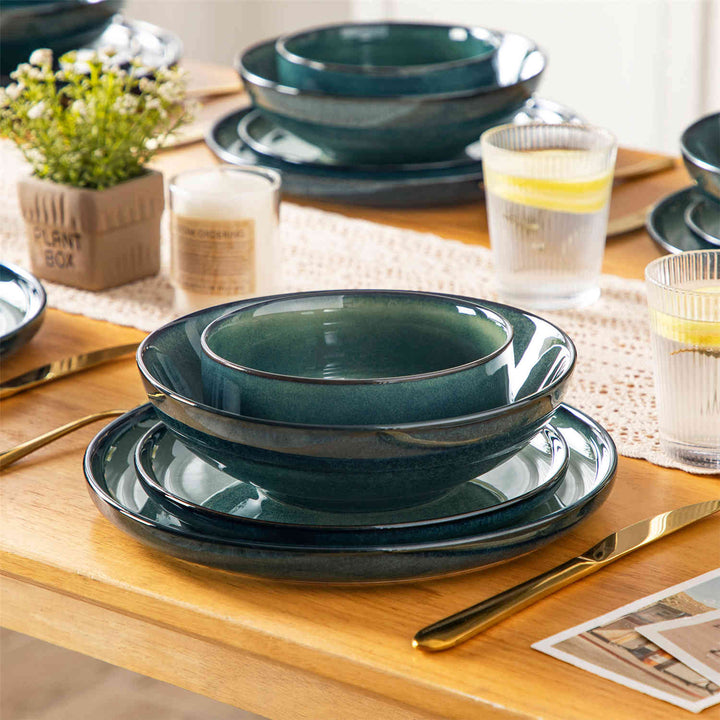
This is also where a serveware set becomes practical. A few coordinated sizes give you options: one larger piece for the main display, one medium piece for supporting dishes, and one smaller piece for extras. The table feels planned, but not stiff.
How Serveware Bridges Everyday Meals and Special Occasions
The best serving pieces do not wait around for holidays. They slip into ordinary life first, then dress up when the occasion calls for it.
A good platter should feel natural on a kitchen island, a dining table, or a weekend gathering that started casually and somehow turned into everyone staying three hours. That daily-to-special flexibility is what separates useful serveware from decorative clutter.
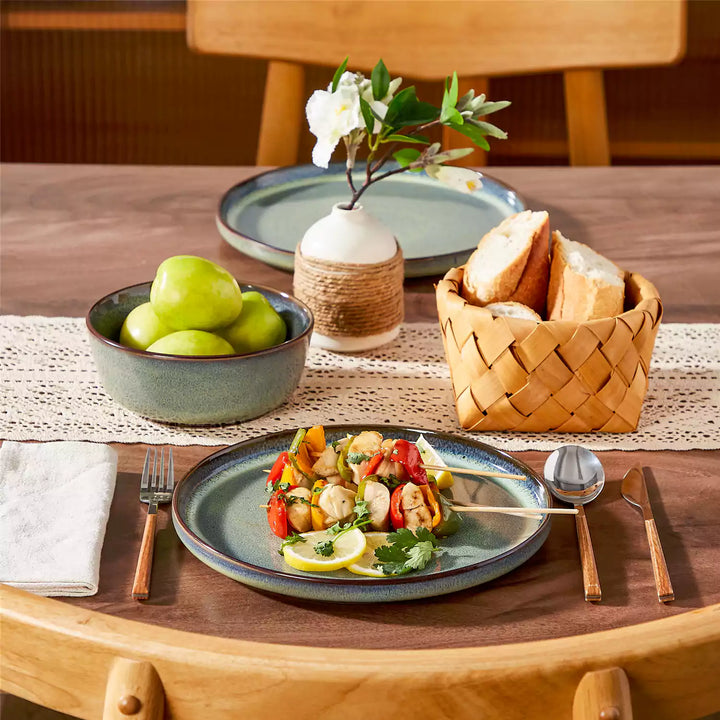
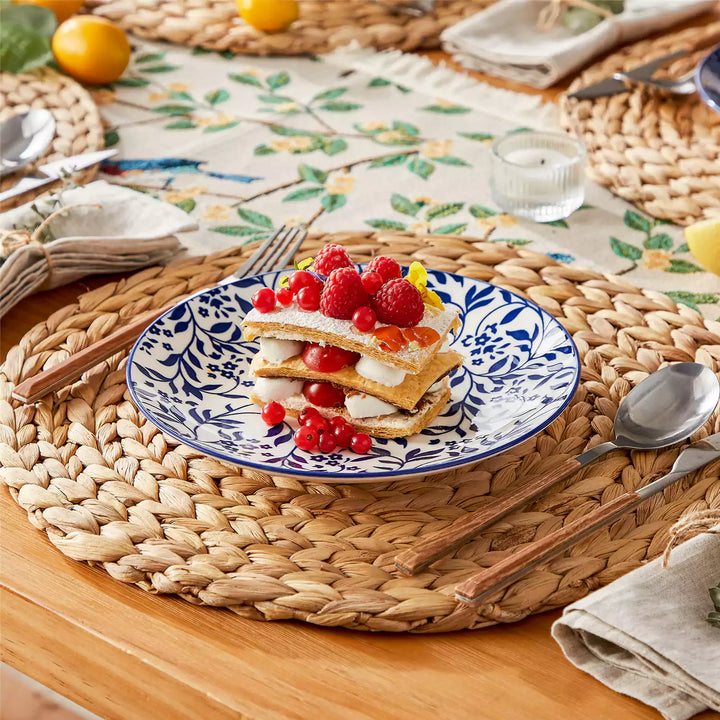
Material plays a big role. Stoneware has enough presence to feel substantial, but it does not make the table feel untouchable. It works with linen napkins, wood boards, glassware, and everyday flatware. Depending on the setting, it can lean rustic, modern, coastal, or quietly European.
That balance between everyday durability and table presence is where design-forward stoneware, including vancasso's serveware, starts to make sense for hosts who use their serving pieces beyond holidays. A stoneware serving platter or coordinated stoneware serving plates can look intentional for guests while still feeling easy enough for a normal evening.

The goal is not to own more pieces. It is to own the right ones: pieces that stack reasonably, clean without drama, and do not make you rearrange the whole kitchen every time you need them.
Conclusion
Platter shape changes how food is seen, shared, passed, and stored. Oval pieces soften large shared dishes. Round pieces create an easy center. Rectangular designs bring structure to narrow tables and linear presentations.
The smartest choice is not always the prettiest piece in isolation. It is the one that fits your table, your cabinets, your dishwasher, and the way people actually gather in your home. Choose serveware that earns its place on ordinary days, and it will feel effortless when the table gets dressed up.
FAQs
Q1: What Is the Most Versatile Platter Shape?
An oval platter is often the most versatile because it handles larger shared dishes without feeling as rigid or space-hungry as some rectangular pieces.
Q2: When Should I Use a Round Serving Platter?
Use a round platter when you want a centered display that guests can reach from different sides. It works especially well for shared foods that do not need a strict front-facing layout.
Q3: Are Rectangular Platters Good for Narrow Tables?
Yes. Rectangular platters can fit neatly down the center of narrow tables, leaving more room for glasses, candles, and smaller serving pieces.
Q4: Is Stoneware Good for Serveware?
Yes. Stoneware is a strong choice for serveware because it feels substantial, looks table-ready, and suits both casual meals and more styled gatherings.
Q5: Should I Buy Individual Platters or a Serveware Set?
A serveware set is helpful if you entertain often or want coordinated pieces in different shapes and sizes. Individual platters make sense if you only need one specific shape.
Q6: How Do I Choose the Right Serving Platter Size?
Measure the space for your table, cabinet, and dishwasher before choosing. A platter should make serving easier, not take over the table or become impossible to store.