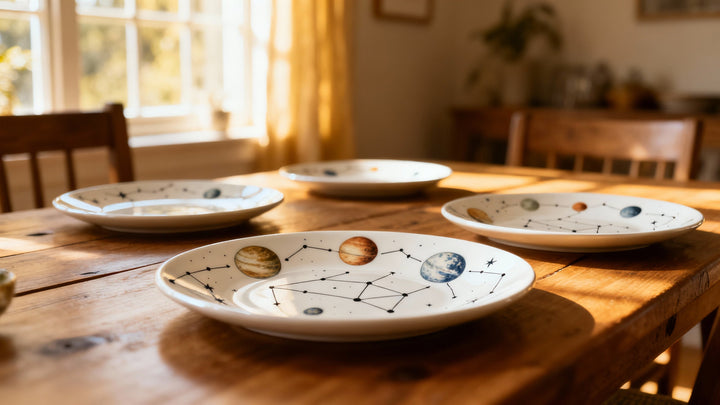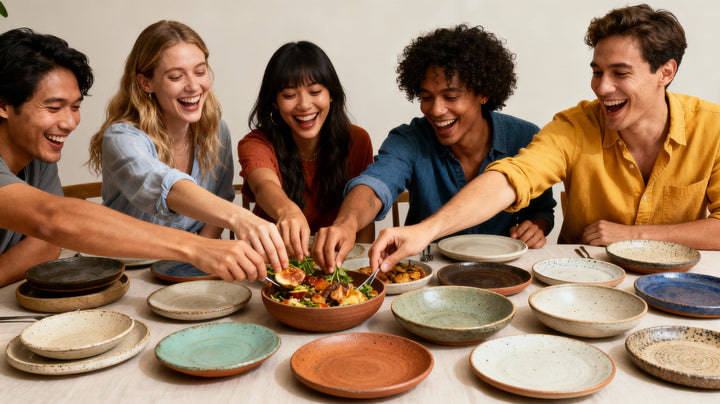


When did a Tuesday night grain bowl start needing its own photoshoot? Somewhere between the first overhead brunch flat lay and the latest “girl dinner” reel, ceramic plates, bowls, and mugs stopped being background props and became co-stars in our feeds. As someone who spends a ridiculous amount of time matching glazes to salads and coffee foam to clay mugs, I see this shift every day: the right dish makes people pause, smile, and reach for their phones before their forks.
The rise of aesthetic ceramic tableware on social media is not just a passing visual fad. It sits at the intersection of craft, technology, psychology, and shifting values around home life, sustainability, and self-expression. Let’s unpack what is really happening on the table and on the screen, and how you can ride the trend without letting it boss your kitchen around.
From Wheel to Reel: How Social Media Rewired Ceramics
Ceramic art is ancient, but its current storytelling tools are anything but. Ceramic Arts Network describes how platforms like Instagram, TikTok, and YouTube have turned once-local studios into global “virtual workshops,” merging thousand-year-old techniques with digital visibility.
Instagram operates as a gallery wall and brand lookbook. Potters and tableware brands curate visually cohesive grids where stacks of plates, close-ups of glazes, and styled tablescapes build a recognizable identity. Hashtags such as “ceramics,” “pottery,” or “functional art” behave like exhibition labels and search engines at once, helping an unknown mug maker in a small town show up in the feed of a restaurant buyer across the world.
TikTok and the broader “PotteryTok” ecosystem lean into the “aesthetic of process.” Time-lapses of throwing, trimming, glazing, and unloading the kiln are mesmerizing. According to Ceramic Arts Network, this process-centered content has shifted attention from finished pieces to making itself, easing the intimidation factor and making ceramics feel accessible to people who may never step inside a studio.
YouTube plays the role of long-form classroom and studio tour. Potters who share deep-dive tutorials, vlogs, and Q&A videos effectively create informal schools. Ceramic Arts Network highlights examples where generous education doubles as marketing, building trust and demand for workshops, tools, and tableware collections.
Together, these platforms transformed ceramic tableware from something you encountered mostly in stores and restaurants into something you watch being born, styled, and used in real time. That intimacy is a huge reason aesthetic tableware now carries so much emotional and social-media weight.

What Counts as “Aesthetic Ceramic Tableware” Today?
Before diving deeper, it helps to define our star.
Market research groups such as Metastat Insight and Future Data Stats describe ceramic tableware as dishes, bowls, mugs, and serveware made from materials like stoneware, porcelain, bone china, and earthenware. The current “aesthetic” wave is less about one material and more about a look and feel: considered design, tactile textures, expressive color, and a sense that each piece is part of a story.
Reports from Joyye, Vancasso, and Restaurantware sketch a shared aesthetic vocabulary. You see matte, nature-inspired glazes; reactive finishes that bloom and speckle in the kiln; organic or scalloped silhouettes; visible throwing rings; and palettes that swing from quiet neutrals to dopamine-bright accents. Patterns range from minimalist solids to hand-painted florals and painterly brushstrokes.
Underneath the visual pleasure is a strong functional core. Articles from GC Porcelain and Joyye stress that everyday pieces still need to be microwave-safe, dishwasher-safe, and durable enough to withstand daily bumps. The sweet spot is where an object reads as “functional art”: it does its job at dinner, and it also looks so good in a photo that it might as well be on a gallery shelf.

Why Millennials and Gen Z Made Plates a Personal Brand
A big part of this story is generational. EKA Ceramic notes that millennials in North America, born roughly between 1981 and 1996, drove a shift from seeing tableware as pure utility to viewing it as an extension of personal style. For them, dinnerware has to play nicely with interior décor and look ready for the feed.
Gen Z, born approximately 1997 to 2012, takes that even further. Restaurantware describes how this generation treats tableware as personal branding in the same way they treat clothes or hair. Plates and cups are visible in photos and videos, so they become part of how you say, “This is my taste, my values, my vibe.”
Several forces reinforce this mindset.
First, social media culture. Feeds on Instagram, Pinterest, and TikTok turn nearly every meal into a potential post. Curated color palettes, matching glassware, and mood-setting candles are as much about the shot as the bite. One SmartServe Retail article cites a study showing that roughly 30% of diners between 18 and 35 would avoid restaurants with a weak Instagram presence. When the background matters that much, your choices in plates and bowls become strategic.
Second, values. EKA Ceramic and Restaurantware both highlight how sustainability is non-negotiable for younger buyers. They seek lead-free glazes, ethically sourced clay, durable pieces that replace disposables, and packaging that does not feel wasteful. Joyye’s data shows sustainable ceramic tableware projected to grow from about $102 billion in 2024 to around $145.5 billion by 2030, which tells you how many shoppers want their pretty plates to also be planet-friendly.
Third, lifestyle. Joyye and Joyye’s consumer preference reports connect the post-pandemic home-cooking boom to rising interest in aesthetic dinnerware. People entertain more at home and treat everyday meals as small rituals. Instead of one formal set that lives in a cabinet, it is now common to own several smaller sets, mix individual pieces, and choose different plates for casual dinners versus special occasions. That flexibility opens the door to experimenting with more expressive ceramics.
The Psychology of an “Instagram-Worthy” Plate
Behind every gasp-inducing tablescape is a lot of quiet psychology. Several sources highlight how plate color, shape, and pattern can change how food tastes and feels.
Research cited in Malacasa’s exploration of “programmable” ceramic tableware describes how diners rate the same dessert as sweeter on white, round plates and how plate size can nudge people to serve themselves more or less by around ten percent through visual illusions. Other studies summarized there and in SmartServe Retail’s material suggest that more beautiful plates can boost perceived tastiness, healthiness, and even the appropriate price of a meal, while less attractive or chaotic plates can have the opposite effect.
Vancasso’s soft design analysis and Joyye’s trend reports together sketch a color psychology map that shows up constantly on Instagram. Greens signal freshness and vitality, pinks read as playful or romantic, blues feel calm and coastal, and golds or warm browns communicate comfort and quiet luxury. Neutrals such as ivory, taupe, and matte gray remain the backbone of many collections, but they increasingly share the table with accents like terracotta, sage, and deep ocean blue.
Shape matters just as much. Guides from Malacasa, Vancasso, and Joyye highlight the move from strict circles and squares to coupe shapes, scalloped rims, and organic outlines. Those soft curves feel less severe, echo leaves or shells, and frame food in more dynamic ways. In my own styling work, I see phones come out faster over a scalloped blush plate or an irregular stoneware bowl than over a perfectly flat, bright white round, even when the recipe is identical.
Texture is the final sensory layer. GC Porcelain notes that thicker glazes and rounded edges reduce chipping, while unglazed bottoms can scratch tabletops. Joyye and Vancasso point out how matte, speckled stoneware, reactive glazes, and embossed patterns invite touch and photograph with more depth than slick, glossy surfaces. On camera, that texture translates into visual richness; in the hand, it feels comforting and “human.”

The Market Forces Behind the Visual Feast
This fascination is not just anecdotal; it shows up in the numbers.
SmartServe Retail cites data estimating the global tableware market at about $45.6 billion in 2022, projected to reach roughly $109.9 billion by 2032, with ceramic tableware as a key growth segment. The ceramic category alone is expected to grow from about $18.82 billion in 2025 to around $26.13 billion by 2030. Metastat Insight forecasts the broader ceramics tableware market to reach about $28.94 billion by 2032, with a healthy annual growth rate.
Zooming in, MarketsandMarkets projects the ceramic and porcelain tableware segment to rise from roughly $6.7 billion in 2023 to about $8.1 billion by 2028. Joyye’s dinnerware research estimates that the global ceramic dinnerware market will grow from around $12.4 billion in 2024 to roughly $22.2 billion by 2034, with North America holding more than a third of the market.
At the same time, consumer surveys summarized by Vancasso and Yongjian paint a clear picture of why aesthetics matter commercially. Around three-quarters of consumers now factor tableware appearance into buying decisions, up from about three-fifths just a few years earlier, and a similar share of diners say design affects how they perceive meal quality. One hospitality survey they cite suggests that upgrading tableware can raise customer satisfaction for hotels and catering operations by roughly one-third.
On social media, Vancasso notes cases where restaurants that adopted bolder plate colors and more expressive designs saw roughly a one-fifth increase in Instagram posts featuring their dishes. Another article on “Instagram-worthy” tableware from GC Porcelain mentions industry insiders who say customers want dishes that are beautiful, inexpensive, and practically indestructible, but manufacturers can usually deliver only two of those three wishes at the same time.
In short, aesthetic ceramic tableware has become a competitive lever. Whether you are a home host, a café, or a boutique hotel, your plates are doing quiet but powerful branding work in every photo and video.
Pros and Cons of Designing for the Feed
Like any trend, the social-media-driven plate obsession comes with trade-offs.
On the positive side, this wave has fueled a renaissance in handmade and artisanal ceramics. Joyye’s report on artisanal ceramics notes that the global pottery ceramics market is expected to reach nearly $14.68 billion by 2029, driven by consumer hunger for authenticity, craftsmanship, and meaningful stories. Social media lets small studios show their process, sell directly to customers, and maintain sustainable scale without relying entirely on big-box retailers.
The trend also nudges everyday life toward more ceremony. Restaurantware describes how Gen Z uses tableware to elevate solo meals, picnics, and themed dinners into experiences. When you reach for a plate that sparks joy instead of a chipped leftover, you are more likely to slow down, pay attention, and savor.
There is a practical upside, too. GC Porcelain and Joyye emphasize the importance of durable, microwave-safe, dishwasher-safe pieces that stack easily and feel good in the hand. The more consumers care about their dishes, the more pressure brands feel to improve quality, not just surface decoration.
But there are real downsides. GC Porcelain names “dish anxiety”: the stress of owning “good” plates that feel too precious to use. People end up eating from plastic or chipped pieces daily while their favorite ceramics gather dust, which is the exact opposite of joyful, sustainable living.
Another issue is trend churn. GC Porcelain notes that pattern cycles that once lasted five to eight years now spin in about eighteen months, driven by constantly refreshed imagery on Pinterest and Instagram. That speed makes it tempting to treat dishes like fast fashion, which can conflict with sustainability goals and stretch budgets.
Finally, the desire for photogenic, nearly indestructible, dirt-cheap tableware is often unrealistic. As insiders told GC Porcelain, you can usually have two of those qualities, not all three. Something has to give: either you pay more for quality and durability, or you accept that ultra-low-cost pieces might chip faster or look dated sooner.
The key is approaching aesthetic tableware with both creativity and pragmatism: choosing pieces you will love and use for years, not only ones that will win this month’s likes.
Choosing Materials: A Quick Reality Check
Different ceramic bodies play different roles in this story. Joyye’s consumer research and World Market–style guides offer clear definitions that line up well with what you feel in the hand.
Stoneware is fired around 2,100 to 2,300°F, resulting in a dense, non-porous, somewhat heavier body that holds heat well and often features earthy, speckled finishes. It is beloved for durability, chip resistance, and a rustic, cozy vibe, making it ideal for oven-to-table comfort food and family-style meals.
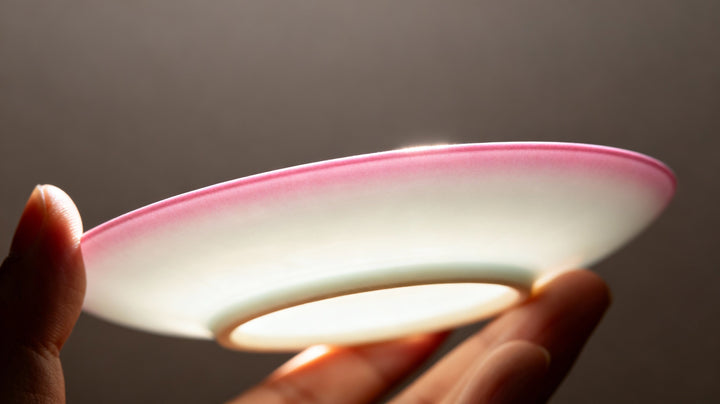
Porcelain is fired even hotter, around 2,300 to 2,400°F, yielding a thinner, lighter piece with a smooth, usually bright-white surface and some translucence at the rim. It reads as refined and works beautifully for both casual and formal dining when designed well.
Bone china includes bone ash in the mix, making it thin, light, and surprisingly strong with a slightly warm, luminous tone. It still signals special-occasion elegance but is increasingly updated with contemporary shapes and patterns.
GC Porcelain and Joyye both suggest that for everyday, pragmatic use, vitrified ceramic or Corelle-type products in solid, timeless colors are strong candidates. They stack easily, shrug off daily knocks, and form a steady canvas for more expressive accent pieces.
Here is a compact comparison grounded in those sources:
Material |
Everyday strengths |
Social-media appeal |
Watch-outs |
Stoneware |
Durable, chip-resistant, heat-retentive, family-friendly |
Rustic, matte, speckled, looks handcrafted on camera |
Can be heavy; thick pieces may feel bulky |
Porcelain |
Lightweight, strong, stain-resistant, formal or casual use |
Bright food contrast, classic elegance in photos |
Chips show more on bright rims if mishandled |
Bone china |
Very strong yet delicate-looking, fine and translucent |
Luxurious, heirloom vibe, great for romantic tables |
Higher price; can feel too formal for some |
The “best” choice is the one that fits your cooking style, storage situation, and tolerance for patina. For most households, a stoneware or vitrified base, plus a few porcelain or bone china pieces for dressier moments, offers a flexible mix.

Practical Guide: Curating a Photogenic, Real-Life-Friendly Collection
Let’s get hands-on. How do you build a ceramic collection that makes your heart and your camera happy without overwhelming your cupboards or your budget?
A smart starting point is a versatile base set. Both GC Porcelain and Joyye recommend solid, timeless colors such as white, warm gray, or soft black in durable materials. A six- or eight-piece place setting in a neutral tone forms the “canvas” for almost any cuisine or seasonal décor, and it is easier and cheaper to replace single items over time.
From there, think in layers rather than totals. Joyye’s market research shows that many households now own several smaller sets and buy open-stock pieces to mix and match. You might add a pair of scalloped dessert plates in blush, a reactive-glaze serving bowl in sage, or a couple of handmade mugs with expressive handles. These accent pieces act like jewelry: small in number, big in personality.
Function should ride alongside form. Check labels for microwave and dishwasher compatibility, especially for pieces with metallic rims or very thin, refined bodies. GC Porcelain points out that thicker glazes and rounded rims tend to be more chip-resistant, and that unglazed, rough bottoms can scratch wooden tables unless you use placemats or felt dots.
If you live in a small apartment, multipurpose and stackable designs are your allies. EKA Ceramic notes how millennials and urban dwellers gravitate toward bowls and plates that move from cooking to serving, and designs that nest tightly in limited cabinets. A wide, shallow bowl that can handle pasta, salads, and curries is more valuable in a small kitchen than a stack of specialty platters.
Budget-conscious shoppers, especially among Gen Z, often turn to a mix of big-box basics and artisanal or vintage finds. Restaurantware mentions sources like IKEA, Target, and online handmade marketplaces as popular places to pick up solid basics, then layering in one-of-a-kind pieces from independent potters or thrift stores. Joyye’s artisanal ceramics report emphasizes that a single hand-thrown bowl with visible throwing rings or a distinctive glaze can carry a whole table visually.
Above all, actually use the “good” dishes. The most aesthetic plate is the one that leaves the cabinet every week, not just on holidays.

Styling and Shooting: Turning Your Table into a Story
Once your pieces are in place, styling for both in-person joy and on-screen appeal becomes a delightful design game.
Joyye’s guide to Instagram-worthy table settings recommends starting with a clear theme. You might lean into sustainable and earthy, bright and bold, Scandinavian minimal, or highly personalized. That theme guides choices in linens, table runners, flatware, glassware, and accent objects so the whole scene feels cohesive rather than cluttered.
Layering is your friend. Begin with a base such as a tablecloth or runner, then add placemats or chargers if you like, followed by dinner plates, salad plates or bowls, napkins, and small decorative touches. Vancasso and Joyye both stress balancing symmetry with a little asymmetry: perhaps the plates are evenly spaced, but the centerpiece is slightly off-center, or one side of the table has an extra cluster of candles.
Centerpieces work best when they do not block conversation or shots. Low arrangements of flowers or herbs, small clusters of fruits, or even edible elements like bread boards and olive bowls provide interest without creating a wall. Joyye suggests playing with height using stacked books, layered boards, or varied candle heights, but keeping everything below eye level when seated.
Lighting is the secret ingredient of every “wow” table photo. Joyye’s photography tips emphasize natural light whenever possible, especially near windows during late afternoon or early morning. Direct harsh sunlight can cause strong shadows and blown-out whites, so diffusing it with sheer curtains or shooting during softer light helps. Mixing warm and cool light sources can distort colors, so try to stick to one temperature, and if you add artificial lights, choose bulbs that mimic daylight.
In terms of camera angles, overhead shots show composition and color blocks, while 45-degree angles capture depth, glassware sparkle, and the interplay of plates and food. A diner’s-eye view from seat height can feel intimate and relatable. Close-ups on details such as a glaze drip, a gold rim catching light, or a handwritten place card help tell the tactile story.
Captions and hashtags extend the styling into language. Joyye recommends using captions to share quick tips, note functional details like “stoneware, microwave-safe,” or invite conversation with questions. Hashtags can mix general food and decor tags with style-specific, material-specific, and occasion-related ones, plus a signature tag if you are building your own brand. Even if you never plan to go viral, this kind of thoughtful storytelling makes your posts more helpful and human.
The Future Table: Smart, Programmable, and Augmented
If today’s aesthetic tableware revolves around glaze, shape, and craft, tomorrow’s may add invisible layers of technology.
Malacasa’s report on programmable ceramic tableware uses that term for plates and bowls whose behavior or appearance changes predictably with triggers like heat, time, or light, even though the body is still ceramic. Examples include thermochromic glazes that reveal patterns at certain temperatures, self-cleaning or antibacterial coatings that reduce microbial growth, or ultra-matte, scratch-resistant glazes tuned for long-term performance.
Some pieces already quietly incorporate RFID or NFC tags and AR markers. According to Malacasa, hospitality operators use these to track inventory, reduce loss, analyze which plate sizes move fastest, and even automate cafeteria checkout. On the guest side, augmented reality overlays can provide accessible menus, cooking guides, or immersive storytelling experiences when viewed through a phone.
Ceramic Arts Network points to emerging possibilities where AR and VR extend the studio and gallery, letting people “handle” or preview tableware virtually or experience projection-mapped dining shows. Meanwhile, research on mindful dining recommends refined, neutral, low-gloss ceramics and smaller plates to anchor attention on the meal and gently modulate portions.
Will your next dinner party require QR codes on dessert plates? Not necessarily. But it is worth noting that the same forces that turned a humble salad bowl into a social media star are now pushing tableware into a hybrid physical-digital space. The through line is the same: more intention, more storytelling, more ways for objects to help us feel something at the table.
FAQ
Is stoneware or porcelain better if I care about Instagram and everyday durability?
Both can be excellent, but they play different roles. Stoneware, as defined by Joyye, is heavier, very durable, and often has matte, speckled finishes that read as cozy and artisanal on camera. It is ideal for daily use, family meals, and oven-to-table dishes. Porcelain is lighter, thinner, and usually bright white or softly tinted, which makes food colors pop in photos and works well for more refined or romantic tables. If you cook and post often, a stoneware base set plus a few porcelain accent pieces is a practical and visually flexible combination.
How many “pretty” pieces do I actually need to make my table feel social-media-ready?
You need fewer than you think. GC Porcelain and Joyye both emphasize that a solid, neutral base set does most of the heavy lifting. Adding just a couple of expressive items, such as a distinctive serving bowl, a pair of scalloped dessert plates, or handmade mugs with interesting handles, can dramatically change the mood of your table and your photos. Think of these accent pieces as visual exclamation points rather than trying to transform every single plate into a statement.
Are handmade or artisanal ceramics worth the higher price?
Joyye’s artisanal ceramics research and Market Research Future’s pottery insights both suggest that many consumers see real value in handcrafted pieces. You pay for uniqueness, story, and often for more sustainable or local production methods. From a practical standpoint, you do not need an entire cupboard of expensive ceramics; even one or two handcrafted items mixed with reliable, mid-priced basics can give your tables a richer, more personal feel. If the piece will be in your hand or on your table several times a week for years, the cost per use often ends up surprisingly reasonable.
Ceramic tableware’s social media glow-up is really a story about care. It is about caring how your home feels, how your food looks, how your values show up in the objects you touch every day. As a Colorful Tabletop Creative & Pragmatic Joy Curator, my favorite advice is simple: choose ceramics that make your shoulders drop and your eyes light up, then actually put them into daily circulation. The most aesthetic table is the one that is lived at, not just liked.
References
- https://ceramicartsnetwork.org/pottery-making-illustrated/pottery-making-illustrated-article/in-the-studio-craft-s-digital-revolution
- https://www.futuredatastats.com/ceramic-plates-market?srsltid=AfmBOooXD9eh2LYuQcIX5SPmf-ASDSFUd81bxkXDrG-lbd-ZKxLDuksv
- https://www.accio.com/business/trend-of-win-top-ceramic
- https://ekaceramic.com/the-impact-of-millennials-on-the-ceramic-tableware-market-in-north-america/
- https://www.garbotableware.com/tableware-acticles/insights-into-the-global-ceramic-tableware-market.html
- https://joyye.com/info-detail/how-to-create-an-instagram-worthy-table-setting
- https://www.linkceramics.com/global-ceramic-dinnerware-industry-analysis/
- https://www.linkedin.com/pulse/rise-ceramic-dinnerware-popular-trend-home-decoration-eric-zhao-s5ztc
- https://www.marketresearchfuture.com/reports/pottery-ceramic-market-23425
- https://www.marketsandmarkets.com/PressReleases/ceramic-porcelain-tableware.asp