



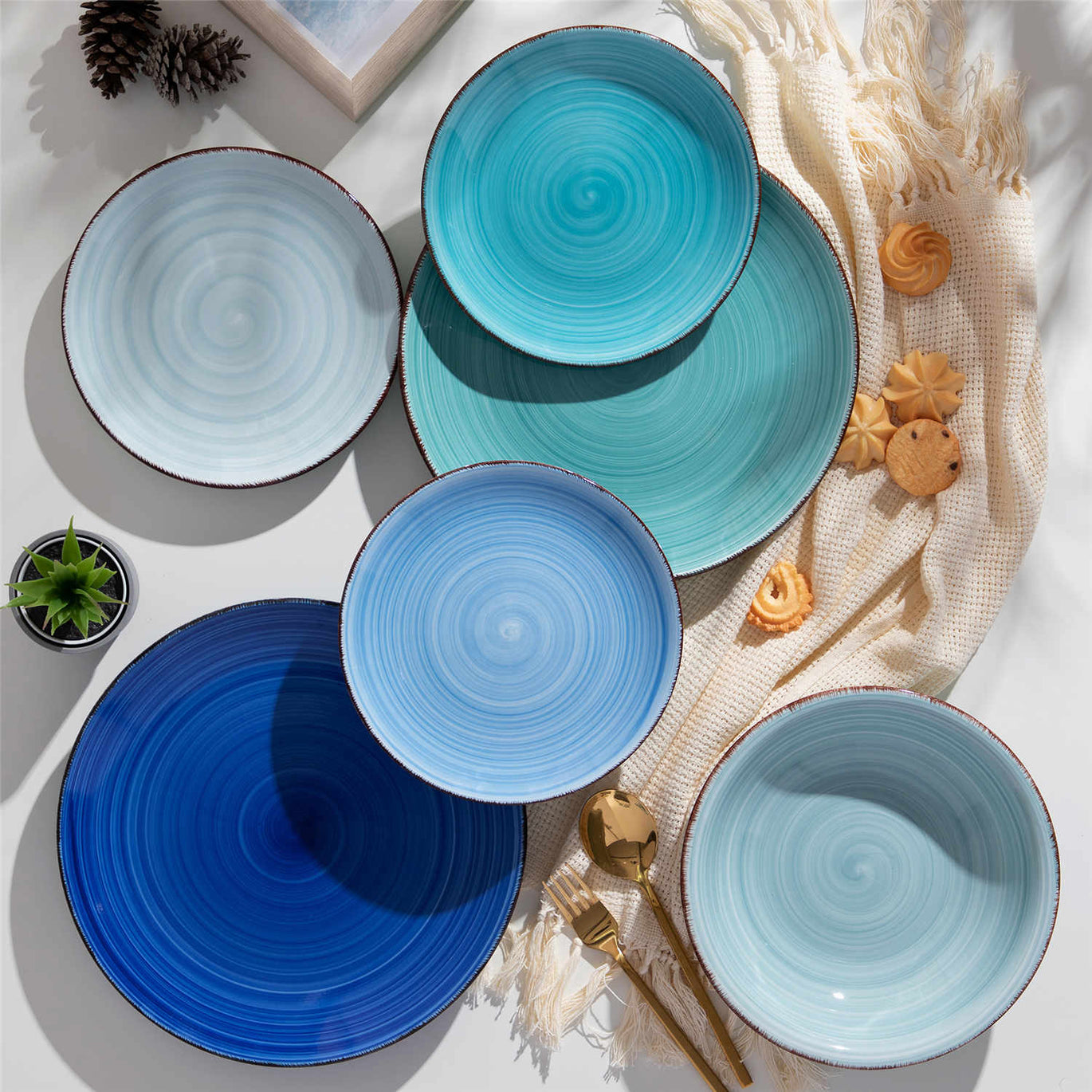


Why Breathable Ceramic Containers Make Fermented Foods Sing

Fermented vegetables quietly fizzing in a clay crock on the counter. A deep, earthy jar of soy-rich sauce mellowing through the seasons. A pot of rice wine slowly transforming from sweet and cloudy to fragrant and complex. When you choose a breathable ceramic vessel for these transformations, you are not just picking a container; you are tuning the instrument your microbes play.
As a Colorful Tabletop Creative & Pragmatic Joy Curator, I have learned that the vessel is as much a part of the recipe as the cabbage or the grains. The right clay crock can deepen umami, steady temperature swings, and create a gentle, living rhythm in your kitchen. The wrong ceramic, on the other hand, can chip, leach, or harbor mold in all the wrong ways.
This article dives into why breathable ceramic containers matter for fermented foods, how to choose and use them safely, and where their magic shines brightest, backed by research from food scientists, potters, conservators, and fermentation practitioners.
Fermentation and the Vessel: A Quick Refresher
Fermentation is the organic transformation of food by microbes such as bacteria, yeast, and molds. Food scientists writing for Vikhroli Cucina describe three main families you meet again and again at the table: lactic acid fermentation in kimchi and sauerkraut, alcoholic fermentation in beverages like beer and wine, and acetic acid fermentation that gives us vinegar. Each pathway turns sugars into acids, alcohols, and gases, layering flavor while often improving digestibility and nutrient availability.
A key detail from fermentation experts at Micet Group and Skeequipment is that vessels are not bystanders. They describe fermentation vessels as purpose-designed containers that create controlled environments where desired microorganisms thrive and undesired microbes are held at bay. Temperature, oxygen exposure, surface area, and cleaning ease are all shaped by the vessel’s material and design.
Ceramic, stainless steel, glass, wood, and plastic can all ferment foods, but they behave very differently. Stainless steel is durable, non-reactive, and easy to sanitize, which is why large breweries and dairies love it. Glass is inert and transparent, perfect when you want to see your kombucha or vinegar as it bubbles. Plastic is light and inexpensive but tends to insulate poorly and can retain odors. Wood brings its own micro-oxygenation and flavor, especially in barrels, but requires serious upkeep.
Ceramic sits in a deliciously distinctive middle space. Micet Group notes that ceramic fermentation vessels are insulating and slightly breathable, making them especially suited to foods like kimchi, sauerkraut, and miso. That slightly porous quality is exactly what we mean by breathable.
What Makes a Container “Breathable”?
Breathability in this context means a controlled permeability to gases and moisture through the walls of the vessel. It does not mean a leaky pot; it means microscopic pathways that allow slow exchange.
Research on traditional Korean onggi jars, summarized by the SFIG group, shows that earthenware fired at relatively low temperatures with varied particle sizes retains open pores that increase gas and liquid permeability. These jars are used extensively for kimchi, soy sauce, and soybean pastes. The authors describe earthenware vessels as supporting probiotic fermentation by allowing oxygen and moisture exchange, particularly in the early stages.
Modern fermentation writers at Micet Group echo this: they describe ceramic vessels as slightly breathable and well-insulated, which helps maintain stable temperatures and gentle gas exchange. That combination of cozy insulation and subtle porosity is what sets a good crock apart from a purely airtight stainless steel tank or a dense, fully vitrified dish.
In short, a breathable ceramic container is usually a well-fired, food-safe earthenware or stoneware vessel whose clay body allows minor gas and moisture movement, sometimes combined with a lid or water seal that controls the bigger gusts of air.

How Breathable Ceramics Shape Fermentation
Breathable clay does not just look charming on the counter. It changes how your microbes behave, how your brine moves, and ultimately how your food tastes. Several lines of research converge on this point, from soy sauce and sake to kimchi and Neolithic cereal brews.
Gentle Gas Exchange and Micro-Oxygenation
Skeequipment and Micet Group both emphasize that managing oxygen is central in fermentation. Open vessels, like traditional open-top stoneware crocks, invite contact with ambient microbes and air. Closed vessels, often sealed with lids and airlocks, vent carbon dioxide while excluding most oxygen.
Cylinder stoneware crocks common in the United States, described in the Pressurecooker-outlet fermentation crock FAQ, leave the brine surface exposed to air. This makes it easy to push vegetables below the brine, but it also allows surface yeasts and molds to grow where liquid meets air. German-style water-seal crocks, which the same source praises, use a moat of water around the lid to block outside air while still letting fermentation gases bubble out. Ceramic crocks from Village Pottery Company work on this same principle: the lid sits in a water-filled groove, creating an airlock that allows carbon dioxide to escape but blocks oxygen.
Earthenware’s inherent porosity adds another layer to this story. The SFIG article explains that porous ceramic jars foster early-stage aerobic microbes by allowing some oxygen and moisture movement across the wall, then gradually encourage more anaerobic communities as fermentation progresses and conditions shift. In traditional Korean and East Asian ferments, this subtle exchange is not a bug; it is part of the flavor-building system.
Together, a breathable wall and a smart lid design create a controlled, gentle gas exchange that keeps pressure from building up, allows some micro-oxygenation where it is beneficial, and still keeps your vegetables tucked snugly in brine away from excess air.
Thermal Stability and Moisture Management
Fermentation microbes are picky about temperature. Micet Group highlights temperature control as a primary selection factor for any vessel. Different ferments have different sweet spots: the same summary notes that, for example, lager yeasts favor cooler conditions than yogurt cultures. The exact numbers vary, but the principle is universal: if your vessel swings wildly from chilly to hot, your microbial orchestra goes out of tune.
Ceramic vessels shine here because of their thermal mass. Thick walls slow down temperature changes, smoothing the spikes of a sunny afternoon or a chilly night. This is reflected in various traditional practices described by SFIG: Georgian earthenware qvevri buried in the ground, earthenware tepache vessels, and sauerkraut crocks tucked into cool basements—all strategies to stabilize temperature around fermentation jars.
The Pressurecooker-outlet guide notes that sauerkraut does best over about three to four weeks at roughly 60 to 70°F. A heavy stoneware or earthenware crock helps you hover near that range even when the room itself drifts within a few degrees.
Breathable ceramics also manage moisture. In a modern study of sake brewed in glazed versus unglazed pottery, published in the journal Foods, researchers found that unglazed vessels allowed more water to penetrate and evaporate through the walls. The mash in unglazed containers lost more weight and ran slightly cooler than in glazed ones, likely because evaporation from the more porous vessel walls cooled the contents. That subtle cooling shift lined up with differences in ethanol and flavor, which we will come back to.
For vegetable ferments, this moisture management primarily matters at the surface. Village Pottery Company’s instructions emphasize tightly packing vegetables and adding extra brine so everything is submerged. In a good crock, the clay walls and water-sealed lid help keep that brine level steady while releasing enough carbon dioxide to prevent bubbling brine from overflowing.
Flavor Complexity and Umami Boost
Now for the fun part: taste.
The SFIG fermentation-in-ceramic-vessels overview notes that soy sauce fermented in permeable onggi jars shows higher protease activity and more glutamic acid than soy sauce made in glass, plastic, or stainless steel. More protease activity means proteins are being broken down more intensely; more glutamic acid translates directly to stronger umami. Onggi shape and permeability appear to influence these biochemical cascades.
The sake study in Foods offers a parallel story. In the initial revival of Nara-period brewing techniques with a modern brewery, unglazed pottery produced sake with about 16.8 percent ethanol by volume and higher amino acid content compared with 15.4 percent ethanol and lower amino acids in glazed pottery. Because those vessels were very different sizes, the researchers later repeated the experiment in identically sized, small ceramic containers, one glazed and one unglazed. The unglazed vessels again trended toward higher ethanol and showed slightly higher levels of certain flavor-active fusel alcohols such as n-propyl, isobutyl, and isoamyl alcohols. A taste-sensing instrument found that sake from unglazed pottery registered more umami and saltiness than sake from glazed pottery.
The researchers concluded that enhanced evaporation and slightly lower mash temperatures in unglazed pots likely contributed to these differences, and that vessel glazing can alter ethanol yield and flavor profile even when ingredients and yeast are identical.
Stepping much further back in time, a study in Proceedings of the National Academy of Sciences examined residues on early Neolithic globular jars in northern China. These restricted-mouth ceramic vessels, which are well suited for creating anaerobic conditions, held evidence of processed cereals like millet along with flavoring or medicinal plants such as ginger and snake gourd root. Many starch granules embedded in the pottery showed damage patterns consistent with enzymatic saccharification and low-temperature mashing rather than simple boiling. In other words, people were using ceramic jars not just to store food but to ferment sophisticated cereal-based beverages with layered flavors thousands of years ago.
Across soy sauce, sake, and ancient grain brews, a pattern emerges: ceramic vessels, especially those that are slightly porous and thoughtfully shaped, do not just contain fermentation. They shape enzymes, temperature, evaporation, and dissolved oxygen in ways that intensify umami, aromatic complexity, and even alcohol levels.
A Microbial Ecosystem, Not Just a Jar
The SFIG article repeatedly emphasizes that ceramic vessels are part of a larger microbial ecosystem. Air, surfaces, tools, and the makers themselves act as reservoirs of microbes that re-seed batch after batch. Studies in sake breweries show that fermentation-associated microbes dominate surfaces and repeatedly migrate into new mashes. Washed-rind cheese caves behave similarly: even when cheesemakers inoculate with specific cultures, the production environment heavily shapes which microbes actually thrive.
Because ceramic is porous, it can intensify this exchange. Microbes find micro-habitats in pores, seams, and tiny surface roughness, then join each new ferment. The Sapiens article on pottery and ancient foodways describes how fats strongly adhere to porous ceramic walls and seep into them, persisting long enough that archaeologists can detect ancient meals thousands of years later. That same stickiness means your modern fermenting crock likely retains a whisper of past batches.
This can be a feature or a bug. Treated thoughtfully, a dedicated kimchi crock or miso jar becomes a house culture, echoing your family’s favorite recipes. Treated carelessly, a crack or moldy pocket can become an unwelcome guest. The key is balancing breathability and tradition with cleaning and food safety, which brings us to the pragmatic part of the story.

Safety First: Food-Safe Breathable Clay
Before we fall completely in love with rustic crocks and hand-thrown jars, we need to talk about safety. Not all clay is created equal, and not every glaze belongs near your pickles.
Clay, Glaze, and Heavy Metals
Princeton University’s Environmental Health and Safety guidance on ceramics explains that glazes are mixtures of silica, fluxes, and metal oxide colorants. Historically, highly toxic lead fluxes were common, and they note that over four hundred cases of lead poisoning were reported among British potters in the late nineteenth century. Even lead frits, which were once thought safer, can leach lead in similar ways to raw compounds, especially into acidic foods like tomato juice, citrus, sodas, tea, and coffee. Other fluxes such as barium and lithium, and colorants containing arsenic, cadmium, chromium, nickel, and even uranium, also pose toxicity risks if they leach.
Georgies, a ceramics supplier that publishes detailed food-safety advice, states that for a piece to be considered foodsafe, all food-contact surfaces must be smooth, unbroken, glassy, and non-porous. Any cracks, rough textures, pits, or penetrable surfaces can harbor bacteria. They emphasize that low-fire clays remain porous even after firing and must be fully coated with properly applied, correctly fired foodsafe glazes on any surface that will touch food or drink. Mid- and high-fire clays, when fired to full maturity, can sometimes be foodsafe even if unglazed in contact areas, because they become sufficiently vitrified and waterproof.
A study of Moroccan clays used to make ceramic membranes, published in a ceramics journal, provides an extra reminder that raw clay can carry trace heavy metals. Elemental analysis detected arsenic, cadmium, and lead in the parts-per-billion range in the clays used for membranes. Those levels are very low, but the authors note that controlling and assessing heavy-metal release is important when such ceramics contact water and food.
All of this points to a simple, practical rule: when choosing a breathable ceramic container for fermentation, prioritize vessels that are clearly marketed as foodsafe, lead-free, and intended for food contact. HF Coors, for example, describes its vitrified ceramic dinnerware as lead-free, non-porous, and resistant to moisture and odor absorption. That kind of clear, confident language from a reputable manufacturer or studio is what you want to see associated with your crock.
Decorative raku ware is a particular red flag. Georgies notes that raku glazes are never considered foodsafe and are rarely even watertight. These pieces belong on shelves, not in brine.
Porous vs Vitrified: Hygiene Pros and Cons
Remember that Georgies food-safety guideline: food-contact areas should be smooth and non-porous. That might sound at odds with the celebration of porous onggi jars, but the nuance lies in materials and firing. SFIG’s discussion of earthenware emphasizes that these vessels are designed, fired, and used within specific traditions where high salt and acidic brines, seasonal cycles, and careful household practices create a stable ecosystem. In that context, porous walls support probiotic fermentations rather than uncontrolled spoilage.
In a modern kitchen, you may not be working outdoors with jars that have weathered decades of use. Instead, your ferments share space with central air vents, scented candles, and last night’s takeout. For that environment, the safest middle path is usually a crock whose interior surfaces are smooth, glassy, and tightly finished, combined with a clay body that still offers some micro-breathability through the walls.
If a ceramic item has obvious pits, cracks, or rough, powdery spots where food will sit, treat it as decorative or for dry storage only. Georgies also advises that any ceramic whose glaze changes color in contact with food should no longer be used for food or drink, because that color shift can signal leaching.

Choosing the Right Breathable Crock for Your Kitchen
Once you have committed to food-safe clay and glaze, you can play with form and scale. Here is where function meets tabletop aesthetics.
Matching Vessel Type to Food and Lifestyle
InFerment’s practical guide to choosing a fermenting crock frames water-seal ceramic crocks as the go-to style for everyday home fermentation. They describe these as dedicated ceramic vessels designed to hold vegetables, brine, and weights, with a water-filled rim creating a simple, low-tech airlock. The author recommends a one-gallon crock as the default size because it is easy to handle and generally sufficient for a household of about two to five people. They note that roughly two to three cabbages, about six to eight pounds total, can be salted and packed into a one-gallon crock for a classic sauerkraut.
For beginners, InFerment suggests a half-gallon crock for small experimental batches, condiments like hot sauce or tomato paste, or when you are trying a new recipe. For serious fermenters, one and a half gallon or two gallon crocks let you keep the kimchi flowing.
Village Pottery Company’s fermentation-pot instructions describe a similar setup: you clean and chop vegetables, mix them with salt to draw out moisture and create brine, then pack them firmly into the crock. Ceramic weights sit on top to keep produce fully submerged, and a water-filled groove under the lid forms the airlock. Fermentation typically takes about one to four weeks in a cool, dark place, depending on the recipe and your taste.
Open cylinder stoneware crocks without water seals, described in the Pressurecooker-outlet FAQ, are also traditional. They provide easy access for large batches and pressing, but because the brine surface is exposed to air, you are more likely to see surface molds and yeasts. These can often be skimmed if they remain white and thin, but brightly colored mold means the batch should be discarded.
A Snapshot Comparison of Vessel Materials
To see where breathable ceramic fits, it helps to compare materials side by side.
Vessel material |
Breathability and behavior |
Typical fermented foods |
Trade-offs in home use |
Ceramic (earthenware or stoneware crocks) |
Insulating, slightly breathable; supports gentle gas exchange and stable temperature; can contribute to enzyme activity and umami in traditional ferments |
Kimchi, sauerkraut, miso, soy sauce, soybean pastes, certain traditional alcohols |
Breakable and heavier; cleaning can be more involved; must verify food-safe clay and glazes |
Glass jars |
Non-reactive and non-breathable; excellent visual monitoring; flavors stay neutral |
Kombucha, vinegar, small-batch pickles and kraut |
Fragile; less thermal stability; requires separate airlocks or loose lids to vent gas |
Stainless steel |
Non-reactive, non-breathable; easy sanitation; precise temperature control at scale |
Beer, wine, yogurt, large-scale fermented foods and beverages |
Industrial look; can feel less cozy on the table; temperature control accessories often needed at home |
Plastic (food-grade) |
Non-breathable; lightweight and inexpensive; can insulate poorly and retain odors |
Yogurt, pickles, short-term ferments |
Scratches and odors can build up; less elegant on a colorful table; long-term durability varies |
Wood barrels |
Naturally breathable; micro-oxygenation and flavor from the wood itself |
Certain wines, beers, spirits, some traditional vegetable ferments |
High maintenance; heavy; best when dedicated to one type of ferment |
For many home kitchens, a breathable ceramic crock plus a few glass jars make a flexible, beautiful pairing: clay for your big, salty, seasonal vegetable projects and jars for lighter, shorter, or more experimental ferments.

Everyday Use, Care, and Cleaning
Now we are at the apron-and-sleeves stage: how to actually work with these vessels so they reward you with fizz, crunch, and tang rather than furry surprises.
Setup: Salt, Brine, and Submersion
The Pressurecooker-outlet fermenting crock guide stresses that salt and water quality matter as much as the container. They recommend non-iodized salt, such as pickling or kosher salt, because iodine can inhibit the lactic acid bacteria that drive safe fermentation. They also advise using non-chlorinated water, since chlorine suppresses fermentation microbes.
For sauerkraut, they offer a simple ratio: around five pounds of cabbage with about three tablespoons of salt works well in a one-gallon crock. Their larger-batch example uses about twelve pounds of cabbage with four tablespoons of salt. Village Pottery Company adds another practical benchmark with their brine recipe: they suggest salting vegetables and, when needed, adding brine made with about twenty grams of salt per roughly one quart of water, which is about three-quarters of an ounce of salt per quart. That brine helps top up the crock so everything stays submerged.
Both Village Pottery and Pressurecooker-outlet insist on firm packing. Vegetables are pressed down to minimize air pockets and to draw out enough juice to cover everything. Then weights go on to keep vegetables beneath the brine. In Village Pottery’s design, a set of ceramic weights fits the pot so you can assemble them like a puzzle inside.
Watching the Ferment
Once your crock is filled and sealed, the magic begins. Pressurecooker-outlet notes that surface mold and yeasts where brine meets air are common in open crocks. Thin, white growth can be skimmed with a clean spoon, but brightly colored molds, especially green, blue, or black, indicate spoilage and the entire batch should be discarded.
Water-seal crocks minimize that risk by excluding most outside air. Village Pottery advises checking the water level in the moat periodically, topping it up as needed to maintain the seal, and ensuring vegetables stay submerged. In my own kitchen, that quiet little water channel around the lid is like a moat for my microscopic kingdom; keeping it filled is a small but satisfying ritual.
Temperature and time walk hand in hand. Pressurecooker-outlet suggests fermenting sauerkraut for three to four weeks around 60 to 70°F for best flavor and texture. Village Pottery gives a broader window of about one to four weeks depending on recipe and preference. SFIG’s discussion of seasonal fermentations reminds us that outdoor or unconditioned spaces will shift over the year, with some traditions embracing those shifts and others, like buried jars or basement crocks, buffering them.
Taste is your friend. Micet Group encourages periodic sampling with clean tools to track flavor, acidity, and texture, always keeping sanitation in mind. When your ferment is tangy enough, you can transfer it to glass jars, packing tightly and minimizing headspace. Pressurecooker-outlet recommends consolidating jars as you eat through them because half-empty jars, full of air, are more vulnerable to mold.
Cleaning and Caring for Porous Ceramics
Cleaning routines for breathable ceramics need to balance hygiene with respect for the clay and its pores.
InFerment’s crock guide recommends washing the interior with standard dish soap and water after each batch. If a persistent odor lingers, they suggest filling the crock with water and baking soda, then leaving it overnight to neutralize smells. They explicitly warn against cleaning crocks with vinegar, arguing that residual vinegar can harm lactobacillus in later fermentations.
Pressurecooker-outlet, looking at crocks that have developed mold, suggests testing for leaks by filling with water for twenty-four hours and cleaning moldy surfaces using vinegar or hydrogen peroxide, followed by hot soapy water and thorough rinsing. Their focus is on making sure cracks or hidden mold colonies are addressed.
Taken together, a pragmatic approach emerges. For routine cleaning between normal batches, gentle dish soap, water, and sometimes a baking soda soak are sufficient and friendly to future ferments. Reserve stronger treatments like vinegar or hydrogen peroxide for serious mold problems or when you suspect contamination, and follow them with very thorough rinsing and perhaps a rest period before the next batch.
Micet Group reminds us that ceramic vessels are breakable and can be harder to clean than smooth stainless steel. HF Coors’ dinnerware care tips and Georgies’ oven-use advice both underline one more ceramic reality: sudden temperature shocks are the enemy. Avoid pouring boiling brine into an ice-cold crock or moving a chilled crock into a very hot environment. Slow, gradual changes keep your vessels and your ferments happier.

When to Reach for Glass or Steel Instead
As much as I adore a row of earthy crocks along a wall, breathable ceramic is not the best choice for every ferment.
Skeequipment points out that glass containers are ideal when visual monitoring is important and flavor neutrality is key, such as with kombucha and vinegar. Glass will not support micro-oxygenation the way porous clay can, but it lets you see the pellicle on your kombucha, the clarity of your vinegar, and any unexpected growth with ease.
Stainless steel tanks, favored in modern breweries and dairies, offer unmatched cleanliness, durability, and precise temperature control when paired with cooling jackets or external systems. Micet Group notes that when hygiene and flavor neutrality are paramount, stainless steel or glass are typically preferred.
If you are working with highly acidic liquids that will sit for long periods, experimenting with new glazes or studio-made vessels whose composition is not fully documented, or need full control over cleaning with strong sanitizers, non-porous materials are the safer call.
Think of breathable ceramic as your partner for traditional, salty, lactic ferments that love a cozy, slightly porous home, and turn to glass or steel for delicate, long-running, or highly controlled production.

Short FAQ: Breathable Ceramic Fermentation, Answered
Are unglazed clay jars safe for fermentation?
They can be, but only if the clay composition and firing are appropriate for food contact. Georgies emphasizes that low-fire clays stay porous and must be fully glazed on food-contact surfaces for general food use, and Princeton’s safety guidance warns about glazes and clays that can leach metals like lead or barium into acidic foods. Some traditional unglazed earthenware vessels, like certain onggi jars described by SFIG, work safely within specific salinity, acidity, and cultural practices. Unless you know the clay, firing, and intended use of a piece, it is safer to choose vessels explicitly described by the maker as foodsafe and intended for fermentation.
Do breathable ceramics increase contamination risk?
They change the risk profile rather than simply increasing it. Pressurecooker-outlet notes that open crocks with exposed brine surfaces are more prone to surface molds and yeasts at the air–liquid interface. However, water-seal crocks and well-designed lids, combined with proper salt levels and complete submersion, greatly reduce unwanted microbial growth. SFIG’s work suggests that porous earthenware can nurture beneficial microbes when part of a well-managed ecosystem. If you follow sound practices on salinity, submersion, cleanliness, and temperature, breathable ceramics become allies rather than liabilities.
Will my crock absorb flavors from one ferment to the next?
Yes, to some extent, especially if the interior is not fully glassy. The Sapiens article on pottery and ancient foodways shows that fats and flavor compounds can seep into porous ceramic walls and persist long enough for scientists to detect them thousands of years later. In a home kitchen, that means strong ferments like kimchi may leave subtle echoes in the clay. Many fermenters embrace this by dedicating one crock to strongly flavored ferments and another to milder projects. If you prefer zero flavor carryover, glass or stainless steel may be a better fit.
Fermentation loves a good container the way a song loves a good speaker. Breathable ceramic vessels bring warmth, texture, and a quietly active partnership to your ferments, shaping temperature, airflow, and flavor in ways that stainless steel and glass simply do not. When you pair a food-safe, well-chosen crock with respectful cleaning, good salt, and seasonal attentiveness, you invite your microbes to compose something extraordinary. May your table be lined with jars that bubble, crocks that hum, and colors that make every probiotic bite a small celebration.

References
- https://www.fda.gov/regulatory-information/search-fda-guidance-documents/guidance-industry-safety-imported-traditional-pottery-intended-use-food-and-use-term-lead-free
- https://pmc.ncbi.nlm.nih.gov/articles/PMC8229547/
- https://ehs.princeton.edu/health-safety-the-campus-community/art-theater-safety/art-safety/ceramics
- https://community.ceramicartsdaily.org/topic/2208-newbie-question-about-food-safe/
- https://www.pnas.org/doi/10.1073/pnas.1902668116
- https://www.sapiens.org/archaeology/pottery-ancient-food/
- https://www.researchgate.net/publication/351997694_Influence_of_Ceramic_Membrane_Surface_Characteristics_on_the_Flux_Behavior_of_a_Complex_Fermentation_Broth
- https://www.elsevier.es/en-revista-boletin-sociedad-espanola-ceramica-vidrio-26-articulo-exploring-diversity-clays-impacts-temperature-S0366317524000219
- https://www.georgies.com/gcc-safety-food.shtml
- https://www.pressurecooker-outlet.com/Fermentation-Crock.htm
Sie können auch mögen
Stern 16 Stück Geschirr Set
- Von €72,95
€96,95- Von €72,95
- Stückpreis
- per
-
Blue
-
Green
-
Red
-
Grey
Bonita 18-teiliges Geschirrset
- Von €60,95
€74,95- Von €60,95
- Stückpreis
- per
-
Blue
-
Multicolor
Simi 24 Stück Geschirr Set
- €96,95
€129,95- €96,95
- Stückpreis
- per
Starry 16-teiliges Geschirrset
- €73,95
€86,95- €73,95
- Stückpreis
- per
-
Blue
-
Green
-
Red
-
Gradient Green