



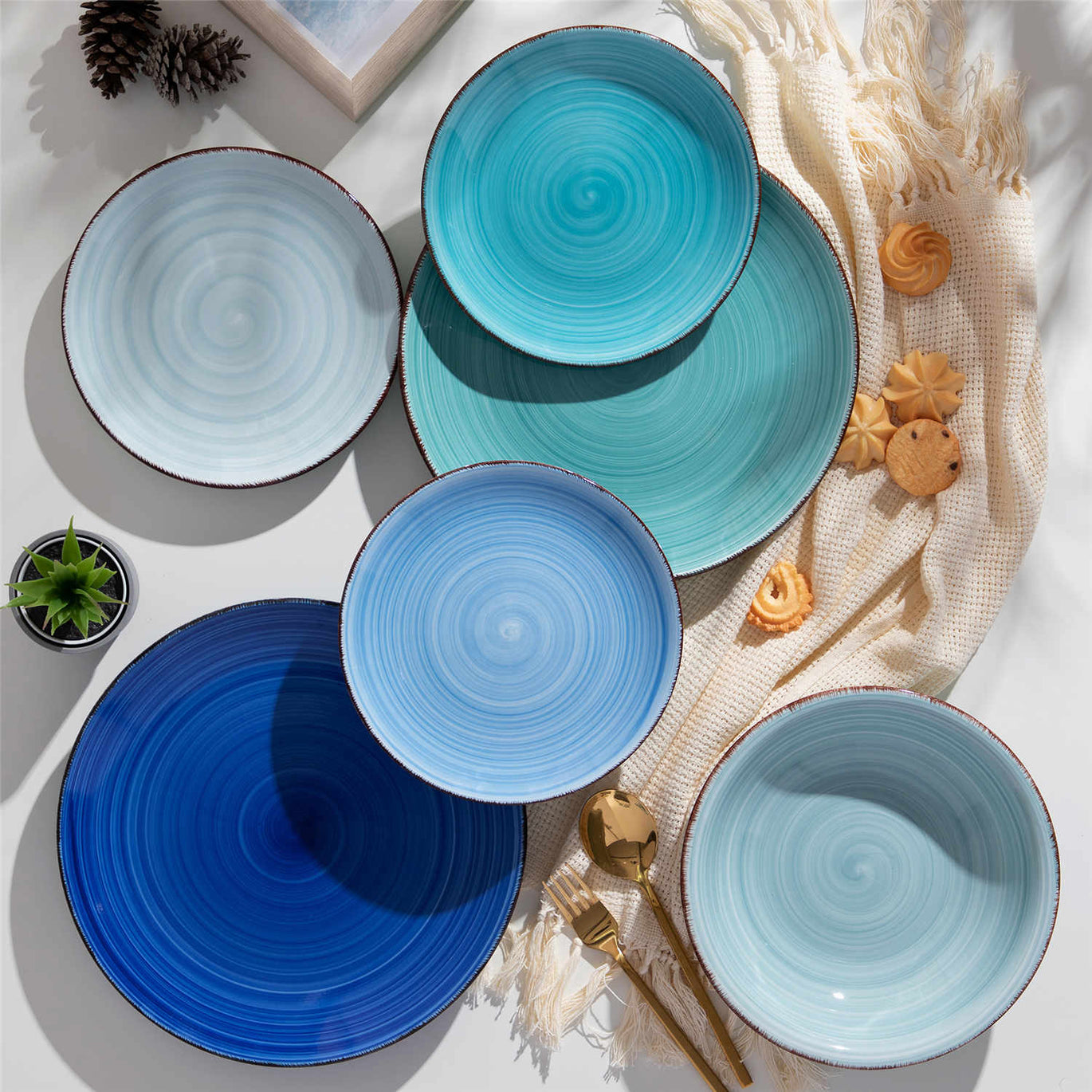


Petals on Porcelain: The Aesthetic Appeal of Ceramic Plates for Edible Flowers

When you drop a single violet onto a plate, you are not just garnishing food. You are choreographing color, light, texture, and emotion on a tiny stage. As a Colorful Tabletop Creative and Pragmatic Joy Curator, I have watched salads, cakes, and even simple yogurt bowls transform the moment those petals meet the right ceramic plate. The difference between “cute” and “jaw‑dropping” is often not the flower at all, but the surface beneath it.
Edible flowers already bring flavor, aroma, and whimsy, as writers from Cooking Gods, Marky’s, and Taste of Home all highlight. Ceramic plates bring something equally important: a stable, expressive canvas that frames these blossoms without stealing their spotlight. Put them together, and you get the kind of table that makes guests pause, grin, and reach for their cameras before their forks.
In this guide, we will explore why ceramic plates are so flattering for edible flowers, how to pair plate color and finish with specific blooms, and how to stay safe and practical while you play.
Edible Flowers 101: Little Flavors, Big Visual Drama
Edible flowers are blossoms intentionally grown or sourced for safe culinary use. Cooking Gods and Betty Crocker both describe them as food‑grade flowers that add color, distinctive flavors, and texture to dishes and drinks, very different from florist flowers that are purely decorative and often treated with chemicals.
Across the research, a few themes repeat. Edible flowers are a long‑standing global tradition. Cooking Gods notes rose petals in Persian cuisine and nasturtiums in modern salads, while Marky’s traces floral cookery back to ancient Romans, Victorian gardens, and Middle Eastern sweets. This is not a fleeting trend; it is a revival.
They also offer a surprising range of flavors. Nasturtiums bring a peppery, watercress‑like bite. Borage tastes like cucumber. Hibiscus is tart and cranberry‑like. Roses range from fruity to spicy depending on variety. Lavender is herbaceous and perfumed, so strong that pastry chefs and guides from King Arthur Baking and BloomsyBox caution using it with restraint. Pansies and violas are mild and lightly sweet, while marigolds or calendula are bright in color with peppery or gently bitter notes.
Beyond looks and taste, many sources highlight nutritional and wellness angles. Cooking Gods points out that nasturtiums can be rich in vitamin C, marigolds contain carotenoids that support skin health, and dandelions are noted for vitamins A, C, and K. Chamomile, hibiscus, echinacea, and lavender appear again and again as traditional wellness ingredients for calming, heart health, immune support, and mood.
So why fuss about plates? Because the plate decides how clearly you and your guests perceive all of that color, texture, and story the moment the dish lands on the table.

Why Ceramic Plates Love Edible Flowers (And The Feeling Is Mutual)
Ceramic plates sit in a sweet spot between expressive design and everyday practicality. Garden art tutorials from Make It A Garden note that ceramic dishes come pre‑decorated in bright patterns, hold up better outdoors than many glass options, and are often affordable in thrift stores. Dessert‑plating guides for ceramic plates emphasize that their glazes, textures, and shapes dramatically change how food looks and feels.
Translating that into edible flowers, you get four big aesthetic advantages.
Color backdrops that make petals sing
Color is the first thing you notice on a plate, often before you consciously see the shape of a flower. A Smart.DHgate dessert‑plating guide explains that warm desserts pop against cool blue or green ceramic plates, while icy desserts look beautiful against soft pastels or creamy off‑white. The same logic works for petals.
If you sprinkle rich orange nasturtiums or marigold petals onto a cool blue plate, they vibrate visually, creating energetic contrast. Pale violets on a deep charcoal or midnight blue ceramic read as elegant and serene. Delicate white chamomile or elderflowers become almost luminous on a matte, dark plate but turn whisper‑soft and romantic on a warm cream dish.
To help you think in color “conversations,” here is a simple pairing guide you can adapt to what is already in your cupboard.
Flower tone or palette |
Ceramic plate color that flatters it |
Overall mood on the table |
Fiery oranges and yellows (nasturtiums, marigolds, calendula) |
Cool blues, blue‑greens, or soft gray |
Energetic, modern, high‑contrast |
Purples and blues (pansies, violas, borage, lavender) |
Warm whites, creams, or pale blush |
Romantic, airy, quietly luxurious |
Soft pinks and rose petals |
Deep navy, charcoal, or matte black |
Dramatic, evening‑ready, restaurant‑style |
Bright multi‑color mixes |
Neutral white, cream, or speckled stone |
Playful, garden‑party, approachable |
Greens and herb blossoms (chives, dill, cilantro flowers) |
Earthy tans, speckled beige, stoneware browns |
Rustic, grounded, fresh‑from‑the‑garden |
These are not rules; they are invitations to experiment. The key is what dessert stylists also emphasize: aim for contrast that “sings” rather than clashes, and let either the plate or the flowers be the star, not both at full volume.
Texture, gloss, and the way light hits the plate
One of my favorite tricks from ceramic dessert plating is mixing textures on a single plate. Guides describe rough, unglazed rims that frame a glossy center, creating a subtle vignette; the glossy pool reflects sauces and glazes, while the matte edge keeps everything grounded.
With edible flowers, that combination is magic. A glossy center enhances the shine of a floral syrup, hibiscus reduction, or berry compote while petals sit on top like tiny stained‑glass fragments. A matte or softly speckled surface makes petals appear more velvety and painterly, especially on stoneware‑style ceramics.
Smart.DHgate’s buyer advice notes that glossy plates feel luxurious but show smudges more easily, while matte finishes read modern and understated. That mirrors what you see with flowers: on a shiny white plate, even a single misplaced petal or stray crumb stands out, which can be powerful if you are disciplined. A matte plate is more forgiving and tends to look “effortlessly styled,” even when the flowers are scattered more casually.
Shape, rims, and petal‑like silhouettes
Make It A Garden’s tutorials on turning ceramic plates into garden art flowers recommend choosing dishes that already resemble blooms: scalloped edges, petal‑like rims, or floral embossing. The same principle makes dining plates feel intuitively right for edible flowers.
A scalloped salad plate echoes the idea of petals and frames a ring of tiny pansies around a cake slice or tart. A wide, shallow bowl with a gently curved lip cradles a salad sprinkled with nasturtiums, keeping petals contained while showcasing their shapes. Even asymmetrical ceramic plates, which dessert stylists use for visual drama, can work beautifully with a single focal flower and a trailing line of petals or herbs.
The silhouette of the plate sets the choreography. Circular plates feel balanced and classical, perfect for symmetrical wreaths of flowers around a central dessert. Irregular or oblong plates invite more dynamic layouts, ideal when you want flowers to feel as if they were just scattered by a breeze.
Practical strength and real‑world durability
Ceramic may be beautiful, but it also has a job to do. Make It A Garden points out that ceramics are generally more forgiving than glass for outdoor art: they are thicker, less fragile, and hold up well in the elements. For garden art they even drill through them, noting that most ceramic plates tolerate that better than many glass pieces.
In the kitchen, dessert‑plate guides emphasize an equally important point: dessert plates should be thick enough to handle everyday use and gentle heat from warm cakes or molten centers. That sturdiness matters when you are topping hot dishes with flowers that should not be jostled or disturbed once placed.
Compared with very lightweight materials, ceramic plates are less likely to slide or tip when you are doing delicate flower placement. They offer a stable platform for careful garnishing and for guests who might gently nudge petals aside as they eat.

Designing an Edible‑Flower Plate: Composition Principles
Once you have flowers and ceramic plates on the counter, the question becomes how to put them together. Plating guides for ceramic desserts and cake‑decorating articles from King Arthur Baking and pastry‑focused schools converge on a few principles that translate perfectly to edible flowers.
Color choreography on ceramic
Color is both your playground and your constraint. Marky’s, Taste of Home, and Lushome all catalog how different flowers behave on the palate: nasturtiums are peppery and vivid, violets are gently sweet and nostalgic, hibiscus is tangy and almost electric, roses and lavender lean romantic.
If the dish itself is colorful, such as a raspberry tart or bright green salad, lean toward neutral or softly speckled ceramic. That lets your ingredients and petals speak first, with the plate as a whisper in the background. When the food is pale or minimal, like panna cotta, creamy soups, or vanilla cakes, you can bring in bolder plate colors or patterns and let a small cluster of flowers act as the bridge between plate and food.
Some dessert stylists mention that warm elements pop against cool plates and icy elements shine on soft pastels. Think of nasturtium‑strewn salads on cool blue dishes for summer lunches, or hibiscus‑garnished sorbet on a pale, glossy plate that looks almost frosted.
Scale, proportion, and negative space
Research on food styling with flowers from Story on a Plate emphasizes matching flower size to the subject. Large blooms can work on big cakes, especially when balanced with smaller petals, while small foods such as cupcakes or tiny soups need petite flowers so you do not lose the main subject.
Dessert‑plating guides for ceramics add another piece of the puzzle: avoid overloading the plate, mind the scale of the dessert relative to the plate, and leave negative space. A single viola on a huge dinner plate can look lonely unless you intentionally play with minimalism. Conversely, a dense cluster of flowers on a tiny side plate can feel crowded and chaotic.
In practice, this means choosing your plate based on how many flowers you want to use. For a generous scatter of petals, pick a plate just slightly larger than the food itself and keep a band of empty ceramic around the rim to act as a visual “frame.” When you want to make one extraordinary bloom the star, consider a plate with a strong rim or border and keep most of the central area clear, letting that single flower anchor the composition.
Layering, height, and flow
Professional plating tutorials and dessert styling guides talk about layering elements and varying height to create interest. They often start with a base, add the main item, then finish with garnishes, using height to draw the eye.
With edible flowers on ceramic plates, layering works best when you remember that petals are delicate. Start by placing the main food where you want it on the plate. Add any sauces or smears next, taking cues from dessert stylists who use drizzles, dots, or brushstrokes to lead the eye. Then bring in flowers at the very end, just before serving.
Think about flow rather than density. A line of three small pansies that curves around the edge of a plate can feel more purposeful than a random sprinkle. A cluster of calendula petals at one side of a risotto creates a focal corner, while a gentle ring of tiny borage flowers around the rim of a dessert plate makes the dish feel like a framed painting.

Pairing Flowers, Flavors, and Ceramic Styles
Different flowers not only taste different but also behave differently visually. Combining research from Cooking Gods, Marky’s, BloomsyBox, Taste of Home, Frank Family Vineyards, and King Arthur Baking, you can start to match blooms, dishes, and ceramic styles with intention.
Here is a practical, tabletop‑friendly way to think about a few popular flowers.
Flower |
Flavor and personality |
Great uses mentioned in research |
Plate styles that flatter it |
Nasturtium |
Peppery, arugula‑like, bold and savory |
Salads, pastas, pestos, cheese boards, savory mains |
Cool blue or green plates for contrast; rustic stoneware for garden lunches |
Pansy or viola |
Mild, lightly sweet, grass‑like |
Salads, desserts, garnishes, fruit pairings |
Cream or soft pastels for a romantic look; dark plates for evening desserts |
Rose petals |
Fruity to minty or spicy depending on variety |
Desserts, drinks, syrups, jams, salads, butters |
Deep navy or charcoal for dramatic desserts; simple white for tea service |
Lavender |
Strong floral, herbaceous, perfumed |
Cakes, custards, ice creams, syrups, cocktails |
Matte cream or soft gray to soften intensity; avoid busy patterns that compete |
Marigold or calendula |
Slightly bitter, peppery, brightly colored |
Salads, rice, poultry, cakes, teas |
Neutral white or stone plates to showcase color; speckled surfaces for rustic charm |
Hibiscus |
Tart‑sweet, cranberry‑like |
Teas, salads, garnishes, cocktails, sorbets |
Light plates that echo fruit tones; glossy surfaces that reflect deep red syrups |
Borage |
Cucumber‑like, refreshing |
Salads, cocktails, savory garnishes, summer dishes |
Clear contrast on darker emerald or slate; pretty on white with green foods |
Violets |
Delicate, sweet, floral |
Salads, desserts, drinks, jellies, garnishes |
Pastel or cream ceramic for vintage charm; pressed on white frosted cakes |
Chive blossoms |
Onion‑garlic, savory punch |
Potatoes, steaks, charcuterie, savory tarts |
Earthy stoneware in tan or gray; plates that echo steakhouse or bistro vibes |
Use this table as a jumping‑off point rather than a rulebook. The joy is in experimenting, tasting each flower as Edible Vineyard recommends, and discovering which plate in your cabinet gives that bloom a personality you love.

Safety, Sourcing, and Handling: Beauty Without Worry
Pretty only matters if it is safe. Every credible source in the research — from Kamikoto’s fundamentals guide and Marky’s gourmet overview to Betty Crocker, King Arthur Baking, and BloomsyBox — hammers on one point: not every flower can be eaten.
Toxic flowers such as foxglove, lily of the valley, oleander, and daffodils must stay off the plate entirely. Edible status can even vary within the same genus, and some plant parts are edible while others are poisonous. Honeysuckle flowers, for instance, appear as edible in some guides, while honeysuckle berries are described as highly toxic.
Several sources agree on core safety practices. Identify flowers precisely, using both common and botanical names when possible. Only use flowers that you know are edible and that were grown for culinary use. Betty Crocker recommends looking for edible flowers in the produce section, not the floral department, and stresses that you should never eat flowers of unknown origin. Marky’s and Kamikoto both caution against using roadside blossoms or standard florist flowers because of pesticides, exhaust, and other contaminants.
Sourcing from farmers’ markets, local co‑ops, and specialist edible‑flower growers is a recurring recommendation. Cooking Gods suggests organic‑focused markets and checking grower practices for safety and sustainability. Edible Vineyard and BloomsyBox both celebrate growing flowers yourself, often starting from hardy species such as marigolds, violas, nasturtiums, chamomile, and lavender. That way you know exactly how they were raised.
Handling and washing guidance is nuanced. Cooking Gods and Betty Crocker recommend gently rinsing flowers in cool water or briefly submerging them, then drying them carefully and storing them in a single layer on a towel or damp paper towel inside a covered container in the refrigerator. BloomsyBox and Cooking Gods note that this approach helps maintain structure and vibrancy for a few days. Edible Vineyard, working with very fragile blossoms, suggests skipping heavy rinsing and instead checking for insects and handling with extra care so petals do not bruise. The practical path is to respect both food safety and flower fragility: wash when in doubt, but do it gently and avoid vigorous agitation.
Allergy and digestion concerns also show up repeatedly. Cooking Gods and Kamikoto advise using edible flowers sparingly at first, both because intense flavors can easily overpower a dish and because some people may be sensitive to pollen or specific plants. Removing pistils and stamens, and often eating mainly petals, is recommended to reduce pollen exposure. If you are serving guests, consider a quiet note about which flowers are on the plate and offer an easy way to eat around them.

Pros and Cons: Ceramic Plates for Flower‑Forward Presentation
From a practical tabletop perspective, using ceramic plates for edible flowers comes with clear benefits and a few trade‑offs, all visible in the research.
On the plus side, ceramics are expressive. They come in a wide range of glazes, shapes, and patterns, as Make It A Garden and dessert‑plating guides highlight. You can echo a floral theme with petal‑edged rims or keep things simple with a matte, speckled stoneware plate that works like a neutral gallery wall for your blossoms.
They are also sturdy. Garden art makers rely on ceramic plates outdoors precisely because they are thicker and more forgiving than many glass pieces. Dessert guides note that ceramic dessert plates, when properly made, handle moderate heat from warm cakes and gentle handling at the table. For hosting, this means your flower‑topped plates will feel substantial and stable instead of fragile or flimsy.
The main trade‑offs are visual control and care. High‑gloss ceramics show fingerprints and stray smears easily, so plating with edible flowers requires clean hands and a quick final wipe of the rim, which dessert stylists consider essential. Bold patterns can clash with busy floral garnishes, making the overall presentation feel chaotic. That is less a flaw of ceramics and more a reminder to choose plate designs intentionally.
Edible flowers themselves have pros and cons that intersect with ceramic choices. On the pro side, they add extraordinary visual impact, playful aroma, and sometimes nutrition or wellness cues, as Cooking Gods, Marky’s, Lushome, and Frank Family Vineyards all note. They help create what Lushome calls a multi‑sensory dining experience, perfect for celebrations and romantic occasions. On the con side, they are perishable, demand gentle handling, and carry safety considerations around identification, sourcing, and allergies.
Ceramic plates do not remove those challenges, but they give you a reliable, expressive foundation for meeting them with style.

A Simple Flow: From Garden or Market to Flower‑Ready Plate
In real life, you do not plate in theoretical steps; you move through your kitchen in a rhythm. Here is how that rhythm tends to look when I am styling edible flowers on ceramics, incorporating the practical tips scattered through the research.
Begin with sourcing and selection. Maybe you pick up a clamshell of edible flowers from the produce section of a grocery store, as Betty Crocker suggests, or visit a farmers’ market and ask growers how they raise their blooms. Or perhaps you harvest from your own bed of nasturtiums, calendula, and borage, inspired by Edible Vineyard and BloomsyBox. As you gather, think about your menu and your plates. Peppery nasturtiums for a salad on a cool blue dish, perhaps, and sweet violets for dessert on a creamy, scalloped plate.
Next, handle and store them well. Once home, inspect blossoms for insects and damage. If your flowers are robust, gently swish them in cool water or briefly submerge them as Betty Crocker and Cooking Gods describe, then dry them on towels. Arrange them in a flat container lined with a slightly damp paper towel, cover, and refrigerate. If you have ultra‑delicate blooms, use Edible Vineyard’s practice of minimal wetting and focus instead on chilling them promptly. Aim to use them within a couple of days for peak vibrancy.
Then, choose the ceramic plate intentionally, not as an afterthought. Place your plate on the counter and hold different blooms above it before committing. Notice how a pansy looks on matte stoneware versus glossy porcelain, or how hibiscus petals glimmer on a dark plate. Let the plate and the flower “audition” together.
Plate the food first, then the flowers. Follow the flow that dessert stylists recommend: position the main element, add sauces or purees with intention, and only then place flowers. Keep negative space in mind, wipe the rim if needed, and step back for a quick look from the guest’s perspective. This pause is how plating pros catch common mistakes like mismatched scale, overcrowding, or drips on the edge.
Finally, bring the plate to the table promptly. Many sources, from King Arthur Baking to Story on a Plate, stress placing flowers as close to serving time as possible, especially for fresh petals on cakes or warm dishes. This is where ceramic plates help again: their heft makes it easier to carry carefully, with fewer tiny tremors that might knock petals out of place.

FAQ: Flower‑Forward Ceramics in Everyday Life
Q: Do I need special “edible flower” ceramic plates, or can I use what I already own? A: You can absolutely use plates you already have. The research on ceramic plating focuses less on special labels and more on thoughtful choices: size that fits the dish, shapes that are pleasant to arrange on, and finishes that support your aesthetic. A simple white or cream plate, a speckled stoneware dinner plate, or a favorite vintage floral piece from a thrift store can all be excellent stages for edible flowers as long as they are food‑safe and in good condition.
Q: How do I keep edible flowers from looking wilted or sad on the plate? A: The key is timing and storage. Guides from Cooking Gods, Betty Crocker, and BloomsyBox all recommend keeping flowers cold and slightly moist, then using them within a few days. Place them on the plate at the very last minute, away from intense heat. If your dish is hot, you can sometimes place petals on cooler elements, such as a dollop of cream or a side salad, so they do not sit directly on steaming surfaces.
Q: What if a guest is nervous about eating flowers? A: Nervous guests are common, and the research suggests taking a gentle, informed approach. You can explain that the flowers come from edible varieties such as nasturtiums, violets, or pansies and that you sourced them as food, not decorations, following safety recommendations from sources like Betty Crocker, Marky’s, and Kamikoto. Encourage guests to taste a single petal first. Remind them that it is perfectly acceptable to enjoy the visual impact and leave the flowers on the plate if they prefer.
Q: Are there times when you would avoid using edible flowers, even with beautiful ceramic plates? A: Yes. If you are not certain about the identity or sourcing of a flower, every source agrees you should skip it. You might also avoid them for diners with known pollen allergies, or for menus where strongly flavored flowers would fight with delicate dishes. In those cases, you can still lean into ceramic plates with gorgeous glazes and shapes; they will carry plenty of aesthetic weight on their own.
Ceramic plates and edible flowers are two of the most joyful tools on a tabletop stylist’s palette: one offers structure and stability, the other lightness and surprise. When you let them collaborate thoughtfully — honoring safety, savoring color theory, and embracing a bit of playful experimentation — every plate becomes a tiny garden party. The next time you tuck a pansy onto a matte stoneware plate or scatter nasturtiums across a cool blue dish, you are not just decorating; you are curating a moment of everyday art and edible joy.
References
- https://www.ice.edu/blog/edible-flowers-for-cakes
- https://cookinggods.com/top-ideas-for-edible-flower-garnishes-enhance-your-dishes/
- https://smart.dhgate.com/creative-ways-to-elevate-your-dessert-presentation-using-ceramic-plates/
- https://www.lushome.com/edible-flower-cuisine-gorgeous-food-presentation/14892
- https://makeitagarden.com/make-your-best-garden-art-flowers-with-ceramic-plates/
- https://www.markys.com/blog/edible-flowers-how-blossoms-are-transforming-gourmet-plates?srsltid=AfmBOooCCS31zE5e-ItKkJSuM8bCMhJCYgtDbGVeWicguM65-V2cM0A4
- https://rouxbe.com/knowledge-base/550
- https://storyonaplate.com/food-styling-with-flowers/
- https://www.bettycrocker.com/how-to/ingredients-and-preparation/everything-you-need-to-know-about-edible-flowers
- https://www.bloomsybox.com/blog/posts/edible-flowers-a-visual-guide-and-how-to-use-them
Sie können auch mögen
Stern 16 Stück Geschirr Set
- Von €72,95
€96,95- Von €72,95
- Stückpreis
- per
-
Blue
-
Green
-
Red
-
Grey
Bonita 18-teiliges Geschirrset
- Von €60,95
€74,95- Von €60,95
- Stückpreis
- per
-
Blue
-
Multicolor
Simi 24 Stück Geschirr Set
- €96,95
€129,95- €96,95
- Stückpreis
- per
Starry 16-teiliges Geschirrset
- €73,95
€86,95- €73,95
- Stückpreis
- per
-
Blue
-
Green
-
Red
-
Gradient Green