



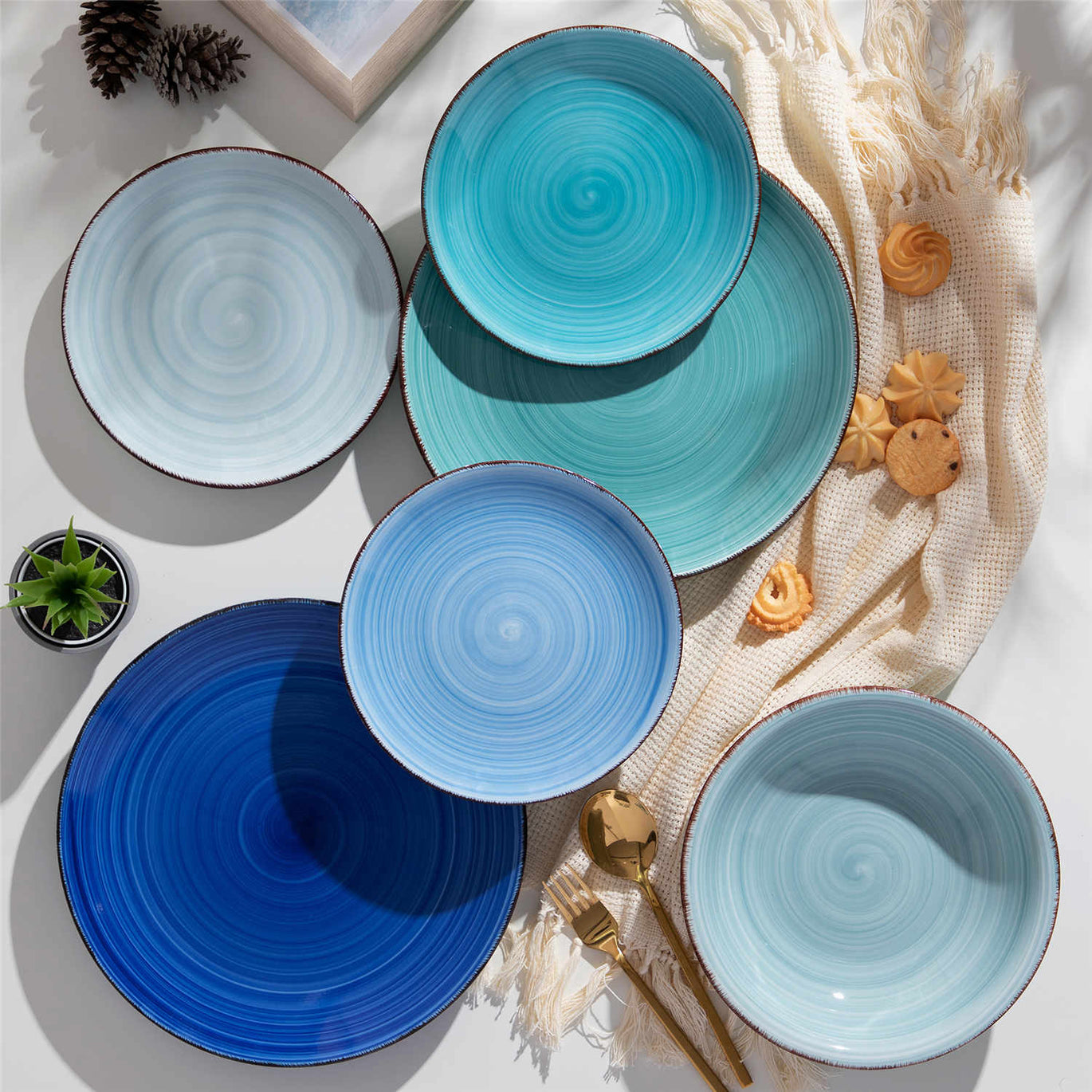


Matte vs. Glossy Dinnerware: What Your Choice Reveals About You

A dinner plate is a tiny stage where food, light, and touch meet. Choose a matte finish and your table hums with quiet, sculptural warmth. Choose gloss and everything gleams with vivid color and easy elegance. Neither is “better.” Each whispers something about your taste, your rituals, and even your tolerance for upkeep. I’ve styled, tested, and lived with both in busy kitchens and under studio lights; here’s the practical, unvarnished, and joy-forward guide to how matte and glossy dinnerware behave, how to care for them, and what your preference hints about your dining style.
The Finish Fundamentals
Matte glaze is a non-shiny, light-absorbing surface that shows color without reflective gloss. It reads calm and everyday-elegant, a little velvety to the eye and hand. Gloss glaze is shiny and reflective, with a porcelain-like sparkle that announces itself from across the room and deepens color saturation. As explained by Carthage, gloss glazes are typically fired harder, which generally translates to higher scratch resistance and a finish that keeps its polish longer, while matte is more likely to reveal utensil wear over time. That higher durability is why gloss often stays fresh-looking much longer in regular use, with Carthage noting that noticeable wear may not show until something like a decade of everyday service.
How They Perform at the Table
The look and the feel
Matte absorbs light and softens edges. The effect is modern yet cozy, like soft lighting with an editorial slant. As Catalonia Plates describes, the surface often feels slightly porous or stone-like, which adds tactile warmth. Gloss, by contrast, turns up the brightness. Colors pop, whites look crisper, and reflections animate the plate. Vancasso frames this contrast as earthy, understated matte versus bright, polished gloss.
Food presentation and photography
If you photograph your food, matte is a secret weapon. With no glare, the lens sees pure texture and richer color, which is why chefs and stylists favor matte for plating and photography; Catalonia Plates notes how matte enhances contrast and eliminates harsh reflections, and Epicurious’ testing echoes that matte plates avoid glare in photos. Gloss isn’t a photo villain, but it can bounce light in ways that add hot spots. In a candlelit dinner, though, gloss’s sparkle can be exactly the mood you want.
Durability and scratch resistance
Carthage’s guidance is clear: gloss glazes are typically harder and more scratch-resistant, holding up gracefully with regular use for years. Matte, while beautiful, is more prone to visible micro-scratches and utensil marks, especially from steak knives on dinner plates. The good news is that many of these marks are removable. Carthage recommends a matte restorer and a green Scotch-Brite pad used as needed. In my own scratch tests, gray transfer from fork tines lifted quickly with a matte restorer; on some satin-matte finishes, a gentle rub with a non-chlorine scouring powder like Bar Keepers Friend (the product Epicurious mentions for removing marks on certain ceramic finishes) can lift superficial residue. Always test a tiny spot first and follow the maker’s care instructions.
Stains, oils, and cleaning
Matte and especially unglazed or minimally sealed finishes can absorb oils and pigments more readily than gloss. Catalonia Plates underscores this reality and prescribes proactive care: rinse soon after serving, especially after colorful or oily foods; use pH‑neutral dish soap; avoid harsh chemicals, chlorine bleach, and highly alkaline detergents; and handwash when possible. Stains often yield to a baking-soda paste, a short soak in warm water with white vinegar, or a diluted oxygen bleach bath for persistent organic stains. Gloss, with its glassy seal, generally releases residue easily and is more forgiving in dishwashers. HF Coors adds fundamentals that help both finishes last longer: avoid thermal shock, wash with mild detergents, and dry with soft towels.
Sound, grip, and the sensory factor
Matte’s microtexture often improves grip in the hand and on linens, a small but meaningful advantage when passing platters. Some community reports describe cutlery noise on matte as a touch louder and occasionally “chalkboard-like,” which tracks with the microtexture that can catch metal. On slick gloss, the glide is silent and smooth. Neither is right or wrong; it’s about the sensory mood you prefer.
Matte vs. Glossy at a Glance
Aspect |
Matte |
Glossy |
Aesthetic |
Understated, non-reflective, sculptural |
Shiny, high-contrast, polished |
Feel in Hand |
Slightly textured, warm, grippy |
Glassy-smooth, slick when wet |
Scratch Resistance |
Prone to visible utensil marks; removable with care |
Generally higher; often ages more slowly (Carthage) |
Stain Behavior |
More likely to hold oils/pigments; needs prompt rinsing |
Resists staining; wipes clean easily |
Dishwasher Tolerance |
Often fine on gentle cycles; water spots possible |
Generally robust; resists spots better |
Cutlery Marking |
More visible gray transfer; treat as needed |
Less visible transfer over time |
Photo/On-Camera |
No glare; colors read richer |
Can reflect light; color pops in person |
Best Roles |
Serving pieces, textured styling, moody palettes |
Everyday plates, formal hosting, vibrant colorways |
Appearance Longevity |
Develops patina; benefits from periodic refresh |
Often stays polished for years; wear can take longer to show (Carthage) |

What Your Choice Reveals About You
Choose matte and you might be the tactile minimalist who loves texture, shadow, and quiet drama. You accept a little patina as character and don’t mind the occasional refresh to keep surfaces even. Your table probably leans toward natural linens, wood accents, and a palette that lets food be the star without glare. You might keep glossy accents on the sideboard for contrast, but matte is your everyday visual rhythm.
Choose gloss and you probably prize crisp polish, resilience, and sparkle. You host often and want a finish that looks ready for a toast without special upkeep. You like the confidence of a glassy seal that resists stains and scuffs, and you enjoy the way colors and patterns beam in bright kitchens and under candlelight. If matte shows up in your home, it might be in smaller accent pieces or as a counterpoint to your gleaming dinner plates.
Of course, many of us are joyful mixers. A glossy dinner plate with a matte salad plate adds depth and contrast without committing entirely to one look. Malacasa and Vancasso both highlight how blending finishes in a cohesive palette creates dimension and lets you tune the table to the occasion.
Buying Smarter: The Finish Needs a Body
The finish is only part of the story; the ceramic body matters too. The Spruce Eats breaks down the core materials. Stoneware is thicker and earthy with a casual mood, often perfect for matte finishes that celebrate heft and texture. Porcelain is fine-grained and smooth, equally at home in gloss for formal shine or in satin-matte for modern restraint. Bone china is famously strong despite its delicate look, with a milky translucence that reads elegant in gloss. Beyond ceramics, melamine and vitrified glass bring everyday durability and kid-friendly resilience, though melamine isn’t for high heat. These materials overlap with both finishes, but the finish you choose will accentuate the material’s mood: matte deepens stoneware’s warmth, while gloss amplifies porcelain’s luminosity.
If you love the artful irregularity of reactive glazes, a glossy reactive surface will feel like ocean light; a matte reactive surface lands like river stones. Either way, expect unique variations that reward collecting piece by piece.

Set Strategy: Everyday vs. Event
For everyday plates, gloss can be an easygoing workhorse because of its scratch resistance and wipe-clean surface. If utensil marks bother you, that low-maintenance durability is worth prioritizing. Carthage openly recommends gloss for those who prefer long-term consistency with minimal fuss. If you love matte and notice every little scuff, reserve matte for serving bowls, dessert plates, or decor-forward pieces where cutlery contact is lighter. That’s the compromise Carthage often steers toward: matte for beauty with occasional care, gloss for low-maintenance longevity.
For entertaining, think of finish as a mood dial. Gloss brightens formal tables and holiday glow. Matte quiets glare, heightens texture, and reads intimate and chefly. Kim Seybert’s mix-and-match ethos lines up here: layer finishes, vary shapes, and keep color families cohesive so the table feels collected rather than chaotic.
Care That Actually Works
Every finish lasts longer with thoughtful care. Here are methods I’ve used and those emphasized by Catalonia Plates, HF Coors, Epicurious, and Carthage, adapted for real kitchens.
Task |
Matte Guidance |
Gloss Guidance |
Daily cleaning |
Handwash warmly with pH‑neutral soap; gentle circular motions with a soft sponge; promptly rinse after oily or strongly colored foods (Catalonia Plates) |
Mild dish soap and soft sponge; gloss typically releases residue quickly |
Dishwasher use |
Choose gentle cycles; skip heated dry; lift while still damp to reduce water spots; expect occasional spotting and buff with a soft towel (Catalonia Plates) |
Generally dishwasher friendly; use standard cycles; towel-dry if you see spots |
Utensil marks |
Use a matte restorer with a green Scotch-Brite pad lightly, only as needed (Carthage); on some satin-mattes, a sparing touch of non-chlorine scouring powder can lift transfer—spot test first and follow maker guidance |
Light gray transfer is rarer; if it appears, a gentle non-abrasive cleaner typically removes it easily |
Try a baking-soda paste for 15 minutes, rinse, repeat as needed; soak in warm water with a bit of white vinegar for oily stains; use diluted oxygen bleach for stubborn organic stains; never use chlorine bleach or harsh alkalines (Catalonia Plates) |
Most stains wipe off; for stubborn residues, mild cleaners or a short vinegar soak usually suffice |
|
Thermal shock |
Avoid sudden temperature swings such as fridge-to-oven; let pieces warm or cool gradually (HF Coors; The Spruce Eats) |
Same advice applies; glossy finishes still sit on ceramic bodies that dislike shocks |
Utensils |
Wood, plastic, or silicone minimize gray transfer; metal is fine for most glazed pieces but can mark matte more visibly (HF Coors; community experience) |
Metal is typically fine; avoid scraping motions if you want to keep gloss pristine |
Storage |
Air-dry completely; stack with felt, cork, or cloth separators; use wood or plastic racks to minimize micro-scratches; allow airflow in cabinets (Catalonia Plates) |
Stack carefully; chips show readily on shiny rims; separators are still smart for premium sets |
Real-World Scenarios and How to Choose
If you are a frequent dishwasher user who values a spotless look with minimal upkeep, reach for gloss. It’s the practical pick for weeknights, kids, and casual entertaining. If you live for cozy textures, soft light, and chef-adjacent plating, make matte your accent hero: use matte in serving bowls, salad plates, or charger-style dinner plates that see less steak-knife action. If utensil marks jump out at you, keep your everyday dinner plates glossy and let matte play the supporting role, a strategy echoed by Malacasa and Vancasso’s mixing suggestions.
For households that love tomato pastas, curry, and berry desserts, matte is still an option, but plan to rinse sooner and keep a stain-removal routine handy. For steak nights or cut-heavy mains, either plate on a glossy dinner plate or embrace a satin-matte finish that’s less prone to visible marking, then refresh marks periodically. Carthage’s note about gloss resisting wear for years aligns with what I’ve seen in long-term kitchens; it’s hard to beat as the main course plate.
If you entertain on holidays and want your table to morph with the season, consider a flexible palette. Build gloss in your foundational dinner plates for resilience and flash, then layer in matte salad plates or bowls to add depth and bring glare down under candlelight. This approach keeps storage manageable and styling playful.
How We Test and What We’ve Seen
In studio tests, matte plates developed faint gray arcs from fork and knife contact sooner than gloss. On satin-matte finishes, light cleaning restored the surface quickly. True chalky dead-matte surfaces were the most prone to visible marking; satin-matte proved a sweet spot if you want that soft look with less maintenance. Under lights, matte excelled for photos—no contest—while gloss made colors look juicier and more electric to the naked eye. In the dishwasher, matte occasionally showed water spots, which buffed out with a soft towel, especially if we skipped the heated dry and unloaded while damp as Catalonia Plates suggests. Across several months, gloss pieces looked almost unchanged, while matte acquired a gentle patina that fans of lived-in beauty genuinely enjoy.
Safety Notes Worth Reading
All reputable dinnerware brands glaze for food contact and durability, but not all matte is the same. Catalonia Plates reminds us that matte and unglazed surfaces can be more porous, which is why prompt rinsing and pH‑neutral soaps matter. If buying artisan matte pieces, confirm that food-contact surfaces are fully matured and dishwasher-safe per the maker, and avoid harsh chemicals that can degrade the finish. The Spruce Eats adds sensible, evergreen advice: never microwave pieces with metal accents, avoid sudden temperature changes that can crack ceramic bodies, and verify care guidance with the manufacturer for the specific line you own.
Your Finishing Move: A Simple Decision Framework
If you value long-term appearance with minimal effort, prefer gloss for everyday plates. If you crave texture and moody light and you are comfortable with occasional maintenance that fits into your self-care routine, choose matte for serving pieces and accent plates. If you want the best of both worlds, mix: use glossy dinner plates and matte salad or dessert plates, or reverse it to dial the shine up or down by course. Carthage’s blunt trade-off—simple matte beauty with some care versus gloss’s low-maintenance durability—aligns with what we see around real tables.
Takeaway
Matte and glossy are not rivals; they’re complementary moods. Gloss is the practical extrovert that stays camera-ready with little fuss. Matte is the soulful introvert that loves soft light and a gentle hand. Decide where you want ease and where you want ambiance, then build a set that lets you shift gears from Monday pasta to Friday candles without dragging out a second cabinet. Your choice doesn’t just reveal your style; it helps your daily rituals feel more like you.
FAQ
Is matte dinnerware food-safe?
Glazed matte dinnerware from reputable makers is designed for food use. Because matte can be more textured and, in some cases, more absorbent, follow the maker’s care guidance, rinse promptly after strongly colored or oily foods, and use pH‑neutral soaps as Catalonia Plates advises.
Do matte plates always scratch or show marks?
Matte is more likely to show gray utensil transfer than gloss, especially with steak knives, which Carthage points out. Most marks are superficial and respond to a matte restorer or a gentle cleaner on satin-matte finishes. Apply sparingly, test first, and maintain only as needed.
Which finish is easier to clean?
Gloss generally wipes clean more easily and resists staining. Matte may hold onto oils and pigments longer and can show water spots, so gentle cycles and hand-drying help. HF Coors recommends mild detergents and avoiding thermal shock for both finishes.
What about dishwashers—will they harm matte?
Many matte glazes are dishwasher-safe, but gentle, low-temperature cycles are recommended, and removing pieces while damp reduces water spots, according to Catalonia Plates. Over time, aggressive cycles can dull some matte surfaces; handwashing preserves the finish best.
What finish is best for food photos and plating?
Matte minimizes glare, lets textures read clearly, and often makes colors look richer on camera, as Catalonia Plates and Epicurious note. Gloss shines in person with vivid color and lively reflections, especially under candlelight and bright rooms.
Does finish affect chipping?
Chipping depends more on the ceramic body—stoneware, porcelain, or bone china—than on the finish, a point aligned with The Spruce Eats and echoed by brand guidance. Gloss may simply make a chip more visible because it interrupts a reflective surface, whereas matte can disguise it slightly, depending on color.
Sources Noted in This Guide
Carthage explains the durability trade-off and maintenance realities of matte versus gloss. Catalonia Plates provides deep care techniques for matte and unglazed surfaces and broader matte styling guidance. Epicurious contributes hands-on testing insights, including photography and cleaning observations on matte. HF Coors emphasizes foundational care best practices for long-lived dinnerware. The Spruce Eats clarifies dinnerware materials and sensible do’s and don’ts. Malacasa and Vancasso offer consumer-facing comparisons and mixing strategies that align with what we see in everyday, joyful tablescapes.
References
- https://community.ceramicartsdaily.org/topic/19262-how-do-i-get-a-matte-finish-in-vibrant-colours-for-dinnerware/
- https://www.thespruceeats.com/dinnerware-materials-908883
- https://carthage.co/how-to-choose-a-glaze-finish-for-your-dinnerware-matte-or-gloss/?srsltid=AfmBOooYhFheKFBkA_67f8SM8GpecgJFGQ3_vNEW7cFuZmh0C2bfxho2
- https://smart.dhgate.com/are-glazed-plates-outdated-why-matte-dinnerware-is-suddenly-everywhere/
- https://www.epicurious.com/shopping/the-best-plates
- https://www.getserveware.com/melamine-dinnerware-finishes-cost-benefits-comparison/
- https://mdmaison.com/blog/how-to-choose-luxury-dinnerware-a-comprehensive-guide
- https://cataloniaplates.com/blogs/all/how-to-care-for-your-matte-and-unglazed-tableware
- https://us.farandaway.co/blogs/news/what-material-is-best-for-dinnerware-for-everyday-use
- https://happyhandspottery.ca/blog/matte-vs-glossy-choosing-the-right-glaze-finish-for-your-pottery-pieces/
Sie können auch mögen
Stern 16 Stück Geschirr Set
- €84,95
€96,95- €84,95
- Stückpreis
- per
-
Blue
-
Green
-
Red
-
Grey
Simi 24 Stück Geschirr Set
- €96,95
€129,95- €96,95
- Stückpreis
- per
Bonita 18-teiliges Geschirrset
- Von €60,95
€74,95- Von €60,95
- Stückpreis
- per
-
Blue
-
Multicolor
Starry 16-teiliges Geschirrset
- €84,95
€86,95- €84,95
- Stückpreis
- per
-
Blue
-
Green
-
Red
-
Gradient Green