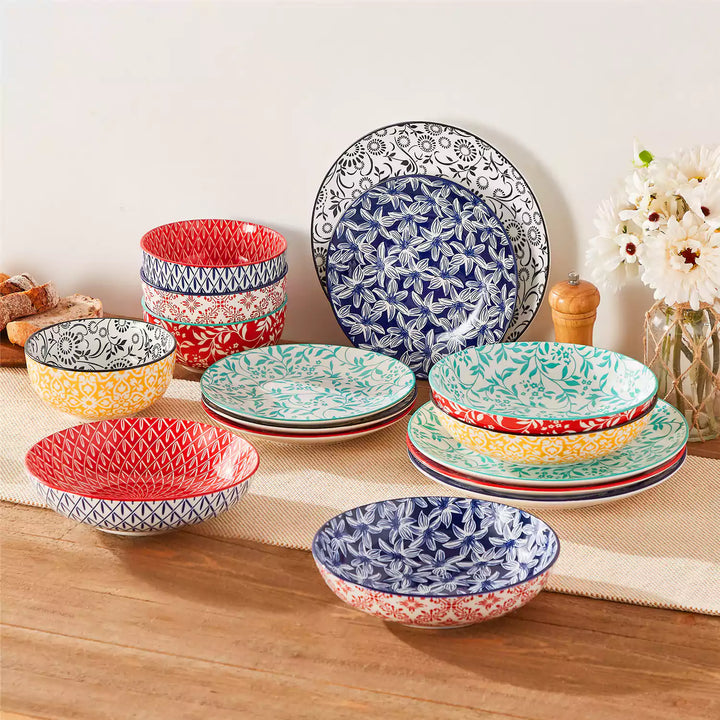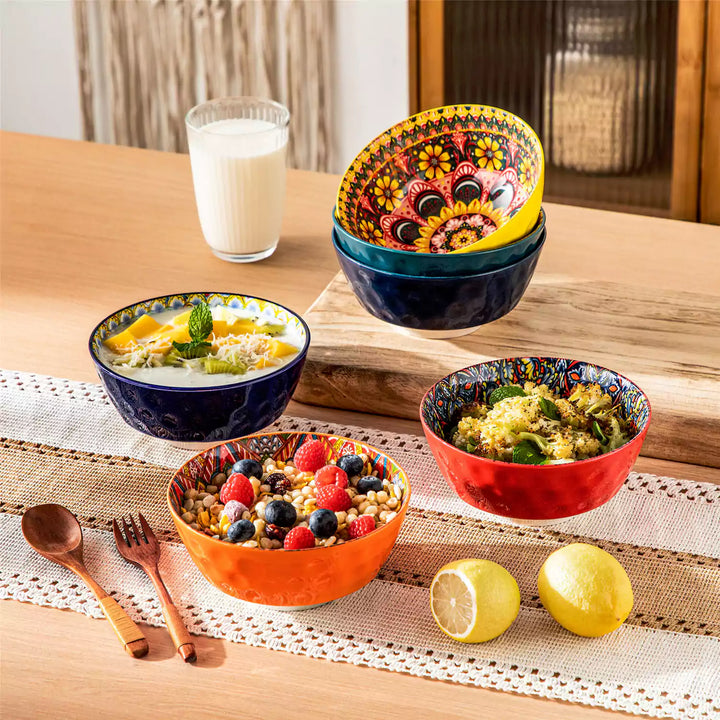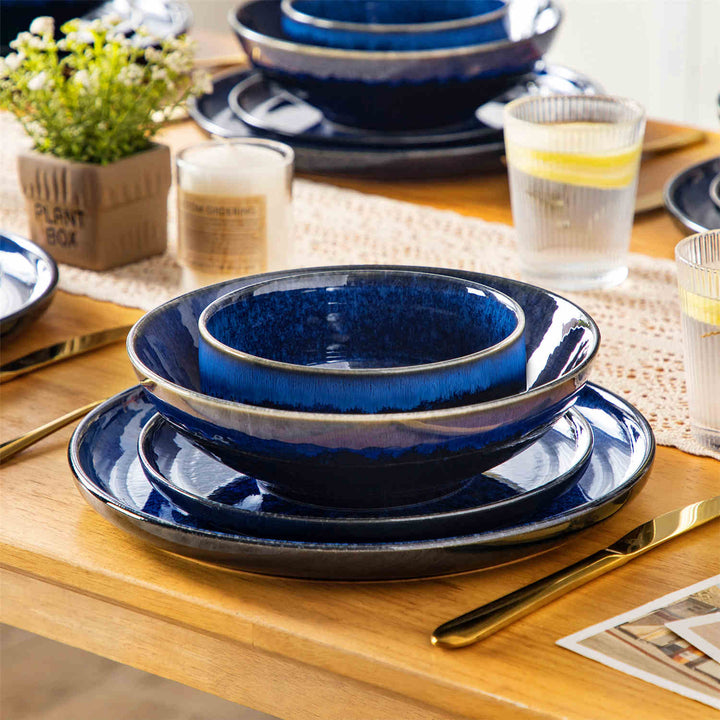


Serving food on a gently warmed plate is a simple restaurant-style touch that helps hot dishes stay closer to their intended serving temperature. A gently warmed plate can help hot food retain its temperature longer and can make dishes such as pasta, roasted meats, soups, and sauces more enjoyable from the first bite.
However, ceramic dinnerware needs to be warmed carefully. Some plates are not oven or microwave-safe and sudden temperature changes can cause thermal shock, cracking or breakage. Always refer to the manufacturer's instructions, only use approved appliances and warm plates slowly.
Why Restaurants Warm Plates Before Service
Plates are warmed in restaurants because the temperature of the serving dish may influence the rate of cooling of hot food. If very hot food is put on a cold plate, some of the heat is transferred into the ceramic immediately. This initial heat loss is minimized with a warm plate.
This method works well with foods that are intended to be served hot, such as steaks, pasta, casseroles, roasted vegetables, and sauces served on a plate. Warm plates can also enhance the presentation of food, as it will remain closer to the desired serving temperature for longer.

The same can be applied at home, but safety should be the first consideration. Commercial plate warmers that are designed for dinnerware can be used in restaurant kitchens. Never assume that standard household plates are suitable for high temperature heating.
Check the Manufacturer's Use Instructions First
Always check the manufacturer's care and use instructions before warming any plate. See if the product is marked as oven safe, microwave safe or both.
An oven-safe label applies only within the stated temperature limits, while a microwave-safe label does not automatically mean the plate is safe for conventional oven use. These labels are not interchangeable. A plate that is microwave safe is not necessarily suitable for an oven.
Look for temperature restrictions, preheating requirements or limitations on fast temperature changes. Some finishes, such as decorative, metallic, painted patterns, or some coatings may have other restrictions.
If the manufacturer does not approve an appliance for heating, choose another warming method rather than assuming the plate is safe.
Safe Plate-Warming Methods at Home
The safest way is according to the instructions of the dinnerware manufacturer. If your plates are approved for oven use, follow the manufacturer's temperature guidance and warm them gradually. Avoid placing very cold plates into a preheated oven unless the care instructions specifically allow it.
For microwave-safe plates, use only the manufacturer-approved method. Heat clean, dry plates cautiously, stopping once they are gently warm rather than hot to the touch. Put in clean, dry plates and use a gentle heating technique, not to make them very hot.
Another simple option is to use warm water. Rinse or dip appropriate plates in warm water (comfortable temperature), and pat dry before serving. This gives a gentle heat without intense heat to the dinnerware.
Regardless of the technique used, be careful with plates that have been heated. If needed, use dry oven mitts or a heat-resistant cloth to handle the plate and set it on a heat-resistant surface.

How to Prevent Thermal Shock
Thermal shock occurs when ceramic heats or cools unevenly, causing different parts of the plate to expand or contract at different rates. The various sections of the plate expand or contract at different rates, which results in stress in the material.
To minimize this risk, do not move a plate from hot to cold or vice versa. For example, don't take a very cold plate from a refrigerator and immediately place it into a hot oven unless the manufacturer specifically permits that procedure.
Do not heat plates that have water on them. Water on or under dinnerware can heat up quickly and cause temperature differentials. Likewise, don't place a very hot plate directly onto a cold, wet countertop.
The key precaution is to avoid abrupt temperature changes. Allow plates to warm up and cool down gradually.
Methods to Avoid: Stovetops, Open Flames, and Sudden Heat
Do not place standard ceramic dinnerware directly on a stovetop burner unless the manufacturer specifically confirms that it is designed for direct heat. Typical ceramic dinner plates are not intended to be heated directly on the stovetop.
Do not place the dinner plates on an open flame, gas burners, electric or induction cooking surfaces unless the manufacturer specifically indicates the product is intended for this purpose.
Empty plates should also not be heated up too quickly or at a very high temperature to make them hotter. The goal is gentle warmth, not maximum heat.

Match Plate Warmth to the Food You Are Serving
Foods have different requirements for serving. A hot plate is not necessary for each meal.
A warm plate can be helpful for pasta, roasted meat, rice dishes and other hot entrees, as it will help to slow the initial loss of heat. A warm or room-temperature plate might be better for delicate foods.
Stoneware may retain heat differently from thinner ceramic plates because of its greater thermal mass. Even so, material type alone does not determine safe use. Do not use the material name as the sole guide to care instructions, always follow the manufacturer's instructions.
The best target is simple: warm the plate enough to support the food's intended serving temperature without making the dinnerware dangerously hot to handle.
Conclusion
Warming ceramic plates before serving is an easy way to give meals a more polished, restaurant-style presentation while helping hot food maintain its temperature. However, safe plate warming is less about making the plate as hot as possible and more about using the correct method for your specific dinnerware. Always check the manufacturer's instructions, use only approved appliances, keep plates dry, and allow temperature changes to happen gradually to reduce the risk of thermal shock.
Avoid placing the standard dinnerware directly on stovetops or open flames, and never assume that a microwave safe plate is automatically oven safe. Whatever dinnerware you use, follow its care instructions and select only approved warming methods to protect your plates, your guests, and the dining experience.
Are you ready to create a restaurant-style table at home? Check your plate's care instructions today, choose an approved warming method, and make gently warmed dinnerware part of your next special meal.

FAQ about Safely Warming Ceramic Plates
Can All Ceramic Plates Go in the Oven?
No. Ceramic dinnerware is different depending on the construction, glaze, decoration and manufacturer. Only use an oven if the particular plate is marked or recorded as oven-proof.
Are Microwave Oven Safe Plates Also Oven Safe?
Not necessarily. The microwave and oven safe ratings are distinct. Refer to the manufacturer's instructions for both appliances.
Should Plates Be Completely Dry Before Warming?
Yes. Dry plates are easier to handle and prevent uneven heating due to moisture.
Can I Warm Plates on the Stovetop?
Do not place standard dinnerware directly on a burner or open flame unless the manufacturer specifically approves that use.
How Hot Should a Serving Plate Be?
There is no single safe temperature for every plate. Aim for gentle warmth appropriate for the food and follow the manufacturer's temperature guidance.