



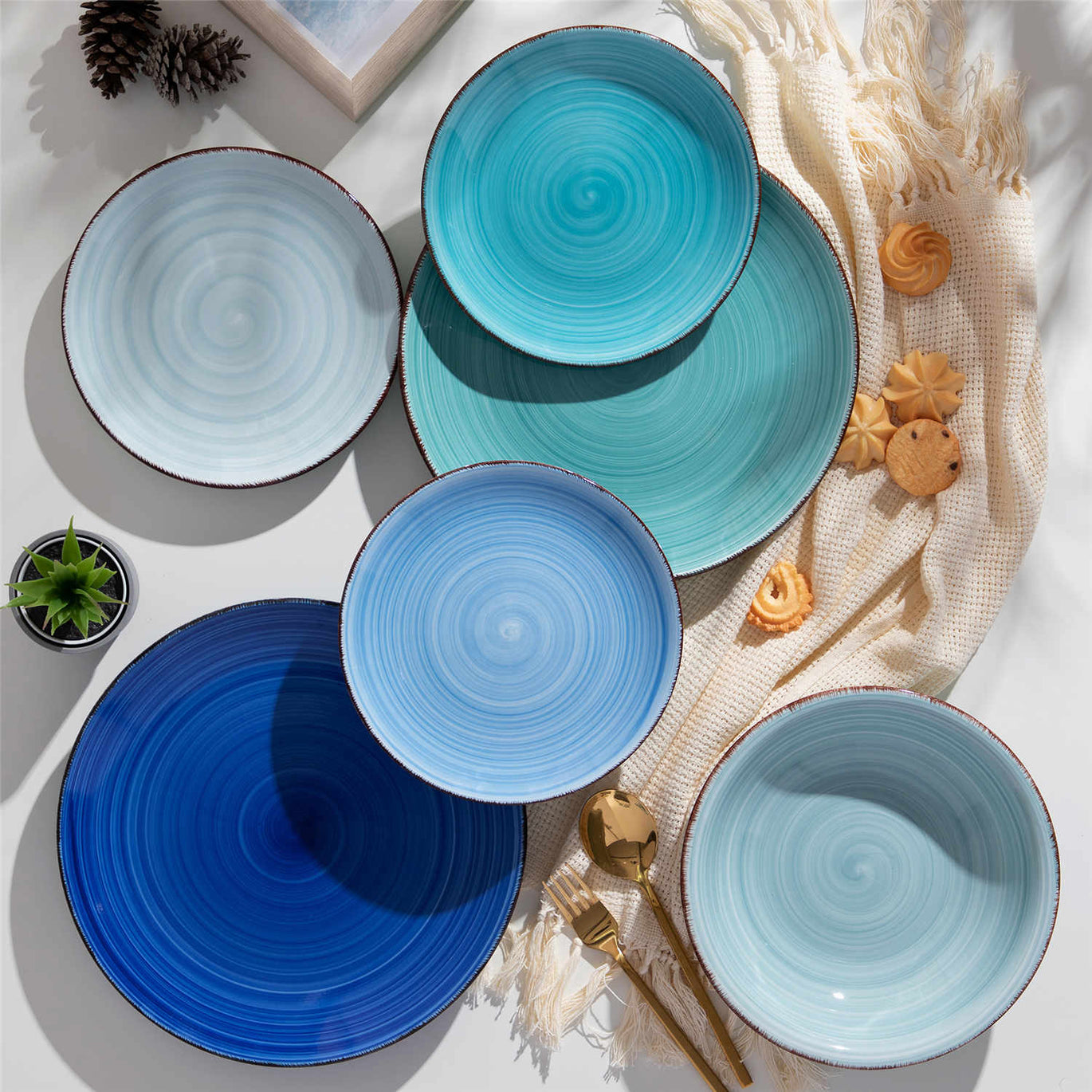


The Significance of Handmade Ceramics in Gift Economy Practices

I have passed hundreds of handmade bowls across long tables, wrapped mugs in recycled paper for pop-ups, and watched a shy neighbor’s face light up when I handed her a speckled cup still warm from the afternoon sun. If you’ve ever felt how a handmade cup “sits” in the palm—weighty, human, alive—you already understand why ceramics belong at the heart of gift economy practices. They carry presence. They carry place. They carry people. In communities that trade more than money—time, attention, care, and trust—handmade ceramics perform as both useful utensils and social glue.
This article takes a colorful tour of how and why handmade ceramics amplify gift economies. It weaves brief references to reputable makers and studios with field-tested, dinner-table-practical advice. Along the way, you’ll find clear definitions, pros and cons, and smart, non-fussy guidance on buying and caring for pieces that will be loved in daily life.
What We Mean by “Handmade Ceramics” and “Gift Economy”
When I say handmade ceramics, I mean objects formed and finished by artisans in small batches, often wheel-thrown or hand-built, then fired and glazed with intention. They’re not carbon copies. They are one-of-a-kind the way people are one-of-a-kind, with footprints of process—subtle glaze breaks on a rim, a thumbprint at the handle base, a foot ring that tells you the maker trimmed the piece at just the right hardness. Studio definitions align with this description from makers who stress craftsmanship, durability, and tradition, including Emerson Creek Pottery, HF Coors, and Maelstrom.
Gift economy is a broad phrase, but in practice it looks familiar: reciprocity, relationship, and shared meaning orbiting everyday exchanges. Cabin Ceramics describes sustainable handmade products as engines for local jobs, skills preservation, fair wages, and social cohesion—exactly the fuel that keeps community-oriented gifting spinning. IshqME calls the ethos “slow gifting,” favoring intentional choices, ritual, and connection over speed and abundance.
In other words, when we give handmade ceramics, we are moving more than an object. We are moving value through people.

Why Handmade Ceramics Belong in Gifting Cultures
Handmade ceramics read as personal without being intrusive. A cup or plate is intimate enough to touch lips and hands daily, yet practical enough to avoid the awkwardness of too-personal gifts. Across many cultures, mugs, bowls, and cups communicate warmth, steadiness, and care; they are reliable companions to morning coffee, late-night tea, and celebratory toasts. Articles from Studio Nendo, CHUS, and Maison Manessiez all emphasize how handcrafted pieces become part of rituals—breakfasts, candlelit dinners, jewelry set-downs—where affection turns into habit and habit turns into story.
Gifts in a relationship-driven economy signal: I see you, and I want the good in our circle to circulate. A handmade bowl given to a new neighbor invites a reciprocal casserole. A custom platter for a community fundraiser turns into a future commission for the potter. The piece keeps moving, but the value doesn’t leave; it compounds.

The Community and Equity Upside
Ceramic gifting can be deliberately transformational. Cabin Ceramics underscores how purchasing ethically made goods can stabilize incomes, build inclusive networks, and preserve traditional knowledge. This resonates with so many studio realities I’ve witnessed: tool-sharing pools, glaze co-ops, apprenticeships, and local markets that become gathering places. The notes also highlight women’s empowerment—when women artisans gain income and leadership, the benefits ripple beyond a single household into community resilience. Transparent, fair supply chains and co-design practices align the social and environmental goals with a viable business model, which is exactly what you want to reinforce with your gifting budget.

Sustainability That’s Not Just a Label
Clay, glaze, fire, time—ceramics start with abundant natural materials, and the best makers work to minimize impact. HF Coors and Joyye discuss energy-efficient kilns, reduced water usage, reclaimed clay, and nontoxic, lead-free glazes. Emerson Creek Pottery documents safety testing and California Proposition 65 compliance, along with recycled packaging materials and high recycled content in shipping boxes. The long service life of vitrified, nonporous ceramics is a sustainability superpower: every year a durable plate stays in service is a year you don’t buy a replacement that needs new resources to exist.
At end of life, ceramics do not break down like plastics; they persist as inert material rather than shedding microplastics. Some studios and cities crush ceramic waste into aggregate, and studios commonly reclaim wet scraps into new clay bodies. Sustainability here is not theoretical; it is practice-based and visible in the studio and on the doorstep.

Everyday Performance: The Quiet Joy of Using the Good Stuff
I road-test handmade plates, bowls, and mugs in the way that matters: at the table and in the sink. Vitrified pieces from reputable makers resist staining and odors and often perform beautifully in dishwashers and microwaves, but always confirm item-by-item guidance from the maker. HF Coors explicitly notes vitrification, durability, and use in ovens, microwaves, dishwashers, and freezers, with a chipping guarantee under normal use. Emerson Creek Pottery emphasizes lead- and cadmium-safe glazes and long-term durability. Joyye and Klay Kathaa echo the “built to last” theme while pointing to eco-conscious glazes and energy-aware firing.
Usefulness is part of the gift economy’s magic. A mug that becomes someone’s all-day companion throws off tiny sparks of gratitude with every sip, and those sparks illuminate the person who gave it.

Handmade vs Mass-Produced: A Quick Comparison
Aspect |
Handmade Ceramics |
Mass-Produced Ceramics |
Design character |
Singular, maker’s touch visible; variations are part of the charm |
Highly uniform; design often trend-driven |
Safety and testing |
Often lead- and cadmium-safe when made by reputable studios; look for Prop 65 compliance and third-party tests as noted by Emerson Creek Pottery and HF Coors |
Varies widely; verify safety claims and standards |
Durability |
Vitrified, nonporous bodies can last for decades with care; repairs via community studios sometimes possible |
Durable but may be thinner or more brittle; replacement often cheaper than repair |
Environmental impact |
Small-batch, reclaimed clay practices, energy-efficient kilns, recycled packaging; inert at end-of-life |
Larger-scale energy use; packaging varies; lifespan may depend on price tier |
Social impact |
Supports artisans, preserves traditions, builds local economies, empowers women |
Supports factories and distributors; social impact depends on corporate practices |
Price and lead time |
Higher upfront cost; possible wait for commissions or kiln cycles |
Lower cost and immediate availability |
The Real-World Drawbacks (and How to Navigate Them)
Cost floats to the surface first. Handmade ceramics cost more because they reflect skilled labor, studio overhead, and small-batch realities. In gift economies, higher upfront cost can be reframed as longer-term value: fewer replacements, more daily joy, and a stronger community signal. For timing, plan ahead for commissions; a maker’s calendar runs on wetness, dryness, and kiln availability, not overnight shipping speeds. Variations are either a delight or a hesitation; if the recipient craves exact matches, choose pieces from a single firing or ask the maker to curate a coordinated set. Fragility can be real for thin rims and tall handles, so choose thoughtfully for the recipient’s use and dishwashing style. If you’re gifting to someone who runs everything through a high-heat dishwasher, choose sturdier profiles and glazes the maker confirms as dishwasher safe.
How to Choose Handmade Ceramic Gifts That Thrive in Daily Life
I buy and recommend pieces I would happily put on my own breakfast table for years. That’s my rule. Here’s how I translate that into confident, community-positive picks.
Fit to Rituals and Space
Start with the recipient’s day. For the person who brews pour-over coffee at 7:00 AM, a sturdy, heat-retentive mug around 10 fl oz becomes a morning anchor. For the host who cooks big pastas, a couple of wide, shallow bowls that move from stove-side to table feel like a weeknight upgrade. For the minimalist studio apartment, choose a neutral glaze with lively speckle and a compact form that stacks neatly. Studio Nendo and Harla Arts both stress matching the piece to the person’s aesthetic and routine; the delight is in getting those right.
Ergonomics You Can Feel
Ergonomics matter as much as glaze. A comfortable everyday mug for a 10 fl oz pour often lands around 7 to 10 oz in empty weight, with a handle that clears the knuckles and a rim that’s neither razor-thin nor chunky. Many enthusiasts enjoy a rim thickness near one tenth of an inch because it feels refined but not brittle. A bowl that balances in the hand when you swirl pasta tells you it’s trimmed well; the foot ring should sit flat without wobble.
Quality and Safety You Can Trust
Ask about glaze chemistry and safety standards and look for the words lead-free and cadmium-safe from brands that publish testing, as Emerson Creek Pottery does. California Proposition 65 compliance is a strong signal; HF Coors highlights it alongside third-party testing and a chipping guarantee. For functional pieces, vitrified, nonporous bodies resist absorption and staining. If you’re gifting to a parent of toddlers or to a busy, dishwasher-loving friend, confirm dishwasher and microwave guidance from the maker. These are not awkward questions; they’re the love-language of long-lasting gifts.
Design That Ages Gracefully
Classic forms and earth-anchored palettes seldom tire. Joyye notes a movement toward raw textures, lead-free glazes, and timeless tones that wear well across seasons and décor shifts. I think about the table as a wardrobe: a black dress of a plate, a statement earring of a glaze. Pick a hero, then let the rest be quiet.
Visible Ethics
Gift economy practices reward transparency. Cabin Ceramics recommends fair wages, safe conditions, skills training, and co-design with artisans; those policies travel with the object and increase the meaning. Recycled packaging isn’t window dressing; it is part of the object’s story. Emerson Creek Pottery’s use of high recycled content boxes and paper fillers is the kind of detail that becomes a proud footnote when the recipient opens the gift.

A Buyer’s Quick Reference You Can Screenshot
What to Check |
Why It Matters |
How to Evaluate |
Safety claims |
Food-contact safety and peace of mind |
Look for lead- and cadmium-safe, Prop 65 notes, and reputable makers (HF Coors, Emerson Creek Pottery) |
Form and weight |
Comfort in daily use |
Hold the piece; ensure handle clearance; check balanced weight and a steady foot ring |
Vitrification |
Stain and odor resistance |
Ask if the ware is vitrified and nonporous; inspect the unglazed foot for density |
Intended use |
Durability under real conditions |
Confirm dishwasher, microwave, oven, or freezer guidance per maker instructions |
Glaze character |
Aging gracefully |
Prefer lead-free, stable glazes; avoid crazing-prone finishes for heavy dishwashers |
Ethics and packaging |
Gift economy alignment |
Ask about fair pay, reclaimed clay, energy-efficient kilns, and recycled packing |

Caring for Handmade Ceramics Without Fuss
Care prolongs both beauty and story. Most high-fired stoneware and porcelain tolerate everyday life with aplomb, but a few habits help.
Thermal shock is the enemy. Avoid moving a plate straight from the refrigerator into a hot oven and conversely avoid dousing a hot dish with cold water. Let pieces warm or cool gradually. For dishwasher use, follow the maker’s guidance; plenty of studio pieces hold up beautifully on normal cycles, but delicate lusters or low-fired surfaces deserve a hand wash. Use mild detergent and a soft sponge, and stack plates with a thin cloth or cork liner if your shelves are jostled. If a matte white picks up scuffs from flatware, a quick rub with a gentle ceramic-safe cleanser brings it back. For microwave heating, watch for localized hotspots and use a trivet when you set the piece down.
In my own kitchen tests, vitrified stoneware bowls from reliable studios have moved between freezer, oven, and table without drama when given a few minutes to adjust at each step. The key is patience, not preciousness.
Cultural Meanings and the Mug Myth
Some regions carry quirky myths around gifting cups or mugs, but across many traditions, handcrafted drinkware anchors weddings, housewarmings, and milestones precisely because it symbolizes warmth and constancy. CHUS highlights how mugs function as meaningful, durable keepsakes and corporate memory-makers when thoughtfully chosen. When the intention is clear and the piece is used daily, it does not signal separation—it signals “you are part of my every day.”

The Gift Economy Playbook, Ceramics Edition
Think of ceramic gifting as a loop, not a line. Commission a set from a local studio and you send money and trust into the maker ecosystem; the maker pays assistants, orders clay from a regional supplier, and teaches a weekend class where your friend learns to throw a first bowl. Package your gift in recycled materials, tuck in a care card and the maker’s story, and your recipient may later commission a serving platter for their own gift. Cabin Ceramics describes this compounding effect clearly: training, co-design, and fair pay strengthen livelihoods and diversify products. The gift keeps circulating, accruing meaning.
Action |
Immediate Gift |
Community Effect |
Long-Run Return |
Buy a locally made mug |
Daily-use, personal ritual |
Income to a nearby studio; visibility for craft markets |
Future commissions and stronger local creative scene |
Commission a wedding bowl set |
Heirloom function and story |
Co-design skills, fair pay, and studio growth |
A family keepsake that anchors gatherings for decades |
Include maker bio and care card |
Confidence and connection |
Education about safety, sustainability, and value |
Better care, longer lifespan, and advocacy for artisans |
Choose recycled packaging |
Aligned unboxing experience |
Less waste, modeled behavior for recipient |
Normalized eco-friendly choices in your circle |
Pros, Cons, and Pragmatic Balance
Handmade ceramics bring aesthetic uniqueness, tactile pleasure, long life, and direct social and environmental benefits. The trade-offs include higher price, occasional wait times, and variation between pieces. Those very trade-offs, however, are where the gift economy breathes. Higher price becomes an investment in community resilience and durability. Wait time becomes anticipation and intention. Variation becomes the fingerprint that says a person made this for a person.
A Few Reputable Signals to Watch For
To boost confidence without drowning in details, look for specific markers. HF Coors notes vitrified, nonporous bodies, lead-free safety, and a two-year chipping guarantee under normal use, alongside being a Service-Disabled Veteran-Owned Small Business in a HUBZone in Tucson, Arizona. Emerson Creek Pottery, handcrafting in Bedford, Virginia since 1977, highlights lead- and cadmium-safe glazes tested by third parties, along with recycled packaging. Joyye and Klay Kathaa emphasize lead-free, eco-conscious glazes and energy-aware kilns. Cabin Ceramics articulates fair labor and circular practices and describes how these choices strengthen communities. These are the kinds of publisher and studio notes that add backbone to your gift.

Optional FAQ
What makes a ceramic piece “food safe,” and how can I tell? Food safety comes down to materials and firing. Reputable studios specify lead- and cadmium-safe glazes, often with third-party testing or Proposition 65 compliance. Ask for these claims in plain language, and prefer makers and brands that publish them.
Can handmade ceramics go in the dishwasher or microwave? Many can, especially vitrified stoneware and porcelain. Always follow the maker’s specific guidance, since some surface treatments like metallic lusters or very low-fired glazes are not dishwasher or microwave friendly. When in doubt, hand wash.
Are handmade ceramics actually sustainable? Sustainability comes from both process and lifespan. Studios reclaim clay, reduce water use, choose energy-efficient kilns, and ship in recycled packaging. The long service life of a well-made plate or mug reduces replacements, and at end-of-life ceramics are inert rather than shedding microplastics. HF Coors and Emerson Creek Pottery both discuss safety and durability that support long use.
How do I choose a size and weight for a mug that most people will love? For everyday comfort, a roughly 10 fl oz capacity hits a sweet spot for coffee and tea, with an empty weight that feels substantial but not tiring—often in the neighborhood of 7 to 10 oz. Look for a rim that feels pleasant at the lip and a handle that clears your knuckles without forcing a grip.
A First-Hand Note on Joy
I keep a personal rotation of six mugs from six different makers. Each carries a season of my life: a winter glaze that found me after a difficult move, a spring speckle from a friend’s first kiln fire, a summer celadon pulled at midnight that sang when the door opened. Rotating them is not just variety. It is a practice of remembering people and places and putting that memory to use—literally—in my hands. That is gift economy at the breakfast table.
Closing this out like a colorful tabletop curator who loves a good, practical party: choose the piece that will be reached for every day, made by hands you can name, wrapped in materials that match its values, and gifted with a story card that lets the meaning travel. That is how a warm object becomes a warm habit—and how a warm habit becomes a warmer community.

References
- https://www.aroundthecornergiftshop.com/post/why-handmade-gifts-are-worth-the-investment
- https://ceramamadinnerware.com/Dinner_Plates/What_Are_the_Benefits_of_Offering_EcoFriendly_Ceramic_Gift_Sets_in_Gift_Shopshappygodinnerwarecom_17.html
- https://chus.vn/significance-of-gifting-ceramic-cups-and-mugs/?srsltid=AfmBOoohI9iEgBUFKA6ZxmyIyTohMx48DaOE4_u9mWEDK2Md_Vsl_jio
- https://cabinceramics.co.uk/empowering-communities-through-sustainable-handmade-products/?srsltid=AfmBOoogoT5EN4Mm2ZNdtWhCj4AuJTbf-FsbtmJUfRDfkkgFfvZXhUbj
- https://emersoncreekpottery.com/non-toxic-eco-friendly-pottery-housewares/?srsltid=AfmBOopqX1sE28MgaJ6toTGyx9bzJgGOVH1vrLuczMsBVAXax8TBEqVw
- https://gishyanceramics.com/blog/why-ceramic-gifts-are-the-perfect-choice-for-every-occasion
- https://joyye.com/info-detail/eco-friendly-ceramic-tableware-and-vases
- https://www.klaykathaa.com/blog/the-benefits-of-using-sustainable-pottery
- https://ourgoodbrands.com/sustainable-pottery-how-eco-friendly-ceramics-shape-industry/
- https://shokkidecor.com/why-ceramic-tableware-is-a-thoughtful-gift/
Sie können auch mögen
Stern 16 Stück Geschirr Set
- Von €67,95
€90,95- Von €67,95
- Stückpreis
- per
-
Blue
-
Green
-
Red
-
Grey
Bonita 18-teiliges Geschirrset
- Von €56,95
€70,95- Von €56,95
- Stückpreis
- per
-
Blue
-
Multicolor
Simi 24 Stück Geschirr Set
- €90,95
€121,95- €90,95
- Stückpreis
- per
Starry 16-teiliges Geschirrset
- €69,95
€81,95- €69,95
- Stückpreis
- per
-
Blue
-
Green
-
Red
-
Gradient Green