



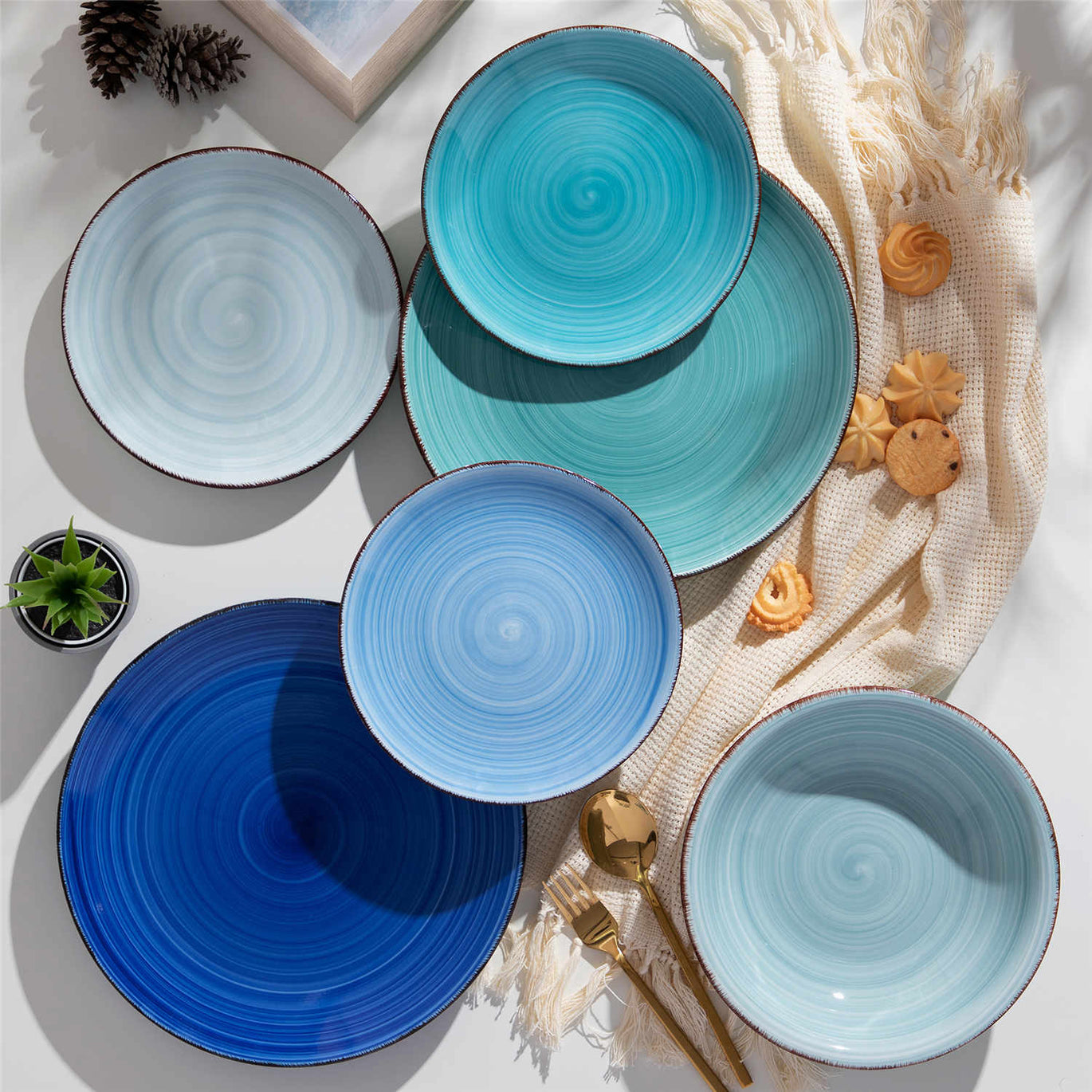


Nano‑Coated Ceramic Plates: What’s the Price of Never‑Stick?

A crimson marinara spiral on a bright white plate is a color story—until it lingers after the last bite. Nano‑coated ceramic plates promise a future where curry, coffee, and berry pies glide right off, keeping your tabletop tableau crisp and gleaming. As a Colorful Tabletop Creative & Pragmatic Joy Curator, I adore anything that preserves vibrancy with less elbow grease. But the joy of a “never‑stick” surface comes with trade‑offs you should understand before you set the table for a lifetime of easy elegance.
What Exactly Is a Nano Coating on Tableware?
In plain terms, a nano coating is an ultra‑thin, glassy layer engineered at the molecular scale to repel water and oils so stains struggle to latch on. The most common way to make that slick, sealed surface is through sol‑gel chemistry that yields an inorganic silicon‑oxygen network. The Cookware Advisor describes these ceramic‑type coatings as PTFE‑ and PFOA‑free by design and notes that manufacturing often uses fewer layers and shorter cures than legacy nonstick, with some lines reporting roughly half the CO₂ output compared with PTFE processes. While much of the public conversation revolves around cookware, the same chemistry can be adapted to dining plates: a glaze or surface layer tuned to reduce surface energy so messes release more easily.
This layer is not magic, and it is not unbreakable. It is a coating on top of ceramic. Like any finish, it lives in the real world of forks, knives, dishwashers, and hot kitchens. The goal here is to help you weigh the glow of effortless cleanup against the realities of daily use.

The Allure: Less Stain, More Shine
Coffee and tea, tomato sauce, and ketchup are classic culprits behind brown rings and orange‑red shadows on light ceramics; hard water deposits can cloud glass and porcelain; and gray streaks often appear when stainless flatware transfers onto glossy glazes. Catalonia Plates explains that those gray “scratches” are frequently not gouges in the plate at all, but thin films of transferred metal that can be lifted with a gentle cleaner. A nano‑coated plate counters the first problem by making it harder for pigments and oils to wet the surface in the first place. In practical terms, that means the post‑brunch wipe is often a quick one, even with deeply colored food.
When you do get marks or mineral haze anyway, a non‑abrasive routine works wonders across both coated and uncoated tableware. Pantry classics like a soft baking‑soda paste lift coffee and tomato smudges, diluted white vinegar clears hard‑water films, and cream of tartar brightens persistent discoloration. Those tips echo care guidance from makers and retailers including Catalonia Plates, HF Coors, and Saje Rose, and they remain your first‑line plan even with a slick new surface.

The Hidden Costs You Should Weigh
The promise of “never‑stick” is real enough to feel luxurious in everyday life. Yet the coating’s advantages sit alongside durability, care, and safety considerations that deserve an honest look.
Real‑World Durability
Ceramic‑type nonstick layers can be hard and glossy, but they are still finite. The Cookware Advisor points to durability testing from Whitford indicating top ceramic nonstick releases lasted around 15% as long as PTFE in comparable use, and it also observes that many ceramic nonsticks lose their easy‑release feel within about a year of regular cooking. Plates do not face stovetop heat the way pans do, so thermal breakdown is less of a concern at the dinner table. However, abrasion is constant. Fork tines, serrated knives, and plate‑on‑plate friction in storage create micro‑wear over time. If you love an always‑perfect, day‑one surface, be prepared to care for it more gently and accept that a coated finish has a wear life—even on a plate.
Dishwasher and Heat Stress
A coated surface’s worst enemy is not your Sunday risotto; it’s chemistry and heat cycles. The American Ceramic Society cautions that dishwashers expose ceramics and coatings to harsh detergents, high temperatures, and impact, which together can degrade a finish over time. In cookware testing, Good Housekeeping found an empty pan can exceed about 500°F in under two minutes, and with oil it can pass roughly 514°F in about two and a half minutes—numbers that matter for pans, but they illustrate how quickly heat can escalate in kitchen contexts. Plates aren’t used on burners, of course, but the takeaway carries over: repeated exposure to high heat and aggressive wash chemistry shortens coating life. If you want your nano sheen to last, handwashing with mild dish soap and a soft sponge is the pragmatic path, and it aligns with care advice from HF Coors and others.
Utensil Marks and Micro‑Abrasion
Even when a coating stays intact, metal marks can appear. Catalonia Plates demystifies the phenomenon: those gray arcs are usually stainless steel transfer, not gouges. A dab of baking‑soda paste rubbed in gentle circles, a ceramic cooktop cleanser on high‑gloss glazes, or a melamine foam eraser typically erases them. That’s good news because you don’t need to scrub hard or reach for abrasives that could prematurely scuff a nano layer. It also means the “cost” here is mostly a change of habits: reduce sawing motions on the plate, avoid dragging cutlery, and clean marks promptly with mild, non‑scratch methods.
Safety and Regulatory Confidence
Ceramic‑type coatings are PTFE and PFOA free by design, but labels matter, as the Cookware Advisor notes that some marketed blends have historically included PTFE. Look for clear PTFE‑free claims and reassurance on heavy metals. Reputable US makers such as HF Coors emphasize vitrified, non‑porous bodies and lead‑ and cadmium‑free glazes, and companies like Convivial cite third‑party verification of food‑safety claims. In the US, FDA/FFDCA compliance is the baseline; in California, Prop 65 adds strict disclosure standards; in the EU, Regulation 1935/2004 governs migration of substances from materials in contact with food. Material brands such as Greblon publicly state no lead, cadmium, PFOA, or PFOS in their specifications. If a nano‑coated plate discloses adherence to these frameworks and mentions independent testing, you can dine with confidence. If labeling is vague, pause and ask for documentation before you buy.

Everyday Care That Extends the Coating’s Life
The biggest wins for longevity come from gentle, consistent habits. After meals, let temperature settle, then wash with warm water and mild detergent using a soft sponge or cloth. Avoid steel wool, powder abrasives, and aggressive scouring pads, especially if your plate’s coating is glossy and hydrophobic. If you see a cloudy film from hard water, soak briefly in a half‑and‑half mix of white vinegar and water, then rinse and dry with a microfiber towel. When deep color clings, stir up a soft paste of baking soda and water or use cream of tartar on stubborn stains; give it a short rest before a light, circular rub and a thorough rinse.
Thermal shock is another stealthy foe. Placing a hot plate on a cold stone counter or rinsing a hot plate in cold water can stress ceramic bodies and glazes. Let pieces come closer to room temperature before moving them between extremes. When storing, dry completely to discourage moisture spots or mold, stack thoughtfully with separators, or file plates upright to avoid pressure points along the rim. These practices reflect consensus guidance across HF Coors, Saje Rose, and other specialty ceramic sources and they protect both coated and uncoated pieces.
When Stains Happen Anyway
Even with a nano assist, life stays deliciously messy. Coffee and tea rings respond quickly to that trusty baking‑soda paste applied with a soft cloth. Tomato traces loosen with a mild detergent, and if grease is the culprit, a quick wipe with a touch of diluted white vinegar followed by soapy water helps. Mineral haze from hard water yields to a brief vinegar soak and a microfiber polish. For those gray utensil streaks, remember they are metal transfer; a few gentle passes in small circles usually lift them without drama. The common thread is patience rather than pressure, which saves coatings while restoring glow.

Coated vs. Classic: A Quick Comparison
Aspect |
Nano‑Coated Ceramic Plate |
Traditional Glazed Porcelain/Stoneware |
Stain resistance (coffee, tomato) |
Often excellent release and less ghosting |
Good with prompt care; more prone to faint tinting on light glazes |
Dishwasher tolerance |
Variable; handwash maximizes life |
Often dishwasher‑safe when labeled; still benefits from gentle cycles |
Abrasion from utensils |
Coating can micro‑wear over time; metal marks removable |
Glaze can pick up metal transfer; marks removable; no coating to wear |
Heat exposure considerations |
Avoid extreme heat and thermal shock to preserve coating |
Avoid thermal shock; otherwise robust for everyday serving |
Safety/regulatory clarity |
Look for PTFE‑free and heavy‑metal‑free claims plus third‑party tests |
Well‑established standards; look for lead‑ and cadmium‑free claims |
Maintenance rhythm |
Mild soap, no abrasives; quick mark removal |
Mild soap, occasional non‑scratch cleaners; similar mark removal |
The table reflects patterns echoed by sources including the American Ceramic Society, the Cookware Advisor, HF Coors, and brand care guides.
Buying Guide: Choose Nano‑Coated Plates You’ll Love Beyond the Unboxing
Transparency tops charm. On packaging or product pages, look for plain‑English statements that the surface is PTFE‑free and the body and glaze are lead‑ and cadmium‑free. Mentions of FDA/FFDCA compliance and, for California buyers, Prop 65 conformance signal mature quality systems. If a brand cites third‑party testing, that’s a reassuring bonus. A warranty tells you how confident the maker is; HF Coors, for instance, publicly stands behind chip resistance under normal use with a two‑year guarantee on its dinnerware. When possible, start with a single piece and put it through your routine: a Sunday pasta, a Monday coffee ring, a week of gentle handwashing. This “taste drive” reveals whether the feel and finish genuinely match your household’s elbow room and energy.

If You Already Own Them: A Simple Ritual
Use them joyfully, then reset them kindly. After serving, let plates cool to avoid sudden temperature swings. Wash with warm water and a few drops of mild dish soap using a soft sponge; treat marks or colored residue with a short rest under a baking‑soda paste, then rinse thoroughly. Banish mineral haze with a quick diluted‑vinegar soak and follow with a microfiber dry to keep water spots from dulling the party. When you put them away, slip a thin protector or towel between plates or slide them into a rack so rims stay chip‑free. If you host a steak night, encourage cutting on the meat rather than sawing against the plate, and wipe utensil transfer promptly so your set keeps looking camera‑ready.

Safety Snapshot, Sans Jargon
Coated or not, dinnerware should be boringly safe. That means lead‑ and cadmium‑free glazes, PTFE‑free surfaces for nano or ceramic‑type coatings, and adherence to recognized food‑contact regulations. Established American makers such as HF Coors and craft‑forward studios like Convivial publicly highlight that their wares are third‑party tested and food‑safe. On the materials side, the Cookware Advisor notes that ceramic‑type coatings are inorganic and non‑PTFE by design and that reputable suppliers, including Greblon, specify no lead, cadmium, PFOA, or PFOS. If a product can’t answer simple questions about what’s in contact with your food, let it sit in the cart until it can.
Frequently Asked Questions
Are nano‑coated plates the same as ceramic nonstick pans?
They share similar chemistry in the sense that many are sol‑gel–derived, silicon‑oxygen networks designed to be slick and inert, as explained by the Cookware Advisor. Plates aren’t heated on burners, so they don’t face the same thermal stress, but they do see constant utensil contact and dishwasher cycles. Treat them like a premium coated surface and you’ll preserve that easy‑clean feel.
Are nano coatings food‑safe?
Food‑contact safety hinges on formulation and verification, not marketing buzzwords. In practice, choose products that are PTFE‑free, lead‑ and cadmium‑free, and explicitly compliant with FDA/FFDCA and, where relevant, California Prop 65 or EU 1935/2004. Brands that publish third‑party testing and heavy‑metal results make the safest companions for your table.
Can I put nano‑coated plates in the dishwasher?
Some can tolerate it, but the American Ceramic Society highlights that dishwashers add heat, aggressive detergents, and impact that accelerate wear on coated surfaces. If long life matters most, a quick handwash with mild soap is the gentle choice; reserve the dishwasher for occasions when convenience beats longevity, and use milder cycles.
What if a gray line looks like a scratch—did I ruin the coating?
Probably not. Catalonia Plates points out that these are usually metal transfer from flatware. A soft baking‑soda paste, a ceramic cooktop cleaner on a glossy glaze, or a melamine foam eraser usually lifts the mark without harming the surface. Keep pressure light and circles small, and skip abrasive powders.

Is “Never‑Stick” Worth It?
For hosts who love snow‑white plates and saturated glazes but dread ghost stains from tomato night, nano‑coated ceramics can feel like a little miracle. The price of admission is a gentler care rhythm—handwashing, no abrasives, mindful stacking—and realistic expectations that a coating won’t look brand‑new forever. If you want the magic with the least maintenance, buy from brands that publish food‑safety details, consider starting with a single plate as a trial, and stick with kinder cleaning methods that align with advice from the American Ceramic Society, the Cookware Advisor, HF Coors, and studio‑level care guides. Do that, and your color‑loving table will keep dazzling through Thanksgiving spreads, July backyard feasts, and every splashy Tuesday in between.
Here’s my curator’s wink to close: choose joyfully, care lightly, and let your plates make color the main course.

References
- https://diposit.ub.edu/dspace/bitstream/2445/145079/1/APOSTOLOS%20SALMATONIDIS_PhD_THESIS.pdf
- https://community.ceramicartsdaily.org/topic/37616-how-best-to-seal-parian-clay-and-stoneware-to-avoid-stainingmarksand-protecting-surface/
- https://www.28ceramics.com/how-to-clean-ceramic-tableware-1.html
- https://www.thekitchn.com/cleaning-showdown-casserole-dishes-23242716
- https://smart.dhgate.com/effective-methods-to-clean-ceramic-plates-without-staining-or-damage/
- https://www.heysunday.com/blog/how-to-clean-ceramic-pots-pans
- https://madeincookware.com/blogs/ceramic-cookware-maintenance
- https://thecookwareadvisor.com/ceramic-coated-cookware-safety-secrets-that-no-one-will-tell-you/
- https://www.amalfieeceramics.com/blogs/news/ceramic-care-101-tips-to-make-your-tableware-last-longer?srsltid=AfmBOopaRX0wsBpBonQbCLQCSjAGood8-dfMaOeFHslkGMuJBG_eOIcb
- https://www.bosilunlife.com/blogs/bosilunlife-decor-more-blog/ceramic-tableware-care-tips-for-longevity-and-shine?srsltid=AfmBOoqJ9Y3qEIH7gunyzP932ly8E9eNBBH5lwTZXFlkUKR7XwFbEbie
Sie können auch mögen
Stern 16 Stück Geschirr Set
- £68.00
£77.00- £68.00
- Stückpreis
- per
-
Blue
-
Green
-
Red
-
Grey
Simi 24 Stück Geschirr Set
- £77.00
£108.00- £77.00
- Stückpreis
- per
Bonita 18-teiliges Geschirrset
- Von £49.00
£61.00- Von £49.00
- Stückpreis
- per
-
Blue
-
Multicolor
Simi 24-teiliges Tafelservice mit doppelseitigen Schüsseln
- £82.00
£108.00- £82.00
- Stückpreis
- per