



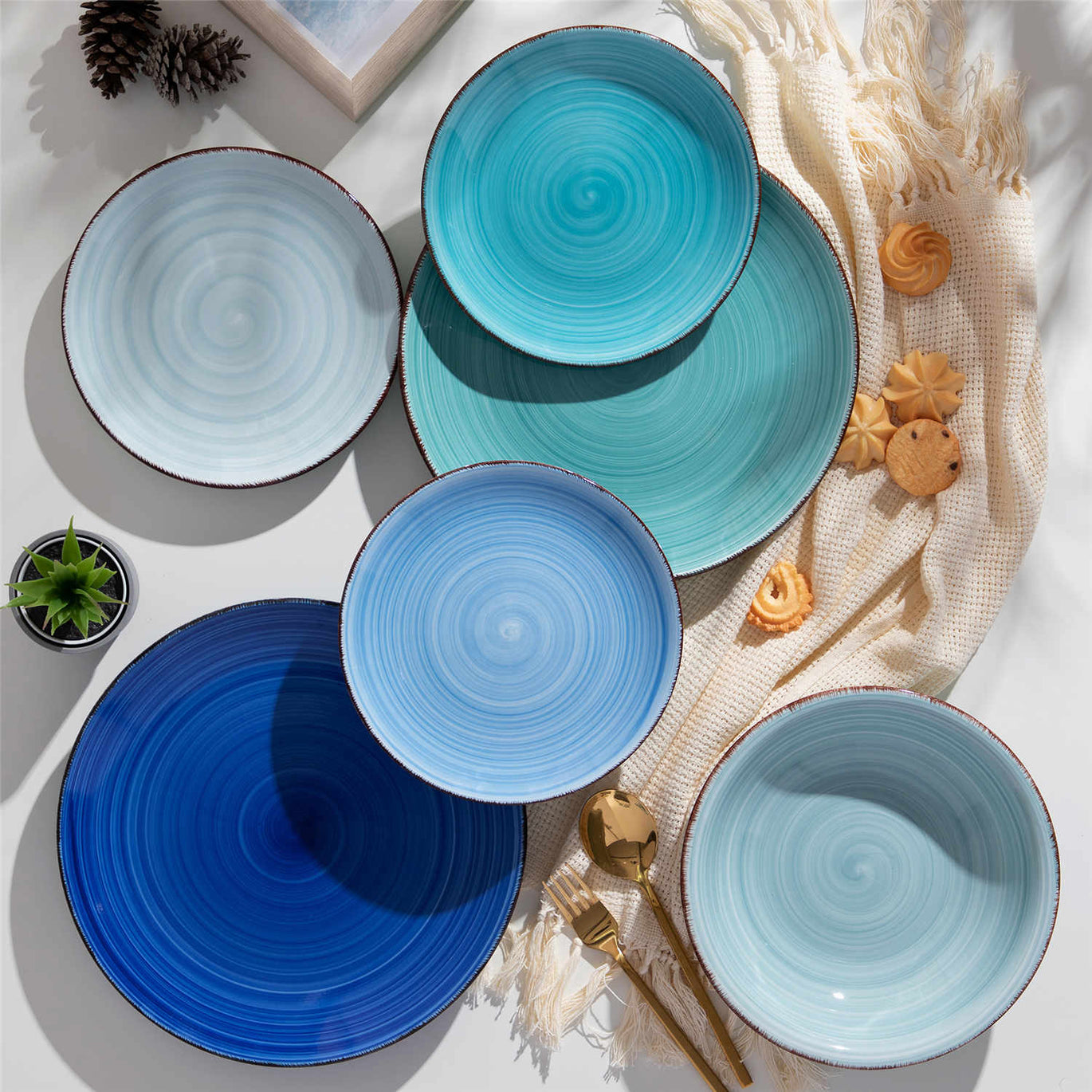


Effective Pest Protection for Ceramic Tableware in Rainforest Environments

Why Rainforest Tabletops Need Special Pest Protection
Imagine a long, laughing dinner under a dripping green canopy, candles flickering against hand-painted ceramic plates, the air thick with night-blooming flowers… and then a line of ants marches straight through the salad plates. That is the rainforest paradox in one scene: wildly beautiful, intensely alive, and absolutely irresistible to pests.
In warm, humid climates, your ceramic tableware is not just a stage for food. It can become a walkway, shelter, or even a breeding platform for insects and other intruders if you do not set clear boundaries. Pest-control specialists in food facilities warn that even the smallest morsel or droplet left behind can attract cockroaches, flies, ants, rodents, and other unwanted guests. Once they move in, they are stubborn neighbors, capable of spreading disease, damaging property, and contaminating surfaces.
As a colorful tabletop curator, I think of pest protection as another design layer, just like color palettes and textures. In rainforest environments, “pretty” and “practical” must dance together. That means pairing joyful ceramics with serious hygiene, smart storage, and gentle but strategic repellents that respect your health, your guests, and the jungle around you.
This guide blends tabletop care with best practices from food-safety engineers, pest experts, and ceramic makers, then translates them for rainforest kitchens, open-air dining decks, and jungle lodges where humidity is high and insects are inevitable.

The Rainforest Reality: Conditions, Pests, and Ceramic Risks
Rainforest and rainforest-adjacent climates are hot, humid, and often poorly sealed compared with tightly insulated urban apartments. Windows stay open. Doors slide wide for the breeze. Moisture lingers in cabinets. Heavy rain can cause leaks, standing water, and even flood backflow. All of that is paradise for pests.
Pest-control professionals serving food facilities consistently highlight three main attractants: food, water, and shelter. In these climates, all three are abundant. Ants follow microscopic sugar trails; cockroaches survive on tiny grease spots and crumbs hiding under stoves and fridges; silverfish and other moisture-loving insects thrive in damp cabinets and under-sink spaces. Pantry moths frequently hitchhike in dry goods and can chew through thin packaging. Even cupboards that hold only ceramics and glass can become infested with tiny insects if moisture and micro-organic growth provide a food source, as one community case showed.
Public health and food-safety sources emphasize that this is not just a gross-out issue. Cockroaches and rodents can carry bacteria and pathogens such as salmonella or hantavirus. Pests spread contamination as they move across surfaces, and severe infestations can even shut down food businesses. At home, the consequence may be smaller, but the principle is the same: if pests walk across your plates, bowls, and mugs, you lose trust in the safety of your table.
Ceramic tableware itself is usually a strong ally. Glass and ceramic are recommended by health experts as safer, longer-lasting options than plastic for serving and storage because pests cannot chew through them and they tolerate cleaning and sanitizing well. The risk lies less in the material and more in what touches it: crumbs, grease, moisture, and the quiet corners where pests feel safe.
This is where Integrated Pest Management (IPM) comes in. Public health experts, including those at Harvard T.H. Chan School of Public Health, recommend IPM over routine spraying. IPM is a layered strategy: remove food and water sources, reduce clutter and hiding spots, monitor and correctly identify pests, use physical or natural controls first, and bring in targeted pesticides only as a last resort. That same approach works beautifully for rainforest ceramics.

Pillar One: Keep Food and Smells Off Your Ceramics
Color-drenched plates and bowls are magnets for gorgeous meals, but they are also magnets for bugs if food is allowed to linger. Kitchen pest guides and sanitation-focused pest-control companies are remarkably united on this point: good cleaning habits are the strongest partner to any professional treatment.
For ceramic tableware, this starts the instant a meal ends. Ceramic-care specialists recommend rinsing or washing pieces soon after use, especially if they held oily or acidic foods that can stain. Pest-control experts add another layer of urgency: oily residues, sticky sauces, and crumbs are precisely what ants and cockroaches seek out, even in tiny quantities. Leaving dirty dishes in the sink overnight is almost like putting out a buffet.
Wash dinnerware and serveware with warm water, mild dish detergent, and a soft sponge or brush. Avoid harsh, abrasive cleaners or steel wool that can scratch or dull the glaze. That advice is consistent across ceramic-care brands and cookware manufacturers. Scratches are not just a visual issue; they create micro-grooves that can hold residues and make cleaning less effective over time.
For ceramics that are dishwasher-safe, manufacturers recommend checking the label or product information, loading pieces so they do not rattle against each other, and using gentle cycles to protect glazes. Food-safety guidance from agricultural and health institutions notes that a dishwasher with hot water at about 140°F and a long wash plus heated dry can both clean and disinfect dishwasher-safe items. In humid climates, that heated dry also helps remove lingering moisture that pests love.
From a design point of view, I love treating the “post-meal rinse” as part of the ritual: the colors are still shining, candles are still glowing, music is still playing, and everyone walks their plate to the sink. You preserve the mood and prevent the bug parade.
Inside cabinets and open shelves, store only clean, fully dry ceramics. Keep dry foods and snacks in airtight containers, ideally glass or ceramic canisters with tight-fitting lids. Pest-control guides stress that cardboard and thin plastic bags are easy for pantry pests to chew through; sealed containers help prevent infestation and keep any hitchhiking moths from spreading. That means your elegant cereal bowls should not double as open storage for grains or nuts when the kitchen is closed.

Pillar Two: Moisture Management in a Jungle Air Kitchen
In rainforest environments, humidity is non-negotiable. But pooling water and persistently damp surfaces do not have to be. Pest specialists point out that while some pests can survive weeks without food, many cannot survive more than a week without water, and they gravitate toward leaky pipes, wet sponges, damp cabinets, and standing water in sinks or floor depressions.
Silverfish in particular love moist environments below sinks and around water pipes, where they feed on paper products and other starchy materials. Cockroaches also seek out water; roach-control experts emphasize that keeping sinks and counters dry at night significantly reduces their activity. In open-air or semi-open rainforest kitchens, this becomes even more important because ambient humidity is already high.
After washing ceramics, dry them completely with a soft microfiber towel instead of leaving them in damp stacks. Ceramic-care articles recommend thorough drying to avoid water spots and to limit moisture on glazes and rims. Once dry, store them in a cabinet that does not trap moisture. Periodically open doors to allow airflow, and consider using a small dehumidifier or moisture-absorbing products in particularly damp cupboards, as pest-control guides suggest for silverfish-prone areas.
On the kitchen level, avoid standing water wherever possible. Industrial food-facility experts highlight that standing water and dirty wastewater are prime attractants for pests and breeding grounds for bacteria and flies. They recommend good floor drainage and prompt cleanup of puddles. In a rainforest home, that might mean squeegeeing rain that blows in on a covered deck, fixing minor leaks quickly, and wiping condensation off surfaces near open windows.
When Heavy Rain or Flooding Contaminates Your Dishes
In some rainforest regions, heavy storms, overflowing drains, or rising rivers can bring floodwater into kitchens. Agricultural extension specialists emphasize that floodwaters may contain raw sewage, oil, chemical wastes, and other contaminants. Any ceramic tableware touched by such water needs more than a quick rinse.
Guidance from North Dakota State University Agriculture provides a clear structure you can adapt. First, take apart any item that can be disassembled. Wash all dishes, mugs, and utensils in a strong detergent solution, scrubbing away dirt with a brush, then rinse in hot water.
For glass, porcelain, china, plastic dinnerware, and enamelware, immerse them for ten minutes in a disinfecting solution of two tablespoons of chlorine bleach per gallon of hot water. For silverware, metal utensils, and pots and pans, disinfect by boiling them in clean water for ten minutes rather than using bleach, which can react with metals and cause darkening. Afterward, air-dry items; do not use a towel, which can reintroduce microorganisms.
Soft, porous plastic or wooden items that were saturated by floodwater, including baby bottles, nipples, and pacifiers, should be discarded because they cannot be reliably sanitized. Cupboards and counters that were exposed to floodwater also need washing and a bleach rinse before you return your gleaming ceramics to their shelves.
In other words, when the rainforest tries to come into your kitchen, you respond with thorough cleaning, proper disinfection, and full drying before any tablescape magic resumes.

Pillar Three: Block Pest Highways to Your Tableware
Pest-control professionals in the food industry repeat one mantra: seal the building envelope. Pests do not need a wide-open door; many can enter through a hairline crack. The same logic applies to your rainforest kitchen and dining areas.
Structural exclusion begins with sealing gaps, cracks, and holes around doors, windows, baseboards, and pipes. In professional settings, filling gaps with steel wool, caulking around openings, and installing mesh screens over vents and windows are standard practices to keep pests out. At home, weatherstripping on doors, fine-mesh window screens, and well-fitted door sweeps can dramatically reduce the number of insects that make it into your dining space.
Cabinets deserve special attention in humid climates. Any gap at the back of a dish cabinet that opens into a wall void becomes a hidden highway for roaches, ants, and other insects. Sealing these with caulk and inspecting them during regular deep cleaning helps keep pests out of your tableware zone.
Inside the cabinet, thoughtful storage protects your ceramics and limits hiding spots. Ceramic-care experts advise stacking plates and bowls gently, placing soft padding such as felt or cloth between pieces when needed, and avoiding overstacking. This cushions delicate glazes from chips and also makes it easier to pull everything out for a fast, thorough wipe-down. Overstuffed cupboards with chaotic stacks and random packaging create more shadows and crevices where pests feel safe.
For open shelving, think of your display as a gallery wall plus cleanliness statement. Group items so each piece has room to breathe, and build a habit of lifting platters and vases regularly to wipe underneath. Pests love untouched surfaces; your styling refresh becomes their eviction notice.

Pillar Four: Cleaning Rituals that Double as Pest Control
Pest-control companies with strong sanitation programs emphasize that cleaning is not a once-in-a-while deep scrub; it is a rhythm. In humid, pest-prone environments, the rhythm needs to be brisk and consistent.
Daily, wipe down dining tables, counters, and any surfaces where ceramic tableware sits with warm, soapy water or a gentle cleaner. Pest experts recommend removing crumbs and grease after each meal, paying attention to corners and edges where debris accumulates. For ceramic glazes, mild dish soap and a soft cloth work beautifully and preserve shine.
Cleaning behind and under appliances is another high-impact habit. Cockroaches are famous for thriving on small grease spots and crumbs that hide behind stoves, refrigerators, and in pantry corners. Pest-control guidance stresses that deep cleaning these hidden areas drastically reduces their food supply. In rainforest kitchens where air stays warm and humid, that grease does not dry out—it stays appetizing to pests.
Waste management may not sound glamorous, but it is undeniably part of tabletop aesthetics. Food-safety and pest-control sources advise taking out trash as soon as bags are full and ensuring no bags stay indoors overnight. Use garbage cans or small outdoor dumpsters with secure, tight-fitting lids and intact sides so pests cannot slip in. Clean and, if needed, disinfect bins regularly to remove residue and odors.
Professional kitchen sanitation guides recommend structured cleaning schedules that distinguish between daily tasks, weekly deep cleans, and periodic maintenance like vent hood service. You can borrow that spirit for your home or boutique property. Your colorful platters, striped cereal bowls, and speckled mugs will thank you for living on shelves that are treated with the same respect as a restaurant pass.

Pillar Five: Natural, Tabletop-Safe Deterrents
Once you have reduced food, water, and shelter, natural repellents can add a fringe of protection around your ceramics, especially in a rainforest setting where windows and doors are usually open. Lifestyle and pest-control sources list several kitchen staples with proven repellent properties, but they also note important safety and ecological considerations.
Home and garden experts highlight cayenne pepper, whose active compound capsaicin irritates many insects and mammals. Gardening specialists describe cayenne as a powerful natural pest deterrent effective against animals such as squirrels and deer, as well as slugs, sap-sucking insects like aphids and spider mites, wasps, mosquitoes, ants, and caterpillars. Used correctly, a hot pepper spray can protect plantings or outdoor perimeters. A typical spray combines one or two tablespoons of cayenne pepper and a few drops of mild dish soap in about a quart of water, shaken well and sprayed lightly on targeted areas.
For a tabletop environment, that translates into a few guidelines. The pros: cayenne-based sprays are inexpensive, rely on a common pantry spice, and can discourage ants and other pests from approaching deck railings, exterior thresholds, or garden borders near your alfresco dining zone. The cons: overuse or careless application can cause severe irritation to animals and pets if it gets into eyes or nasal passages, and it can repel beneficial insects such as pollinators. Experts recommend using sprays away from flowers, performing a patch test on delicate plants, avoiding spraying in peak sun to reduce the risk of leaf burn, and reapplying every four to seven days or after rain. You should also protect yourself with gloves, long sleeves, and eye protection when mixing and applying.
Dry sprinkling of cayenne pepper is even more intense. Gardening advisors note that while sprinkling a quarter cup or less of cayenne around plant bases or ant entry points can be effective, it is more harmful to animals, including pets that might walk through treated areas. It should be treated as a second line of defense, ideally used alongside physical barriers such as fencing and not directly on surfaces where bare feet, paws, or children’s hands will land.
Indoor natural repellents can be gentler. Lifestyle and pest guides describe the use of bay leaves in pantry shelves and cabinets to help repel moths, flies, roaches, and even mice. The recommendation is to replace the leaves every few weeks to keep the scent active. Sprinkled coffee grounds and cinnamon along some entry paths can also discourage ants and slugs, while bringing cozy aromas to your storage zones. A vinegar-and-water solution is sometimes used to wipe surfaces and disrupt ant scent trails, though it should be kept off delicate stone surfaces if they are sensitive to acidity.
Public health guidance on Integrated Pest Management is clear that natural repellents are best seen as supporting players rather than magic solutions. They work best when paired with strong sanitation, moisture control, and structural exclusion. If a serious infestation develops, professionals recommend calling a qualified pest-control company that uses an IPM framework, reserving targeted chemical treatments for situations where other measures are not enough. When pesticides are used, they should be applied precisely, away from food-contact surfaces, and in accordance with label instructions.

Pillar Six: Caring for Ceramic Tableware in Humid Climates
Pest protection works best when your ceramics themselves are in good shape. Cracked, chipped, or heavily crazed glazes can harbor moisture, stains, and microorganisms more easily than smooth, intact surfaces. Ceramic-care guides are aligned on the basics and they matter even more in rainforest conditions.
Ceramic and pottery dinnerware is durable yet vulnerable to impact and thermal shock. That means plates, bowls, and mugs can last for years when handled gently, but can chip if knocked together or crack if exposed to sudden temperature swings. Multiple care guides emphasize avoiding situations like moving ceramics directly from a freezer to a hot oven or from high heat into a cold environment; those moves can lead to cracks that are not always immediately visible. In hot, humid climates, the temptation to chill plates or mugs and then pour hot food or coffee into them should be balanced by caring for the material.
For routine cleaning, handwashing with warm water, mild detergent, and a soft sponge is a common recommendation, especially for decorative or non-dishwasher-safe pieces. Avoid long soaks and harsh cleaners; ceramic-coating manufacturers warn that aggressive cleaning agents such as bleach, oven cleaner, or ammonia can damage nonstick ceramic surfaces, which cannot be restored once severely compromised. For everyday glazed dinnerware, gentle baking soda pastes can help lift tea or coffee stains without scratching when used sparingly.
If your ceramics are labeled dishwasher-safe, load them so that pieces do not clink together, use mild detergent, and avoid the most aggressive cycles to protect glazes. Some experts suggest skipping high-heat drying cycles for delicate pieces and instead allowing them to air-dry on open racks. Regardless of method, do not put items away while still damp, especially in rainforest climates, where that trapped moisture becomes a tiny spa retreat for microbes and moisture-loving insects.
Storage matters too. Stacking plates and bowls neatly, with moderate stack heights and heavier items at the bottom, reduces pressure on lower pieces and makes it easier to slide a hand between them without knocking edges. Using soft padding such as felt or microfiber between especially precious pieces helps prevent scratching. For hanging mugs, choose sturdy hooks that do not grip handles so tightly that they create stress on the attachment point.
Regular inspection is part of both safety and beauty. Ceramic-care articles recommend checking for chips, cracks, or craze lines and retiring heavily damaged items from direct food contact. You can repurpose a chipped salad plate as a candle tray or plant saucer while keeping your main dining set flawless and easier to clean.
How Common Rainforest Risks Affect Ceramic Tableware
Here is a quick comparison of the conditions you often see in rainforest environments and how each one interacts with pests and ceramics.
Rainforest Risk or Habit |
Why Pests Love It |
Impact on Ceramic Tableware |
Protection Move Anchored in Research |
Dirty dishes left overnight |
Provides immediate food for cockroaches, ants, and rodents |
Stains, odor, and contamination on plates and bowls |
Rinse or wash shortly after use; keep sinks clear |
Constant cabinet humidity |
Attracts silverfish and moisture-loving insects |
Encourages mold, musty smells, and potential staining |
Dry pieces fully; ventilate cabinets; reduce humidity |
Crumbs under appliances and table |
Acts as hidden buffet for roaches and ants |
Pests walk across ceramics stored or set nearby |
Deep-clean behind appliances and sweep after meals |
Standing water on floors or in sinks |
Breeding ground for flies and draw for roaches |
Splash contamination on lower shelves and items |
Fix leaks, improve drainage, remove standing water |
Open food stored in dish cabinets |
Attracts pantry moths and beetles |
Pests spread from food to nearby ceramics |
Store foods in airtight containers away from tableware |
Gaps in cabinets and walls |
Creates entry points and nesting spaces |
Insects emerge directly into dish storage areas |
Seal gaps with caulk or appropriate materials |
No regular inspection of dishes/cupboards |
Allows slow infestations to grow unnoticed |
More frequent pest contact with tableware surfaces |
Schedule regular inspections and cleaning sessions |
All of these protection moves come straight from patterns repeated by food-safety experts, pest managers, and ceramic-care professionals. You are simply applying them with rainforest conditions in mind.
A Simple Rhythm for Rainforest Tabletop Peace
In a busy, humid home, thinking in rhythms rather than rigid checklists keeps the process joyful and sustainable. During meals, enjoy your ceramics fully, but wipe up spills quickly and keep serving platters covered between rounds. At the end of the day, clear dishes, wipe tables and counters, clean the sink and leave it dry, and remove kitchen trash. Once a week, pull out stacks of plates and bowls to wipe shelves, open cabinet doors to air them out, and inspect for signs of pests or damage. A few times a year, or after big weather events, perform a deeper review, combining structural checks, thorough cleaning under appliances, and any needed disinfection.
Over time, this rhythm becomes part of the atmosphere of your home, just like the sound of rain on metal roofing or the chorus of frogs at night. Your ceramics are not in constant battle with the jungle; they are calmly coexisting because you have set clear, consistent boundaries.
FAQ: Rainforest Pests and Ceramic Tableware
How do I handle tiny insects in a cabinet that only holds plates and glassware?
Community reports show that even cupboards containing only ceramic plates, glassware, and appliances can develop infestations of tiny white insects. That usually indicates that moisture and micro-organic growth, rather than visible food, are feeding the pests. The first step is to empty the cabinet fully, wash and thoroughly dry all items, then clean the cabinet surfaces with warm, soapy water. Make sure the area is completely dry before restocking and improve airflow by leaving the door open periodically. Use dehumidification methods recommended by pest-control experts, such as moisture-absorbing products, in damp problem spots. If insects reappear quickly or you cannot identify them, an Integrated Pest Management–oriented professional can help diagnose the species and treat them appropriately without overusing chemicals around your dishes.
Are natural repellents enough in a rainforest, or do I need pesticides?
Natural repellents like bay leaves, coffee grounds, cinnamon, and carefully applied cayenne sprays are helpful supporting tools. Lifestyle and pest experts present them as first-line, eco-friendly options that can deter many pests when combined with good cleaning, sealed food storage, moisture reduction, and structural repairs. However, if pests are still present despite strong sanitation and preventive measures, public health guidance recommends consulting professionals who practice Integrated Pest Management. They will typically start with inspection, trapping, and habitat modification and reserve meticulously targeted pesticide use for cases where other methods do not fully control the problem. That balance is especially important around tableware and dining areas.
Is ceramic really a good choice for tableware in pest-prone, humid climates?
Yes. Glass, cast iron, and ceramic are consistently recommended by health-oriented sources as safer, more durable choices than many plastics and conventional nonstick surfaces. Ceramic tableware does not absorb odors easily, does not provide food for pests, and can withstand repeated cleaning and occasional sanitizing when cared for properly. Ceramic coatings used in some cookware are designed to be naturally nonstick, heat-resistant, and, according to manufacturers, do not release microplastics even if scratched. The key in rainforest environments is less about the material and more about the ecosystem around it: store ceramics dry, keep surrounding areas free of crumbs and standing water, and close the entry points pests use to approach your table in the first place.
A Joyful Closing
Rainforest life will always hum with insects, moss, and midnight choruses. The goal is not to sterilize that wildness out of existence, but to draw a bright, beautiful line around your tabletop. With thoughtful cleaning, smart storage, a few natural repellents, and ceramic care rooted in reputable guidance, your plates and bowls can host color, conversation, and comfort—not cockroaches, ants, or mystery mites. In that balance, every meal becomes both a tiny celebration and a quiet triumph of joyful order over jungle chaos.
References
- https://www.ndsu.edu/agriculture/ag-hub/disinfecting-dishes-cookware-and-utensils
- https://healthybuildings.hsph.harvard.edu/research/homes/36-expert-tips-for-a-healthier-home/kitchen/
- https://blog.foodsafedrains.com/pest-control-food-industry
- https://www.jocellhome.com/a-beginners-guide-to-caring-for-your-ceramic-tableware-tips-for-long-lasting-beauty
- https://www.marthastewart.com/kitchen-staples-that-repel-pests-8627508
- https://www.angi.com/articles/how-to-get-cockroaches-out-appliances.htm
- https://aretepestcontrol.com/how-to-prepare-for-home-pest-treatment/
- https://decobate.com/how-to-care-for-your-ceramic-pottery-dinnerware-and-drinkware/?srsltid=AfmBOoqj_8gv__YDtgat_rtljJU8GoaHhG4t72mKhyP4Df5gSHjBlQhy
- https://madeincookware.com/blogs/ceramic-cookware-maintenance
- https://safepestcontrol.net.au/best-practices-for-cleaning-and-sanitizing-kitchen-equipment-effective-protocols-to-prevent-pest-harborage/
Sie können auch mögen
Stern 16 Stück Geschirr Set
- Von £58.00
£77.00- Von £58.00
- Stückpreis
- per
-
Blue
-
Green
-
Red
-
Grey
Bonita 18-teiliges Geschirrset
- Von £49.00
£61.00- Von £49.00
- Stückpreis
- per
-
Blue
-
Multicolor
Simi 24 Stück Geschirr Set
- £77.00
£104.00- £77.00
- Stückpreis
- per
Starry 16-teiliges Geschirrset
- £60.00
£70.00- £60.00
- Stückpreis
- per
-
Blue
-
Green
-
Red
-
Gradient Green