



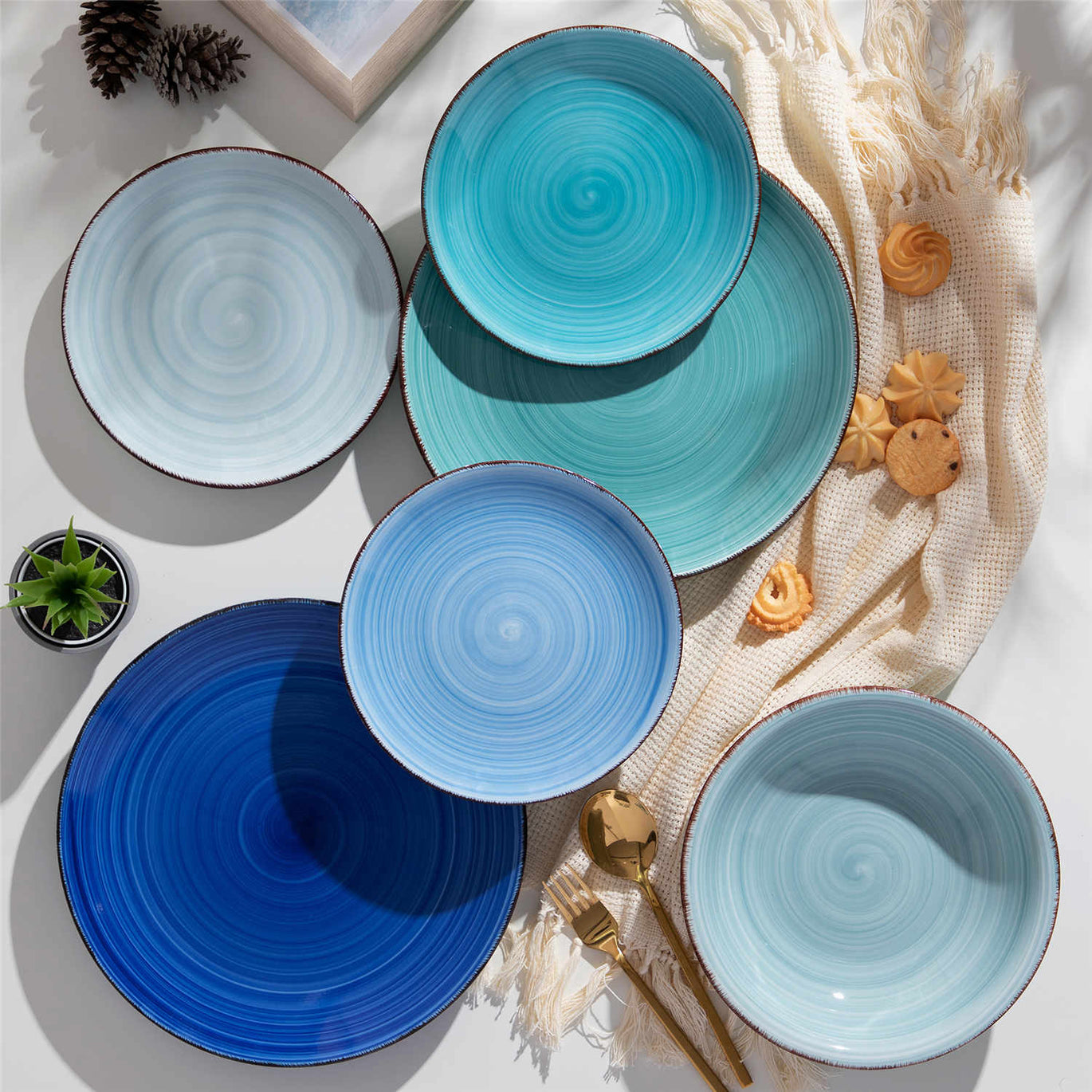


Are You Storing Your Dinnerware Wrong: 7 Common Mistakes to Avoid
You have invested in gorgeous dinnerware sets, be it smooth matte stoneware dinnerware, colorful reactive glaze dinnerware, or classic porcelain dinnerware sets. However, when you are not keeping them in the right place, all that beauty and longevity may not be as long as you would wish.
Not everyone knows that the way you keep your stoneware dishes and plates can have a significant impact on their life and appearance. Bad storage practices, such as piling plates too high, placing wet dishes in cabinets, or neglecting to take care of cutlery, may result in scratches, chips, fading, and even mold.
This guide will reveal the seven most frequent dinnerware storage mistakes you may be committing and how to correct them. At the end, you will be able to know how to store your daily dinnerware and fine china in a way that it remains clean, useful, and presentable at all times.
Mistake #1: Piling Plates Too High
You are tempted to stack your dinner plates high to create more space, but this can be disastrous to your dinnerware sets. The heavy stacks exert unwarranted pressure on the bottom plates, which may crack, chip, or warp with time.
The imbalance of weight also complicates the process of holding plates safely, which can lead to slipping or dropping. The general rule of thumb is to place not more than six to eight plates at a time. In the case of heavier items, such as stoneware dishes, use four or five.
When you have limited space, you can add cabinet shelf risers or pull-out drawers to add more levels of storage. In this manner, you will be able to spread the weight evenly and make your dinnerware more convenient without piling it too high.

Mistake #2: Direct Piling of Scratch-Prone Surfaces
Although you may not pile your plates too high, you can still damage them by putting one on top of the other. The glaze is worn off by friction between the surfaces, leaving unsightly scratches, particularly on matte stoneware dinnerware and reactive glaze dinnerware, which are more fragile and susceptible to surface scratches.
To avoid this, put felt plate separators, soft cloth napkins, or even paper towels between plates. This is a basic measure that protects your dishes and reduces direct contact.
In case you possess reactive glaze dinnerware, additional protection is necessary. The finish on these pieces is special and hand-made, and is especially susceptible to scratching. Make every plate a work of art, because it is.
Mistake #3: Leaving Dinnerware Wet
This is among the most neglected but harmful habits. Keeping wet dishes or bowls in a closed cabinet provides a dark, damp environment- ideal for mold and bacteria. This is particularly prevalent with stoneware dishes, as the unglazed foot ring at the bottom is likely to hold moisture longer than the rest of the plate.
Always make sure that your dinnerware is dry before storing it. Allow them to dry on a drying rack or towel at least 30 minutes after washing, particularly when they have just left the dishwasher.
In case you are in a humid climate, you can add moisture-absorbing packets or a small ventilation fan in your kitchen cabinets to maintain the level of humidity. Ceramics can be permanently stained by mold, and therefore, prevention is important.

Mistake #4: The One-Size-Fits-All Cabinet Shelf
Not every dish is equal, but most individuals attempt to place their entire dinnerware collections on the same kind of cabinet shelf. This universal solution is a waste of space, and it is more likely to be damaged.
Dinner plates of stoneware may not fit on a regular shelf, so you have to lean them or squeeze them in,a great error that may cause chips and cracks.
Rather, personalize your storage. Adjustable shelving, plate racks, or drawer inserts can be used to accommodate various shapes and sizes. Keep bowls in deeper drawers, mugs on hooks, and plates on plate stands where possible. Arranging according to the type and frequency of use will make your kitchen safer and more efficient.
Mistake #5: Ignoring Your Deep Drawers
Deep drawers are common in many modern kitchens, yet not many individuals use them to store dinnerware sets. Rather, they are commonly used in pots and pans. Nevertheless, drawers may be a great place to keep daily dinnerware provided they are arranged in a proper way.
Deep drawers are easy to access and more visible compared to overhead cabinets. All you need to do is place drawer dividers or anti-slip mats to ensure that dishes are stable. You can even buy drawer pegs that are specifically made to organize dinnerware.
This arrangement is particularly effective with stoneware dishes, which are heavier. You will not need to pull stacks off a high shelf with drawer storage-there is less chance of dropping or straining.

Mistake #6: Leaving Fine China Unprotected
Your porcelain dinnerware collections or family china are not to be relegated to a dusty shelf in the cabinet. Combining them with regular dinnerware makes them more prone to chipping and scratching, particularly when they collide with more durable stoneware or glass objects.
Keep fine china in padded storage containers or fabric-lined cases, and do not leave it long in the sun or in the open air, which will fade it. To provide additional security, place foam dividers or cloth separators between plates and cups.
Provided there is room, you can assign a separate cabinet or upper shelf to your fine pieces. This not only keeps them safe but also makes them readily available during special occasions- without having to dig through the daily dishes.
Mistake #7: Not Cleaning and Maintaining Cutlery on a Regular Basis
You can concentrate on plates and bowls, but your cutlery needs attention, as well. Washing utensils and leaving them wet or piled up may result in rust spots, tarnish, and discoloration - particularly in stainless steel or silver flatware.
Always wipe your cutlery before putting it away. A cutlery tray with individual compartments will avoid scratching and tangling. In case you have silverware, polish it every now and then to keep it shiny and avoid the accumulation of tarnish.
Clean cutlery not only appears better but also prolongs the life of your dinnerware sets by avoiding cross-contamination, corrosion, or residue staining.
Smart Dinnerware Storage: Your Action Plan
Now that you are aware of what not to do, here is a quick checklist of how to store your dinnerware the correct way:
- Limit stacking: Not more than 5-6 plates, particularly heavy stoneware dishes.
- Separators: Felt, napkins, or paper towels cover sensitive finishes such as matte stoneware dinnerware or reactive glaze dinnerware.
- Dry completely: Do not store wet dishes; give them time to dry completely.
- Personalize shelves: Adjustable shelves and risers make the most of the space.
- Leverage drawers: Deep drawers are used to access daily dinnerware easily.
- Keep delicate china safe: Keep porcelain dinner sets in different locations, cushioned, and out of the sun.
- Keep cutlery: Dry, polish, and store in a clean place to avoid damage or rust.
Spending a few more minutes to put your dinnerware away correctly will keep your plates chip-free, your glazes shiny, and your kitchen tidy.

FAQs
Q1: Is It Possible to Keep My Reactive Glaze Dinnerware in the Dishwasher Between Uses?
A: No. Dishwashers are moist places, and leaving dishes in them after a wash cycle may cause molds or water spots. Always take them out and dry them completely before storing.
Q2: What Is the Best Way to Keep My Matte Stoneware Dinnerware Without Scratches?
A: Separate the pieces with soft separators and do not slide them against each other. Keep them off sharp utensils or rough surfaces.
Q3: Can Stoneware Dishes Be Combined with Porcelain Dinnerware Sets?
A: It's best not to. Stoneware is heavier and can easily chip or crack porcelain. Keep them apart to preserve the integrity of both types.
Q4: How Frequently Do I Need to Rearrange My Dinnerware Storage?
A: Check your storage space every few months to see whether it is dusty, damp, or crowded. Restructuring maintains order, security, and functionality.
Q5: How Do You Store Mugs or Cups?
A: When you have little space, you can hang mugs under your cabinets with hooks by their handles. This eliminates chipping and makes them accessible.
Conclusion
It is not only about tidiness but also about keeping the life, color, and beauty of your dinnerware sets. Regardless of whether you have minimalist matte stoneware dinnerware, artisanal reactive glaze dinnerware, or delicate porcelain dinnerware sets, the proper care will make them look beautiful over the next few years.
When these seven storage mistakes are avoided, you will be able to enjoy your meals knowing that all plates, bowls, and cups are safe, clean, and ready to shine at your next dinner party.
You may also like
Stern 16 Piece Dinnerware Set
- From €72,95
€96,95- From €72,95
- Unit price
- per
-
Blue
-
Green
-
Red
-
Grey
Simi 24 Piece Dinnerware Set
- €96,95
€129,95- €96,95
- Unit price
- per
Bonita 18 Piece Dinnerware Set
- From €60,95
€74,95- From €60,95
- Unit price
- per
-
Blue
-
Multicolor
Starry 16 Piece Dinnerware Set
- €73,95
€86,95- €73,95
- Unit price
- per
-
Blue
-
Green
-
Red
-
Gradient Green