



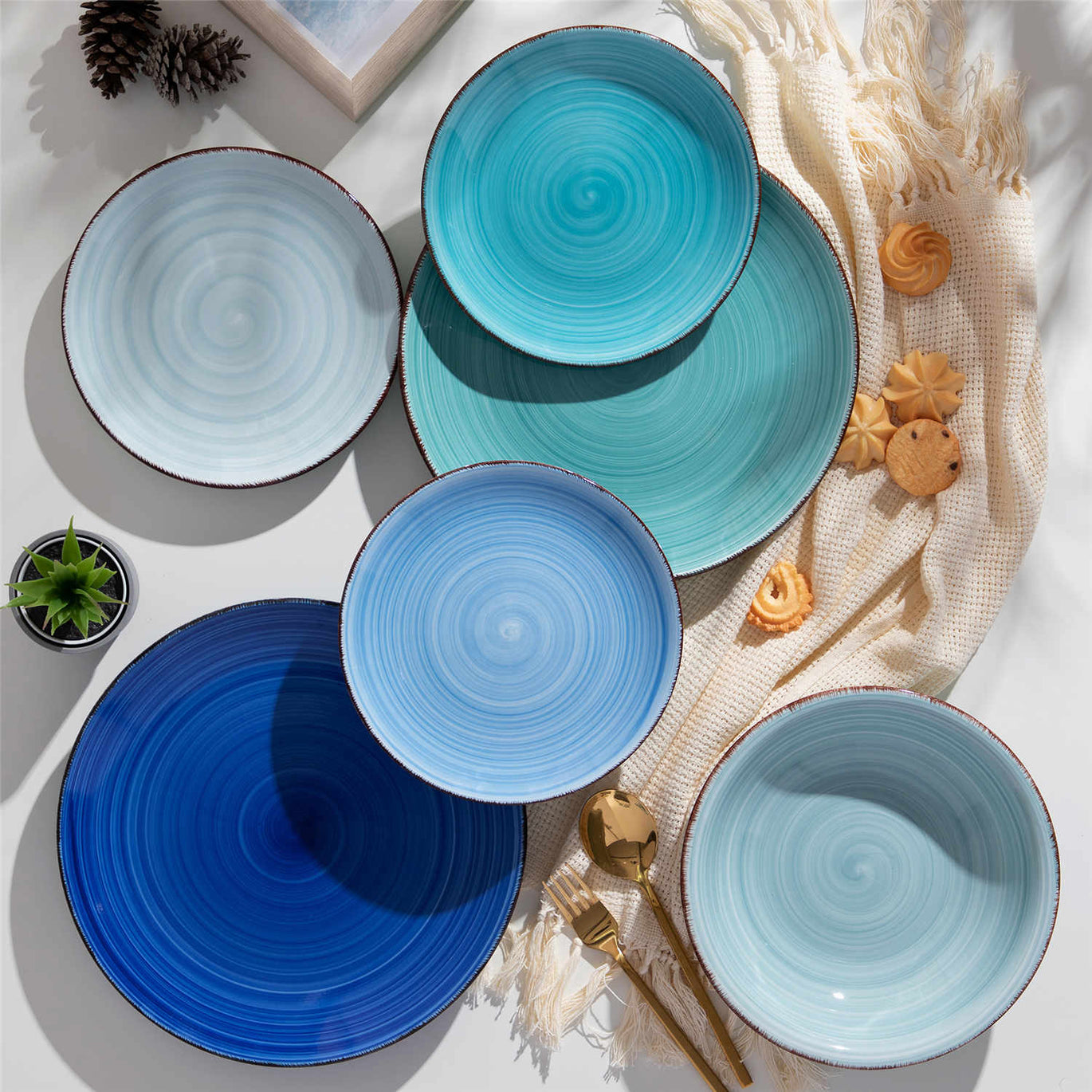


Is Your Dishwasher Slowly Ruining Your Ceramic Dinnerware?
Dishwashers are one of the best conveniences of the modern kitchen. Rather than cleaning plates until the wee hours of the morning, we put them in, press a button, and wake up to clean dishes. However, when you find your once-shiny ceramic dishes looking dull, chipped, or with unexplained cracks, you might have asked yourself: Is it my dishwasher to blame?
The reality is that although most ceramic dishes are marked as dishwasher safe, not all ceramics are created equal when it comes to surviving the heat, water, and detergent of your dishwasher. In the long run, the incorrect kind of ceramic, or even incorrect care practices, can actually cause damage.
This guide explains what dishwasher safe actually means to ceramic dinnerware, how dishwashers may be damaging your dishes, and how to keep your tableware looking beautiful and serving you well for years to come.
What Does Dishwasher Safe Mean for Ceramics?
The term dishwasher safe can be misleading. The fact that a dish can withstand a couple of cycles does not mean that it will still appear the same after hundreds of washes. The real safety of dishwashers in ceramics is based on three key factors: porosity, glaze strength, and thermal shock resistance.

The Key is Low Porosity: Vitrification Explained
Ceramics are produced using clay, which is porous in nature. Ceramic dinnerware can absorb water like a sponge when left unglazed or fired incorrectly. This causes long-term problems- moisture trapped in the body of the plate can expand under heat, eventually causing cracks or even breakage.
This is where vitrification comes in. At very high temperatures, clays such as those used in stoneware and porcelain are vitrified, a process that causes the body of the ceramic to become dense, glass-like, and non-porous. The result? Plates that do not absorb water, are not easily warped, and can withstand more frequent dishwasher use.
Unless your dinnerware is vitrified (such as many low-fired ceramics, earthenware or terracotta), the dishwasher is dangerous. With time, the repeated soaking and drying may weaken the structure, resulting in a shorter life. Moreover, the level of porosity also significantly impacts the material's weight and mechanical properties.
Glaze Durability: The Armor of Your Ceramics
The shiny surface you love on your dinner plate is not only about appearance, but also protection. Glazes cover the ceramic body and prevent water and food stains. But not all glazes are created equal.
Dishwasher detergents are highly alkaline chemicals that are meant to cut through grease and food residue. Unfortunately, these same chemicals can dissolve weaker glazes, removing shine, fading colors, or leaving the surface rough.
Vitrified ceramics with high-quality glazes are more resistant, but cheaper or decorative ceramics may have delicate glazes that become dulled when exposed to the harsh conditions of the dishwasher.

Thermal Shock Resistance: Resistance to Sudden Temperature Change
Dishwashers are not only about water and detergent, but also about fast temperature changes. Think of this: hot water in the wash cycle, then a hot drying cycle, sometimes cooled abruptly when the door is opened. This exerts pressure on the ceramic.
Unless a dish is designed to withstand thermal shock, it can crack or even break due to hairline cracks (crazing) or thermal shock. Stoneware and porcelain tend to cope with these changes well because of their density, but more delicate ceramics may be susceptible.
How Your Dishwasher is Ruining Your Dishes
Even when your ceramics are technically dishwasher safe, repeated use can still lead to problems in the long run. These are the most frequent ways in which dishwashers gradually destroy dinnerware:
- Chipping of Movement: Plates may collide with each other as they are hit by water jets, causing chips on rims and edges.
- Loss of Shine: Powerful detergents erode glazes, causing them to appear cloudy or dull.
- Printed or painted designs: Printed or painted designs can fade or wash out with repeated cycles.
- Crazing (Hairline Cracks): Thermal stress or glaze weakness may cause small cracks that trap food and bacteria.
- Structural Weakness: In porous ceramics, the absorbed water swells when heated, and eventually cracks the dish.
When your favorite ceramic mug develops a crack or your dinner plate looks old and faded, it may be your dishwasher that is the culprit behind the scenes.

A Handbook of Ceramic Materials
Not every ceramic reacts in the same manner to dishwashers. Knowing the differences will assist you in determining what can be put in and what should be left out.
The Most Vulnerable
- Earthenware: Low-fired, porous, and soft. It is easily absorbent and has fewer glazes. The use of dishwashers is highly discouraged.
- Terracotta: Rustic and beautiful, but even more porous than earthenware. Washed by hand.
- Decorative Ceramics: Ceramics with metallic finishes, hand-painted details, or delicate overglazes are all at risk of fading or peeling in the dishwasher.
The Survivor Kings: Stoneware and Porcelain
- Stoneware: Stoneware is fired at high temperatures and is strong, dense and resistant to water absorption. Its glazes are usually durable and thus it is a good option to use in the dishwasher on a daily basis.
- Porcelain: Porcelain is highly vitrified and non-porous and is known to have a delicate appearance but is incredibly strong. It is stain and thermal shock-resistant, and this is why many high-quality porcelain sets are dishwasher safe.
Stoneware and porcelain are the most suitable options to use in contemporary homes because they are durable and beautiful at the same time.
How to Safeguard Your Ceramics in the Dishwasher
To make your ceramics last, there are a few smart habits that will help:
- Handle with Care: Do not overcrowd. Ensure that plates are not touching to prevent chipping.
- Use Mild Detergent: Find phosphate-free, mild dishwasher detergents. Avoid abrasive powders.
- Select the Appropriate Cycle: Select gentle or eco-cycles with reduced heat levels. Avoid sanitize or extra-hot drying cycles unless necessary.
- Avoid the Heat-Dry: Allow dishes to air-dry to minimize thermal stress.
- Avoid Pre-Soaking in Dishwasher: Do not leave dishes to soak in hot, steamy water, which can weaken some ceramics.
With a bit of care, you can make your ceramics last much longer.

When to Use the Dishwasher and When to Hand-Wash
The golden rule: When in doubt, hand-wash. Here is a brief guide:
- Dishwasher Safe: Porcelain, stoneware, high-quality vitrified ceramics.
- Hand-Wash Only: Earthenware, terracotta, antique items, hand-painted or metallic decorations.
- Special Occasion Pieces: Although they may be labeled dishwasher safe, hand-wash heirloom or luxury ceramics to keep them beautiful over the decades.
Washing by hand can seem like a relic of the past, but when it comes to your most fragile dinnerware, it is the calmest method.
Final Verdict: Protecting Your Ceramics from Your Dishwasher
Your dishwasher is a modern miracle, but it is not always your best friend for your ceramic dinnerware. Although porcelain and stoneware are made to be dishwasher-safe, more delicate ceramics, such as earthenware, terracotta, or hand-painted ceramics dinnerware, may be damaged by repeated dishwasher use.
With a little knowledge of what dishwasher safe actually means, the selection of durable materials, and the development of protective habits, you can have the best of both worlds: clean dishes and ceramics that will last a long time.
FAQs about Ceramic Damage in Dishwashers
Q1: My dishes are marked as dishwasher safe, but they are dull now. Why?
A: The label indicates that they will not break instantly in the dishwasher, but the glazes can still be worn out by the detergent and heat over time.
Q2: Is it possible to wash my vintage porcelain in the dishwasher?
A: It is better not to. Older glazes were not designed to be used with modern detergents and can fade or craze. Wash antique or heirloom items by hand.
Q3: Can stoneware be used in the dishwasher?
A: Most stoneware is sturdy enough to be used in the dishwasher every day, but it is still best to use gentle cycles and detergents.
Q4: Why do my ceramic mugs crack in the dishwasher?
A: This can be caused by thermal shock, absorption of water in non-vitrified materials, or flaws in the ceramic.
Q5: How can I make ceramic dinnerware last longer?
A: Put resilient, everyday items such as porcelain and stoneware in the dishwasher, but hand-wash delicate or decorative items. Load carefully and use mild detergents.
You may also like
Stern 16 Piece Dinnerware Set
- €98,95
€112,95- €98,95
- Unit price
- per
-
Blue
-
Green
-
Red
-
Grey
Simi 24 Piece Dinnerware Set
- €107,95
€148,95- €107,95
- Unit price
- per
Bonita 18 Piece Dinnerware Set
- From €67,95
€83,95- From €67,95
- Unit price
- per
-
Blue
-
Multicolor
Simi 24 Piece Dinnerware Set with Double-Sided Bowls
- €113,95
€148,95- €113,95
- Unit price
- per