



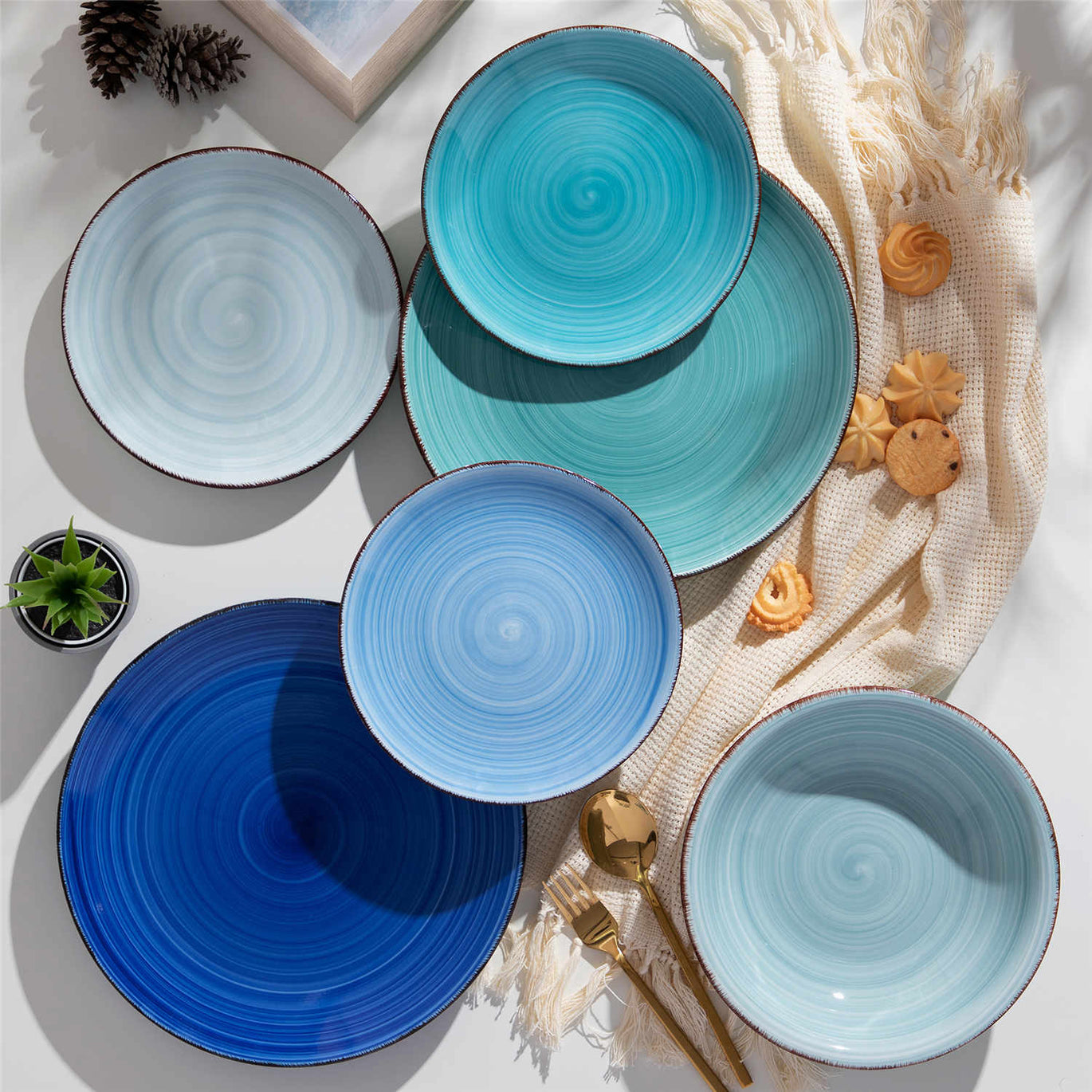


The Shift Towards Personalization in Ceramics for Dining Post-Pandemic

Pull up a chair and look down at your plate for a second. Is it telling your story, or just holding your pasta?
Over the past few years, dining has quietly transformed from “whatever plate is clean” to a full-on canvas for identity, comfort, and joy. As lockdowns turned restaurants into memories and our kitchens into everything, ceramic tableware stepped into the spotlight. Now, post‑pandemic, the biggest shift in ceramics for dining is not just about what material is “best.” It is about how deeply personal your plates, bowls, and platters can become.
As a Colorful Tabletop Creative & Pragmatic Joy Curator, I have watched this change up close, from clients swapping out decades-old sets to restaurants obsessing over glaze colors that match their brand values. Let us unpack why personalization is booming in ceramics, what it really means, and how to do it in a way that is gorgeous, practical, and future‑friendly.
How the Pandemic Made Our Tables Deeply Personal
Before 2020, many people bought a single “good” set and hoped it would work for everything from Tuesday leftovers to Thanksgiving. Then came long stretches of at‑home meals, sourdough experiments, and tiny celebrations around kitchen islands. Suddenly, the table was not just a place to eat; it was the stage for almost every meaningful moment in the day.
Trend research from ceramic brands like JOYYE points to post‑pandemic home dining as a major driver of growth in dinnerware. People started investing in smaller sets, open-stock pieces, and mix‑and‑match flexibility instead of one big formal pattern for life. Vancasso’s analysis notes that consumers are buying more expressive pieces because dining has become a lifestyle hobby rather than a background task.
At the same time, tableware aesthetics moved from “nice-to-have” to “non‑negotiable.” A 2025 color‑and‑style study from Vita Joy found that close to three‑quarters of consumers now factor tableware appearance into their buying decisions, up from about three‑fifths in 2020. A Global Tableware survey, cited by Yongjian Ceramics, reports that roughly three‑quarters of diners say design affects how they perceive meal quality, and that upgrading tableware can raise hotel and catering satisfaction by about one‑third.
Once you see plates that way, personalization stops being a luxury and starts feeling like common sense.
From Survival Meals to Micro‑Ceremonies
During the height of the pandemic, I watched people shift from “just get food on the table” to tiny rituals that preserved sanity. A scalloped blush plate for solo “girl dinner.” A hand‑thrown pasta bowl that made reheated leftovers feel intentional. A reactive‑glaze platter reserved for Sunday baking projects.
This lines up with the “feminine design” trend Vancasso describes: softer curves, scalloped rims, pastel and earth‑tone glazes, and wabi‑sabi textures that make even a simple salad feel like self‑care. It is not about gender; it is about qualities: softness instead of severity, detail instead of anonymity, emotion instead of neutrality, nurture instead of pure performance.
Personalized ceramics became a way to declare, “This moment matters,” even when the menu was nothing fancy.
The Social‑Media Tabletop Shift
There is also a very modern accelerant: the camera. Vita Joy links the jump in design‑conscious purchasing to the rise of Instagram and TikTok tablescapes. According to their research, restaurants that switched to bolder plate colors saw about a one‑fifth bump in Instagram posts featuring their food.
For home cooks, the effect is similar. Articles from design‑driven brands like Kim Seybert and MDMAISON highlight how expressive shapes, reactive glazes, and layered textures photograph beautifully and encourage mixing porcelain, stoneware, glass, and vintage finds. When you know your table might appear in a group chat or on a feed, personalization starts with color choices and ends with the exact curve of a rim.
And underneath all that styling, something important is happening: people are choosing ceramics that feel like them, not just what their parents registered for.

What Personalization in Ceramic Dinnerware Really Means
When people hear “personalized ceramics,” they often think of monogrammed plates or wedding‑date platters. That is one version, but it is only the beginning. In the post‑pandemic era, personalization in ceramics operates on four layers: material, visual design, literal customization, and emotional storytelling.
Material Personalization: Matching Clay to Your Life
First‑hand, practical truth: if the clay does not fit your lifestyle, it does not matter how pretty the glaze is. Reputable guides from Lenox, Pottery Barn, Wedgwood, and Lowes all stress that material choice is the foundation for long‑term satisfaction.
Here is how the main ceramic families behave, especially when you start personalizing them.
Material |
Feel and Look |
Durability and Care |
Personalization Sweet Spot |
Earthenware |
Thick, rustic, cozy; often colorful glazes |
Fired at roughly 1,830–2,100°F, naturally porous and more brittle; must be well glazed; prone to chipping |
Great for decorative, casual sets; less ideal for heavy use |
Stoneware |
Heavier, earthy, often matte or speckled |
Fired around 2,100–2,300°F; partially vitrified, chip‑resistant, non‑porous; often dishwasher‑ and microwave‑safe |
Everyday personalized workhorse; perfect for colored glazes |
Porcelain |
Smooth, refined, often glossy and bright white |
High‑fired, highly vitrified, non‑porous; usually dishwasher‑ and microwave‑safe unless metallic accents are used |
Elegant canvas for detailed patterns and logos |
Bone china |
Delicate feel, milky translucence, very light in hand |
A subset of porcelain with bone ash; extremely strong, highly vitrified, heat‑retentive; typically dishwasher‑safe |
Best for heirloom‑style personalization and formal branding |
Lenox explains that earthenware is the most affordable but also the most porous and chip‑prone, whereas stoneware strikes a balance between durability and approachable price, making it ideal for everyday use. Porcelain and bone china, made from finer clay and fired at higher temperatures, deliver that refined, almost translucent look with surprising strength.
From a personalization lens:
Earthenware is charming for rustic, one‑of‑a‑kind pieces but not ideal if you have kids, stone countertops, or a habit of stacking dishes aggressively.
Stoneware is the ideal “color playground.” Its thicker body and forgiving glazes love matte finishes, reactive glazes, and tactile textures.
Porcelain is your clean white canvas for intricate artwork, gilded rims, or restaurant‑grade branding.
Bone china is the jewelry box: perfect for personalized sets meant to be passed down, especially when coupled with monograms or family motifs.
Visual Personalization: Color, Shape, and Surface
Next comes the fun part: what your ceramics actually look like.
Color psychology appears repeatedly in sources ranging from Hancers to Vancasso and JOYYE. Warm tones such as terracotta, buttery yellow, and rich browns tend to feel comforting and appetite‑friendly. Cool greens and blues promote calm and freshness, ideal for modern kitchens and coastal moods. Vancasso notes that neutrals like ivory and matte gray still anchor nearly half of global tableware sales, but they are increasingly layered with softer hues such as blush, sage, and sandy beige, or with “dopamine décor” brights such as tomato red and vivid citrus.
Combined with pattern and form, that color story becomes deeply personal. A few important shifts:
Curves and scallops are replacing hard geometry. MALACASA and HKLIVING highlight scalloped edges and shell‑inspired forms as key 2025 trends. These edges soften the table visually and frame food with a gentle, romantic cadence.
Organic, imperfect outlines are in. Reactive‑glaze stoneware, textured rims, and slightly irregular coupe bowls embody the wabi‑sabi idea that imperfection feels human. JOYYE and CHANGSHA HAPPY GO DIN describe reactive glazes as kiln magic that ensures no two plates are exactly alike.
Motifs are moving toward narrative. Rococo‑inspired florals, lace‑like borders, and hand‑painted botanicals (seen in brands covered by Kim Seybert, Hermès, Versace Home, and more) offer a way to signal heritage, whimsy, or drama. At the same time, modern minimalists might choose solid, banded, or lightly speckled designs, as Pottery Barn and Architectural Digest recommend, then personalize via layering and accessories.
In my own styling work, I constantly see how one thoughtfully chosen element can rewrite the whole table. A stone‑gray dinner plate alone feels quiet. Add a blush scalloped salad plate and a sage reactive‑glaze bowl on top, and suddenly you have a signature look.
Literal Personalization: Names, Monograms, Logos, and Artwork
This is the layer most people think of first: the actual words and symbols baked into the plate.
There are several routes, each with different pros and cons.
Artisan‑made customized pieces bring full romance. Prima Pottery’s large round ceramic platters, for example, can be ordered with names, monograms, and dates pressed into the clay by hand. Each letter is placed individually; sizes vary slightly; the underside has an unglazed ring where it rested in the kiln. Production can take a couple of weeks, and there are no rush orders, because everything is formed, trimmed, glazed, and fired by hand. The result is not factory‑perfect, but that is precisely the charm.
Digital ceramic printing makes custom imagery more accessible. Companies like Enduring Images in Colorado offer custom‑printed dinnerware with customer artwork, logos, or photos. Their process uses digital ceramic printing to fuse the design into the glaze, producing FDA‑compliant, Proposition 65‑compliant, dishwasher‑safe plates. With a minimum order value around $150 and no setup fees, this kind of personalization is no longer reserved for the “rich and famous,” as their own messaging emphasizes.
Brand‑level porcelain customization is rising fast. Lovinghome, a specialist porcelain factory with nearly twenty years of experience, works with hotels, restaurants, and domestic brands to design tableware collections that align with brand positioning. They adjust materials (for example bone china for high‑end labels, eco‑glazed porcelain for sustainability‑minded companies), integrate logos and slogans, and even alter shapes to mirror brand values. When a hotel serves breakfast on a shell‑edged plate in its signature color, that is not just design; it is strategy.
At the smaller‑scale consumer level, marketplaces such as Etsy aggregate a huge range of personalized ceramic dinner plates and dinnerware sets. Many listings there are made to order, with names, dates, or phrases added via hand painting, decals, or engraving. The tradeoff is longer lead times, more variability in quality, and a need to read descriptions and reviews carefully, since standards and materials vary widely between independent sellers.
Emotional Personalization: Story, Ritual, and Mix‑and‑Match
The final layer is the one no product spec sheet can capture: how your ceramics encode your rituals and history.
Editorial and trend pieces from Catalonia Plates, Kim Seybert, and Vogue all emphasize this “collected, not matched” approach. Mixing a vintage floral dessert plate inherited from a grandparent with a new matte‑stoneware dinner plate creates a narrative stack that says, “I honor where I came from, and I know what I love now.”
Manya Made leans into this by asking a beautifully simple question: what do you actually eat? Their studio breaks set planning down into real life scenarios. A basic set with one dinner plate and one deep bowl works for minimalists and solo eaters. A standard trio of dinner plate, snack or dessert plate, and soup bowl suits couples. A full spread of dinner, dessert, soup, side, pasta, and serving pieces is for those whose cheese boards have fans. That is personalization by lifestyle, not just initials.
When you add color choices, favorite shapes, heirloom pieces, and maybe a custom platter for anniversaries, you end up with something more powerful than a “set.” You get a ceramic autobiography.

Why Personalization Took Off Post‑Pandemic
Underneath all these layers, a few big forces are pushing personalization forward.
One is emotional. When the world feels unstable, having control over a small, beautiful domain like your dining table is grounding. An earthy stoneware plate with a soft speckled glaze can feel like a friend showing up every morning. Vancasso’s summary of color psychology, cited across design guides, shows why greens, warm browns, and muted blues are so prevalent: they signal freshness, comfort, and calm.
Another is experiential. JOYYE’s consumer research ties the rise of “foodie culture” and social‑media‑driven tablescapes directly to growing demand for expressive tableware. EKA Ceramic’s trend analysis for 2025 points toward organic shapes, reactive glazes, thin stackable designs, vintage revival patterns, and bold color‑blocked rims, all optimized for multi‑sensory, highly visual dining.
There is also the sustainability story. JOYYE projects that the sustainable ceramic tableware market will grow from around $102 billion in 2024 to about $145.5 billion by 2030. Vancasso and Materials‑of‑Love point out that earth‑toned tableware made from recycled ceramics has been seeing double‑digit annual growth, and that more than one‑quarter of neutral tableware collections now incorporate eco‑friendly content. These eco‑soft aesthetics—natural clay tones, matte finishes, wabi‑sabi textures—align perfectly with the nurturing, grounded side of personalized design.
Finally, ceramics themselves are having a market moment. According to JOYYE’s analysis, the global ceramic dinnerware market is projected to grow from about $12.4 billion in 2024 to roughly $22.2 billion by 2034. Custom ceramic trends tracked by Shenzhen Fenn Industrial show rising demand for unconventional shapes, sustainable materials like bamboo and recycled glass, and technology‑driven designs such as digitally printed patterns, heat‑sensitive glazes, and even glow‑in‑the‑dark finishes. Personalization is no longer a niche; it is where the growth is.

Choosing Your Personalized Ceramic Direction
So how do you actually choose a path through all these options without ending up with a cabinet full of chaos?
Think in three concentric circles: your daily life, your aesthetic temperament, and your future self.
Start With How You Actually Eat
Manya Made’s studio advice is surprisingly powerful: start with your menu and your household. Ask yourself a few honest questions.
Do you live on soups, stews, and pastas? Then deep bowls or wide pasta bowls should be the backbone of your set, not dainty flat plates.
Are you a brunch devotee or snack grazer? Snack and dessert plates earn their keep quickly.
Do you regularly feed one, two, or a crowd of six or more? That determines how many place settings you truly need. Pottery Barn and Wedgwood both suggest eight to twelve five‑piece place settings for many households, with some people splitting that into a casual set and a formal set, while Borgo Delle Tovaglie recommends at least an eighteen‑piece service so you are not washing dishes after every single meal.
Matching quantity to lifestyle is step one of personalization. A table full of perfectly on‑trend plates that you never use is the opposite of personalized.
Then Choose a Base Material and Color Story
From an experienced‑host perspective, here is a pragmatic rule of thumb grounded in sources like Lenox, Lowes, Vogue, and Architectural Digest.
If you want the most forgiving, personality‑rich base, choose stoneware in an earthy neutral: warm white, sand, soft gray, or a muted green or blue. It is durable, chip‑resistant, often dishwasher‑ and microwave‑safe, and it loves color and texture.
If you love a bright, crisp canvas or host more formal dinners, choose porcelain or bone china in white or ivory with a subtle rim or band. Both Wedgwood and Pottery Barn point out that high‑quality bone china is far stronger than it looks and perfectly suitable for everyday use, especially on hard countertop surfaces.
Once your base is set, build your color story in layers. Vancasso’s palette research suggests pairing neutrals with one or two expressive hues. That might look like sandy stoneware dinner plates, blush coupe salad plates, and a sage reactive‑glaze bowl. Or a white porcelain base accented with cobalt rims and a single terracotta platter.
Hancers’ color guidance is helpful here: warm reds, oranges, and yellows are cozy and appetite‑stimulating; cool greens and blues are calming; neutrals keep the focus on the food. Use that to steer your palette toward whatever feeling you crave at the table.
Add Personalized Accents Strategically
Personalized pieces do not have to be your entire cupboard. In fact, they often shine brightest as accents.
A single custom‑printed platter with your family name or your restaurant’s logo can anchor a buffet. A pair of Prima Pottery monogrammed snack platters can turn weeknight cheese and crackers into a ritual. A set of scalloped dessert plates in a sentimental color can become the “birthday plate” that comes out for every celebration.
Kim Seybert’s mixing and matching guidance and Vogue’s dinnerware roundup both support the idea of thinking in layers. Use solid or lightly patterned dinner plates as your canvas, then tell your story with smaller plates, bowls, platters, and cake stands on top.

Pros and Cons of Different Personalization Paths
Personalization is not one‑size‑fits‑all. Each path has tradeoffs in cost, durability, uniqueness, and flexibility.
Path |
What It Looks Like |
Pros |
Cons |
Mix‑and‑match retail collections |
Combining different lines from brands like Kim Seybert, Heath, or curated stoneware and porcelain ranges |
Easy to source; often dishwasher‑safe; flexible styling |
Not truly unique; trends can date; no names or logos |
Artisan‑made custom pieces |
Handmade ceramics with personalized textures, shapes, or inscriptions, such as Manya Made or Prima‑style platters |
Deeply unique; tactile; strong storytelling value |
Higher cost; longer lead times; occasional hand‑wash care |
Digital custom‑printed dinnerware |
Plates with printed artwork or logos via companies like Enduring Images |
Precise imagery; commercially durable; good for restaurants |
Minimum order values; less sculptural texture |
Brand‑level porcelain customization |
Cohesive hotels or restaurant sets via factories like Lovinghome |
Strong brand identity; full control of material and design |
Requires design decisions, budgets, and larger volumes |
Marketplace personalized pieces |
Etsy‑style one‑off customized plates and sets |
Wide choice; made‑to‑order sentiments; gift‑ready |
Inconsistent materials; variable lead times and durability |
The right answer is rarely “only one of these.” The sweetest spot I see, especially post‑pandemic, is a stable base collection plus a handful of personalized pieces layered in.

Caring for Personalized Ceramics So They Actually Last
One of the biggest risks with personalization is heartbreak: that monogrammed platter that cracks, the gilded rim that fades, the custom restaurant plates that chip under commercial dishwashers.
The good news is that the care rules are well understood and echoed across sources like Lenox, Clayful Homes, Pottery Barn, and Lowes.
Most undecorated stoneware and porcelain are dishwasher‑ and microwave‑safe. Lowes highlights stoneware’s chip resistance and microwave friendliness, while Pottery Barn notes that porcelain, bone china, stoneware, and many melamine pieces work well in dishwashers if you follow manufacturer instructions.
Metallic detailing changes the equation. Lenox and multiple brand buying guides emphasize that gold, silver, or platinum rims should never go in the microwave, and they often benefit from gentle hand washing, especially if they are hand‑painted or heavily decorated. Citrus‑scented detergents can dull metallic accents over time.
A few practical habits make a huge difference:
Stack everyday plates confidently, but slip felt or soft padding between fine bone china, hand‑painted surfaces, or heavily scalloped rims to prevent scratching.
Use non‑abrasive sponges. Hard scrubbers can damage glazes or printed artwork, as Clayful Homes points out.
For stains and marks, Pottery Barn suggests soaking pieces briefly in white vinegar to remove hard‑water spots, and using a baking soda paste to lift coffee stains or fork marks.
Store artisan and personalized showpieces where they will be used, not just admired. True luxury, as Manya Made cheekily notes, is not having to wash your only bowl mid‑day. Owning enough pieces to rotate sets spreads wear and tear and extends the life of every plate.

FAQ: Personalization Without the Panic
Is personalized ceramic dinnerware safe for everyday use?
Yes, as long as the underlying material and glaze are food‑safe and appropriate for your habits. Stoneware, porcelain, and bone china from reputable makers are designed for daily meals. Enduring Images, for example, tests its custom‑printed plates to meet FDA food‑service safety standards and California Proposition 65 requirements. With handmade or marketplace pieces, read descriptions carefully and look for notes on lead‑free, non‑toxic glazes and dishwasher or microwave suitability.
How many personalized pieces do I really need?
Think about your table in layers. Guides from Pottery Barn and Borgo Delle Tovaglie suggest enough basic place settings for your regular household and typical guests, often eight to twelve. Instead of personalizing every single item, start with one to three hero pieces: a platter, a cake stand, or a set of dessert plates that will appear in photos and rituals most often. You can always add more once you see how they feel in your rotation.
Will personalized designs go out of style too quickly?
Trends do move, but you can personalize for longevity by anchoring your choices in what you consistently love, not what is trending this month. Architectural Digest and Vogue both encourage defining your “tabletop persona” first: minimalist, maximalist, vintage collector, or color devotee. Choose a timeless base in that direction, then express personality with accents. A scalloped rim in a favorite color, a motif tied to your heritage, or a family monogram will age far better than a random trending pattern.

A Joyful Closing at the Table
Personalization in ceramics is not about perfection; it is about presence. It is the chipped but beloved stoneware bowl that fits your favorite ramen, the shell‑shaped plate that makes your Tuesday salad feel like seaside vacation, the custom platter that shows up for every birthday.
Post‑pandemic, our tables have become small stages where we rehearse who we are and how we care for each other. When you choose ceramics that fit your habits, honor your aesthetics, and carry your stories, you are not just setting the table. You are curating everyday joy, one colorful, intentional plate at a time.
References
- https://www.amazon.com/Platos-Plates-Customizable-Dinnerware/s?keywords=Platos&rh=n%3A367147011%2Cp_n_customizable_template_name%3A16031489011&c=ts&ts_id=367147011
- https://www.architecturaldigest.com/story/best-dinnerware-sets
- https://www.ceramicprinting.com/custom-dinnerware/
- https://coton-colors.com/collections/personalized-pottery?srsltid=AfmBOookcE99KQdu-BP1wxYMo1-KtvtHRZI2G8xIozTWrdq9AmSegxBa
- https://ekaceramic.com/6-design-trends-in-ceramic-dinner-plates-for-2025/
- https://www.etsy.com/market/customized_ceramic_dinner_plates
- https://www.fennceramic.com/blog/top-5-ceramic-plate-trends-2025-1
- https://www.heathceramics.com/collections/dinnerware-sets?srsltid=AfmBOopEp5zL0B1Xsfb93uh6JGKprV0distEBMnP2zvN6ohK21kPtLOj
- https://www.lovinghomecollection.com/custom-porcelain-tableware-on-brand/
- https://mdmaison.com/blog/modern-dinner-plates-the-best-contemporary-designs-for-the-best-dining-experience
You may also like
Stern 16 Piece Dinnerware Set
- £68.00
£77.00- £68.00
- Unit price
- per
-
Blue
-
Green
-
Red
-
Grey
Simi 24 Piece Dinnerware Set
- £77.00
£104.00- £77.00
- Unit price
- per
Bonita 18 Piece Dinnerware Set
- From £49.00
£61.00- From £49.00
- Unit price
- per
-
Blue
-
Multicolor
Starry 16 Piece Dinnerware Set
- £68.00
£70.00- £68.00
- Unit price
- per
-
Blue
-
Green
-
Red
-
Gradient Green