



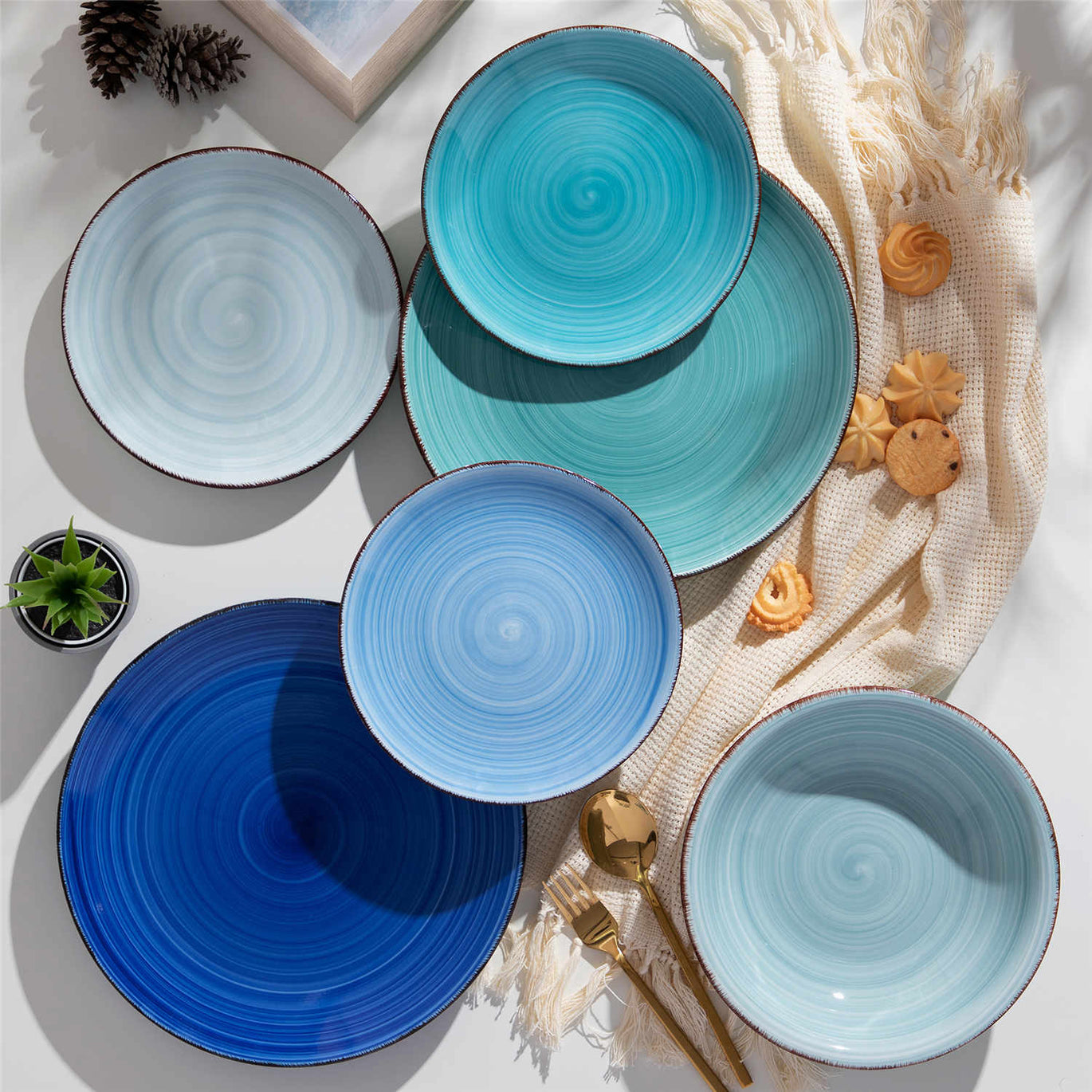


Is Porcelain Dinnerware Microwave Safe: A Complete Safety Guide
The modern kitchen is designed with convenience in mind, and the microwave has become a necessity. Since we reheat leftovers and warm soup in porcelain bowls, we want our dinnerware to keep pace with hectic schedules. However, there is one question that makes many households hesitate: Is porcelain dinnerware microwave safe?
The answer is usually yes—but not always. Porcelain is considered one of the most microwave-friendly materials due to its dense structure and high firing temperature. That said, safety depends on several factors, including the type of glaze, decorative elements, and manufacturing standards. This guide breaks down everything you need to know so you can use your porcelain dinnerware sets with confidence, without risking damage to your plates or your microwave.
The Short Answer: Is It Possible to Place Porcelain in the Microwave?
Yes, most high-quality porcelain dinnerware is microwave safe if it is manufactured correctly and clearly labeled as such. Porcelain is fired at extremely high temperatures, making it non-porous and resistant to absorbing microwave energy. As a result, the food heats up rather than the plate itself.
Brands such as vancasso use high-firing techniques and strict quality standards to design porcelain dinnerware collections suited for modern appliances. These porcelain plates and bowls are made to withstand daily reheating without cracking, overheating, or releasing harmful substances when labeled microwave safe.
That said, blanket assumptions should be avoided. Not all porcelain is microwave safe, especially older, decorative, or handmade pieces.

When Is Porcelain Not Microwave Safe? (3 Warning Signs)
Although porcelain is generally safe, there are clear warning signs that indicate it should not be placed in the microwave.
Metallic Decoration (The Metal Rule)
The most obvious red flag is gold, silver, or platinum rims or patterns. Metallic elements reflect microwave energy, which can cause sparks and damage both the plate and the appliance. If you see metallic trim on porcelain, even very thin lines, it should never be microwaved.
No Microwave Safe Label
If the underside of a plate does not clearly state that it is microwave safe, proceed with caution. This is especially important for older or imported porcelain that may not meet current safety standards.
Cracks, Chips, or Crazing
Damaged porcelain is structurally weaker. Even small cracks can trap moisture, which heats rapidly in the microwave and increases the risk of further cracking. Microwave-safe dinnerware should be retired once visible damage appears.
How to Tell If Your Dinnerware Is Microwave Safe
If you are unsure about a particular plate or bowl, there are several practical ways to check.
First, look for markings. Most microwave-safe plates are labeled on the underside with phrases such as microwave safe or standardized symbols.
Second, consider the manufacturer. Reputable brands clearly state whether their porcelain dinnerware sets are lead-free and cadmium-free. For example, vancasso complies with international food safety standards, which is essential when heating food.
Lastly, for older pieces, you can perform a simple heat test. Place the empty plate in the microwave alongside a cup of water and heat for one minute. If the plate becomes hot while the water remains warm, the porcelain is absorbing microwave energy and should not be used.

Porcelain vs. Stoneware vs. Earthenware: Which Is Best in the Microwave?
Microwave compatibility varies significantly between different dinnerware materials.
Porcelain is generally the best option. Its vitrified structure minimizes heat absorption and reduces the risk of cracking, making high-quality porcelain bowls and plates ideal for reheating food evenly.
Stoneware falls somewhere in the middle. While most stoneware is microwave safe, it is thicker and may heat unevenly, especially with reactive glazes. Always check product labels.
Earthenware is the least microwave-friendly. Its porous nature allows it to absorb moisture, which can lead to overheating and structural damage. Many earthenware pieces should not be microwaved at all.
Overall, porcelain tends to outperform stoneware and earthenware in microwave use due to its durability, consistency, and safety.
Thermal Shock: Why Safe Plates Can Still Crack
Even microwave-safe dinnerware can crack when exposed to sudden temperature changes, a phenomenon known as thermal shock.
Thermal shock occurs when porcelain expands or contracts too quickly. For example, placing frozen porcelain directly into a hot microwave or rinsing a hot plate under cold water can overstress the material.
To reduce this risk, allow porcelain dinnerware to adjust gradually. Thaw frozen food slightly before microwaving and let hot plates cool naturally before washing.

Is Colored or Glazed Porcelain Safe?
Glazes play an important role in microwave safety. Most glazed porcelain is safe as long as the glaze is food safe and free from metallic components.
High-quality brands use lead-free and cadmium-free glazes to prevent harmful substances from leaching into food during heating. This is especially important for porcelain bowls used for soups, cereals, and liquids.
Issues may arise with heavily textured, crackled, or metallic glazes, which can overheat or react poorly in the microwave. When in doubt, consult the manufacturer’s safety guidance.

Concluding Remarks on Using Porcelain Safely
Porcelain remains one of the most reliable choices for modern kitchens. When properly manufactured and labeled, microwave-safe porcelain dinnerware offers convenience, durability, and peace of mind.
The key is informed use. Follow the metal rule, check safety labels, and avoid extreme temperature changes. Brands such as vancasso reduce safety concerns by using high-firing techniques and strict lead-free and cadmium-free standards, making their porcelain dinnerware sets a dependable everyday option.
With proper care, porcelain plates and bowls can move seamlessly from table to microwave without compromising safety or performance.
FAQs
Q: Are All Porcelain Dishes Microwave Safe?
A: No. Only porcelain clearly marked as microwave safe should be used. Decorative or metallic pieces may not be suitable.
Q: Do Porcelain Bowls Get Hot in the Microwave?
A: They may become warm, but high-quality porcelain absorbs less heat than stoneware or earthenware. Excessive heat is a warning sign.
Q: Can Microwave Safe Dinnerware Crack Over Time?
A: Yes. Repeated thermal shock or existing damage can weaken porcelain, even if it is labeled microwave safe.
Q: Is Colored Porcelain Less Safe Than White?
A: Not necessarily. Safety depends on the glaze composition rather than color. Always ensure it is lead-free and cadmium-free.
Q: What Makes Vancasso Porcelain Microwave Compatible?
A: Its high-firing process and compliance with international safety standards ensure durability and food-safe microwave performance.
You may also like
Stern 16 Piece Dinnerware Set
- £68.00
£77.00- £68.00
- Unit price
- per
-
Blue
-
Green
-
Red
-
Grey
Simi 24 Piece Dinnerware Set
- £77.00
£108.00- £77.00
- Unit price
- per
Bonita 18 Piece Dinnerware Set
- From £49.00
£61.00- From £49.00
- Unit price
- per
-
Blue
-
Multicolor
Simi 24 Piece Dinnerware Set with Double-Sided Bowls
- £82.00
£108.00- £82.00
- Unit price
- per