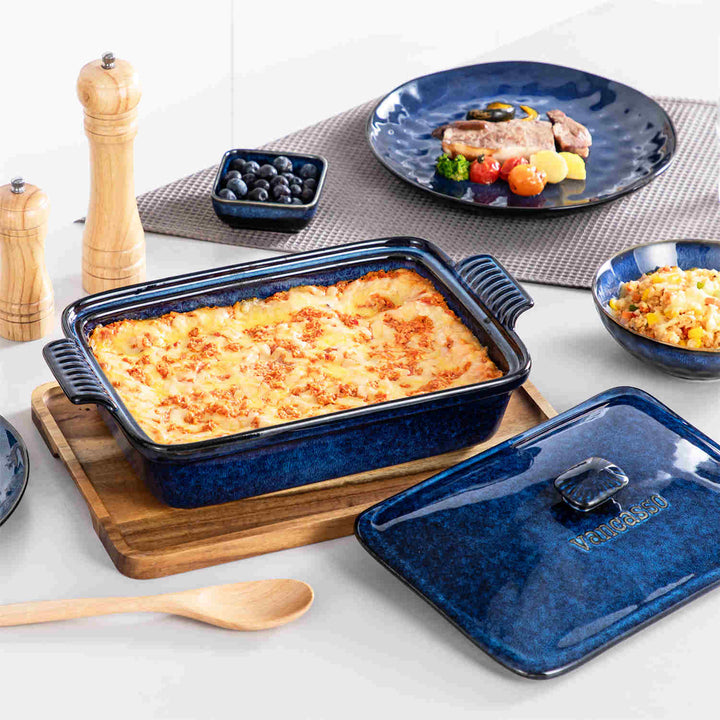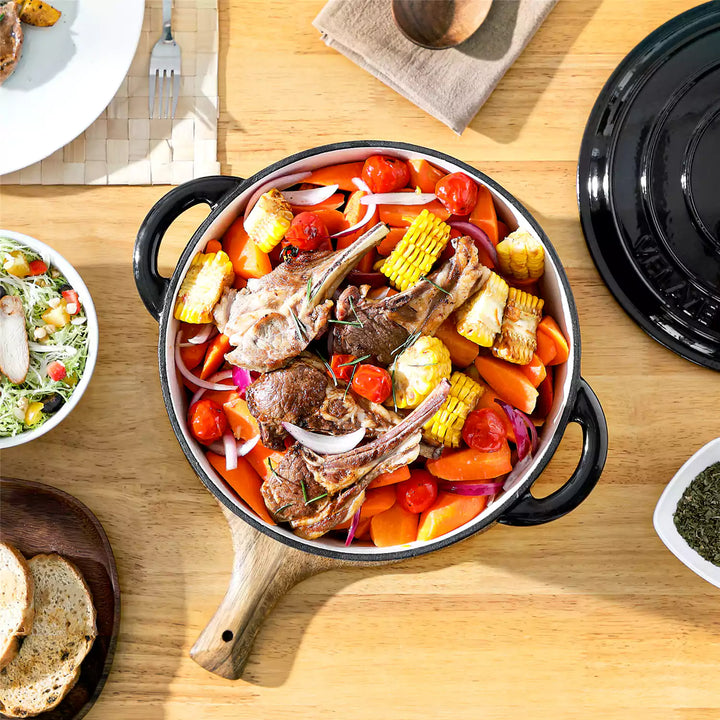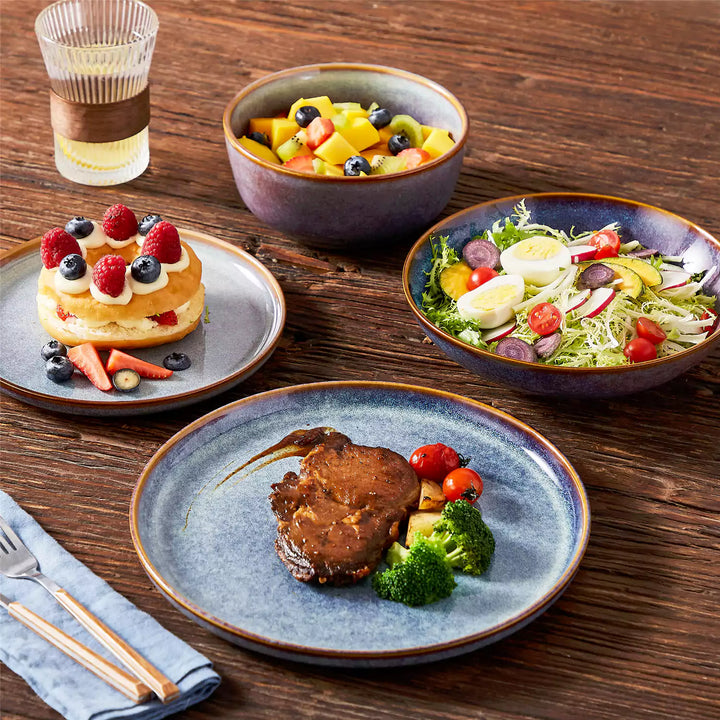


When choosing dinnerware, most of us aren't just buying plates and bowls—we're investing in everyday moments. Whether it is a fast breakfast on weekdays or a slow dinner on Sundays, the food you eat silently contributes to thousands of meals and memories. That is why a big question is being posed by more homeowners: how long do stoneware dishes last?
Stoneware dishes have gained a reputation for being durable, warm, and classic. In contrast to disposable or trend-driven tableware, quality stoneware dinnerware is made to mature beautifully, providing both functionality and visual appeal over time. For brands such as vancasso, stoneware is not about temporary use, but rather about creating a setting for a lifetime of shared meals.
Today, we will discuss the lifespan of stoneware, the science behind its strength, how it compares with porcelain and earthenware, and how proper maintenance can turn your stoneware dishes into a long-term investment in your kitchen.
How Long Does Stoneware Dinnerware Last?
Stoneware dishes can last 10–20 years with normal household use and proper care—or even longer. Stoneware dinnerware that has been in daily rotation for decades is often passed down through families and continues to perform well.
The key factor is quality. Stoneware, including vancasso stoneware fired at about 1300°C, undergoes an intense transformation. This high temperature creates a dense, vitrified structure that is far more resistant to daily wear than standard ceramic products.
Although stoneware is not indestructible, its ability to withstand repeated use, washing, and reheating makes it one of the most reliable choices for long-term dining. Think of it not just as tableware, but as a companion to countless family meals.

Why Is Stoneware So Durable? The Science of Strength
The durability of stoneware lies in how it is made. During firing, the clay is baked at extremely high temperatures. At around 1300°C, the particles fuse tightly together, leaving very little space for air or moisture.
The result is a dense, non-porous body that naturally resists cracking and chipping during normal use. Unlike lower-fired ceramics, stoneware does not readily absorb water, which plays a major role in its long-term durability.
Glaze quality is another critical factor. High-quality vitrified glazes form a sealed surface that does not absorb liquids. This is essential, as moisture penetrating the body of a dish is one of the primary causes of internal cracking and bacterial growth over time. Properly glazed stoneware remains hygienic, structurally sound, and visually appealing for years.
In short, stoneware is strong not because of its thickness or weight, but because of precise firing and effective sealing.
Stoneware vs. Porcelain vs. Earthenware: Which Lasts the Longest?
When comparing stoneware, porcelain, and earthenware, lifespan is a key consideration.
Earthenware is fired at lower temperatures, making it more porous and fragile. While it has charm, it is more prone to chipping, staining, and cracking, especially with daily use.
Porcelain is also high-fired and non-porous, offering excellent strength with a lighter, more refined appearance. It can be highly chip-resistant, but often feels more delicate and formal in everyday settings.

Stoneware strikes the balance. It is durable, substantial, and comfortable to use daily. It is designed to be used—not displayed—and fits naturally into everyday life.
For households seeking warmth, resilience, and versatility, stoneware is often the most practical long-lasting option.
Daily Use: Is Stoneware Microwave and Dishwasher Safe?
One reason stoneware dishes last so long is their compatibility with modern kitchens. Many people ask: Is stoneware microwave safe? Is stoneware dishwasher safe?
Stoneware is generally microwave safe due to its dense, non-porous structure. It heats food evenly and tolerates reheating without damaging the dish.
Stoneware is also dishwasher safe and easy to clean. The vitrified glaze protects the surface from detergents and repeated wash cycles, helping dishes maintain their color and finish over time.
To extend longevity, it is best to avoid sudden temperature changes, such as moving a dish directly from the freezer into a hot oven. Even durable stoneware can be affected by thermal shock.
5 Pro Tips to Make Your Stoneware Last a Lifetime
To maximize the lifespan of your stoneware, a few mindful habits go a long way.
- First, avoid extreme temperature changes. Let dishes cool naturally before washing or reheating.
- Second, stack carefully. Use soft liners or paper towels between plates to reduce edge wear.
- Third, load dishwashers thoughtfully. While stoneware is dishwasher safe, overcrowding can increase the risk of chipping during wash cycles.
- Fourth, use utensils gently. Metal cutlery is fine, but aggressive scraping can dull the glaze over time.
- Finally, handle with intention. Stoneware is strong in daily use, but like any quality material, it benefits from care and respect.

When Should You Replace Your Stoneware Dishes?
Even the best stoneware does not last forever. Replacement is recommended if you notice deep cracks, exposed clay beneath the glaze, or structural damage that affects safety.
Cosmetic wear—such as surface marks or slight glaze softening—is not always a reason to replace your dishes. Many people see these signs as part of stoneware’s character, reflecting years of shared meals and memories.
Often, replacement decisions are driven by lifestyle changes, evolving tastes, or expanding collections—not by material failure.
Is Stoneware the Right Investment for Your Kitchen?
Stoneware is an excellent investment if you value sustainability, quality, and long-term use. Instead of replacing chipped or broken dishes every few years, stoneware supports reduced waste and more conscious consumption.
For vancasso, stoneware is about more than durability—it is about enriching everyday life. These dishes move effortlessly from casual breakfasts to celebratory dinners without requiring special treatment.
Stoneware proves that beauty and practicality can coexist at the table.

FAQs
Q: What Is the Lifespan of Stoneware Dishes When Used Daily?
A: With proper care, stoneware dishes can last 10–20 years or even longer.
Q: Is Stoneware Microwave Safe?
A: Yes, most high-fired stoneware is microwave safe and heats food evenly.
Q: Is Stoneware Dishwasher Safe?
A: Yes, vitrified stoneware with a quality glaze is dishwasher safe for everyday cleaning.
Q: Stoneware vs. Porcelain—Which Is Better for Families?
A: Stoneware is often preferred for families due to its balance of durability, warmth, and everyday practicality.
Q: Can Stoneware Break If Dropped?
A: Yes. Stoneware is durable during normal use, but it can break if dropped, so careful handling is still important.