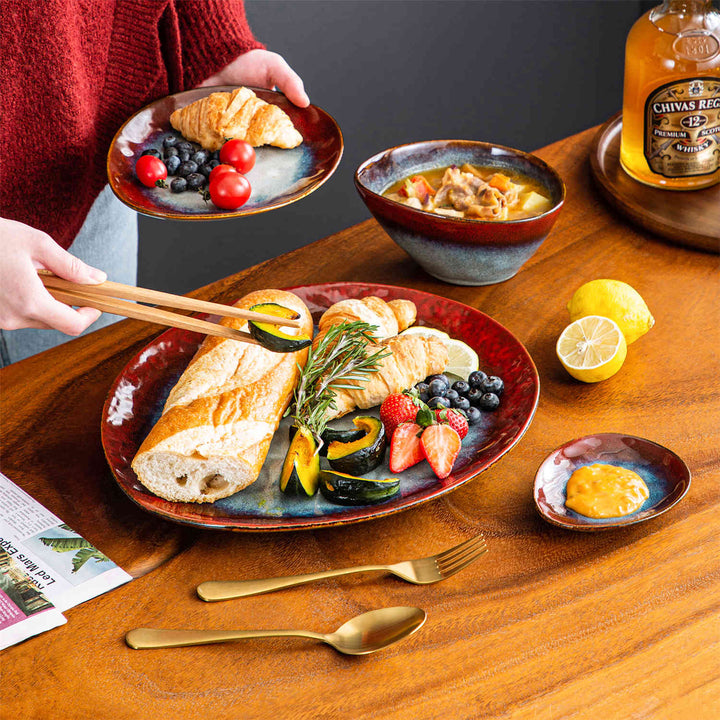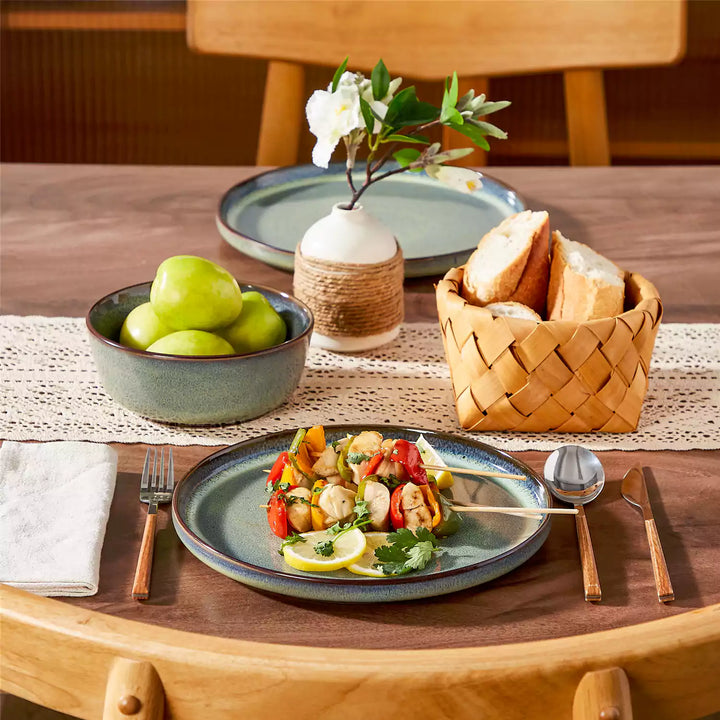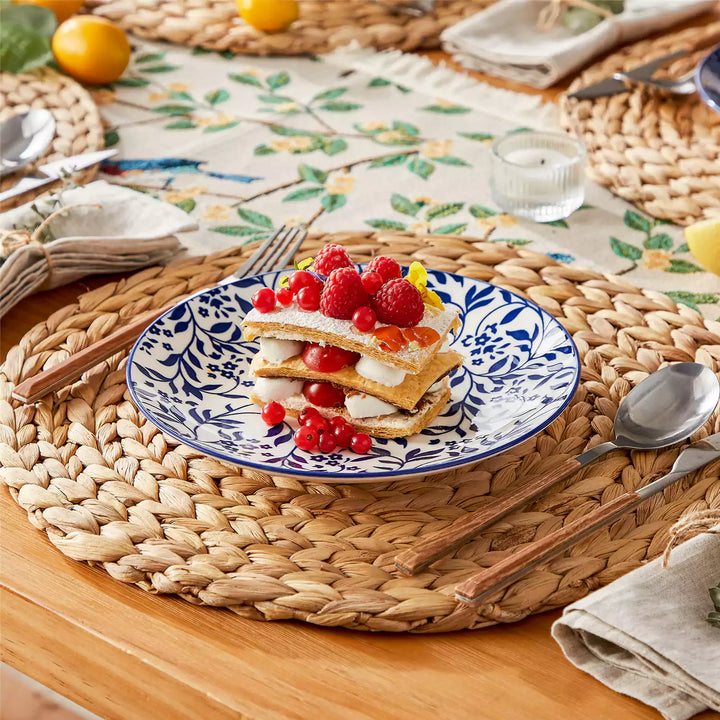


A beautiful table for one starts with simple choices: plate your food properly, use dinnerware you genuinely enjoy, and treat solo meals with the same care you would give a shared one. In my view, the right stoneware plates, bowls, and mugs do more than hold food; they make everyday eating feel more grounded, personal, and repeatable.
Eating alone is often treated like an in-between moment: something to get through quickly, maybe standing at the counter or eating straight from the takeout box. But I do not think solo dining deserves that kind of neglect. A meal for one can still feel thoughtful, comforting, and visually pleasing.
That is where everyday dinnerware makes a real difference. A proper plate, a favorite bowl, or a mug with the right weight in your hand can shift the feeling of a meal almost immediately. In practice, setting a table for one is less about presentation for its own sake and more about creating a small daily ritual that feels good to return to.
Why a Beautiful Table for One Matters
The value of solo dining is not only in the food itself. It is also in the pause it creates.
When you set a table for one, even in a simple way, you signal that this meal is worth paying attention to. That can change the pace of eating, the mood around it, and even how satisfying the meal feels. In my experience, people often underestimate how much their surroundings influence whether a meal feels rushed or restorative.
This does not mean lighting candles every night or turning dinner into a performance. It simply means bringing a little intention to the experience. A placemat, a cloth napkin, a bowl you love, or a plate that makes the food look more appealing can be enough.

Stop Eating Straight From the Takeout Container
If there is one habit that most quickly improves solo dining, it is this: stop eating directly from the container.
Takeout boxes and plastic tubs are convenient, but they flatten the experience of a meal. Food cools quickly, textures blur together, and the whole thing can feel more rushed than satisfying.
A better approach is simple:
- transfer the meal to a proper plate or bowl
- separate components when possible
- add a small finishing touch, like herbs, lemon, or olive oil
- sit down with the meal instead of eating in passing
I think this is one of the easiest ways to make food feel more like care and less like consumption. The meal may be the same, but the experience is not.
How Everyday Dinnerware Encourages Better Solo Dining Habits
One reason beautiful dinnerware matters is that it helps create better mealtime habits without feeling forced.
When food is served on a plate or in a bowl you genuinely enjoy using, you are often more inclined to slow down and notice what you are eating. Portions look clearer. Colors stand out more. The meal feels more complete.
For people who live alone or often eat solo, this can be especially helpful. A well-chosen dinnerware set makes it easier to build routines that feel pleasant enough to repeat. In my view, that is one of the most practical forms of home self-care: not making life look perfect, but making ordinary routines feel more considered.
Why Stoneware Works So Well for Everyday Meals
Stoneware is especially well suited to solo dining because it balances beauty with practicality.
It usually has a satisfying weight, a tactile surface, and a warmth that makes casual meals feel more grounded. Stoneware bowls are perfect for grain bowls, soups, noodles, or late breakfasts. Stoneware mugs can turn coffee, tea, oatmeal, or even a simple dessert into a more comforting moment. And stoneware plates give even a quick lunch a sense of structure.

Personally, I think stoneware is often more inviting than lighter, more generic dinnerware because it adds a sense of presence to the table. It feels less disposable, and that matters when the goal is to treat everyday meals with more care.
The Appeal of Reactive Glaze and Unique Tableware
If you are setting a table for one, you have the freedom to choose pieces entirely for your own taste. That is part of the pleasure.
Reactive glaze dinnerware is especially appealing in this context because each piece tends to have subtle variation in tone, depth, and pattern. The effect is often more expressive than standard uniform dinnerware, but still practical for everyday use.
I would be careful not to overstate it: a plate will not transform your life on its own. But I do think distinctive tableware can make everyday routines feel more personal. A favorite bowl or plate adds a visual identity to the meal, and that small sense of beauty can be surprisingly sustaining in daily life.
Versatile Pieces That Make Cooking for One Easier
The most useful dinnerware for solo dining is not necessarily the most elaborate. It is the kind you reach for again and again.
A few especially versatile options include:
- stoneware bowls: good for soups, grain bowls, pasta, salads, and leftovers
- shallow bowls: useful for meals with multiple components and easy plating
- oven-to-table dishes: helpful for single-serve bakes with less cleanup
- stoneware mugs: ideal for coffee, tea, oatmeal, mug cakes, or warm desserts
These pieces work well because they reduce friction. When dinnerware is functional, attractive, and easy to use, cooking for one feels less like extra effort and more like a natural part of the day.
How to Create a Table for One Without a Formal Dining Table
A beautiful solo meal does not require a formal dining room.
A kitchen counter, coffee table, windowsill, or tray table can all work well. What matters is creating a defined space for the meal. Even a small setup with a plate, utensils, a napkin, and glass can change the atmosphere.
In my opinion, this is one of the most encouraging things about solo dining: it does not ask for perfection. It only asks for a little attention.

FAQs
Q1. Is It Wasteful to Use Proper Dishes for One Person?
A: Not really. Using real dinnerware for solo meals supports a better eating experience and can help make routines feel more intentional. If cleanup is a concern, choose versatile pieces you use often and wash them as part of your normal kitchen rhythm.
Q2. How Do I Choose Everyday Dinnerware if I Live Alone?
A: Choose pieces you genuinely enjoy looking at and holding. Pay attention to color, shape, texture, and weight. If a set makes you want to plate your food instead of eating from the container, that is already a good sign.
Q3. Can I Mix Different Styles of Dinnerware?
A: Yes. Mixing styles can make a table feel more personal and less rigid. A simple way to keep it cohesive is to repeat one element, such as a shared color family, finish, or material.
Q4. What if I Do Not Have Much Space?
A: You do not need much. A compact setup on a counter or a tray is enough. The point is not to create a styled scene, but to create a small place that feels set apart for the meal.
Q5. What Are the Best Dinnerware Pieces for Solo Dining?
A: For most people, the most useful pieces are a versatile plate, a stoneware bowl, a mug, and one or two multi-use serving pieces that can move easily from prep to table.

Conclusion
A beautiful table for one is not about making ordinary life look elaborate. It is about making ordinary life feel a little more cared for.
With everyday dinnerware that you truly enjoy using, solo dining becomes less of an afterthought and more of a ritual: one that supports calmer meals, better routines, and a more personal relationship with home. In my view, that is the quiet power of good tableware. It helps turn feeding yourself into something that feels not only practical but also genuinely pleasurable.

About the Author
Clara Vance is a Pacific Northwest-based home curator and writer. Focusing on "practical aesthetics," she explores the intersection of functional design and intentional daily rituals. With a background in design, Clara advocates for a home where every object, from a stoneware bowl to a simple mug, is chosen with purpose and care.