



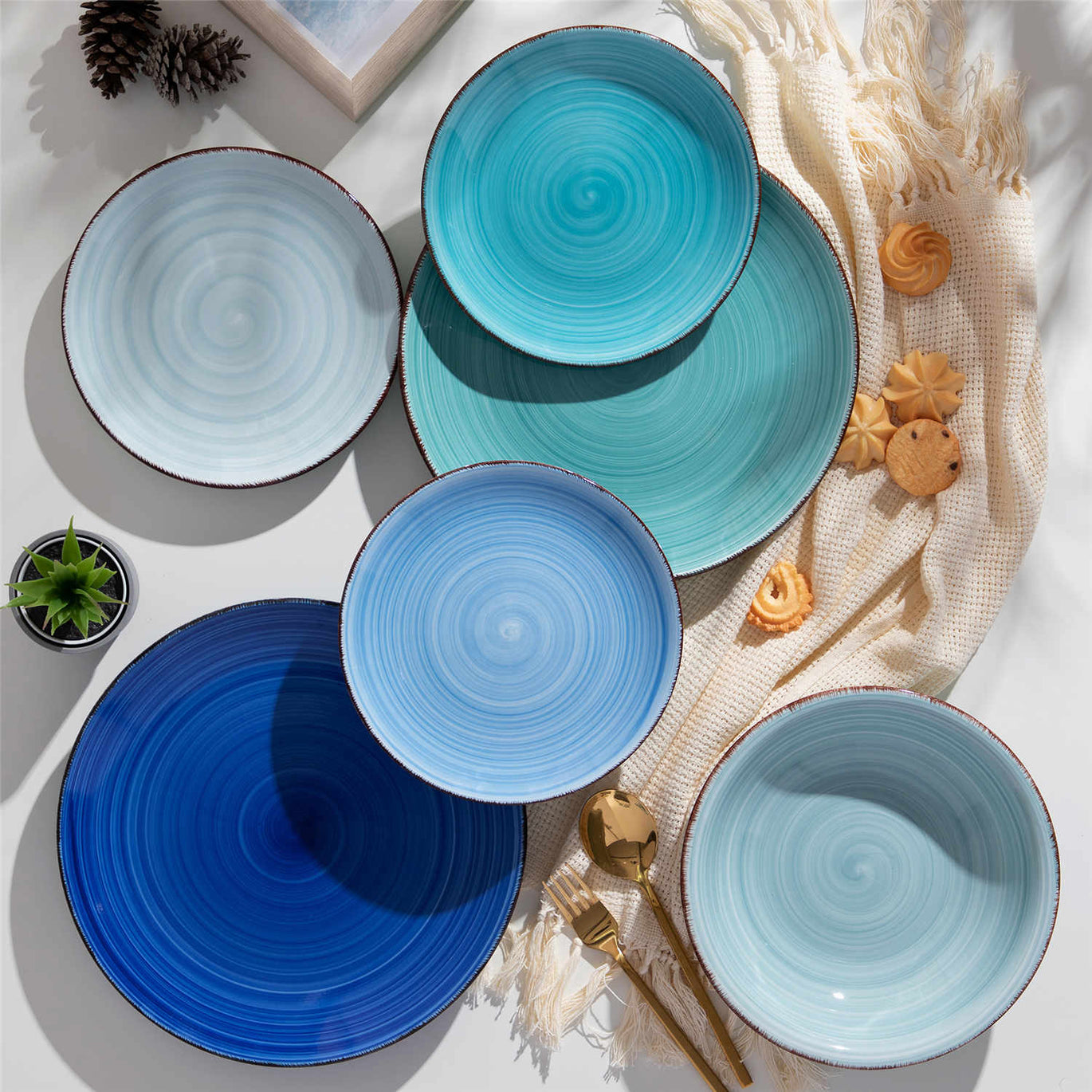


Adaptation of Modern Ceramics in Nomadic Cultures’ Dining Practices

Ceramics might be the last thing you imagine moving gracefully from dunes to rooftops, from camper vans to pop-up dinners, yet modern clay culture is rewriting the script. Today’s makers and hosts are folding centuries of portable foodways into contemporary tableware that stacks tighter, carries lighter, cleans faster, and performs beautifully on the go. Drawing on field-ready design, hospitality-tested collections, and desert-proven traditions, this guide shows how to build a mobile table that is both artful and eminently practical—no matter where you set it down.
What We Mean by Nomadic Dining Today
Nomadic dining is any meal that is designed to travel—physically, culturally, and emotionally. It might look like a floor-centered feast on a woven mat under the stars, a chef’s multi-course pop-up in a borrowed space, or a dawn breakfast served out of a trunk with a view of a trailhead. The essential move is the same: the table adapts to the place, not the other way around.
A vivid contemporary example is Studio Tinkah’s “Constructed Feast,” which reimagines Bedouin dining as a portable, floor-based system. Large communal platters are translated into smaller individual plates for modern settings, the traditional saroud becomes a scaled-up woven floor mat, and pewter and clay vessels are slip-cast in light, refined profiles. Sand is incorporated into process and finish as a nod to madfoun, the slow method of cooking in hot sand that can run for many hours. Commissioned with cultural intent and exhibited internationally, the project demonstrates how heritage can be contemporized without losing mobility or meaning (This is Mold).
A Short Line from Prehistory to Present
Ceramics and mobility have traveled together for millennia. Archaeological scholarship has examined maritime nomadism and ceramic traditions in the Baltic and circumpolar north, including the Pitted Ware Complex in southern Scandinavia, to understand how movement and material culture co-evolve (Cambridge Core). The lesson we can carry forward is straightforward: when people move, vessels become lighter, more resilient, and easier to repair or replace. Modern designers and hosts can borrow these same principles and apply them to today’s materials and rituals.

The Design Logic of Mobility
Form Factors that Travel Well
Mobility rewards restraint. Research on nomadic potters shows that higher residential movement correlates with smaller vessel diameters, thinner walls, roughened exteriors for grip, finer tempers for more resilient clay bodies, and less diversity in size and shape to prioritize standardization and stackability. Low-temperature firing can manage fuel costs, while repairs extend the life of precious pieces. Production tends to be local and family-scale, with weight, transport, and durability shaping the overall aesthetic (ResearchGate).
Translated into contemporary tableware, this becomes a preference for coupe plates that stack tightly, pasta bowls that serve as plate-bowl hybrids, and streamlined sets that nest neatly. A little texture on the exterior—think satin or subtly sanded surfaces—can improve grip when you are plating from a fold-out table or passing dishes around a fire ring.
Surface and Finish Choices
Finish is a performance spec. Food and lifestyle testing repeatedly notes that matte and reactive glazes are gorgeous but can show utensil marks more readily, while glossy finishes resist visible scuffs and often glide clean in the dishwasher (Food & Wine, The Spruce Eats, Forbes, Architectural Digest). Raw or unglazed foot rings can scratch delicate tabletops; a simple placemat or mat-style saroud solves it and stabilizes plates on uneven ground (Bon Appétit). Unglazed rims can pick up the occasional oil or coffee mark; a non-scratch pad with dish soap or a dusting of baking soda usually refreshes them quickly, and some makers even recommend light “seasoning” of rims to reduce future staining (Wirecutter).
Communal to Individual, Then Back Again
Mobility flexes the scale of service. In desert tradition, a single large platter invited the whole circle to share. For modern portable meals, scaling that shared energy across several smaller plates or nesting platters preserves the ritual while making packing and portioning easier. Studio Tinkah demonstrates this beautifully; the point is not to abandon the communal spirit, but to translate it into a compact grammar that fits a tote.
Material Choices for a Mobile Table
A mobile kit benefits from honest trade-offs. Stoneware shrugs off bumps. Porcelain and bone china offer lighter-in-hand elegance for refined occasions. Composites like bamboo with melamine give you shatter resistance around kids and campsites, though they typically stay out of the microwave. What matters is matching the material to your use, storage, and heat needs, then building a small, cohesive system that can flex.
Material |
Weight Feel |
Durability in Transit |
Microwave/Dishwasher |
Notes for Nomadic Use |
Sources |
Stoneware |
Substantial, reassuring |
Very good chip resistance |
Often both safe; verify |
Great everyday base for vans and pop-ups; thicker walls retain heat and stack reliably |
Wirecutter; Food & Wine; The Spruce Eats |
Porcelain |
Light-medium |
Good when well-made |
Often both safe; verify |
Elegant and lighter to carry; pack with felt between pieces to avoid rim rub |
Forbes; Architectural Digest |
Bone china |
Lightest feel |
Chip-resistant for its weight |
Often both safe; verify |
Excellent for refined mobile dinners; handle thin rims carefully in transit |
Bon Appétit; Vogue |
Bamboo with melamine |
Very light |
Extremely shatter-resistant |
Dishwasher yes; microwave no |
Ideal for kids, backyard, and campsite use; great backup set in a mobile kit |
Bon Appétit; The Spruce Eats |
Hybrid sets and add-ons |
Varies |
Varies |
Varies |
Consider a woven mat or board as a portable “table,” and mix ceramic with light metals |
This is Mold; Food & Wine |
Case Studies: How Modern Makers Support Mobility
Bedouin-Inspired Floor Sets in Urban Contexts
Studio Tinkah’s floor-first system proves that nomadic dining can be both ceremonial and city-ready. The saroud-inspired mat becomes a visual anchor for serving on the ground or low seating, while slip-cast pewter and clay vessels keep weight manageable and profiles slim. Sand-textured surfaces echo the weave, unifying the collection as it moves between desert sand and penthouse floors (This is Mold).
Restaurant-Proof, Home-Ready
Hospitality favorites are a treasure for mobile kits because they are designed to stack, handle volume, and clean quickly. Collections like Haand’s nested platters, known for durable clay bodies and low-waste production, carry professional logic into private dinners and travel sets. Hand-painted lines such as Hay’s creative collaborations offer artful surfaces that still plate efficiently and nest well for transport (Azure Magazine).
Circular Stories on the Move
WASTED by Potato Head turns broken ceramics and recycled glass into new bowls and plates, demonstrating a closed-loop approach that matches the footprint-sensitive priorities of mobile living. When every pound in the van counts, material storytelling that also minimizes waste can be the most satisfying luxury of all (Azure Magazine).

Building a Nomadic Tableware Kit
A compact kit should feel indulgent without becoming unwieldy. I favor a tight baseline of coupe dinner plates—around 10 to 11 in to layer comfortably with chargers or mats if needed—and versatile pasta bowls in the 20 to 30 fl oz range so they can handle brothy meals, grain salads, and saucy mains without sloshing. Straight walls that keep food contained earned praise in product testing for the same reason: less chance of a caramel or vinaigrette creeping toward the edge when your “table” is a picnic blanket (Food & Wine).
Beyond the core, round salad plates in the 7 to 9 in range are the perfect canvas for snacks, dessert, or bread-and-olive oil rituals, and they stack into narrow cabinets. If you host on the go, open-stock collections make replacement easy and give you room to mix a hero plate or bowl among neutrals, a styling move lifestyle editors recommend for a cohesive seasonal tablescape (Forbes; Absolutely Magazines). If you tend to lose pieces in the shuffle, consider buying a few spares while a collection is current; small studios and seasonal colorways do rotate, and adding extras early helps you avoid mismatched replacements later (Borgo delle Tovaglie).
Packing is a craft all its own. Nest pieces with thin felt or soft cloths between every plate and bowl, stack no more than a comfortable lift, and slide the stack into a canvas tote with a structured base. A woven mat can double as both padding and a portable “table,” protecting delicate surfaces from unglazed foot rings and stabilizing stacks on sand or grass. Wash and dry thoroughly before repacking to avoid trapped moisture, and let hot dishes cool a moment before hitting cold air to reduce thermal shock risk. If a set includes gold rims, save them for non-microwave nights; for melamine or bamboo blends, keep them out of the microwave entirely and enjoy the near-indestructible convenience when the party shifts outdoors (Bon Appétit; Wirecutter; The Spruce Eats).
Pros and Cons of Modern Ceramics for Mobile Lifestyles
Ceramics reward you with heat retention, familiar ergonomics, and plate geometry that frames food beautifully, which is why chefs and editors keep recommending stoneware and porcelain for everyday and entertaining use. In motion, those same strengths can become challenges. Weight adds up quickly with thick stoneware stacks, and thin porcelain rims want careful packing. Reactive mattes can show utensil traces faster than glossy glazes, and raw feet need a buffer between plate and tabletop. The trade is worth it when you curate intentionally: choose a shape profile that stacks tight, select finishes with your tolerance for patina in mind, and bring a mat wherever you go so your table arrives ready for service.
Care and Safety on the Road
Ceramic care in mobile contexts is simple, but it rewards consistency. Verify that your chosen set is dishwasher- and microwave-safe, and keep metallic trims away from the microwave. When unglazed rims pick up oil or coffee discoloration, a non-scratch pad with dish soap or a pinch of baking soda restores the surface; some makers suggest that gentle “seasoning” through normal use helps reduce future staining (Wirecutter). If you love the look of matte reactive glazes, embrace a lived-in patina or use a mildly abrasive cleaning paste designed for ceramic scuffs. If you prefer minimal maintenance, reach for glossier finishes that hide marks. And whenever a piece chips, consider repair if the location is non-food-contact; in the field, nomadic craftspeople have always extended vessel life through clever fixes when replacement wasn’t practical (ResearchGate).

Buying Tips With Mobility in Mind
Choosing ceramics for a mobile table is not about the most pieces, but about the best system. Open-stock collections make replacements and small, sensible upgrades easy over time, a point consumer editors emphasize when recommending sets designed to last through evolving needs (Forbes; Wirecutter). A white or warm neutral base creates instant cohesion, then a single hero plate, a pair of pattern-forward salad plates, or a set of striped bowls can inject personality without complicating storage (Absolutely Magazines; Architectural Digest; Vogue). If your dining life splits between weeknight miles and occasional gatherings, place a tougher, chip-resistant stoneware base in your tote and keep one light, elegant service of porcelain or bone china ready for refined moments. For kid-heavy camps or sandy beaches, carry a small shatter-resistant composite set to mix in, understanding that such pieces excel outdoors but usually skip the microwave (Bon Appétit; The Spruce Eats).
If you cook outside, a raised rim or straight wall on plates reduces runaway sauces. Pasta bowls prevent sloshing and can act as individual tasting trays for multi-course menus. And because collections change, planning for spares up front prevents discontinuation headaches, a practical point homeware guides have echoed for years (Borgo delle Tovaglie).
The Maker’s Perspective: Portable Craft, Portable Table
Movement also shapes how ceramics are made. Nomadic potters who split time between studios emphasize minimalist, standardized workspaces, local supplier lists, and rigorous dust control to protect their health and keep focus high. They build time into each move to reestablish rhythm and accept slower periods as part of the cycle (Ceramic Arts Network). Place enters the work—terracotta might pick up the hue of a coastline, a glaze might echo the plants by a studio window—and the resulting pieces carry that sense of where they were formed into the meals they serve.
As a Colorful Tabletop Creative & Pragmatic Joy Curator, I treat tables like traveling galleries with a job to do. In pop-up brunches and campsite suppers, coupe plates have kept stacks low and friction down, pasta bowls have contained broths and grains without drama, and a gloss-forward surface has made cleanup quick enough that the sunset still gets its moment. That balance—art that works—is the essence of a mobile table.
Definitions You’ll Actually Use
Sobremesa is the delicious pause after a meal, the lingering chat that turns courses into connection, a term highlighted in modern collections that celebrate conviviality (Absolutely Magazines). Saroud is the traditional round, woven palm-leaf placemat scaled to the floor in Bedouin dining, adapted in modern design as a modular floor mat (This is Mold). Madfoun is slow cooking under hot sand, echoed materially when design teams incorporate sand into ceramic finishes to honor place (This is Mold). Vitrification is the stone-like fusion achieved when clay is fired at high temperature, lending strength and chip resistance to porcelain and bone china (Bon Appétit). Open stock means you can buy or replace single pieces rather than committing to full boxed sets, a replacement-friendly strategy when you host on the move (Forbes; Wirecutter).
Quick Comparison: Design Details That Help on the Move
Detail or Feature |
Why It Matters on the Move |
Practical Note |
Coupe plates |
Stack flatter and save cabinet space |
Choose 10 to 11 in so they layer with mats or chargers |
Pasta bowls |
Contain sauces and mixed dishes without spills |
Target 20 to 30 fl oz for all-in-one meals |
Straight walls and rims |
Keep food corralled on uneven surfaces |
Praised in product testing for containment in real use |
Glossy glazes |
Hide utensil marks and clean faster |
Favor gloss if low-maintenance cleanup is key |
Matte/reactive glazes |
Add character with visible patina over time |
Expect marks; use non-scratch pads for refresh |
Unglazed foot rings |
Improve stability, can scratch delicate surfaces |
Deploy placemats or floor mats like a saroud |
Short FAQ
How do I pack ceramic plates and bowls so they do not chip while traveling?
Nest each piece with a thin felt or soft cloth between layers, limit stacks to a comfortable lift, and secure them in a tote or crate with a structured base. Add a woven or silicone mat at the bottom for shock absorption, and let hot dishes cool briefly before moving them into cold air to reduce thermal stress. A small roll of soft tape or felt dots under foot rings protects tabletops when you land.
What one shape should I choose if I want to keep my kit minimal?
If you want maximum versatility with minimal pieces, pick a pasta bowl in the 20 to 30 fl oz range. It functions as both a shallow bowl and a deep plate, handles saucy mains, grain salads, and soups, and stacks tightly. Match it with coupe dinner plates around 10 to 11 in if you regularly serve larger mains.
Are matte glazes a bad idea for mobile dining?
Not at all. Matte and reactive glazes are beautiful and photograph like a dream. They can show utensil marks sooner than glossy finishes, so plan for occasional refreshes with a non-scratch pad and mild cleanser. If low-maintenance cleanup is your priority, glossy glazes keep the routine simpler.
What is the safest lightweight option for kids or sandy, outdoor meals?
Bamboo blends with melamine are extremely shatter-resistant and very light, which makes them ideal around young eaters and active outdoor settings. Keep them in the dishwasher lane and out of the microwave, and mix them with your ceramic base when you need unbreakable convenience.
Is porcelain too fragile for a mobile lifestyle?
Well-made porcelain and bone china are thinner and lighter but surprisingly robust when properly vitrified. They need careful packing and a bit more attention to rims, yet they reward you with elegance and a lighter lift. Many sets are dishwasher-safe; verify care guidance before you buy.
How many place settings should I carry if I host on the move?
If you regularly set the table for friends, consider four to six settings in your traveling kit and purchase a few spares while the collection is current so you can replace a loss without mismatching. Open-stock lines make it easy to replenish single pieces without a full-box commitment.
Takeaway
Mobility is not a compromise; it is a design brief. The most successful nomadic tableware borrows from field-tested traditions and contemporary hospitality alike: stackable forms, smart rims, finishes that suit your tolerance for patina, and materials chosen for their job. A compact system anchored in stoneware or porcelain, augmented with a few unbreakable pieces for rough-and-tumble moments, will carry you from campsite to courtyard without losing color, craft, or joy. The bonus is cultural continuity. Whether you unfurl a saroud-inspired mat or linger in sobremesa, modern ceramics make it easier than ever to take your rituals with you.
Citations in brief: case studies and craft insights draw on This is Mold, Ceramic Arts Network, Cambridge Core, ResearchGate, Azure Magazine, Wirecutter, Food & Wine, Bon Appétit, The Spruce Eats, Forbes, Architectural Digest, Absolutely Magazines, Vogue, and Borgo delle Tovaglie.
References
- https://ceramicartsnetwork.org/daily/article/Making-it-Work-as-a-Nomadic-Potter
- https://www.cambridge.org/core/books/ceramics-in-circumpolar-prehistory/maritime-nomads-of-the-baltic-sea/80683218385CDD9AB509A59253AF6034
- https://www.researchgate.net/publication/368109222_Nomadic_Potters_RELATIONSHIPS_BETWEEN_CERAMIC_TECHNOLOGIES_AND_MOBILITY_STRATEGIES
- https://www.foodandwine.com/best-stoneware-dinnerware-sets-7973178
- https://www.thespruceeats.com/best-dinnerware-sets-4104201
- https://absolutelymagazines.com/the-best-ceramics-of-2025/
- https://www.architecturaldigest.com/story/best-dinnerware-sets
- https://www.bonappetit.com/story/best-dinnerware-sets?srsltid=AfmBOopWwBWWZvnCrCa028DCqn4DsA8anwjh_XzkYWZQxbDTI4odbms9
- https://citylifestyle.com/articles/serving-beauty-how-handcrafted-ceramics-elevate-everyday-meals
- https://www.crateandbarrel.com/ideas-and-advice/unique-dinnerware-buying-guide
Tu pourrais aussi aimer
Stern Ensemble de vaisselle 16 pièces
- £68.00
£77.00- £68.00
- Unit price
- pour
-
Blue
-
Green
-
Red
-
Grey
Simi Ensemble de vaisselle de 24 pièces
- £77.00
£104.00- £77.00
- Unit price
- pour
Bonita Service de table 18 pièces
- À partir de £49.00
£61.00- À partir de £49.00
- Unit price
- pour
-
Blue
-
Multicolor
Simi Service de table 24 pièces avec bols double face
- £82.00
£104.00- £82.00
- Unit price
- pour