



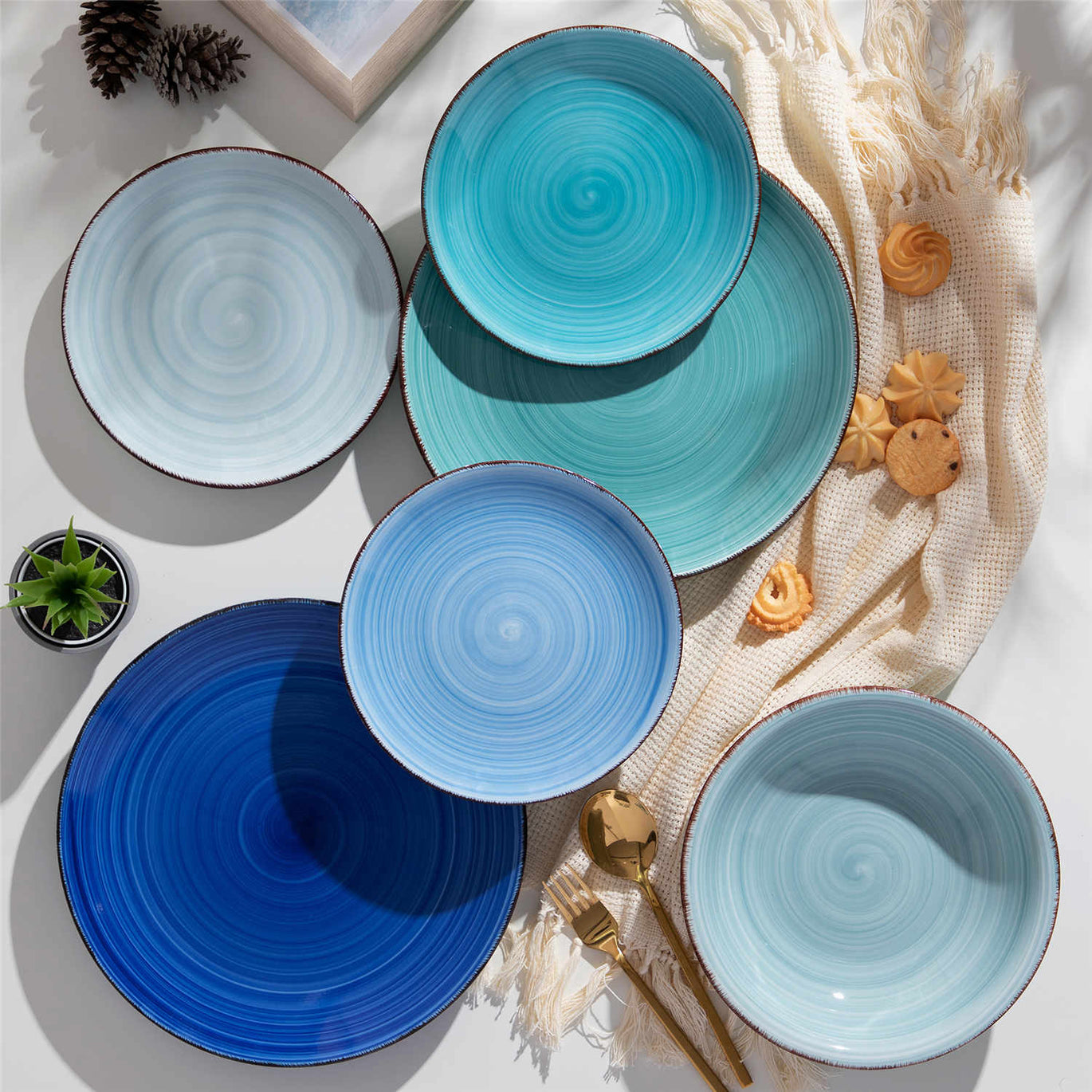


When Stores Go Dark: How Closures Are Transforming the Ceramic Dinnerware Experience

Walking into a favorite tableware shop used to feel like stepping onto a tiny stage. Light bounced off stacked white porcelain, stoneware bowls towered in earthy ombré, and you could cradle a mug in your hands to see if the handle really fit your fingers. When those stores close, it is easy to mourn the loss of that sensory playground.
Yet ceramic dinnerware is having a growth moment, not a funeral. Market reports from sources such as Future Market Insights, Finance Yahoo, and ResearchAndMarkets all point in the same direction: global ceramic and porcelain tableware sales are rising steadily through 2030 and beyond. At the same time, research in Flavour journal shows that plates and cutlery do not just hold food; they quietly change how food tastes and how much we eat.
So when physical stores disappear and the dinnerware journey moves into pixels and packages, the stakes for our everyday dining experience actually get higher. As a Colorful Tabletop Creative & Pragmatic Joy Curator, I live in this tension daily: how do we keep the playful, sensory magic of ceramic dinnerware alive when store doors stay shut and “add to cart” becomes the new showroom?
Let us explore what we lose, what we gain, and how to curate a vibrant, practical, joy-filled tabletop in a world where store closures are part of the landscape.
Why Ceramic Dinnerware Still Deserves Center Stage
Before worrying about where we shop, it helps to remember why ceramic dinnerware matters at all.
Analysts at Finance Yahoo estimate that the global ceramic tableware market was worth roughly $12.50 billion in 2022 and could pass $20.60 billion by 2030 with a healthy annual growth rate. Future Market Insights projects the ceramic and porcelain tableware segment at about $7.40 billion in 2025, growing to around $11.30 billion by 2035. A separate consumer-focused view from Joyye forecasts ceramic dinnerware climbing from about $12.40 billion in 2024 to $22.20 billion by 2034. The exact numbers vary by scope, but the story is consistent: this category is expanding, not shrinking.
Ceramic tableware is a broad family. It includes plates, bowls, cups, mugs, saucers, and serveware made from materials like porcelain, stoneware, earthenware, and bone china. These materials earned their place at the table for reasons that go beyond nostalgia:
Ceramics resist wear and corrosion, shrug off stains, and handle both hot soups and iced desserts. Stoneware’s thicker clay body holds heat beautifully, making stews and baked pastas feel cozy longer, while porcelain offers elegant thin walls with surprising strength and resistance to temperature swings. Bone china adds bone ash to create an especially strong yet translucent body, loved by upscale hotels and home entertainers for its balance of delicacy and durability.
Market research from BusinessWire and Grand View Research shows that the hospitality world depends heavily on ceramic dinnerware, with restaurants, hotels, and cafés favoring pieces that withstand heavy use while looking beautiful. At home, North American consumers are investing in renovations and dining spaces, and a large share of that spending flows into dishes and glassware that support the new ritual of eating more meals at home.
Store closures are occurring against this backdrop of growth, aesthetic innovation, and renewed attention to the dining room. The question is not whether ceramic dinnerware survives. The question is how we discover it, judge it, and ultimately experience it without the aisles we once wandered.
From Aisles to Algorithms: The Store-Closure Shift
Kitchen and home retailers are feeling a powerful squeeze. Research highlighted by Enterprise Home notes that the global home improvement market already exceeds hundreds of billions of dollars and is on track to reach more than a trillion dollars by 2025. At the same time, brick-and-mortar foot traffic is declining, pushing retailers toward omnichannel strategies, experiential pop-ups, and high-touch services instead of traditional store networks.
In ceramic tableware specifically, several reports converge on the same pattern. The United States is the largest importer of ceramic tableware, with a robust market made up of both residential and commercial demand, according to ResearchAndMarkets. Yet the fastest growing distribution channel is not the specialty store; it is online. Future Market Insights and Finance Yahoo both underscore that e-commerce is expanding rapidly for ceramic tableware, with online sales forecast to post the highest growth rates.
That shift is accelerated when local stores close or consolidate. The closure of a neighborhood tableware boutique or a regional home goods chain does not stop people from buying plates. It simply reroutes them to large online marketplaces, brand-owned sites, and digitally native retailers. Social shopping platforms add another layer: inspiration now comes from Instagram grids, Pinterest boards, and review videos long before anyone touches a plate in person.
This is the new context for the ceramic dinnerware experience: growth in demand, growth in online access, and a shrinking number of places where you can actually pick up that bowl before you commit.

What We Lost When Tableware Stores Closed
When a store full of ceramics disappears, the obvious loss is physical space. The deeper loss is sensory education.
In a store, you gather a surprising amount of information in a few seconds. You feel how a stoneware dinner plate pulls slightly on your wrist compared with a lighter porcelain one. You notice whether a bowl’s rim curves toward you in a comforting way or flares outward to frame food dramatically. You can stack three plates to check stability or tap a mug to hear its ring.
This tactile, auditory, and visual feedback is not just fussy detail. Work published in Flavour journal shows that tableware materially shapes flavor perception. When people eat with heavier stainless steel spoons instead of lightweight plastic, they rate the same food as roughly eleven percent higher in quality and pleasantness, a phenomenon linked to “sensation transference,” where perceived utensil quality spills over into judgments about the food. Plate and bowl colors quietly nudge taste perception as well. A strawberry mousse presented on a white plate feels about fifteen percent more intense and about ten percent sweeter and more liked compared with the same dessert on a black plate. Salty popcorn served in red or blue bowls can taste slightly sweeter than when served in plain white bowls.
In a physical store, you could often stage your own casual experiments, placing a dish on different colored chargers, pairing bright glazes with neutral linens, or comparing matte and glossy finishes side by side. You built an intuitive library of “this color makes my pasta pop” and “that rim shape feels fussy.”
Store staff were another quiet superpower. Hospitality-oriented suppliers such as Alliance Online and Ascot Wholesale emphasize that chefs and designers increasingly collaborate on custom plateware, using tableware as a storytelling tool. A good in-store advisor distilled those ideas for everyday shoppers, translating chef-style plating into something that fit in an apartment kitchen cabinet.
When stores close, this analog classroom disappears. New ceramic sets arrive on your porch without that pre-purchase choreography of touch, comparison, and conversation. The risk of disappointment rises: heavy plates that feel clunky, glossy finishes that show every fingerprint, colors that look very different from the photos.
What We Gained in the Online Era
The loss of physical stores is real, but it is not the whole picture. The online shift reshapes the ceramic dinnerware experience in ways that can be both empowering and delightful, if we navigate them with intention.
First, the assortment explodes. Instead of a few brands on a local shelf, you can browse global players such as Villeroy & Boch, Denby, Churchill China, and regionally focused artisans and micro-brands in the same afternoon. Data from Shopify and other platforms, summarized by Accio, shows high demand for core search terms like “dinner plates,” “white,” and “bowls,” along with materials like melamine and gold accents. At the same time, specialty retailers like Catalonia Plates and Joyye spotlight bold color, reactive glazes, and organic shapes that would never have squeezed into a single store.
Second, social proof becomes visible. On large e-commerce sites, consumers voice clear pain points: heavy stoneware sets that strain wrists, breakage in shipping, and color inconsistencies between photos and real life. These reviews highlight design realities that were once whispered privately to store staff. Patterns emerge, such as a persistent craving for microwave safety and chip resistance in everyday stoneware, echoed in trend analyses from Accio and Joyye.
Third, digital tools add new ways to “pre-experience” dinnerware. In the kitchen category, companies like HomeByMe report millions of projects on 3D design platforms that let users visualize entire kitchens before renovation. That mindset easily extends to the tabletop. Retailers are beginning to offer virtual planners, mix-and-match configurators, and augmented reality views that place plates on a user’s own table through a phone camera.
In this world, the dinnerware experience becomes more data-rich and globally connected. You lose the instant tactile hit of a showroom, but you gain sheer variety, visibility into other people’s experiences, and the potential for highly personalized choices. Store closures push you from a curated shelf to a curated feed. The challenge is turning that screen-based flood into a joyful, practical tabletop.

How Store Closures Change What We Actually Buy
The closing of local stores does not just alter where we click; it subtly steers which ceramics end up in our cupboards. Guided by search algorithms and thumbnail photos, certain traits gain power.
Research from Catalonia Plates, Alliance Online, Ascot Wholesale, Joyye, and others paints a coherent picture of the post-store dinnerware landscape. Modern style dominates search behavior, with “modern dinnerware” showing steady attention compared with barely visible volumes for explicitly “eco-friendly” or “seasonal” dinnerware terms, according to Accio’s analysis of search trends. At the same time, specialty retailers and hospitality suppliers report rising interest in sustainability, artisanal texture, and cultural storytelling.
With store closures and online discovery, a few shifts stand out.
Shift toward Photogenic Mix-and-Match
Color and form now live under the spotlight of social media. Alliance Online highlights that a significant share of diners are willing to pay more for a premium dining experience, and a large portion choose restaurants partly based on Instagram appeal, according to studies they cite from Global Hospitality Insights and Social Dining Trends. This mentality bleeds into home dining.
Joyye observes that consumers are moving away from perfectly matched, formal sets and toward eclectic tablescapes built from mix-and-match pieces, typically in smaller sets of four to eight settings and open-stock buying. Catalonia Plates and Ascot Wholesale showcase organic shapes, matte finishes, and hand-painted or reactive glazes, encouraging people to combine deep emerald plates with terracotta bowls, or matte white dinner plates with speckled stoneware side plates.
Without in-store vignettes, people lean on styled photography, influencer posts, and brand lookbooks for guidance. Store closures effectively promote the idea that you do not need one “correct” set; you need a personal palette that photographs beautifully and works across casual and special meals.
Sustainability Rises, Tactility Gets Abstract
Even though “eco-friendly dinnerware” may not dominate search boxes, sustainability is a serious growth driver. Joyye reports that the sustainable ceramic tableware segment alone is expected to grow from about $102 billion in 2024 to roughly $145.50 billion by 2030. Future Market Insights likewise flags sustainability and safety as central trends, with consumers prioritizing eco-friendly materials, energy-efficient production, and hygienic, easy-to-clean surfaces.
Store closures intensify the importance of product descriptions and certifications, because you cannot rely on a staff member to explain the glaze or origin. Research and trend commentary emphasize non-toxic, lead-free and cadmium-free glazes, durable materials, and even recycled ceramic content. You read about these qualities rather than feeling them.
At the same time, tactility becomes a bit of a gamble. Accio notes recurring complaints on large marketplaces about stoneware’s heavy weight and breakage, even as stoneware’s durability and heat retention make it appealing. You may mentally picture something “substantial” and comforting but end up with a stack that is hard to lift. If you had a store, you would have felt that weight immediately. In a post-store world, weight is a number on a product page and a pattern in customer reviews.
Flavor and Portion Cues Move from Trial to Intention
Flavour journal’s research shows that utensil size, material, and weight influence both perceived flavor and portion size. Larger spoons can lead to slightly larger serving sizes, while smaller forks in a restaurant context can prompt people to take more bites to feel satisfied. Plate colors and shapes alter assessments of sweetness, saltiness, and even the “sharpness” of a dish.
Historically, a restaurant or boutique might let you experience these subtleties incidentally. You tasted a dessert on a small white plate and noticed how vivid it felt, or you tried a cocktail in a heavy, cut-glass coupe and thought it seemed more luxurious. With store closures pushing more shopping online, you rarely get to test these cues before buying.
This can be a downside, but it also creates an opportunity. Instead of stumbling onto these effects in a shop, you can deliberately design them into your home. The key is knowing the principles and then choosing your ceramics accordingly.
In-Store versus Online: How the Experience Compares
Here is a snapshot of how the dinnerware journey has shifted as stores close and online channels dominate.
Aspect |
In-Store Era |
Online-First Era |
Discovery |
Local displays, staff suggestions, chef-inspired vignettes |
Search results, recommendation engines, social media inspiration, influencer posts |
Sensory feedback |
Immediate weight, texture, sound, and color comparison |
Indirect clues from photos, dimensions, weight specs, and customer reviews |
Storytelling |
Verbal narratives from staff, brand collateral |
Product descriptions, brand blogs, video content, restaurant endorsements |
Personalization |
Limited to available sets or special orders |
Mix-and-match open stock, monogram services, customizable patterns and colors |
Sustainability insight |
Short labels, occasional staff explanation |
Detailed materials, certifications, origin stories, lifecycle messaging |
Risk of mismatch |
Lower; you test before buying |
Higher; mitigated by reviews, samples, and return policies |
Social experience |
Shopping with friends, talking to staff |
Sharing mood boards, unboxing videos, and table shots online |
The table makes one thing clear: store closures do not end the ceramic dinnerware experience; they redistribute it. The joy is still available, but it requires more intentional curation from shoppers and smarter digital design from brands.

Pros and Cons of a Post-Store Ceramic Dinnerware World
In this new world, the ceramic dinnerware experience comes with a fresh set of trade-offs.
On the positive side, you gain access to a wider range of aesthetics, price points, and makers than any single city block could ever hold. Global reports from Future Market Insights, Metastat Insight, and others document expanding categories such as premium designer collections, antimicrobial or hygienic surfaces, and lightweight yet durable commercial-grade tableware. Consumers can find niche themes, from retro-inspired metallic finishes to globally influenced designs, without boarding a plane.
Online channels also empower smaller brands and artisans. Grand View Research notes that startups and direct-to-consumer brands use online distribution to compete with established players, offering cost-effective yet visually appealing products. For shoppers, this means that a handcrafted-looking, reactive-glaze stoneware set from a small studio can appear right alongside mass-market offerings, especially as social media amplifies discoveries.
On the negative side, the absence of physical stores amplifies information asymmetry. Counterfeit or low-quality products can sneak into the marketplace, a risk highlighted in some market outlooks as a concern for ceramic manufacturers. Color calibration across screens can cause surprises: a “sage green” that reads soothing online may skew more gray in your kitchen light. The sensory aspects that Flavour journal showcases, such as plate weight and utensil feel, become harder to judge without a trial. Returns and breakage add environmental and emotional cost.
Most importantly, the warm ritual of browsing with a knowledgeable guide is replaced by solo research. Some people thrive on that independence. Others feel overwhelmed by the sheer number of options and miss the quick, grounded reassurance of “yes, this bowl will fit your dishwasher rack.”
The good news is that you can counter many of these downsides with a bit of structured curiosity and creative testing at home.
How to Curate Joyful Dinnerware Without a Local Store
Store closures mean your home becomes the showroom. Instead of mourning that shift, you can treat your table as a playful lab where you discover what truly works for your life.
Begin by reverse-engineering your reality rather than chasing an abstract “perfect set.” Think through a typical week in your household. If most meals are cozy one-pot dinners and big salads, oversized shallow bowls might work harder than classic dinner plates. Joyye’s research shows that many consumers now favor smaller sets and open-stock buying, precisely because it lets them replace breakage easily and tailor collections to how they actually eat. In North America, where a large share of the ceramic dinnerware market sits, people often want pieces that flex from casual solo meals to small gatherings without requiring a separate “special occasion” set.
Next, learn to read online product information with a sensory mindset. Pay close attention to diameter in inches, capacity in fluid ounces, and the weight per piece. If a twelve piece stoneware set lists unusually high weight, imagine lifting four plates at once after a dinner party and decide if that still feels joyful. Look for side-view photos to judge rim height and stackability. Reviews complaining that plates are “too heavy” or “feel flimsy” are not just noise; they are crowdsourced tactile data.
Color deserves equally intentional treatment. Flavour journal’s findings on plate and bowl colors suggest that warm neutrals and white can enhance perceived sweetness and intensity for desserts, while blues and other colors can subtly shift how salty or sweet certain foods taste. If you are trying to reduce sugar in desserts, serving them on a darker or more colorful plate instead of a bright white one may gently nudge perception away from maximum sweetness. If you want vegetables to feel inviting, pairing them with warm whites, terracotta, and gentle greens can make them visually lush and comforting.
Because you no longer have a store to trial these nuances, consider building a tiny “plate test kit” at home. When possible, order single pieces instead of full sets: one dinner plate, one salad plate, one bowl. Use them intensively for a couple of weeks. Notice how they feel coming out of the dishwasher, whether they chip when bumped in the sink, and whether the color plays nicely with your food and linens. Once you fall in love, commit to the rest of the set. This approach mirrors how hospitality buyers test samples before ordering in bulk; you are simply adopting their method in a domestic, playful way.
Sustainability can be woven into this process without sacrificing color and fun. Check product descriptions for mentions of lead-free and cadmium-free glazes, energy-conscious production, and recycled material content, as highlighted in market analyses from Joyye, Future Market Insights, and Metastat Insight. Focus on durability and timeless versatility rather than chasing every micro-trend. A well-made stoneware or porcelain set that survives hundreds of dishwashing cycles is often more eco-friendly than replacing cheap alternatives frequently, even if those alternatives advertise “green” buzzwords.
Finally, use social inspiration wisely. Platforms filled with beautifully styled tables are powerful tools when treated as idea banks rather than rules. Save images where you genuinely love both the food and the plates, then look for recurring elements: maybe you are consistently drawn to matte glazes with a speckled surface, or to deep blue dinner plates with lighter bowls. Retailers like Ascot Wholesale and Alliance Online publish hospitality trends that can also guide your eye, even if you are setting a home table rather than a restaurant. The goal is not to copy a single look but to translate recurring themes into choices that fit your storage, budget, and cooking style.
In this way, store closures gently push you into the role of your own tabletop stylist. With a bit of structured experimentation, that role can feel more empowering than intimidating.

What Store Closures Mean for Retailers and Makers
If you are on the brand or retail side, store closures demand more than a slick homepage. They require redesigning the dinnerware journey end to end.
Enterprise Home’s analysis of kitchen retailers emphasizes declining store traffic and the need for omnichannel journeys supported by digital planning tools. Tableware vendors can borrow this logic. If kitchen planners can let customers visualize cabinets and countertops in 3D, tableware brands can offer interactive tools to lay out plates, bowls, and glassware on a virtual table. These tools should integrate real product dimensions and colors, so shoppers can see whether oversized pasta bowls overwhelm a small dining table or whether a bold patterned plate harmonizes with neutral linens.
Education becomes a key differentiator. Research from Flavour journal demonstrates that tableware design subtly shapes taste and intake. Brands that translate these insights into approachable guides, videos, and interactive content can help customers design healthier, more pleasurable meals. Imagine a short explainer that shows how plate color can support dessert restraint or enhance the perceived freshness of salads, or a guide to choosing utensil weights that feel premium without being tiring. When stores are closed, these digital micro-lessons effectively replace the knowledgeable salesperson.
Partnerships with hospitality venues are another powerful response. Alliance Online and other hospitality-oriented sources note that restaurants and hotels increasingly use unique, storytelling-driven plateware to differentiate their guest experience. Since many diners are willing to pay more for premium tableware at restaurants and often choose venues for their “Instagram appeal,” restaurants become live showrooms. By collaborating with chefs, brands can put new collections into real-world service and then highlight those settings online, allowing home consumers to “shop the restaurant table” while watching the plates perform under busy, high-volume conditions.
On the operations side, manufacturers face rising energy and raw material costs, along with competition from alternative materials and low-cost imports, as outlined in reports from Future Market Insights and Metastat Insight. Store closures make scale and efficiency even more important. Investments in automation, AI-driven quality control, and localized manufacturing can help control costs while maintaining craftsmanship. Yet brands must balance that efficiency with the artisanal feel consumers crave, especially younger buyers who value authentic stories and ethical production.
In short, store closures do not remove retailers from the dinnerware story; they rewrite their lines. The winners will be brands that treat every product page, social post, and sample kit as a miniature showroom, rich with sensory information and narrative, not just a price tag and a photo.
Frequently Asked Questions
Can I really buy ceramic dinnerware online without seeing it in person and still love it?
Yes, especially if you treat the process as a mini design project instead of a one-click gamble. Focus on clear measurements, weight per piece, detailed photos from multiple angles, and honest reviews. When possible, order a single test piece first. Use it daily for a bit, then commit to the full set once you are confident. This mirrors how professional buyers operate and dramatically reduces surprises.
Is stoneware or porcelain better if I cannot handle them in a store?
Each has strengths. Stoneware is generally heavier, more rustic, and excellent at retaining heat, which suits slow, cozy meals and oven-to-table serving. Porcelain is usually lighter, smoother, and refined, ideal when you want pieces to feel airy and versatile. If you worry about heaviness and have to rely on online descriptions because stores have closed, prioritize porcelain or thinner stoneware lines and pay attention to listed weight and thickness in reviews.
How can I use plate color to make everyday meals more exciting without tasting everything in a store?
Think in terms of contrasts and mood rather than perfect matches. Research in Flavour journal suggests that white plates can make certain desserts feel sweeter and more intense, while colors like blue can shift how people experience salty or sweet snacks. For vibrant, colorful dishes such as salads and grain bowls, neutral backgrounds like matte white, sandy beige, or warm gray help the ingredients pop visually. For comfort-heavy, brown or beige foods such as casseroles, consider plates with gentle greens, blues, or speckles to add dimension and keep the overall look lively. Use online photos and mood boards to test pairings visually, then validate with a single sample plate at home.
When stores close, the clink of plates in a quiet showroom may fade, but the ceramic dinnerware experience does not have to dim with it. By leaning into data, digital tools, and a bit of hands-on experimentation at home, you can turn your dining table into the new showroom: a stage where color, texture, flavor, and sustainability all come out to play. Pull your favorite plate from the stack tonight, notice how it changes your meal, and remember that even in a storeless world, you are still the curator of your everyday joy.
References
- https://www.thespruce.com/outdated-dishware-styles-11794172
- https://www.accio.com/business/dinnerware_trends
- https://enterprise-home.by.me/resource/5-key-trends-will-influence-how-kitchen-retailers-must-engage-consumers
- https://www.futuremarketinsights.com/reports/ceramic-and-porcelain-tableware-market
- https://www.grandviewresearch.com/press-release/us-tableware-market-analysis
- https://www.happygodinnerware.com/Dinner_Plates/How_Can_Ceramic_Retailers_Maximize_Their_Online_Sales_5_Effective_Ecommerce_Strategies_happygodinner.html
- https://www.joyye.com/info-detail/consumer-preferences-in-ceramic-dinnerware-styles?requestId=
- https://www.marketresearchfuture.com/reports/ceramic-tableware-market-28589
- https://www.metastatinsight.com/report/ceramics-tableware-market
- https://finance.yahoo.com/news/ceramic-tableware-market-garner-above-155200935.html
Potrebbe piacerti anche
Stern Set di stoviglie da 16 pezzi
- Da £58.00
£77.00- Da £58.00
- Prezzo unitario
- per
-
Blue
-
Green
-
Red
-
Grey
Simi Set di stoviglie 24 pezzi
- £77.00
£104.00- £77.00
- Prezzo unitario
- per
Bonita Set di stoviglie da 18 pezzi
- Da £49.00
£61.00- Da £49.00
- Prezzo unitario
- per
-
Blue
-
Multicolor
Set di stoviglie stellate da 16 pezzi
- £60.00
£70.00- £60.00
- Prezzo unitario
- per
-
Blue
-
Green
-
Red
-
Gradient Green