



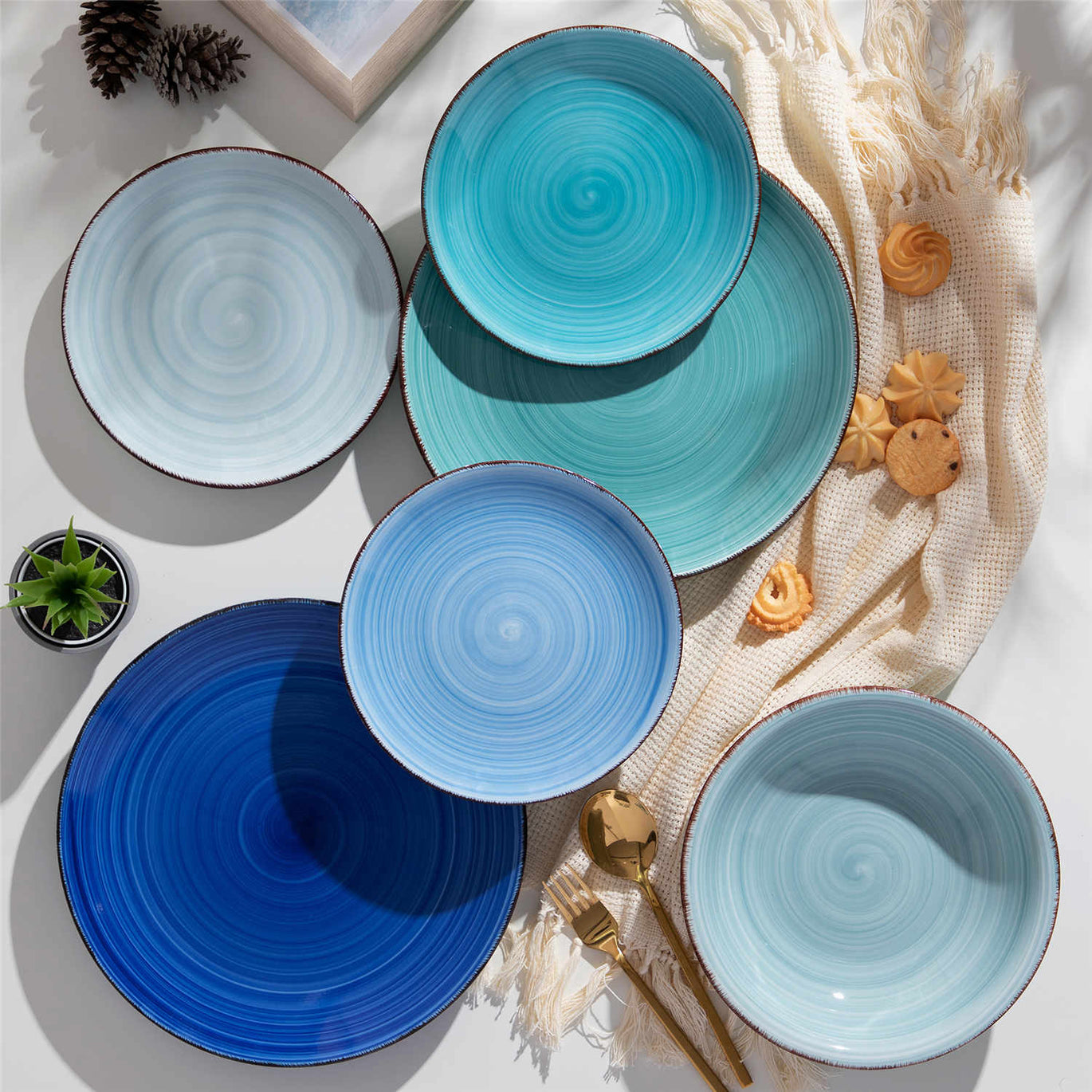


The Role of Ceramic Tableware as Social Currency in Modern Dining

Ceramic plates don’t just hold dinner; they hold meaning. In the age of camera-first cuisine and convivial, design-forward entertaining, what’s on your table quietly broadcasts who you are, what you value, and how you host. That’s social currency—non-monetary value you accumulate and share through objects, rituals, and taste. As a Colorful Tabletop Creative & Pragmatic Joy Curator, I’ve set more tables than I can count, styled pop-up brunches where phones ate first, and lived the delightful truth that well-chosen ceramics can spark conversation, cue belonging, and make a home or restaurant feel instantly more generous.
What Social Currency Looks Like On The Table
Social currency in dining is the subtle language of signals. A matte stoneware dinner plate whispers modern restraint and tactile warmth. A scalloped porcelain coupe with a fine rim reads as heirloom tenderness and ceremony. A cheerful mix of saturated glazes across a stack—think Fiesta’s color-forward palette—telegraphs confidence, creativity, and “come as you are” joy. In a brand video about Fiesta by the Homer Laughlin China Company, the evergreen appeal of bold, mix-and-match hues, annual color rotations, and proven chip resistance explains why collectors treat their cupboards like personal galleries. Sociologists have said for decades that taste is a social signal of identity and status; a lecture on Bourdieu’s Distinction makes the case that our preferences carry class-coded meaning. The upshot at the table is simple: your plates, bowls, and mugs do social work before the first bite.
Event designers have noticed. Curated event guides describe how matte ceramics, recycled glass, and fine china set tone as powerfully as the florals. A marketing article on social media moments notes matte finishes reduce glare, darker bases punch up contrast, and pearlescent or metallic accents deliver pinpoint sparkle that photographs beautifully. When form, finish, and color serve the camera and the guest, your table multiplies its social return.

Why Ceramics Carry Status Without Saying A Word
Ceramics have practical and symbolic advantages that stack up fast. By the Earth Living explains that fired clay plus a non-porous glaze yields a hygienic, lead-free, food-safe surface that resists stains and odors and usually plays nicely with the microwave, dishwasher, and even the oven. Ceramic plates and bowls hold heat better than many alternatives, keeping entrées warm or desserts cool longer. Multiple sources—Saje Rose, Vaaree, and ellementry—point to long service life, easy cleaning, and a wide style spectrum from minimalist whites to hand-painted story pieces. A global tableware note cited by By the Earth Living put ceramics at over half of dinnerware sales in 2021, reflecting consumer confidence in safety, durability, and aesthetics.
Zoom out to the business of the category and the momentum is clear. Joyye reports that global ceramic tableware is projected to grow from about $102 billion in 2024 to $145.5 billion by 2030 at a 6.1% compound annual growth rate. That isn’t just market size; it’s evidence that the plate beneath your risotto is a design medium with serious cultural traction.
The Ceramic Family, Explained
“Ceramic” is an umbrella for several material personalities. Joyye offers a helpful way to categorize them by firing temperature, density, and look; the temperatures below are converted to °F for clarity.
Category |
Typical Firing Range (°F) |
Look & Feel |
Everyday Strength |
Best Uses |
Trade-offs |
Earthenware |
About 1,472–2,102 |
Rustic, often vibrant and thicker |
Lower than others unless well glazed |
Decorative serving, occasional use |
More porous without glaze; chips easier |
Stoneware |
About 2,102–2,372 |
Dense, weighty, tactile glazes |
High chip and scratch resistance |
Daily plates, bowls, mugs |
Heavier; some pieces can be bulky |
Porcelain |
Above 2,372 |
Fine, smooth, sometimes translucent |
Strong yet lighter in hand |
Formal dining, refined plating |
Shows chips if abused; higher price at premium tiers |
A small manufacturing aside enriches the story. Joyye notes bisque firing typically runs near 1,472–1,832°F before glaze firing higher, and Cozy Living cites Italian porcelain ceramic tables that tolerate heat up to about 2,192°F. While your dinner plate won’t see anything close to kiln temperatures, this heat history translates into stable, refined surfaces that take daily life in stride.

Heat, Hygiene, And The Comfort Guests Notice
Ceramics’ thermal behavior makes food feel more generous. Saje Rose and Vaaree emphasize that stoneware and porcelain retain heat for hot dishes and preserve coolness for salads and desserts, which matters during longer meals and backyard socials. Glazed, non-porous surfaces resist absorption, which keeps aromas from lingering between cuisine genres and makes cleaning routine. In my hosting kit, thick-walled stoneware pasta bowls come out for winter stews because they stay cozy through second helpings; lighter porcelain comes out for plated tasting courses because it handles with a delicate ease that heightens the sense of occasion.
Safety is part of the status story. By the Earth Living and several vendor education pieces recommend choosing certified lead-free glazes and checking the maker’s guidance for microwave, oven, and dishwasher use. The pragmatic glamour of “it works every day” is the kind of social currency that quietly wins repeat invitations.
The Photogenic Factor: Cameras, Colors, And Glazes
The “guest camera eats first” reality shifts how we compose tables. A social media–focused piece highlights that matte surfaces cut glare and help food look saturated and dimensional under phone flash or evening candlelight. Curated event trends add that darker bases create clean edges around plated components, while textured glassware and hammered or ribbed surfaces add compelling light play without visual clutter.
Color is expressive power. Vancasso’s psychology notes say blue can enhance perceived taste and aroma, while red can stimulate appetite. Kim Seybert’s 2025 trend lens puts dopamine décor—mood-lifting, saturated hues—side by side with classic blue-and-white and gold-trimmed edges. In my studio, I coach clients to pick a lead color for ceramics, echo it once in the glassware or napkins, then let florals bring the rest. That restraint reads as intentional on camera and in person.
An overlooked angle here is the interplay between finish and lighting temperature. Because matte glazes reduce hotspots from warmer bulbs, you can style a candle-lit dinner with deeper, almost velvety greens or charcoals, then introduce one glossy accent piece to catch a wick’s sparkle. The reasoning is straightforward: you’re balancing light absorption and reflection to create depth that a cell phone camera registers as appetizing rather than blown out.

Ceramic Tableware As A Language: What Your Choices Signal
Tableware choices carry cultural subtext. A lecture on Bourdieu’s Distinction frames taste as a social signal; a conversational video on tableware and social currency observes that ceramic plates can read as adult competence and home readiness, while novelty materials can skew playful or impractical depending on context. Bone china, defined in one source as porcelain made with calcined animal bone ash, reads as refined in many Western traditions but can conflict with vegan ethics; that single choice communicates values as much as aesthetics.
Heritage motifs and hand-painted surfaces often signal care, time, and place; minimalist matte stoneware signals contemporary ease and quiet confidence. Fiesta’s enduring color strategy shows how crowdsourcing favorite glazes—retiring one, launching another—turns a cabinet into a collection and a conversation starter. That’s social currency at eye level: when guests ask about a color story, you’re already off to the races.
To translate signals into styling, it helps to name the cues.
Style Cue |
Likely Social Signal |
Camera Behavior |
Where It Sings |
Matte stoneware in earth tones |
Warmth, ease, grounded hosting |
Low glare; strong contrast for food |
Family-style dinners, modern casual |
Fine porcelain with scallops or gold |
Ceremony, tradition, heirloom affection |
High reflectivity; treat with softer light |
Weddings, formal holidays |
Saturated mix-and-match hues |
Creative joy, approachable fun |
Bold color blocks pop on feeds |
Brunches, birthdays, summer patios |
Bone china white-on-white |
Quiet luxury, precision plating |
Crisp edges; watch highlights |
Chef’s tasting, black-tie at home |

Pros, Cons, And The Case Against The Alternatives
Ceramics win on everyday grace and longevity, yet honest curation means naming trade-offs. By the Earth Living offers clear contrasts against other common materials:
Material |
Standout Pros |
Notable Cons |
Good Fit |
Ceramics (stoneware, porcelain) |
Durable, heat-retentive, odor-resistant; safe glazes; broad aesthetics |
Heavier; can chip if mishandled; higher upfront cost |
Daily use and occasions |
Glass |
Clean, neutral backdrop; dishwasher-friendly |
Fragile; shows chips and scratches |
Salads, desserts, modern minimal |
Plastic |
Light, unbreakable, low cost |
Stains, holds odors; BPA or additives; melts or warps; not microwave-safe for melamine |
Kid parties, temporary solutions |
Metal |
Practically unbreakable; sleek |
Can feel cold; may react with acidic foods; visual glare |
Outdoor serveware, specialty plating |
Melamine |
Lightweight, durable for casual |
Not microwave-safe; may leach at high heat |
Poolside, picnics with no reheating |
One credible counterpoint is weight and budget. The pragmatic solution is to choose chip-resistant stoneware for daily duty and a small porcelain capsule for refinement. A Fiesta brand video mentions lab-validated chip resistance and a chip-free guarantee for several years, which is a perfect example of buying once and using often. When budget is tight, build deliberately: four dinner plates, four bowls, two multipurpose platters, then layer in color or texture as hosting habits evolve.

Setting The Scene: When The Tabletop Itself Is Ceramic
Here’s a detail most guides underplay: the surface under your plates is part of your social signal. Ceramic-top dining tables expand the same benefits—scratch and heat resistance, easy cleaning—to the literal foundation of your tablescape. Chelsea Home & Leisure highlights strong scratch resistance, heat tolerance for hot cookware, and low maintenance for busy households and frequent entertainers. Cozy Living’s furniture overview adds that ceramic panels pair beautifully with wood or metal bases for contrast and stability and notes Italian porcelain tops with heat tolerance reported up to about 2,192°F. The reasoning for the signal boost is straightforward. When the table reads as effortless and pristine after a generous night, guests remember the feeling of abundance without fuss. Plates, platters, and the table itself are speaking a consistent language.
How To Curate Your Social-Currency Collection
Start with definitions and duties. Joyye’s three-part family makes choosing simple: pick stoneware as your everyday backbone because it’s dense, chip-resistant, and visually forgiving; reserve porcelain for refined plating when you want edges that frame sauces and delicate portions. If you love rustic visuals, add one earthenware serving piece as a storytelling accent rather than a daily workhorse. Verify lead-free glazes and manufacturer guidance for the microwave, oven, and dishwasher. By the Earth Living and Saje Rose both emphasize these practical considerations, and they matter more than hype.
Then set a color and finish strategy. Curated event guidance suggests matte for the base to minimize glare and pull attention to food. Select one hue per category—plates, bowls, serving—that harmonizes with your linens and space. If you crave boldness, Kim Seybert’s “dopamine décor” suggests a saturated accent color, while the perennial blue-and-white can be your calm anchor. Finish by echoing your chosen color once in glassware or napkins so the table reads cohesive rather than chaotic.
Think in place settings, not pieces. A minimalist but complete dinner seat uses a dinner plate that safely accommodates a 10–12 oz portion, a mid-depth bowl that can handle saucy pastas or grain bowls, and a smaller plate that can flex between salad and dessert. A chef’s trick that doubles as a social cue: rimmed bowls and coupe plates feel modern and generous while helping sauces travel less.
Lastly, embrace your values visibly. If vegan ethics matter, know that bone china includes calcined animal bone by definition. Choose porcelain or high-fired stoneware instead. If sustainability and low waste are your north star, ceramics already deliver via long life and reusability. For large outdoor events where washing is impractical, consider natural-fiber alternatives like palm or leaf-based disposables referenced in sustainability discussions; they don’t replace ceramics at home but can extend your values to scale when rentals or washing aren’t feasible.
Budget, Longevity, And Resale
Ceramics are an investment that pays you back in years of service and consistent delight. Chelsea Home & Leisure notes that higher upfront cost is offset by longevity, easy maintenance, and even resale potential for desirable patterns. In my practice, sets with timeless forms and well-loved glazes hold attention—and value—long after trend cycles fade. If you love collecting, Fiesta’s color program shows how limited releases and retirements add a collector’s edge that functions like fashion but still feeds you daily.

Entertaining Playbook: Plates, Menus, Seasons, And Venues
Curated event guidance streamlines matching tableware to the party. Formal dinners harmonize with refined porcelain, crystal stemware, and polished flatware that reinforce structure from first pour to final toast. Casual gatherings come alive with sturdy stoneware, colored glassware, and playful accents that can take a bump without a wince. Seasonal styling adds rhythm. Spring and summer welcome pastels, floral motifs, and lighter materials; autumn thrives on earth-toned ceramics and copper accents; winter invites jewel-toned palettes with shimmering metallic touches. Align your tableware to the menu’s complexity too. Multi-course service wants chargers, salad and dinner plates, and coordinated cutlery, while buffets need robust plates, versatile glassware, and easy-to-grab serving shapes that move the line along.
One place where sources differ is white versus patterned plates. A chef-focused perspective emphasizes plain white plates for maximum food contrast, especially in competitions or multi-course service where the dish is the art. Trend pieces celebrate expressive pattern and color that anchor a theme. The disagreement is more about context than correctness. Highly plated entrées benefit from blank canvases; minimal or monochrome soups and purées often improve with a decorative bowl that frames the surface. Bright, high-volume socials gain personality and momentum from pattern and color. The likely cause of disagreement is differing definitions of “success” across chefly minimalism, guest-facing delight, and camera needs. Name your priority and curate accordingly.

Sustainability Signals Without Greenwashing
Ceramics are made from abundant natural materials and, according to Joyye and multiple retail explainers, are non-reactive, long-lasting, and low-maintenance. They reduce reliance on single-use plastics, a move increasingly codified in city policies and hospitality operations. If you purchase new, favor local makers where possible, and look for credible safety and manufacturing transparency. An example from policy circles shows that clear definitions of “non-plastic” and verification mechanisms build trust in eco claims, but the simplest move at home is still the most effective: wash and reuse. In hospitality, rentals extend that logic at scale, making the “eco” choice visible and functional.
The Social Science Behind The Smile
A lecture on Bourdieu’s Distinction reminds us that taste is a learned, relational signal. Tableware gives us a daily, non-preachy way to express identity and welcome. Vancasso’s tableware psychology notes add that weight, texture, and color influence how we perceive food and mood; smaller plate diameters can support portion satisfaction, an effect you can use thoughtfully for weeknight cooking without compromising on pleasure. Table Matters’ writing points out that heavier tableware can heighten attention and perceived flavor, perhaps because it slows us down and cues that something matters. When you choose ceramics that align with how you want people to feel—cozy, seen, celebrated—you convert objects into experiences that guests carry home.

Quick Guides You Can Use Tonight
If you want one rule for photos and presence, anchor the place setting in matte stoneware and punctuate with one glossy or metallic accent. If you want one rule for care and longevity, hand-wash hand-painted or gold-rimmed pieces and avoid thermal shock by not moving hot ceramics straight into cold rinse. If you want one rule for social currency that never gets old, collect combinations that reflect the story you want to tell and bring them to the table consistently. Guests will feel the through-line—and remember you for it.
FAQ
Q: Is all ceramic tableware microwave-safe? A: Not all, so check the maker’s mark. Many stoneware and porcelain pieces are microwave- and dishwasher-safe, but gold or metallic rims and some decorative glazes are not. Multiple consumer guides, including By the Earth Living and Saje Rose, recommend following the manufacturer’s guidance rather than guessing.
Q: Does plate color or weight really change taste? A: It doesn’t change the chemistry of flavor, but psychology research summaries and industry articles suggest color and weight shape perception and attention. Vancasso notes blue can enhance perceived taste and aroma in some contexts, red can stimulate appetite, and heavier plates can make a meal feel more substantial.
Q: Stoneware or porcelain for everyday? A: Choose stoneware for daily durability and tactile warmth; keep a porcelain capsule on hand when you want fine rims and refined plating. Joyye’s material overview and countless restaurant playbooks quietly follow this exact formula.
A Closing Toast
Ceramic tableware turns meals into moments and moments into stories worth retelling. Curate pieces that feel like you, mix finishes that flatter your food and your lighting, and let your table do the talking before you even say welcome. That’s social currency at its most delicious—practical, playful, and joyfully contagious.
References
- https://www.researchgate.net/publication/366941291_Assessing_the_Impact_of_Tableware_and_its_Influence_on_the_Fine_Dining_Experience
- https://chelseahomeandleisureltd.co.uk/top-5-benefits-of-ceramic-dining-tables-for-your-home
- https://cheerscharleston.com/10-trending-tableware-styles-for-upscale-events/
- https://www.happygodinnerware.com/Dinner_Plates/What_Role_Does_Ceramic_Tableware_Play_in_Creating_an_Exceptional_Customer_Experience_at_Chain_Restau.html
- https://joyye.com/info-detail/how-ceramic-tableware-enhances-healthy-dining-experiences
- https://www.linkedin.com/pulse/beyond-plate-how-tableware-shapes-social-adlqc
- https://finance.yahoo.com/news/ceramic-tableware-market-report-2025-081400697.html
- https://www.allorashop.com/news/the-benefits-of-ceramic-kitchenware/
- https://bytheearthliving.com/blogs/news/why-ceramic-dinner-plates-are-the-best-choice-for-your-dining-table
- https://www.coffeemugceramic.com/blogs/%E6%96%B0%E9%97%BB/trends-in-ceramic-tableware-what-retailers-should-know-in-2025
Potrebbe piacerti anche
Stern Set di stoviglie da 16 pezzi
- Da £58.00
£77.00- Da £58.00
- Prezzo unitario
- per
-
Blue
-
Green
-
Red
-
Grey
Bonita Set di stoviglie da 18 pezzi
- Da £49.00
£61.00- Da £49.00
- Prezzo unitario
- per
-
Blue
-
Multicolor
Simi Set di stoviglie 24 pezzi
- £77.00
£104.00- £77.00
- Prezzo unitario
- per
Set di stoviglie stellate da 16 pezzi
- £60.00
£70.00- £60.00
- Prezzo unitario
- per
-
Blue
-
Green
-
Red
-
Gradient Green