



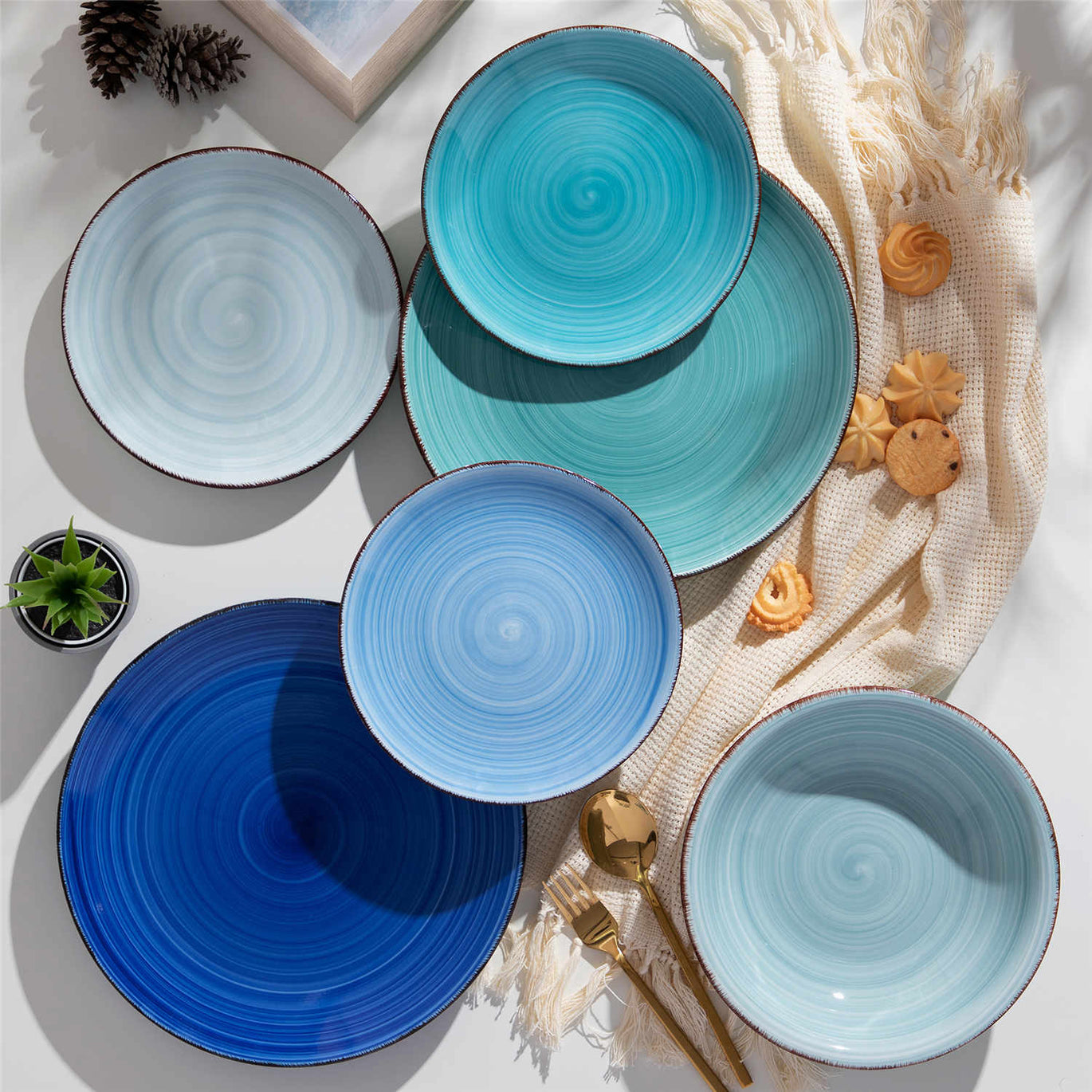


Understanding the Needs for Gender‑Neutral Ceramic Tableware

Ceramic tableware might seem like a quiet background player, but anyone who loves a good tablescape knows your plates and bowls are having a full conversation before the first bite. Color, curve, motif, even the weight of a mug in someone’s hand all send signals. Some feel traditionally “girly,” some read “masculine,” and some simply feel like home, no matter who is sitting down. Gender‑neutral ceramic tableware lives in that last category, and it is one of the most powerful ways to make your table feel welcoming, modern, and joyfully you.
In the world of colorful tabletops, gender‑neutral does not mean boring. It means thoughtful. It means investing in ceramics whose design, material, and color story can move from solo weeknight noodles to mixed‑company brunches and celebratory dinners without anyone feeling out of place. Drawing on what contemporary dinnerware makers and stylists emphasize today, let’s explore how to understand, choose, and style ceramic tableware that is both gender‑neutral and full of personality.
What Gender‑Neutral Tableware Really Means
Gender‑neutral ceramic tableware is not a single style, color, or aesthetic. It is a design approach. The goal is to create a visual and tactile experience that does not lean heavily on stereotypes about who is “supposed” to like what.
In practice, that usually looks like dishes that feel balanced rather than exaggerated. Instead of tiny, frilly florals that might read hyper‑romantic or aggressively angular, industrial pieces that scream bachelor loft, gender‑neutral pieces sit comfortably in the middle. Proportions feel solid without being bulky. Details are present but not fussy. Colors feel grounded, whether they are soft neutrals or saturated tones.
Importantly, gender‑neutral does not mean colorless. Brands and stylists working with ceramics for 2025 talk a lot about personality, texture, and elegance. Collections include stoneware with speckled matte glazes, porcelain with glossy finishes, and dramatic black stoneware sets designed to spotlight food. Those same ideas translate beautifully to a gender‑neutral table when you focus on how the whole setting feels to your guests rather than whether a plate reads “masculine” or “feminine” in isolation.

Why Gender‑Neutral Matters Around the Table
A gender‑neutral tabletop is about hospitality as much as design. When your tableware avoids heavy gender coding, several things get easier.
First, everyone can relax. Guests are not trying to decode whether the pink floral salad plate is “meant” for one person at the table or whether the dark, aggressively geometric charger is supposed to send a particular message. The plates quietly say this is for all of us.
Second, you gain flexibility. Contemporary collections are designed to move between everyday and elevated use. Style guides from brands like Kim Seybert highlight mixing high‑end pieces and approachable “affordable luxury” elements to create tables that flex from casual to celebratory. When your dishes are gender‑neutral, you can change mood with linens, flowers, or candles without having to own separate “his” and “hers” sets.
Third, you get longevity. Dinnerware makers with long experience in the industry, including companies that have been producing ceramics for more than two decades, emphasize that premium materials and classic designs can become heirloom pieces. Gender‑neutral aesthetics tend to age well because they are rooted in balance rather than trend‑driven stereotypes.
And finally, gender‑neutral tableware recognizes how people actually live. Many homes today see friends, partners, and family whose styles and identities do not fit cleanly into old binaries. A thoughtfully neutral plate welcomes all of them while still being a canvas for joyfully colorful food and decor.

How Ceramic Materials Support Gender‑Neutral Design
Ceramic is a broad category that includes stoneware, porcelain, and other clays fired at different temperatures. Dinnerware guides and brand blogs agree on a few key things: ceramic is a popular choice because it is versatile, durable, and available in almost any style. Those same qualities make it ideal for gender‑neutral tableware.
Several manufacturers highlight high‑fired stoneware and porcelain as especially good options. High‑fired clay and quality glazes create pieces that resist chipping, cracking, and staining and that do not absorb odors. One American maker, HF Coors, describes vitrified ceramic bodies that are lead‑free, non‑porous, and safe in broilers, ovens, microwaves, dishwashers, and freezers. That kind of robust performance means your gender‑neutral set can live through busy weekday breakfasts and holiday feasts without you having to baby it.
Style‑focused brands describe stoneware as slightly heavier, often matte or speckled, with a rustic or modern farmhouse feel that still works beautifully for “practical luxury.” Porcelain is typically smoother, glossier, and a bit lighter, sliding easily between casual meals and formal dinners thanks to its refined look and resistance to moisture.
For gender‑neutral tables, what matters most is how the material feels and performs in real life. You want weight that feels reassuring but not fatiguing, glazes that are comfortable to touch, and surfaces that stay beautiful with everyday use. Buying guides from places like Serious Eats and other dinnerware resources repeatedly recommend verifying that pieces are microwave‑ and dishwasher‑safe and that both clay and glaze are free of lead and other heavy metals. Those checks are part of respecting everyone at your table, regardless of gender.
Quick Comparison of Ceramic Options
Here is a simplified way to think about some of the main ceramic choices when you are aiming for gender‑neutral aesthetics.
Material type |
Aesthetic and feel |
Strengths for gender‑neutral sets |
Things to watch |
Stoneware |
Often matte, slightly textured, pleasantly weighty |
Feels grounded and casual‑elegant, works with rustic and modern styles without skewing to extremes |
Heavier pieces may feel bulky to some; check that shapes are not overly chunky |
Porcelain |
Smooth, glossy, lighter in hand |
Refined but not fussy, easy to dress up or down with linens and glassware |
High gloss and delicate patterns can look formal; balance with simpler shapes or neutral colors |
Vitrified everyday ceramic |
Restaurant‑grade durability with simple, functional shapes |
Highly practical, chip‑resistant, safe for oven, freezer, and dishwasher, ideal for all guests |
Very plain pieces can read utilitarian; play with linens, centerpieces, or accent plates |
Other ceramics, such as earthenware and bone china, also appear in dinnerware buying guides, each with its own balance of weight, durability, and elegance. When your goal is gender‑neutral design, the same principles apply: aim for materials whose look and feel feel inviting to a wide range of guests and whose performance makes everyday life easier.

Color Palettes Without Gender Stereotypes
Color is often where tableware picks sides without meaning to. Traditional marketing leans heavily on soft pastels and tiny florals for “feminine” lines, deep navy and metallic trim for “masculine” sets. A gender‑neutral approach deliberately sidesteps that tug‑of‑war.
Marketplaces and retailers that curate “neutral dinnerware” typically showcase whites, creams, beiges, warm grays, and soft earth tones. These hues are popular because they coordinate easily with different linens and decor and work across casual and formal meals. Minimalist brands such as MUJI build entire everyday porcelain lines around this idea, offering coordinated colors and sizes designed for visually stunning yet unfussy meals.
Neutrals are powerful, but they are not the only path. Color‑loving brands show how rich tones can feel universal rather than gendered when they are grounded by good design. Mediterranean‑inspired studios like Casa Cubista use bold brushstrokes in lively hues; modern makers like Stone + Lain offer black stoneware sets with crisp edges and clean lines. French‑inspired collections from Le Creuset add Caribbean blues and cherry reds that pop without feeling aimed at one gender.
The key is context. A black stoneware plate with interesting angles feels like a confident canvas when paired with linen napkins and simple flatware, not a “masculine” statement piece. A saturated teal salad plate layered over a warm off‑white dinner plate can feel playful and modern rather than coded “feminine” if the rest of the table stays balanced and uncluttered.
If you are worried about color commitments, think in terms of a base and accents. A core set in white, cream, or soft gray gives you a gender‑neutral foundation. Accent pieces in a signature color can then express your personality. Styling experts like Kim Seybert talk about establishing a dominant color palette and then mixing patterns under that umbrella so everything feels intentional. That same approach lets you weave bolder hues into a table that still reads open and inclusive.
Shapes, Proportions, and Patterns that Welcome Everyone
Shape has surprisingly strong emotional cues. The current dinnerware landscape is full of dynamic forms: angular pieces, organic silhouettes, wavy rims, cut‑out details, and sculpted edges are all trending. Heritage‑inspired patterns like Delft blue, chinoiserie, and French country motifs are being reinterpreted with modern shapes and colors.
For gender‑neutral purposes, think about balance. Sharp angles everywhere can feel aggressive; endless scallops and frills can feel overly sweet. When you mix the two, something magical happens. A softly squared stoneware plate topped with a perfectly round bowl, or a crisp‑edged black dinner plate paired with a gently curved mug, creates a table that feels considered rather than cliché.
Patterns deserve the same treatment. Old‑world brands like Astier de Villatte and Richard Ginori are known for handcrafted and opulent designs, including neoclassical motifs and gold accents. These pieces can absolutely live in a gender‑neutral tablescape when tempered with solid companions. Pair a richly patterned salad plate with a plain dinner plate and simple bowl so the overall impression is “artful” instead of “ornate and feminine” or “formal and masculine.”
Reactive glazes, which create one‑of‑a‑kind color effects on each piece, are another trend that pairs beautifully with gender neutrality. They add depth and interest without necessarily leaning on floral or geometric symbolism. A reactive glazed stoneware bowl can feel like a miniature landscape that everyone at the table can appreciate, regardless of gender.

Practical Criteria for Choosing Gender‑Neutral Ceramic Sets
A joyful, inclusive table has to function as well as it photographs. When you are shopping, there are a few practical questions that matter just as much as color and pattern.
Start with what you actually serve. Guides from 28ceramics and other manufacturers highlight the importance of shape and size. Larger dinner plates are ideal for main courses, while smaller plates handle appetizers and desserts. Deep bowls work for soups and salads, shallow bowls for pastas and grain dishes. A gender‑neutral set is one that fits your real menu, not just the styled photos.
Next, think about how many people you feed most often. Manufacturers commonly sell sets that serve four, six, or eight people. A service for four might include dinner plates, salad plates, bowls, and mugs, giving you a sixteen‑piece set. Larger households or frequent hosts may prefer sets for six or eight. 28ceramics emphasizes choosing configurations that match both everyday meals and the gatherings you dream of hosting.
Then, assess durability honestly. HF Coors positions its vitrified ceramic as exceptionally chip‑resistant and backs it with a two‑year guarantee under normal use. That kind of reassurance matters if your plates will see kids, roommates, guests, and plenty of dishwashing cycles. Brands like MUJI highlight microwave‑safe and dishwasher‑safe performance in their everyday porcelain collection, recognizing that easy care is non‑negotiable for most homes.
Finally, consider replacement and mixability. Buying guides from Serious Eats and similar sources often recommend checking whether a pattern is available as open stock, so you can replace a single broken bowl instead of an entire set. Gender‑neutral colors and forms make this easier. A simple white stoneware dinner plate or a black cereal bowl with clean lines can be swapped across brands if you lose a piece, and the table will still look cohesive.

Mixing and Matching: Building a Gender‑Neutral Collection over Time
You do not have to buy a perfect, complete set in one shot. Some of the most interesting gender‑neutral tables grow piece by piece, guided by a few clear rules rather than a single boxed collection.
Styling experts at Kim Seybert talk about setting a color story first. Decide whether your base will be warm (creams, sand, terracotta) or cool (white, gray, deep blues). Once that is in place, you can layer patterns and textures without the table feeling chaotic. A stoneware dinner plate with a matte sand glaze, a porcelain salad plate with a subtle pattern in the same family, and a glossy soup bowl in a slightly darker tone can all live happily together.
Texture mixing is another powerful tool. Kim Seybert’s mixing guide suggests pairing matte stoneware with glossy porcelain, then adding crystal glassware or metallic flatware for sparkle. On a gender‑neutral table, this might look like a matte black stoneware dinner plate, a white porcelain bowl with a smooth, almost luminous glaze, and clear crystal water glasses. The combination feels rich and intentional while staying open to all guests.
Do not forget about vintage and contemporary dialogue. Many stylists love merging modern lines with inherited or thrifted pieces. A sleek white porcelain plate from a contemporary line can host a vintage blue‑and‑white bread plate inspired by historic Delft designs. Because the base is simple, the heritage pattern reads as a charming story rather than as a gendered statement.
The more you lean into mix‑and‑match, the more resilient your collection becomes. You can add a black Stone + Lain Jules bowl to a table that already includes MUJI’s everyday porcelain plates and a hand‑painted Casa Cubista platter, and as long as the color story and scale are harmonious, the table will feel cohesive and inclusive.

Styling Gender‑Neutral Tables for Real Life
Once you have the right ceramics, styling is where your Colorful Tabletop Creative energy really gets to play. And again, gender‑neutral does not mean visually quiet unless you want it to.
For everyday meals, start with functional choices. MUJI’s ergonomic porcelain plates and bowls, for example, are designed to be comfortable to hold and use, and they are microwave‑ and dishwasher‑safe. Pair them with unfussy cotton napkins and a simple glass or stainless‑steel tumbler. The food becomes the main color and drama, and the tableware quietly supports everyone’s comfort.
When you are hosting, small upgrades can take a neutral base into festive territory without tipping into gender stereotypes. Kim Seybert’s collections show how embroidered napkins, beaded placemats, and gold‑rimmed glassware can add a sense of occasion around relatively simple ceramic plates. Candlelight, fresh greenery, and seasonal colors in flowers or runners can push the mood toward cozy autumn dinner or bright spring brunch while the dishes themselves stay adaptable.
Do not overlook decor that reuses your dinnerware beyond mealtimes. HF Coors encourages using bowls as planters, plates as wall art, and mugs as candle holders. This multi‑purpose mindset reinforces the idea that your ceramics are part of your everyday visual landscape, not a gendered prop you pull out only for certain guests.

FAQ: Common Questions About Gender‑Neutral Ceramic Tableware
Is gender‑neutral tableware just beige and white?
Absolutely not. Neutral does not have to mean colorless. The point is avoiding strong gender stereotypes, not avoiding joy. A base of white, cream, or gray is practical because it mixes easily with everything, but you can layer in Caribbean blues, rich greens, cherry reds, or inky blacks without losing the gender‑neutral feel. Pay attention to the whole table. If shapes are balanced and patterns are not leaning into highly romantic or aggressively macho imagery, bold color can be a joyful part of an inclusive table.
Can I still use floral or heritage patterns?
Yes, in moderation and with intention. Many heritage‑inspired designs, from Delft blue to chinoiserie, live in current dinnerware collections. If you love a floral or ornate pattern, keep it to accent pieces like salad plates or dessert dishes and pair them with simple, solid companions. That way, the overall composition feels collected and artful rather than themed toward one gender. Think of patterned pieces as the jewelry, not the entire outfit.
How do I know if a set will feel comfortable for everyone?
Look for three things: comfort in the hand, clarity in function, and reliability in care. Comfort means the plate weight feels manageable, rims are easy to grip, and mugs feel good to hold. Function means you have the shapes you need, like a bowl deep enough for soup and a plate wide enough for your usual meals. Reliability means the set is safe in the microwave and dishwasher, made from lead‑free materials, and sturdy enough for daily use. When those fundamentals are solid, most people will focus on the meal and the company, not on whether the dishes match a particular gender expectation.

Closing Sip of Wisdom
Gender‑neutral ceramic tableware is not about erasing personality; it is about curating a canvas where every person at your table feels seen, relaxed, and ready to enjoy the color and flavor you serve. Choose materials that work hard, colors and shapes that feel balanced, and patterns that tell stories without boxing anyone in. When your plates, bowls, and mugs stop whispering “this is for her” or “this is for him” and start singing “this is for us,” every meal becomes a little more joyful.
References
- https://www.28ceramics.com/a-dining-in-style-the-best-ceramic-dinnerware-sets-for-every-occasion.html
- https://www.seriouseats.com/best-dinnerware-sets-7376024
- https://www.surlatable.com/o?c=neutral-dinnerware-sets&srsltid=AfmBOoqKLMkeyhc6OVxraxEi13ilSd9aLt6GYUPpEHh6X29uKxqQQIHr
- https://absolutelymagazines.com/the-best-ceramics-of-2025/
- https://www.anthropologie.com/anthrohome/collection-kitchen-dinner-plates
- https://www.architecturaldigest.com/story/best-dinnerware-brands
- https://www.bonappetit.com/story/best-dinnerware-sets?srsltid=AfmBOooQFIQ-O-OBuNA2qI9dnWkXy23sIsU54A6qTFiyUqntEDlQkCdz
- https://ekaceramic.com/8-must-have-ceramic-dish-styles-for-modern-homes/
- https://www.etsy.com/market/neutral_dinnerware
- https://www.joyye.com/info-detail/consumer-preferences-in-ceramic-dinnerware-styles?requestId=
Potrebbe piacerti anche
Stern Set di stoviglie da 16 pezzi
- Da £58.00
£77.00- Da £58.00
- Prezzo unitario
- per
-
Blue
-
Green
-
Red
-
Grey
Bonita Set di stoviglie da 18 pezzi
- Da £49.00
£61.00- Da £49.00
- Prezzo unitario
- per
-
Blue
-
Multicolor
Simi Set di stoviglie 24 pezzi
- £77.00
£104.00- £77.00
- Prezzo unitario
- per
Set di stoviglie stellate da 16 pezzi
- £60.00
£70.00- £60.00
- Prezzo unitario
- per
-
Blue
-
Green
-
Red
-
Gradient Green