



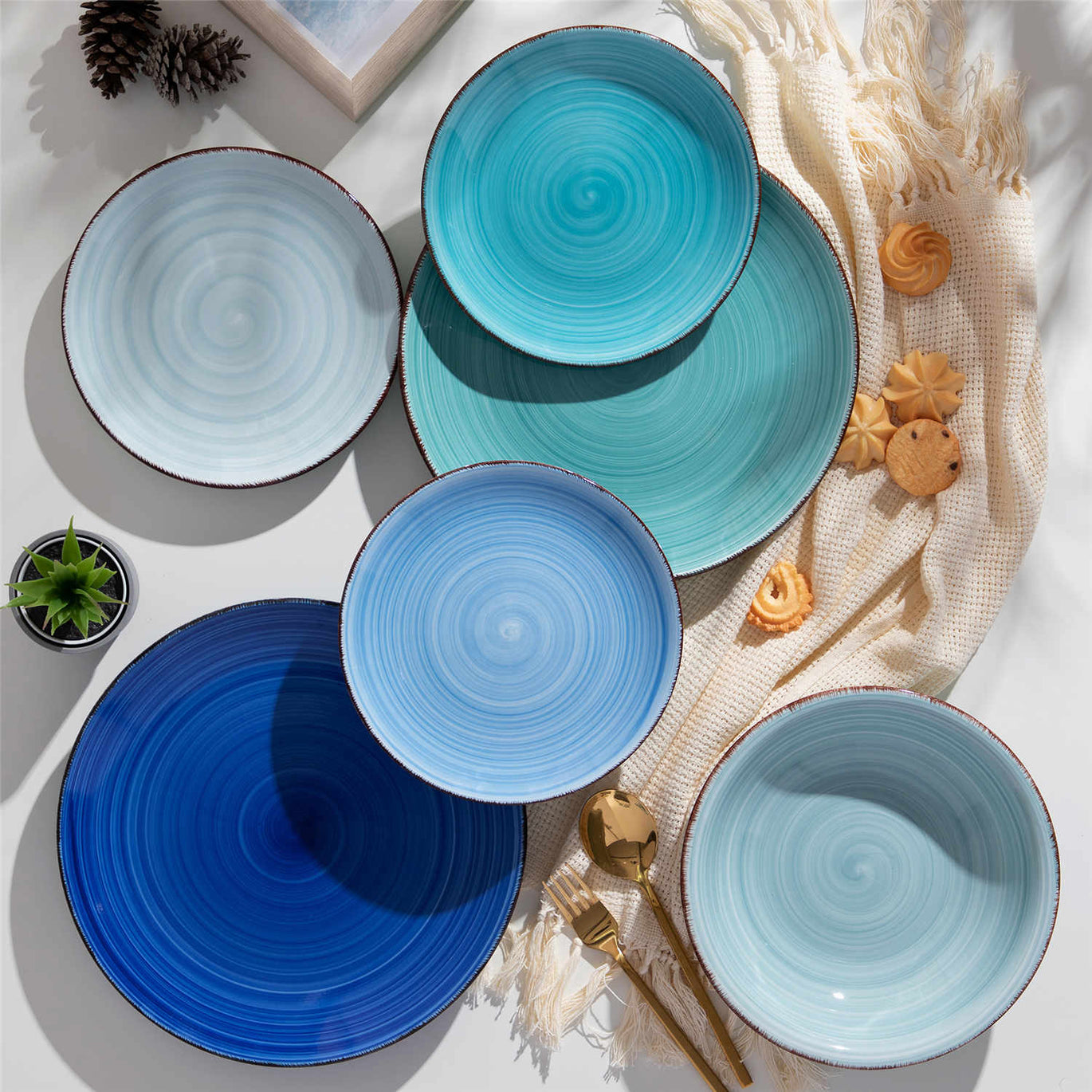


Crafting Handmade Ceramic Dinnerware for Off-Grid Living

Handmade ceramic dinnerware and off-grid living are kindred spirits. Both favor rhythm over rush, materials you can trust, and a dash of improvisation that turns chores into craft. When I make plates off the beaten path, I lean on simple tools, batch-friendly habits, and surface finishes that play well with real life. What follows is a practical, artful roadmap—rooted in studio-tested workflows and reputable guidance from Ceramic Arts Network, Just Fired Pottery, Polly Barton Ceramics, RON GROUP, WDF Dinnerware, HF Coors, Wirecutter, SIO‑2, Terrea Home, Smart DHgate, Karins Kottage, The Witty Gritty Life, and The Off Grid Cabin—so you can turn clay into everyday companions that brighten your table without plugging in more than you have to.
Why Handmade Ceramics Fit Off-Grid Living
Off-grid living rewards repeatable routines and smart materials. In plate-making, those same values reduce waste, curb rework, and keep beauty in daily rotation. Ceramic Arts Network documents a plate-making rhythm refined by Sean O’Connell—settling into predictable batches with one core form and varied rims and decoration—which shows how standardizing shapes while letting surfaces sing can scale joy without burnout. I treat clay days like weather, not clocks; humidity, airflow, and the feel of leather-hard clay matter more than timestamps. The payoff is honest, durable dinnerware with personality, made at a pace that respects your energy and setup.

Clay Bodies, Defined and Demystified
Say hello to the clay family, matched to how you live and dine. Stoneware is the sturdy friend that leans practical and style-forward; porcelain brings that refined, luminous vibe; earthenware likes color and warmth and needs mindful glazing; vitrified ceramic sits at the durability summit. HF Coors highlights vitrified ceramic as a best-all-around pick for strength, hygiene, and longevity, with non-porous surfaces that resist moisture and staining, and with microwave and dishwasher compatibility. If your table sees daily mileage, prioritizing a vitrified body pays off in chip resistance and easy care.
For outdoor meals, Terrea Home points to stoneware’s chip and scratch resilience, UV and moisture resistance, and earthy textures that thrive on patios and picnics. If you want something ultra-light for casual entertaining, Wirecutter found bamboo-fiber plates that handle drops and resist scratches, with clear heat and microwave caveats. Meanwhile, melamine is the nearly-unbreakable party companion that trades off microwave use and long-term finish for peace of mind with kids and rough ground, as noted in HF Coors’ durability overview.

Shape by Hand: Slab Plates Without a Wheel
Off-grid crafting shines when you skip power-hungry gear. Just Fired Pottery demonstrates low-equipment slab plate methods that a rolling pin, guides, and a sturdy work surface can handle. For a dinner plate, about 3 lb of clay works well, and rolling to roughly 1/8 in thickness balances elegance with strength. Rotate and flip your slab as you roll to keep stress even, and pop any sneaky bubbles with a needle tool. After rolling, compression with a rib or even an old card aligns particles, reduces stress, and helps fight warping; it also smooths away the canvas texture.
When you form the rim, wait until the slab firms up a bit. Gently curl the edges to lift a plate profile, and if the rim slumps, tuck non-absorbent foam hair rollers beneath as supports. That little hack keeps liquid content out of your clay and helps edges hold. If you want a foot ring, save offcuts and attach them later once the slab reaches soft leather hard. Simplicity is your friend here: keep circles or clean geometric forms to reduce drying distortion and make clean rim finishing easier.

Leather Hard to Bone Dry: The Drying Dance
Drying is where patience becomes a technique. Soft leather hard means the clay holds shape but still flexes slightly—perfect for trimming, refining, and attaching a foot ring. SIO‑2 recommends using a damp (not dripping) sponge to polish and unify edges and surfaces, removing folds, grooves, and roughness before the clay stiffens. Slow, even drying is the secret to flat plates. Just Fired Pottery suggests placing a plastic-covered rice or sand bag on the plate center as it dries, shielding from direct sun, and easing airflow under loose plastic so edges and centers dry in harmony. When the piece reaches bone dry—completely moisture-free—then you can bisque fire without fear of steam trouble.

Decorating and Surface: Build Character With Control
There are many moods of surface, each with its own practical upside. Ceramic Arts Network defines terra sigillata as an ultra-refined clay slip that creates a smooth, often lustrous skin on earthenware; brushing it on exteriors can give plates a satiny glow that feels luxurious in the hand. For decoration planning, I riff on the batching wisdom documented by Ceramic Arts Network: map motifs for each batch up front, sign in underglaze while the surface welcomes it, and keep variability in rims and decoration, not in core form dimensions.
RON GROUP lays out three color stages that translate beautifully to studio practice. Underglaze sits beneath a clear glaze and endures higher firing for a soft, durable effect. Overglaze rides on top of a glaze layer and sets at lower temperatures; it pops with brightness but appreciates gentle handling. Inglaze nestles color into the glaze itself at higher fire, combining durability with vivid tone. Choose the path that suits your clay and your dinnerware’s daily demands. If your life includes constant stacking and scrubbing, durable underglaze or inglaze finishes tend to earn their keep.

Firing Without Fuss: Temperatures and Timing
Firing is transformation—clay into ceramic, decoration into glassy skin. Polly Barton Ceramics pegs bisque firing commonly around 1,800–1,900°F, which lines up with the broader manufacturing ranges that WDF and RON GROUP describe for lower first firings. That bisque window hardens the ware while keeping it porous enough to accept glaze cleanly. Glaze firing spans a wide range depending on clay body and glaze formula; Polly Barton Ceramics cites final firings up to about 2,350°F, and RON GROUP notes high-fire cycles that reach roughly the mid‑2,500s°F for certain porcelains. The key is alignment: match clay and glaze so they mature together.
If you don’t have a kiln on site, Just Fired Pottery recommends seeking local firing services. That approach fits off-grid realities beautifully—you spend your energy shaping, drying, and decorating, then batch-bisque and glaze-fire at a community studio or regional kiln. I load glaze-firing batches with space between pieces so nothing fuses; it’s a small habit that saves heartache when you’re counting on every plate. After firing, cool completely, inspect for cracks and glaze flaws, and reserve refiring for minor issues; major defects often signal a rework or a redesign, as Polly Barton Ceramics notes.
Rhythm, Batching, and Endurance
Ceramic Arts Network’s case study of high-volume plate-making reads like a masterclass in sustainable pacing. One core plate form. Variation only at the rim and on the surface. A weekly cadence that accounts for weather and humidity. Decoration that takes as long as it takes to look alive. After finishing a run, rest, then repeat. Off-grid or not, that rhythm saves your wrists, keeps quality consistent, and lets joy—not panic—lead the way. I batch similar tasks and keep a decoration plan taped near my workboard; when the wind picks up or humidity swings, I adjust, not grind.
Material Choices for Off-Grid Table Life
A material choice is a lifestyle choice: what gets cooked, carried, stacked, and scrubbed at your place. Here’s a concise view grounded in the sources above.
Material |
What It Is |
Heat/Microwave |
Durability |
Pros |
Cons |
Best Off-Grid Use |
Source(s) |
Vitrified ceramic |
Ceramic fired to a non-porous, glass-like state |
Generally microwave- and dishwasher-safe when lead-free |
Excellent chip, crack, stain resistance |
Hygienic, long-lived, everyday-to-formal |
Heavier than plastics |
Daily plates you’ll use for years |
HF Coors |
Stoneware |
Dense, mid/high-fired ceramic |
Often microwave/dishwasher-safe per maker |
Robust, thicker walls |
Earthy textures, strong for outdoor |
Heavier; may show surface wear over time |
Patios, picnics, rustic tables |
Terrea Home; Smart DHgate |
Porcelain |
High-fired, fine, non-porous ceramic |
Microwave/dishwasher depends on design |
Strong but can chip if mishandled |
Elegant, light, refined |
Pricier; needs mindful care |
Special meals with routine use |
Smart DHgate |
Bone china |
Porcelain with bone ash |
Usually microwave-safe unless metallic trim |
Light yet chip-resistant |
Translucent beauty, surprisingly sturdy |
Higher cost; careful handling |
Celebrations and gentle service |
HF Coors overview |
Melamine |
Hard plastic |
Not microwave-safe; finish shows wear |
Nearly unbreakable |
Light, kid-friendly, budget |
Not for high heat; aesthetic tradeoffs |
Campsites, casual outdoor meals |
HF Coors; Smart DHgate |
Bamboo-fiber composite |
Bamboo with melamine/cornstarch |
Not microwave-safe; hot food up to about 158°F; dishwasher up to about 140°F |
Passed drop/scratch tests in reviews |
Colorful, light, fun |
Clear heat limits |
Low-power entertaining, picnics |
Wirecutter |
Palm leaf |
Heat-pressed fallen leaves |
Not for microwaves; single-use |
Handles wet/hot foods |
Compostable, natural grain |
One-and-done |
Zero-waste gatherings |
Sweet Flavor FL |
Care That Loves Your Time and Water
Care routines earn a place at the off-grid table too. Smart DHgate’s durability guidance is clear: glaze quality is king; smooth, uniform, craze-free finishes resist stains and last longer. Chip resistance improves with denser bodies, well-finished edges, and slightly rounded rims. On cleaning, gentle cycles and spacing in the dishwasher reduce collisions; soft sponges keep glazes bright; hot-to-cold shock is the enemy, so let a just-heated plate breathe before rinsing. If you store stacks in a moving cabin, felt or fabric liners between plates can prevent micro-scratches and quiet the ride.
For bamboo-fiber composite, Wirecutter notes a dishwasher limit around 140°F and safe hot food up to about 158°F. Keep these in mind near grills or campfires. For melamine, assume no microwaves and expect cosmetic wear over time. HF Coors points out that vitrified ceramic stands up strongly to everyday washing and resists moisture absorption, which translates to easy, hygienic routines.

Off-Grid-Friendly Decoration and Style
When you want pattern play without a glaze lab, The Witty Gritty Life shares a playful route: oil-based paint pens baked on at 350°F for about 30 minutes and cooled in the closed oven for a couple of hours. Keep designs off food-contact surfaces, and handwash only—dishwashers will wear them down. It’s a charming way to personalize rims, handles, and exteriors for gifting or seasonal refreshes while you plan longer-term glaze work.
For tablescapes that feel abundant yet breezy, Karins Kottage recommends keeping centerpieces low so conversation flows, choosing unscented candles so aromas don’t compete with food, and mixing vintage with modern ceramics for character. I love using matte stoneware as a canvas, then layering in one or two statement pieces with a coastal or botanical motif. Leave a little runway for serveware; the most beautiful plate needs room to land.

Glaze, Underglaze, and Inglaze: Choosing Your Path
Surface decisions are durability decisions. RON GROUP’s distinctions are practical. Underglaze sits under a clear coat and takes high fire well, offering a soft, durable look. Overglaze rides on top and sets at lower heat for bright detail that appreciates gentle handling. Inglaze bonds color into the glaze at high fire and balances durability with vibrancy. If your plates will shuttle between outdoor dinners and quick cleanups, underglaze or inglaze tends to minimize maintenance. For heirloom accents, overglaze’s luminance can be worth the extra care.
WDF Dinnerware’s process lens helps too: the decisive event is that second firing, where glaze maturity, vitrification, and final finish come together. That’s why I always check clay–glaze compatibility before committing a batch; the right pair delivers strength and a surface that stays lovely through seasons of use.
A Hand-Thrown Alternative (and When to Batch)
If you have wheel access, you can still stay energy-savvy by batching. Ceramic Arts Network’s guidance on standardizing one core form and varying rims and decoration shines in a wheel context too. Throw to consistent diameters, trim feet the next day, and schedule decoration once pieces hit that magic leather-hard. Document your decoration plan so you don’t lose time deciding patterns midstream. A day of recovery after finishing a set is not indulgence—it’s strategy for quality and endurance.

When You Don’t Own a Kiln
Just Fired Pottery suggests finding local firing services, which folds nicely into off-grid realities. You can form, refine, and decorate at home, then fire in batches at a studio or community center. This hybrid keeps your power draw low and your learning curve steep enough to stay engaged, not overwhelmed. If you ever plan to glaze at a shared kiln, ask about approved glaze lines and target temperatures so your work fits their schedule and safety protocols.
Troubleshooting the Usual Suspects
Warping, cracking, and slumping are not character traits you want. Just Fired Pottery’s anti-warping tactics—center weight with a plastic-covered rice or sand bag, slow shade drying, and a move to a grid for even airflow—help plates stay flat. Compression after rolling also lowers stress. If rims slump, foam hair rollers are delightfully effective supports that won’t wick away moisture and distort the clay.
Surface imperfections start early. SIO‑2’s tip to lightly polish with a damp sponge as soon as your piece can be handled without deforming smooths seams, blends transitions, and gives glaze a kinder base. And if you’re on a tight decoration schedule, borrow a page from Ceramic Arts Network and map the batch plan before brushes come out; it’s amazing how much that saves in rework.
How Hot Is Hot Enough? A Plain-English Firing Snapshot
Polly Barton Ceramics places bisque in the ballpark of 1,800–1,900°F, which provides a sturdy, porous body for glazing. Final glaze firing varies by body and glaze: earthenware glazes mature lower, while stoneware and porcelain climb higher. RON GROUP describes high-fire windows that can stretch into the mid‑2,500s°F for porcelain and bone china. In other words, your range is broad, and the right answer depends on the pairing you choose. The rule of thumb is simple: follow the clay–glaze system’s specs, be consistent, and don’t rush cooling.
Buying Smart for Off-Grid Kitchens
Smart DHgate proposes a simple reality check before you buy or make: non-porous, vitrified bodies win for durability and hygiene. Inspect glaze surfaces for evenness and a lack of micro-cracks; look for slightly thicker, rounded rims for better chip resistance; choose designs that feel balanced in the hand. Neutral matte finishes and speckles hide wear gracefully, and stackable profiles save precious cabinet real estate. HF Coors emphasizes that vitrified ceramic combines strength with daily convenience, and I’ve found that to be true when I want beauty I can treat like a workhorse. For outdoor sets, Terrea Home’s stoneware advice holds up—earthy finishes resist sun and humidity while looking evergreen.
If your gatherings are casual and power-light, Wirecutter’s tested bamboo-fiber plates are an easygoing companion provided you respect their limits on heat and microwaves. And when little hands are involved, melamine keeps stress low, with the known trade-off that it’s not a microwave friend and it can show cosmetic wear with time.

Alternative Plates When Clay Must Wait
There are seasons when your kiln queue is long or your clay shelves are empty. Palm leaf plates, as Sweet Flavor FL explains, are made from fallen leaves, formed with heat and pressure into surprisingly durable single-use pieces that handle wet and hot foods without coatings or dyes. They compost, they stack, and they look stunning with rustic table settings. They’re not a replacement for heirloom ceramics, but they’re a thoughtful stand‑in when you want beauty without infrastructure.
Safety and Setup in a Minimal Shop
The Off Grid Cabin’s tool ethos—versatile, durable, safety-first—belongs in your ceramics corner, too. Keep sturdy work gloves for hauling ware boards and kiln shelves, and scratch-resistant safety glasses within reach when trimming or handling dry shards. An LED headlamp is surprisingly helpful when you need both hands in a dim workspace, and leaving space around your drying grid reduces trip hazards on small footprints. Basic as it sounds, these details keep momentum playful rather than precarious.
A Note on Style: Make the Table Spark
Karins Kottage’s tablescape advice dovetails perfectly with handmade dinnerware. Choose a cohesive palette—say, stony neutrals with a single seasonal accent—so your plates can either whisper or solo. Keep centerpieces low for clear sightlines, add candles that won’t compete with your food’s aroma, and mix your own pieces with thrifted or inherited finds for history at every seat. Leave space for platters and pitchers; a functional table is the most generous stage your plates can have.
FAQ
How do I make functional plates without a wheel or kiln on site? Hand-build slab plates using a rolling pin, guides, and simple supports as Just Fired Pottery demonstrates, then use a local firing service to bisque and glaze-fire your batch. Keep slabs around 1/8 in thick, compress after rolling, dry slowly with a center weight, and refine edges at soft leather hard.
What decorating approaches balance beauty and durability for daily use? Underglaze beneath a compatible clear glaze is a strong everyday choice, and inglaze combines brightness with resilience, as RON GROUP outlines. Overglaze shines for bright accents but prefers gentle handling. If you want a low-tech option, oil‑based paint-pen designs baked at 350°F can personalize rims and exteriors, but keep them off food-contact areas and plan to handwash, per The Witty Gritty Life.
What temperatures should I expect for bisque and glaze firing? Polly Barton Ceramics places bisque commonly around 1,800–1,900°F. Final glaze firing depends on clay and glaze: earthenware matures lower, while stoneware and porcelain can rise from the high 1,800s up toward the mid‑2,500s°F, consistent with ranges described by RON GROUP.
Which material is the best balance for durability, care, and style? HF Coors identifies vitrified ceramic as a best overall pick for chip, crack, and stain resistance with non-porous hygiene, microwave suitability, and dishwasher ease. For patio life, Terrea Home finds stoneware reliably tough and weather-friendly. If you need ultra-light, Wirecutter’s bamboo-fiber picks are resilient with clear heat and microwave limits.
Is melamine a good idea for my off-grid kitchen? It’s nearly unbreakable and light, which makes it useful for casual settings, but HF Coors and Smart DHgate note it is not microwave-safe and can show wear over time. Pair melamine with a core set of vitrified stoneware or porcelain for the meals that matter most.
Closing
Color makes meals memorable, and craft turns quiet days into keepsakes. Build your plates with simple tools, dry with patience, fire with intention, and choose surfaces that can dance through everyday life. Then set the table like you mean it—playful, practical, and joyfully you.
References
- https://ceramicartsnetwork.org/daily/article/Rhythm-and-Repetition-A-Step-By-Step-Guide-to-Making-Multiples
- https://www.wikihow.com/Make-Plates
- https://www.carawayhome.com/blog/ceramic-plates-ideas
- https://smart.dhgate.com/how-to-select-a-long-lasting-ceramic-dinnerware-set-expert-tips-for-durability-and-style/
- https://homesteading.com/homesteading-beginners-homestead-quick-start-guide/
- https://justfiredpottery.com/slab-plates-3-easy-ways-to-make-ceramic-slab-plates/
- https://makeitagarden.com/make-your-best-garden-art-flowers-with-ceramic-plates/
- https://practicalselfreliance.com/books-for-self-reliant-living/
- https://www.rongroupglobal.com/product-insights-user-guides/blog-ceramic-plate-crafting-process.html
- https://www.sweetflavorfl.com/blog/how-palm-leaf-plates-and-bowls-are-crafted-a-simple-step-by-step-guide-n28?srsltid=AfmBOops-tFZbJly1WH4MCI4nn54L7NY4-Zv0pyjT0JXngZ23Wg7M9wv
Potrebbe piacerti anche
Stern Set di stoviglie da 16 pezzi
- Da £58.00
£77.00- Da £58.00
- Prezzo unitario
- per
-
Blue
-
Green
-
Red
-
Grey
Simi Set di stoviglie 24 pezzi
- £77.00
£104.00- £77.00
- Prezzo unitario
- per
Bonita Set di stoviglie da 18 pezzi
- Da £49.00
£61.00- Da £49.00
- Prezzo unitario
- per
-
Blue
-
Multicolor
Set di stoviglie stellate da 16 pezzi
- £60.00
£70.00- £60.00
- Prezzo unitario
- per
-
Blue
-
Green
-
Red
-
Gradient Green