



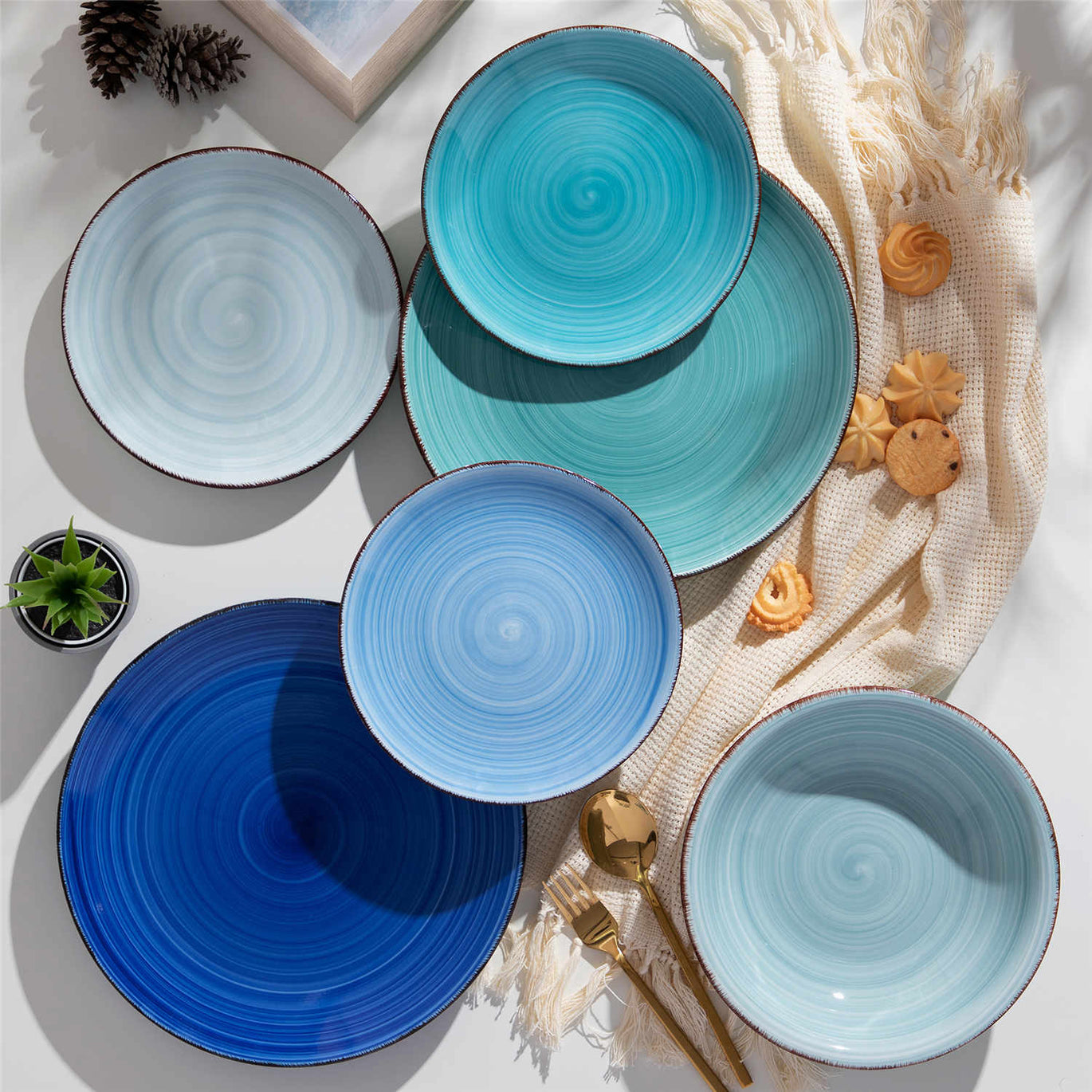


Impact of Single Households on Small Ceramic Tableware Demand

A New Household Norm: Living and Dining Solo
Walk into any compact city apartment and peek into the kitchen cabinets: instead of towering stacks of twelve-piece place settings, you are more likely to find a carefully edited mix of favorite bowls, a couple of plates that “spark joy,” and a mug that feels like a handshake every morning. That is the tabletop signature of a social shift the data backs up clearly.
Recent United Nations data cited in lifestyle and cookware research show that roughly 35% of households in Europe, Japan, and South Korea are now single-person. In Türkiye, national statistics report more than five million people living alone in 2023, especially young professionals and students. A major housewares report links the global rise of single and dual‑income households to growing demand for home products, including tableware, that are both functional and expressive.
From my vantage point as a colorful tabletop stylist, this shift is no abstraction. Over the last decade of styling dining tables for photo shoots, brand launches, and real-life clients, I have watched large “family packs” of dishes give way to tighter, more personal sets intended for one or two people. The shopping lists have changed too: small bowls instead of serving tureens, petite plates rather than oversized dinner chargers, and endlessly versatile ceramic pieces that work from breakfast granola to late‑night pasta.
This demographic wave is colliding with a robust tableware industry. One global tableware analysis estimates the market at about $114.9 billion in 2023, projected to reach $192.4 billion by 2032 at around 5.9% compound annual growth. Another study on kitchen tableware puts the category at $37.1 billion in 2022, growing to $55.1 billion by 2031. In the United States, the tableware market is valued at $9.23 billion in 2024, while the ceramic tableware segment alone accounts for $5.81 billion in 2023 and is forecast to almost double by 2033. Within broader housewares, tableware is singled out as one of the fastest‑growing product groups.
Demographics, lifestyle, and market figures are all pointing in the same direction: more people are living alone, eating differently, and investing in smaller, more intentional ceramic pieces. Let us unpack how this single-household revolution is reshaping demand for small ceramic tableware in both subtle and dramatic ways.
Single Life, New Eating Habits
Freedom on the Plate, Not Just in the Calendar
The culture of living alone, especially in urban centers, has started to shed its old narrative of loneliness. A cast-iron cookware brand’s article on solo living describes eating alone as an expression of freedom, self‑sufficiency, and self‑care. Quick meals for one are not a last resort; they are often a conscious choice, a way to honor personal taste and schedule.
In practice, this means more fluid, less formal meals. A solo diner might eat a snack-style dinner of three little dishes instead of one big plated entrée, or turn a late-morning brunch into their main meal of the day. The structure of “starter, main, dessert” becomes less important than mood and energy that day.
Those looser eating patterns favor smaller pieces. Side plates become everyday plates. Deep cereal bowls graduate into all‑purpose mini mixing and serving bowls. A single, beautiful mug might play the starring role at breakfast, afternoon tea, and an evening herbal infusion. Small ceramics naturally support this freestyle approach because they let solo eaters build meals like a painter building a palette: a bit of this, a touch of that, all in manageable portions.
Space and Storage: The Apartment Reality
A recurring theme across housewares and kitchenware studies is the rise of compact, space‑efficient products designed for small urban homes. Reports on kitchen tableware and housewares emphasize that urbanization and apartment living push consumers toward lightweight, stackable, multi‑functional pieces.
If you have ever tried to squeeze a twelve‑piece formal set into a galley kitchen cabinet with a low shelf, you know why singles are walking right past those giant boxes. Single-person households often share three constraints: limited storage, small dishwashers or even no dishwasher, and compact dining surfaces.
In my studio, when I lay out options for clients living alone in city apartments, the questions they ask are different from those in larger homes. Instead of asking whether a piece coordinates with a showy holiday tablescape, they ask how many bowls they can stack in an 8‑inch high shelf, whether a plate feels light enough to carry with a laptop in the other hand, and if one versatile dish can work for both oven‑to‑table and serving.
Small ceramic tableware fits those constraints beautifully. Slim-rimmed plates nest tightly. Coupe bowls stack without wobbling. Mini oven-safe bakers double as personal gratins or dessert dishes, removing the need for separate cookware and serveware. Manufacturers have picked up this signal; market research notes that brands are designing compact, space‑saving sets specifically for smaller households and fast‑paced lifestyles.
Emotional Comfort and Everyday Rituals
Living alone does not mean dining joylessly. If anything, single people often curate hyper-personal rituals that are easier to maintain when you are the only one at the table. A ceramic mug that fits your hand just so makes the first sip of coffee more grounding. A favorite handmade bowl turns a simple soup into a quiet ceremony.
Design-driven commentary and brand blogs show how minimalist or modern ceramics tap into this emotional need. Minimalist tableware articles describe clean lines, neutral tones, and tactile finishes that encourage mindfulness and appreciation of small daily moments. Handcrafted collections emphasize the feel of a smooth mug or the weight of a well-balanced plate as part of a sensory, almost meditative experience.
Add Gen Z’s influence and you get another layer. Research on Gen Z tableware preferences portrays tableware as part of personal branding and mental wellbeing. This generation treats plates and bowls as miniature stages for self-expression, whether the aesthetic is soft minimalism or joyful maximalism. Solo diners who photograph their meals for social media, even when eating alone, choose ceramics that make their food look and feel special. Small, distinctive pieces fit perfectly into that narrative, since they photograph well and invite creative plating for single portions.
Why Solo Living Points to Smaller Ceramic Pieces
To understand why small ceramic tableware is thriving in single-person households, it helps to borrow a framework from consumer behavior research. Studies on convenience foods, such as prepared dishes, often analyze products through three types of perceived value: functional, emotional, and convenience value. Apply that lens to ceramics and the picture becomes very clear.
Functional Value: Right-Sized, Versatile, Reliable
Functionally, single-person households value pieces that match how much they actually eat at once. Oversized dinner plates can visually shrink a modest portion, making the meal feel sparse. Smaller plates and bowls, on the other hand, frame a single serving as generous and complete while naturally supporting portion control.
Market research on kitchen tableware notes that consumers in smaller households actively seek multifunctional designs. In ceramic terms, this translates into bowls that can carry a hearty ramen one day and a salad the next, lidded dishes that serve as both fridge storage and ovenware, and mugs sturdy enough to handle everything from microwaved oatmeal to cappuccinos.
Ceramic materials like stoneware, porcelain, and bone china provide the performance needed here. A United States ceramic tableware report highlights easy cleaning, stain resistance, and suitability for hot and cold beverages as key selling points. Those properties matter even more when you have just a few pieces in heavy rotation: they must survive frequent use, multiple daily wash cycles, and occasional kitchen improvisation.
Emotional Value: Companions, Not Just Objects
Single-household ceramics work hard emotionally. You are not just choosing “a bowl”; you are choosing the vessel that will sit with you through solo movie nights, quick bites between Zoom meetings, and celebratory steaks after you wrap a big project.
Design narratives from minimalist and modern tableware brands stress how a limited palette of neutral or softly colored pieces can create a calming backdrop, while small doses of color or speckled glazes add personality. Gen Z-focused research shows strong interest in tableware that supports storytelling, identity, and mood-setting. A tiny handmade espresso cup or a pastel dessert plate becomes a character in those stories.
For many of my single clients, small ceramics are intentionally mismatched but emotionally curated. They might own three completely different cereal bowls, each tied to a memory: a travel find, a gifted artisan piece, a simple white bowl that goes with everything. That mix-and-match micro-collection gives them variety without overwhelming their cabinets, and each piece feels like a tiny companion rather than anonymous inventory.
Convenience Value: Time, Energy, and Effort
Studies on prepared foods confirm that time pressure is a powerful driver of convenience purchases, especially for people with demanding jobs or long commutes. Single urban professionals often experience that time squeeze intensely, which spills directly into how they cook and which tableware they use.
Small ceramics fit this convenience story in several ways. They are faster to hand wash, lighter to handle, and easier to pull out and put away. A single baking dish sized for one portion means no leftovers languishing in the fridge and no extra storage containers to wash. A petite plate that fits perfectly in a compact microwave or toaster oven eliminates the need to transfer food between different pieces.
Online retail accelerates this convenience. Market studies highlight the rapid growth of tableware sales through e‑commerce, driven by the ability to compare designs, read reviews, and get delivery to the doorstep. Many single-person households, especially younger consumers, buy ceramics online in small batches—one or two pieces at a time rather than entire sets. This pattern further favors small, individually appealing items over massive boxed sets.

Market Signals: How Demand Is Moving
Cross‑reading various market studies reveals that this love affair between single households and small ceramics is not just a design hunch; it is visible in demand patterns.
A global housewares report estimates the broader housewares market at about $321.40 billion in 2022, heading toward $442.51 billion by 2030. Within that big umbrella, tableware is identified as the fastest‑growing product category, benefiting from renewed at‑home dining and the desire for more individualized pieces. Analysts explicitly connect this growth to rising single and dual‑income households and ongoing urbanization.
A dedicated kitchen tableware analysis describes consumers “increasingly seeking compact, space‑saving, and multifunctional tableware suited to smaller urban households and fast‑paced lifestyles,” with manufacturers responding by designing innovative, practical products tailored to these needs. Another global kitchen tableware report highlights that apartment living and urbanization are boosting demand for compact, multipurpose tableware designed for small kitchens and dining areas.
Zoom in on the United States and the same pattern appears. A U.S. tableware study values the market at $9.23 billion in 2024, growing to $12.70 billion by 2030, with residential use as the dominant application segment. The U.S. ceramic tableware market, at $5.81 billion in 2023, is projected to nearly double by 2033, with the household segment expected to remain the leading application thanks to priorities such as aesthetics, durability, and sustainability. More households plus more individualized purchasing naturally mean more, smaller purchases of ceramic pieces that feel “just right” for one person.
At the same time, consumer research summarized in one global tableware brief notes that quality and performance rank above price and style in purchase criteria, though price sensitivity is strong, especially in the U.S. where many consumers are downtrading. For single buyers, this often translates into purchasing fewer pieces but upgrading the quality of each one. Instead of a twenty‑piece set of thin porcelain, they may buy four solid stoneware bowls and a couple of plates that deliver daily satisfaction and longevity.
Here is how these trends translate into product characteristics, based on what I consistently see across market data and everyday tabletops.
Aspect |
Traditional larger households |
Single-household trend for ceramics |
Set size |
Large coordinated sets for 6–12 people |
Small clusters of 2–6 mixable pieces |
Piece types |
Formal dinner, salad, soup plates, serving ware |
All‑purpose bowls, versatile plates, mini bakers, favorite mugs |
Design priority |
Coordination across the whole table |
Expressive, photogenic, emotionally resonant individual pieces |
Storage assumptions |
Ample cabinetry and big dishwashers |
Narrow cabinets, small dish racks, sometimes just open shelving |
Purchase pattern |
Infrequent, during life events (weddings, moves) |
Gradual, piece‑by‑piece collecting and seasonal refreshes |
Material emphasis |
Mix of ceramics, glass, and disposable items |
Durable ceramics favored over disposables for everyday home dining |
None of these shifts mean large sets are disappearing. They do mean that the growth edge, especially in urban markets and younger demographics, is leaning toward smaller, flexible ceramic pieces that thrive in a single-person lifestyle.

Design Playbook for Small Ceramic Tableware
For brands and makers, the single-household wave is an invitation to reimagine both scale and story.
Design commentary from minimalist restaurant plate manufacturers and modern dinnerware brands offers clues. Minimalist plates with clean lines and neutral tones are praised for letting food stand out and creating visual calm. High‑temperature porcelain and stoneware are valued for heat resistance and durability in both home and restaurant settings. These same qualities matter intensely for solo diners who put a few pieces through heavy daily use.
From my work prototyping and curating collections, four design directions reliably resonate with single-person households. First, stackability and space efficiency: soft‑square plates and bowls with rounded edges tend to stack more tightly and resist chipping, which is ideal for small cabinets. Second, multi‑functional silhouettes: shallow bowls that work as plates, mini casserole dishes that move from oven to table to fridge, and mugs with comfortable handles that feel secure even when carried alongside a laptop. Third, tactile finishes: matte glazes paired with occasional glossy accents invite touch and photograph beautifully, supporting that social-media-ready lifestyle many solo diners embrace. Fourth, expressive yet versatile color: neutrals like cream, stone, and charcoal form a base, but single households often enjoy one or two accent colors—sunny yellow bowls, teal mugs, terracotta side plates—that keep the table from feeling monotonous.
Sustainability should be baked into design decisions too. Market research across tableware and kitchenware reports shows accelerating interest in eco‑friendly materials, from recycled glass to bamboo to biodegradable plastics. Ceramics themselves are inherently reusable and long‑lasting, but brands are starting to experiment with more sustainable glazing processes, recycled clay content, and packaging that avoids plastic foam. A study on plastic tableware reduction in Hong Kong underscores how complex consumer behavior is around disposables; demographic and behavioral factors jointly shape how willing people are to refuse plastic tableware or support plastic‑free restaurants. That complexity hints at an opportunity: make durable ceramic alternatives not just available but emotionally irresistible, especially for single consumers who want their home choices to align with their values.
How Single Shoppers Can Curate a Tiny, Mighty Ceramic Set
If you live alone, your tableware does not need to look like a department-store display. It should look like your life. Here is how I coach single clients who want a compact yet joyful collection.
Start by thinking in use‑cases rather than pieces. Picture your week: maybe a morning coffee ritual, quick weekday lunches, one or two cooked dinners, and occasional hosting of a friend. Then choose ceramics that comfortably cover those scenarios with a bit of overlap. For many singles, that means a handful of medium plates that can double as dinner or brunch plates, a small family of bowls in two sizes (one for soups and noodles, another for snacks and desserts), and one or two mugs that feel excellent in the hand. That might add up to eight to twelve ceramic pieces total, but each one earns its place.
Next, layer in mood. Decide whether you want your tabletop to feel calming, energizing, or playful. Minimalist tableware guidance suggests starting with a neutral base; you might choose stone-colored plates and add colored bowls as accents. Gen Z-inspired research reminds us that tableware is identity; if you love bold patterns, do not be afraid of a single joyfully patterned dessert plate or a speckled glaze that makes ice cream look like a tiny art installation.
Finally, think beyond the box set. Market studies show that offline discount and furniture stores still dominate sales in some regions, with online channels growing rapidly, especially for higher‑end tableware. As a single buyer, you can use this to your advantage: pick up a basic, affordable neutral set at a big‑box store, then layer in a few special ceramic pieces from boutique brands or artisans. The result is a collection that respects your budget, your storage, and your aesthetic.

Sustainability, Single Households, and Saying Goodbye to Plastic
Single households can be surprisingly powerful change-makers in the shift away from single‑use tableware. Research on plastic tableware reduction, especially in dense cities with heavy takeout cultures, shows that habits like opting out of plastic cutlery, supporting plastic‑free restaurants, and paying attention to price differences between plastic and reusable options are shaped by age, education, income, and how often people order takeout.
At the same time, housewares and kitchenware market reports highlight a robust rise in sustainable and eco‑friendly products. There has been significant growth in sustainable kitchenware certifications and eco‑friendly kitchen tools in regions such as Asia and Canada. A global tableware brief points to biodegradable plastics, sugarcane fiber products, bamboo, and reusable stainless steel as growing segments.
Ceramic tableware is perfectly positioned within this landscape. Small, durable ceramic plates and bowls can dramatically cut down the temptation to rely on disposable options at home. For single people who may be tempted by the convenience of throwaway dishes when eating alone, owning a handful of easy-to-clean ceramic pieces that feel genuinely pleasurable to use can tilt the behavior balance toward reuse.
From my own experience coaching clients who order a lot of takeout, the shift often begins with something as simple as a “takeout bowl”: a deep ceramic bowl sized to hold a standard takeout portion. Transfer the food into that bowl, add a sprinkle of herbs or a drizzle of olive oil, and suddenly the meal feels intentional rather than transitory. Over time, many of these clients report asking restaurants to skip disposable tableware more often, because they genuinely prefer eating from their own ceramics.

FAQ: Single Households and Small Ceramic Tableware
Do single people really need more than a couple of plates and bowls?
It depends on your routines, but in practice, most single-person households are happiest with a small buffer. Having just one plate and one bowl creates pressure to do dishes after every single use and leaves you stuck if something chips. In my styling work and home visits, the sweet spot tends to be a compact rotation of a few plates and several bowls, enough to cover one or two meals’ worth of dishes without overflowing the sink. That balance keeps chores manageable while still leaving room for spontaneity, like an impromptu dessert or a friend dropping by.
Are full coordinated dinnerware sets still relevant for solo living?
They can be, especially if you love a uniform look or entertain often, but they are no longer the default. Many single buyers now treat a box set as a base layer rather than the whole story. They might buy a simple white set for everyday use and then layer in a couple of expressive ceramic pieces that reflect their personality. Market data about online shopping and customization trends suggests that brands are responding by offering open-stock pieces and smaller set sizes, which align better with how single households actually buy.
Is it sustainable to collect multiple small ceramic pieces?
The key is intention and longevity. Ceramic production is energy‑intensive, so the goal is not to accumulate endless dishes but to choose a small collection that you will use frequently for many years. Compared with regular use of disposable plates and bowls, a compact, well-loved ceramic set is typically a much more sustainable choice, especially if you treat each piece with care. Studies on plastic tableware reduction and broader sustainability trends in kitchenware both support the idea that durable, reusable items are central to reducing waste.

A Joyful Closing
Single households are not shrinking the story of dining; they are editing it. As more people live and eat alone, the spotlight is shifting from giant sets and formal tables to small, expressive ceramic pieces that work hard, stack neatly, and make solo rituals feel worthy of celebration.
If you are designing or buying tableware in this new era, think like a joyful curator rather than a collector: fewer pieces, more personality; smaller sizes, bigger feelings. That is where the real magic of small ceramic tableware lives in a single-household world.
References
- https://pmc.ncbi.nlm.nih.gov/articles/PMC11640214/
- https://www.researchgate.net/publication/391924968_Understanding_Demographic_and_Behavioral_Determinants_of_Engagement_in_Plastic_Tableware_Reduction_Behavior_Support_and_Price_Sensitivity
- https://www.alliedmarketresearch.com/kitchen-tableware-market-A12412
- https://www.fortunebusinessinsights.com/kitchenware-market-112722
- https://www.grandviewresearch.com/industry-analysis/tableware-market
- https://www.lavashops.com/en/the-culture-of-living-alone-how-the-single-life-trend-is-changing-our-tables?srsltid=AfmBOoo6Yl_WA4BJBhcqCgoT6aeHygwZp9k3hA0p2H8CZs42Qw-BSTSL
- https://www.linkedin.com/pulse/tableware-category-research-report-su-allen-swoje
- https://www.nextmsc.com/report/houseware-market-rc3620
- https://www.royalwarechina.com/restaurant-plates/
- https://www.scilit.com/publications/792ee4aa1c977d0b3390693dc2ea86ad
Potrebbe piacerti anche
Stern Set di stoviglie da 16 pezzi
- Da £58.00
£77.00- Da £58.00
- Prezzo unitario
- per
-
Blue
-
Green
-
Red
-
Grey
Bonita Set di stoviglie da 18 pezzi
- Da £49.00
£61.00- Da £49.00
- Prezzo unitario
- per
-
Blue
-
Multicolor
Simi Set di stoviglie 24 pezzi
- £77.00
£104.00- £77.00
- Prezzo unitario
- per
Set di stoviglie stellate da 16 pezzi
- £60.00
£70.00- £60.00
- Prezzo unitario
- per
-
Blue
-
Green
-
Red
-
Gradient Green