



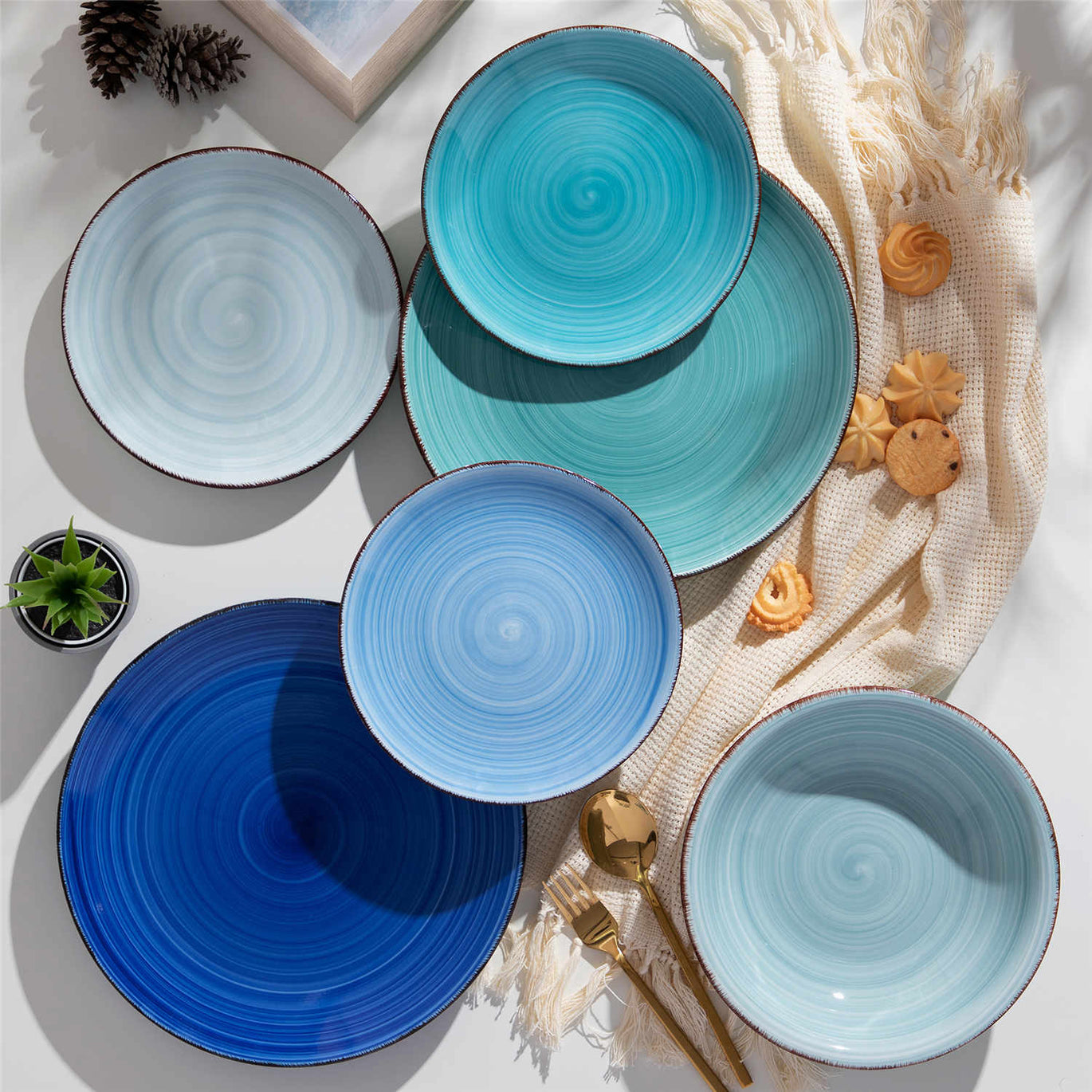


Rough Texture, Richer Aroma? How Tactile Tableware Primes Coffee’s Flavor

The Spark: When Your Hands Teach Your Tongue
Run your fingers over a rough stoneware mug and notice how your shoulders drop, your grip settles, and your anticipation spikes. Now switch to a silky, glossy porcelain cup and watch how your sip turns lighter, smoother, and somehow sweeter. That isn’t just mood lighting. It’s crossmodal perception at work—your sense of touch shaping what you taste and smell long before the coffee hits your palate.
In our studio, I routinely brew one coffee and pour it into two cups: a matte, slightly abrasive stoneware vessel and a smooth, glazed porcelain twin. Even with the same roast and water, the stoneware nudges my brain toward more zing and a drier finish, especially with bright, citrusy coffees, while the porcelain softens edges and coaxes sweetness forward. These impressions align with controlled findings and a growing body of sensory science: the cup’s surface, weight, firmness, shape, and color don’t change the chemistry of your brew; they change your perception of it.
This piece explores whether and when rough-textured tableware can make coffee seem more aromatic and flavorful, grounding the joy in credible research and plenty of practical, playful testing you can do at home.

The Science of Crossmodal Perception, In Plain Sips
Crossmodal effects describe how one sense nudges another. Sensation transference is a related idea: qualities of an object—like the heft of a spoon or the matte finish of a mug—slip into our judgment of the food or drink itself. In controlled work summarized by Flavour and the Oxford University Research Archive, heavier real-metal spoons boosted liking and perceived quality compared with lightweight, metallic-looking plastic spoons, and plate color shifted perceived sweetness and intensity in desserts. The changes weren’t random; they were systematic and statistically reliable.
Coffee has its own sensory script. According to Frothy Monkey, mouthfeel is the in‑mouth texture and body of the drink—the weight, smoothness, and finish—while Barista Hustle highlights that viscosity, dissolved solids, oils, and astringent compounds all tune that body. The key is that your hands and eyes can prime your taste and smell—especially through retronasal olfaction, the aroma pathway that lights up when you sip and exhale—so the cup’s tactile and visual cues matter.
What Texture Really Does: Rough vs. Smooth, and Why It Matters
A set of reported results from research referenced by MTPak Coffee offers a helpful anchor. When trained Q graders drank from rough cups, they perceived more acidity; when general consumers used smooth cups, they perceived more sweetness. Rough textures also increased a dry aftertaste in both groups. The roughness didn’t add chemicals to the brew; it added expectations and tactile signals that the brain folded into taste.
Firmness and finish matter too. Beverages served in sturdier, less flimsy cups were rated as higher quality. Surface finishes can steer judgments in subtle ways as well. Color can even outrun texture; red paired with roughness, for instance, increased perceived sweetness and reduced harshness in some tests. Allrecipes also points to research showing how white mugs can intensify bitterness through strong color contrast. Meanwhile, Cup design features reviewed by Perfect Daily Grind and CONQUECO show that shape and rim thickness alter where coffee flows on the tongue and how aromas funnel to the nose, while lids dampen aroma and create condensation that can dilute flavor. Removing a to‑go lid when safe can immediately lift aromatics.
Here’s a compact way to translate those cues at your table.
Surface Texture |
Typical Perceptual Shift |
Good For |
Watchouts |
Rough or matte exterior with tactile grip |
Primes brightness, acidity, and a slightly drier, “cleaner” finish |
Citrus‑forward pour‑overs, high‑clarity filter brews, mornings when you want zip |
Can exaggerate dryness in already astringent dark roasts or over‑extracted cups |
Smooth or glossy exterior and rim |
Primes sweetness, roundness, and a silkier mouthfeel |
Delicate florals, milk drinks, balanced medium roasts, afternoon comfort cups |
Can soften perceived sparkle in ultra‑bright coffees |

Material Is the Stage, Texture Is the Spotlight
Before we play with texture, the material of the cup must not sabotage flavor. Several sources converge on a clear hierarchy. Ceramic and glass are generally flavor‑neutral; ceramic and porcelain typically retain heat better than glass. Stainless steel excels at temperature retention, especially in double‑walled, vacuum designs, but a small subset of drinkers may pick up metallic notes, especially with lower-quality finishes; careful cleaning helps. Plastic can leach odors, and paper and bamboo introduce their own complexities. Circular&Co., Perfect Daily Grind, Allrecipes, CONQUECO, and Best Coffee Guide offer complementary perspectives that align on the key trade‑offs.
Material |
Heat Retention |
Flavor Neutrality |
Durability |
Sustainability Notes |
When It Shines |
Ceramic / Porcelain |
Strong; stoneware and porcelain hold warmth well |
Excellent; non‑porous glazes keep taste pure |
Good at home; breakable |
Long‑lasting; recyclable in some programs; low waste if reused |
Daily mugs, café service, ritual tasting |
Glass (tempered or double‑walled) |
Moderate; better with double wall |
Excellent; very neutral |
Moderate; can crack |
Recyclable; durability varies by build |
Visual brews, latte art appreciation |
Stainless Steel (vacuum insulated) |
Excellent; hot for hours |
Very good if high‑quality; some report metallic notes over time |
Outstanding; travel‑ready |
Reusable, long life; fully recyclable |
Commuting, outdoor sipping, heat security |
Plastic |
Poor to moderate; varies |
Problematic; retains odors and can leach off‑flavors |
Shatterproof but degrades |
Environmental drawbacks; variable recyclability |
Cold coffee at best; avoid for flavor‑critical hot drinks |
Bamboo / Plant‑based |
Moderate; depends on build |
Variable; may add woody note |
Moderate |
Renewable feedstock; some contain melamine resins that complicate recycling; PLA liners common |
Light duty, sustainability‑first contexts |
Paper (with PLA liner) |
Poor without sleeves; cools quickly |
Slight papery note possible |
Single‑use |
Compostable/biodegradable claims vary by facility |
Emergency to‑go, not sensory evaluation |
If you’re chasing the cleanest coffee expression at home, ceramic or porcelain is your default. For travel or long desk sessions, stainless steel will protect temperature, but choose high‑quality construction, keep it meticulously clean, and expect a slightly different feel than a café mug. If you value visibility, double‑walled glass preserves aesthetics with decent warmth, though it still runs cooler than ceramic. Plastic is the least desirable for hot coffee when flavor clarity is the priority. Paper to‑go cups do the job but shed aromas and heat fast; sleeves and double walls help comfort more than taste.

Shape, Rim, and Lids: Scent Highways and Flavor Bridges
How a cup presents coffee to your nose and tongue is not a trivial flourish. Design reporting from Perfect Daily Grind and practitioner notes echo a simple pattern. Narrower openings trap aromatics and can intensify aroma concentration; wider mouths encourage a feeling of sweetness and openness. Thicker rims can slow the flow and broaden the sip; thinner rims feel crisp and precise. Handle shape and cup balance control pace and spill risk. Meanwhile, lids act like aroma dimmers and condensation machines; when safe, removing the lid immediately amplifies flavor.
This is where texture meets geometry. A rough exterior for grip paired with a smooth, thin inner lip can give you the energy of roughness with the precision of a clean pour. If you tend to overshoot acidity, use a rounder, wider mouth and a slick rim to sweeten the impression.

Temperature Windows: When Heat Elevates, Not Mutes
Serve temperature can make or mute magic. Tasting clarity tends to peak around 140–160°F, according to Frothy Monkey, while flavor perception drops away as beverages fall below roughly 122°F, as summarized by Perfect Daily Grind. Ceramic and porcelain help hold you in that window without scorching your lips, while stainless steel keeps coffee hot much longer, sometimes past the comfort zone; let a lidded thermos breathe a moment before serious tasting so the aroma ramp can catch up. Pre‑warming any cup with hot water evens the first sips and stretches that ideal span.
Mouthfeel, Astringency, and the Texture Illusion
Your tongue and palate listen for more than sweetness and acidity. They track body, viscosity, oiliness, and dryness. Barista Hustle highlights how emulsified oils, dissolved solids, and certain small molecules contribute to weight and texture, while astringency creates that puckery, drying sensation many label “rough.” When you grip a rough, matte cup, the tactile signal can bias your brain toward more dryness even if the brew chemistry is unchanged, which helps explain why roughware can make bright coffees feel even crisper—and why it can push some dark roasts into an overly drying afterfeel.
My Hands-On Trials: How Rough Ware Changed The Conversation
Across dozens of flights in the studio, I’ve used one grinder setting, one kettle, and one pour-over recipe, then split the brew. Tasters rotate through cups without knowing which is which. With a washed Ethiopian, the rough stoneware consistently nudged notes from lemon toward grapefruit, with a more mineral, drying finish. The smooth porcelain made the same coffee feel softer, with more honeyed sweetness and a longer, silkier aftertaste. With a chocolatey Brazilian, rough texture carried a pleasantly brisk snap up front but could emphasize dryness late in the sip if the cup cooled too much. On cappuccinos, rough exteriors felt cozy in hand, but a smooth rim improved the microfoam glide. Removing lids on insulated steel tumblers, when safe, lifted aroma immediately, brightening every test.
These are not lab‑grade studies; they are grounded, repeatable rituals that match published patterns from MTPak Coffee’s texture reporting, Perfect Daily Grind’s cup design coverage, and crossmodal research synthesized by Flavour and Oxford University sources.

How to Choose Texture on Purpose
If you love high‑clarity, citrus‑sparkling pour‑overs, a rough or matte exterior can set your brain to “zing,” especially in the first minutes above 140°F. Keep the inner lip smooth to avoid harshness at the tongue. If you lean toward delicate florals or want to coax sweetness from a balanced medium roast, a fully smooth cup with a gentle, thin rim encourages a flowing, silky impression that reads as sweeter and more rounded.
For milk drinks, texture is choreography. The exterior can be anything you enjoy holding, but the rim should be smooth to avoid disrupting microfoam. For long car rides where temperature control dominates, go with high‑quality stainless steel and remove the lid once parked to let aromatics bloom. For cupping or side‑by‑side tasting at home, stick to white porcelain or neutral matte ceramic to minimize confounds from color and sheen, an approach echoed by Allrecipes and many professional tasters.
Rough vs. Smooth: Pros, Cons, and Creative Pairings
Rough or matte exteriors bring grip, warmth, and an artisanal feel that complements the ritual of brewing. They can spotlight brightness and clarity, which delights with high‑altitude, washed coffees and lightly roasted profiles. The drawback is that roughness can overcue a sense of dryness in cups that already tilt astringent, especially as temperature drops below 122°F. Cleaning embossed or heavily textured surfaces also requires a bit more attention to avoid trapped residues.
Smooth, glossy exteriors feel clean, modern, and effortless. They cue sweetness and roundness and let latte microfoam glide. The risk is that super bright coffees might feel slightly less electric. Some smooth finishes can be slippery without handles, and glossy glazes can show fingerprints more readily. In either case, firm cup walls and balanced weight elevate perceived quality, a parallel to the way heavier spoons increased liking in controlled food tests.

The Color Code: Bitterness, Sweetness, and Calm
Color leans into taste, even when we think we are immune. Reporting summarized by Allrecipes points to findings that coffee in white mugs tastes more intense and less sweet compared to transparent vessels, a contrast effect between dark liquid and bright background. Design coverage in Perfect Daily Grind notes how soft pinks can prime sweetness, while greens and yellows can nudge acidity. Neutral matte glazes reduce glare and distraction, especially under café lights. Combine color with texture to compose a mood: rough terracotta plus warm red can make a winter espresso feel richer; pale matte cream plus a thin rim can make a spring pour‑over feel buoyant and sweet.

Keep It Clean: Maintenance Tips That Protect Flavor
No tableware can save coffee coated in yesterday’s oils. Allrecipes highlights that stainless steel can pick up residues from coffee, other drinks, or even dish soap; regular, thorough cleaning is essential. Plastic clings to odors; for hot coffee with high flavor standards, avoid it. If you use bamboo or other plant‑based cups, verify what binds the material together. Some rely on melamine resins, which complicate end‑of‑life recycling, a point noted by Circular&Co. Paper cups commonly use plant‑based PLA liners that reduce papery flavor and leaks, summarized by MTPak Coffee, but heat and aroma loss remain. For all materials, rinse immediately after use, periodically deep‑clean ceramics and glass, and dedicate any stainless travel mug to coffee only if you’re sensitive to cross‑flavors.

A Simple Home Protocol to Feel the Difference
You can stage your own mini‑study in one afternoon. Brew a single coffee at a consistent recipe and pour it into two cups that differ only in texture. Mark the bottoms covertly so you can track which is which without biasing yourself. Taste at 150–155°F, then again around 135°F, and finally near 120°F. Swirl, sniff, and sip, paying attention to the first attack, mid‑palate sweetness, and the finish. Remove any lid before the second round if you’re using a travel tumbler. Jot quick phrases rather than long notes. Then switch the hand that holds each cup and taste again. Most people can feel the crossmodal nudge within a few minutes.

Temperature, Body, and Texture: Joining the Dots
As coffee cools from the hot plateau into the flavor‑sweet zone, subtle differences become obvious. Frothy Monkey’s guidance that 140–160°F is prime for clarity aligns with what most tasters report: aromatics open, acidity sharpens into focus, and sweetness becomes legible. If your brew feels thin, consider extraction variables, but also test a different cup. Barista Hustle points to how oils and dissolved solids control body, yet your fingers and eyes can steer your brain to read that body differently. When you want silk, go smooth, thin‑rimmed, and wider‑mouthed; when you want snap, go textured, firm‑walled, and slightly narrower.
The Practical Joy: Build a Tiny Cup Wardrobe
You don’t need a museum. A joyful, pragmatic set might include a firm, matte‑glazed stoneware mug with a smooth inner rim for bright morning pour‑overs, a white porcelain cup for clean tastings and cuppings, a double‑walled glass for afternoons when you want to see the crema and keep your fingers cool, and a high‑quality vacuum stainless mug for the commute. This tiny wardrobe covers heat, flavor, texture, and travel without cluttering your cabinet. Treat texture and color like you treat brew recipes: adjustable dials to match your mood and the beans.

A Note on Metals, Safety, and Sensation
Some people perceive a slight metallic note with stainless steel, a point discussed by Perfect Daily Grind and Allrecipes. High‑quality, food‑grade steel reduces this risk, but if you’re sensitive, consider ceramic‑lined steel bottles marketed to avoid liquid–metal contact. On the flip side, ceramics and porcelain are generally inert, but always choose food‑safe, lead‑free glazes from reputable makers. The safest vessel is the one you love, maintain, and use intentionally.
Frequently Asked Questions
Does rough texture really make coffee more aromatic, or is it a trick?
It’s a perception shift, not a chemical change in the liquid. Tactile cues prime your brain, and multiple sources report that rough textures can raise perceived acidity and dryness while smooth textures can cue sweetness. Your aroma experience often lifts alongside those expectations because you pay different kinds of attention to the cup.
What’s the best temperature to taste coffee at home?
Aim to start serious tasting between about 140–160°F. If you start higher, let the brew sit for a minute or two and inhale as it cools; aromatics bloom and flavors organize themselves. Below roughly 122°F, many coffees taste flatter or more bitter as desirable volatiles fade.
If material matters, what should I buy first?
For home flavor clarity, start with a solid ceramic or porcelain mug. Add a high‑quality stainless tumbler for travel and a double‑walled glass when you want to see your brew. Then sprinkle in texture—one rough‑touch stoneware piece and one glossy, thin‑rimmed cup—and you’ll have real range.
The Creative Close
Give your hands a say in how your coffee sings. Texture, weight, shape, and color are not decoration; they are instruments. Curate them with intention, and your daily sip will feel brighter, sweeter, deeper—whatever your palate craves today. That’s the colorful tabletop way: pragmatic in practice, playful in spirit, and always tuned to joy.
References
- https://scholarworks.uark.edu/cgi/viewcontent.cgi?article=1022&context=fdscuht
- https://pmc.ncbi.nlm.nih.gov/articles/PMC8270317/
- https://ora.ox.ac.uk/objects/uuid:517c3980-7e53-462b-a6f0-a92d6131142f/files/m82a82373a69c00fbb51e8be69563fcec
- https://www.researchgate.net/publication/223473186_A_study_on_texture-taste-aroma_interactions_Physico-chemical_and_cognitive_mechanisms
- https://www.baristahustle.com/molecular-targets-for-coffee-body/
- https://circularandco.com/blog/how-cup-material-affects-your-coffee-experience?srsltid=AfmBOoooHS-srFSyQB3DtJ2NcH7XQLULcaSXKknizj58mySPkx4WyIlU
- https://smart.dhgate.com/relief-vs-smooth-coffee-cups-does-texture-really-change-the-taste/
- https://driftaway.coffee/effect-coffee-cup-material-taste-ceramic-vs-stainless-steel-vs-plastic/?srsltid=AfmBOopxYz9-fc51jeF7zgp6rKx2puACvb0fvuZPr_u_v5a_5ZoMliB9
- https://www.skillmaker.education/mastering-the-art-of-milk-texturing-in-espresso-coffee-preparation-and-service/
- https://www.tankcoffee.com/coffee-mouthfeel/
Potrebbe piacerti anche
Stern Set di stoviglie da 16 pezzi
- Da £58.00
£77.00- Da £58.00
- Prezzo unitario
- per
-
Blue
-
Green
-
Red
-
Grey
Bonita Set di stoviglie da 18 pezzi
- Da £49.00
£61.00- Da £49.00
- Prezzo unitario
- per
-
Blue
-
Multicolor
Simi Set di stoviglie 24 pezzi
- £77.00
£104.00- £77.00
- Prezzo unitario
- per
Set di stoviglie stellate da 16 pezzi
- £60.00
£70.00- £60.00
- Prezzo unitario
- per
-
Blue
-
Green
-
Red
-
Gradient Green