



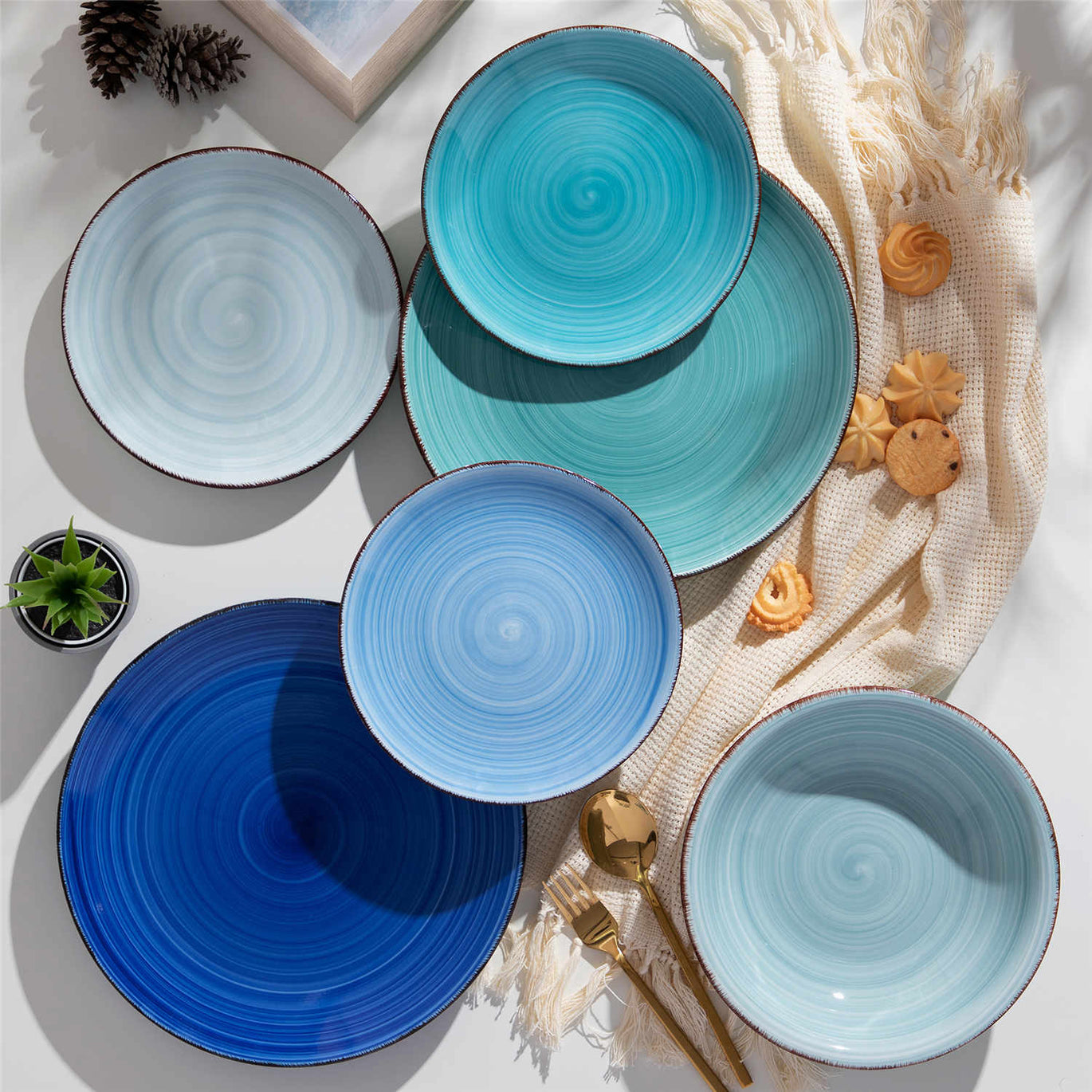


The Lasting Influence of Y2K Aesthetics on Ceramic Tableware

If you have ever set a table that felt like a cross between a pop video, a sleek laptop launch, and a cozy dinner with friends, you have already tasted the Y2K effect on ceramics. Those slick glazes, jellybean colors, and futuristic curves did not stay locked in the year 2000; they slipped into our cupboards, hotel banquets, and restaurant shelves, and they are still quietly shaping what we eat from today.
As a Colorful Tabletop Creative & Pragmatic Joy Curator, I have watched diners light up when a plate looks just a little “retro-futuristic,” when a mug feels like a beloved tech toy, and when neon accents meet soulful stoneware. The Y2K aesthetic is not just nostalgia; it is an ongoing design language layered onto modern ceramic know-how, digital tools, and sustainability science.
Let us set the table and unpack how that early 2000s mood still lives in your ceramic bowls and plates.
What “Y2K Aesthetic” Means For Your Table
In pop culture, Y2K aesthetics are usually associated with digital optimism: glowing screens, chrome hardware, translucent plastics, and candy colors. On the table, that mood translates into ceramics that feel playful, futuristic, and a little bit otherworldly while still doing serious work at meal time.
Research on tableware design consistently frames dinnerware as both functional and emotional. Angie Homes, for instance, defines tableware as the full ecosystem of plates, bowls, glassware, and utensils that shape the ambiance of a meal, not just the mechanics of eating. Contemporary dinnerware specialists such as Euro Ceramica talk about plates as “functional canvases” where choices in material, silhouette, texture, color, and modularity are deliberately engineered. When you combine that design discipline with a Y2K visual vocabulary, you get a powerful mix: rigor plus exuberance.
Y2K at the table is less about copying any specific year and more about channeling a feeling. That feeling includes shiny or pearlescent surfaces, high-contrast color, rounded silhouettes that feel ergonomic and cute, and a sense that your dishes would not look out of place in a sci‑fi diner.

From CD Players To Salad Plates: Translating Y2K Visual Cues
Ceramic designers rarely work in isolation from culture. The same era that gave us jewel-toned electronics and iridescent lip gloss also influenced how we glaze and shape clay. Across brands and studios highlighted in sources like Joyye, Malacasa, and VanCasso, you can see a recurring tension between minimalism and maximalism, between soft pastels and bold jewel tones, which is exactly where Y2K lived.
Color: Candy, Jewel, Oxblood
Color is the most visible bridge between Y2K and today’s tableware.
Youth-driven porcelain trends documented by Malacasa show younger buyers gravitating toward bold jewel tones such as emerald, sapphire, and ruby alongside soft pastels like baby blue, pale pink, and mint. Classic neutrals are no longer the default; they are just one choice in a wider palette. Joyye’s 2025 color forecast echoes this with dopamine-boosting hues, an oxblood red that has reportedly grown from 12 percent to 20 percent of designer selections, and renewed love for blue-and-white patterns refreshed with contemporary overlays.
This is very much a Y2K move. The era embraced candy-colored translucence, neon highlights, and shimmering metallics, and those impulses now show up as high-gloss glazes, saturated rims, and layered color-blocking across ceramics. Instead of an entire set in electric purple, modern designers might tuck that Y2K spirit into a statement platter or a single accent bowl.
Form: Soft Curves And Coupe Silhouettes
The early 2000s adored rounded rectangles, softened edges, and palm-friendly forms. You can feel that in today’s coupe plates and ergonomic bowls.
Euro Ceramica’s analysis of silhouettes points out that coupe plates, with their gentle sweeping edges and lack of formal rims, create a larger plating surface and a more relaxed, contemporary look compared with traditional rimmed plates. That open, almost “screen-like” surface mirrors the way Y2K hardware drifted away from sharp corners toward more approachable organic shapes. In my studio, the pieces that guests reach for again and again tend to have exactly that vibe: curves that invite touch and feel familiar, like a favorite handheld device.
Small irregularities, embraced by youth-focused brands according to Malacasa, such as slightly off-round bases or subtle wobble in a rim, add a handcrafted twist. Pair that with a futuristic glaze and the result feels like a one-of-a-kind object from another era and another planet at the same time.
Surface: Gloss, Texture, And Techy Glaze Effects
Glossy finishes have deep roots in porcelain traditions, but Y2K amplified shine into a full-blown design signature. Dinnerware design research from Euro Ceramica notes that high-gloss glazes intensify color and reflect light dramatically, while semi-matte surfaces create a calmer, modern mood. Many contemporary collections play these finishes against each other, stacking matte stoneware under gleaming salad plates, for example, which can make a table feel like a layered interface rather than a static scene.
Trend reports for 2025 from sources such as Joyye and Yongjian describe reactive glazes, metallic accents, and kiln effects that create iridescent or gradient color shifts. These echo the way Y2K visuals loved gradients, holographic sheen, and anything that looked “digitally enhanced.” The difference now is that ceramic labs combine that drama with improved technical performance: many of these glazes are engineered to be dishwasher safe, chip-resistant, and compliant with strict food-contact standards.
In practice, that means you might sip coffee from a mug whose glaze looks like a sunset on an old screensaver, yet it survives the dishwasher day after day.

Digital Tools: Y2K Spirit Meets Twenty-First Century Craft
Y2K was the first moment when consumer tech and digital aesthetics felt truly mainstream. That cultural shift has matured into serious digital workflows behind today’s ceramics.
Academic work on ceramic design integrating digital technology, as summarized by Francis Press, describes how computer-aided design, digital modeling, and image processing underpin form development and surface decoration. Researchers emphasize that digital tools are now an “inevitable trend” in modern ceramic design, not a gimmick. At the same time, they stress the importance of maintaining hand-painted skills and human touch, especially for culturally significant motifs.
This mirrors the Y2K dynamic perfectly. That era loved digital graphics but still printed them on physical posters, CD covers, and gadget shells. Today, ceramic designers might:
Use digital pattern libraries to generate pixel-inspired, geometric, or abstract motifs that recall early screen savers. Prototype complex handle shapes or double-walled mugs through digital modeling before committing to molds. Experiment with layering patterns, then allow hand-finishing or hand-glazing to blur and “humanize” the digital geometry.
In my own practice, I often sketch patterns on a tablet first, using that candy-colored Y2K palette, then translate them into decals or hand-painted guides on bisque-fired plates. The digital stage lets me test wild ideas quickly; the hand stage keeps the result from feeling sterile.

Emotional Durability: Why A Y2K-Inspired Mug Becomes “The Favorite”
If you ask people to choose a favorite mug, they rarely pick the most neutral one. They pick the one that feels like them.
Design researcher Emma Lacey’s case study in the International Journal of Design explores “emotionally durable” ceramic tableware and how people form attachments to specific cups and mugs. Using Donald Norman’s three levels of cognitive processing, she shows that people respond first to visceral elements such as color and shape, then to behavioral aspects such as comfort and function, and finally to reflective meanings such as who gifted the mug or what memories it holds. Interviews in that study revealed that mugs, rather than formal cup-and-saucer sets, often carry the most emotional weight in everyday routines.
This is exactly where Y2K aesthetics can shine. A slightly exaggerated handle that feels like a game controller, a glossy glaze that catches the light like a vintage MP3 player, or a playful pixel motif can trigger that visceral and behavioral appeal. Over time, the mug becomes part of your rituals and stories, building the reflective layer Lacey describes.
Jonathan Chapman’s concept of “emotionally durable design” goes further, arguing that products designed to sustain emotional engagement over time can support sustainability by lowering replacement rates. A mug you love enough to keep for ten years is not just sentimental; it is an ecological win compared with a series of disposable pieces. Y2K-flavored design can support that durability by making tableware distinctive enough to cherish, not just use.

Sustainability And Ecodesign Behind The Gloss
The flip side of glossy, color-saturated tableware is the environmental cost of making it. Ceramic tableware production is energy intensive, especially during high-temperature firing, and it draws from mineral resources such as clays and kaolin.
A life cycle assessment study published in MDPI examines different production scenarios for ceramic tableware, from automated factories to small studios and even reconstructions of ancient technology. It highlights that while ceramic waste itself is largely inert, the big environmental burdens are energy consumption and raw material extraction. The study advocates for ecodesign, a holistic approach that evaluates the entire life cycle of a product, including raw materials, production emissions, packaging, usage, and end-of-life.
VanCasso’s guide to sustainable ceramic tableware applies a “slow fashion” mindset to plates and bowls. It compares earthenware, stoneware, and porcelain to familiar fabrics: earthenware as rustic linen, high-fired stoneware as everyday denim, and porcelain as the refined blazer. Stoneware fired around 2,150 to 2,330°F, for example, becomes dense and non-porous, supporting longer lifespans and fewer replacements. The same guide emphasizes reclaimed clays, recycled grog, water-recycling systems, and safer glaze chemistries as key levers for making ceramics more sustainable.
Trend-oriented sources such as Yongjian and Joyye add another twist: buyers increasingly expect sustainability and ethics alongside aesthetics. Surveys cited by Yongjian claim that about three-quarters of consumers feel tableware design affects perceived meal quality, and that upgrading tableware can significantly boost satisfaction in hotels and restaurants. At the same time, eco-conscious buyers ask about energy sources, certifications, and recyclability.
For Y2K-inspired ceramics, this means the following in practice. Those neon-like glazes and metallic accents must be formulated with food-safe, low-leaching chemistries that pass testing standards such as FDA or European LFGB requirements. High-fired stoneware bodies can support dramatic glazes while keeping pieces durable. Factories and studios can reclaim clay scraps, optimize kiln loads, and explore energy-efficient firing, so the futuristic look does not come with an outdated environmental footprint.
In my work with restaurants that love a bold, “party playlist” table, we often pair a few statement Y2K-style pieces with a base of robust, neutral stoneware. That mix keeps waste low, performance high, and energy per use very reasonable.

How Y2K Aesthetics Still Shape Today’s Tableware Trends
If you look at current design trend reports for 2025, you can see the Y2K imprint woven through them.
Reports from Spring Ceramic and Yongjian describe several converging directions: nature-inspired glazes and textures, minimalist yet highly functional forms, bold statement pieces, and cultural fusion. Joyye’s color analysis mentions dopamine decor, jewel tones, oxblood reds, and classic blue-and-white combinations. Malacasa’s focus on youth trends in porcelain emphasizes irregular rims, tactile surfaces, and updated vintage motifs.
All of these themes feel like different sides of the Y2K coin. The era’s love of extremes has matured into a more balanced conversation between minimal and maximal, matte and gloss, digital and handcrafted. You might see this in a restaurant using simple, straight-edged white plates for main courses, then dropping a single iridescent dessert plate or hand-painted bowl as a photographic “moment.” Retailers are encouraged, in these trend articles, to curate both timeless basics and expressive accent pieces, a strategy that echoes how Y2K styling layered basics with statement accessories.
To clarify how the Y2K spirit shows up in practice, it helps to compare original cues with contemporary outcomes.
Design cue or concern |
Y2K influence on ceramics |
Modern interpretation today |
Color mood |
Bold jewel tones, glossy pastels, high contrast combinations |
Dopamine color palettes, oxblood centerpieces, blue-and-white refreshed with bright accents |
Surface feel |
High-gloss, almost plastic-like shine, metallic hints |
Reactive glazes, pearlescent finishes, layered glossy and semi-matte textures |
Form |
Soft, rounded silhouettes reminiscent of early handheld devices |
Coupe plates, ergonomic handles, slightly irregular forms that still stack well |
Graphic language |
Pixel patterns, gradients, techno motifs |
Abstract geometry, art-deco revival, digitally generated patterns refined by hand-finishing |
Emotional impact |
Fun, futuristic, playful optimism |
Nostalgic yet grounded, designed to become “favorite” daily pieces with long-term emotional value |
Sustainability |
Rarely foregrounded, often overshadowed by novelty |
Integrated via ecodesign, high-fired stoneware, responsible glazes, reclaimed clay, and life cycle thinking |
The lasting influence, in other words, is not a direct copy of early 2000s aesthetics but a remix. We keep the joy and optimism while upgrading the ergonomics, durability, and planetary responsibility.

Pros And Cons Of Y2K Aesthetics In Ceramic Tableware
Every design language comes with strengths and trade-offs, and Y2K-influenced ceramics are no exception.
A major advantage is emotional engagement. Pieces that look distinctive and playful, in line with the emotionally durable design research, are more likely to become favorites that people protect and repair rather than discard. That supports both user joy and sustainability. Y2K-style color and gloss also photograph beautifully, which matters in an era where dining tables frequently end up on social media. Restaurants can tell a story and express a brand personality through these visual cues, and trend analyses note that such design investments can improve customer satisfaction.
Another benefit lies in mix-and-match modularity. Contemporary collections, as Euro Ceramica and youth-focused brand research describe, are often designed for modular combinations. You might pair a minimalist stoneware dinner plate with a jewel-toned coupe side plate and a reactive-glaze bowl. That flexibility is extremely Y2K in spirit: think custom wallpapers and modular gadget skins, now expressed in porcelain and stoneware.
But there are challenges. Highly glossy and intensely colored glazes show utensil marks more readily, so manufacturers must tune formulations carefully to avoid disappointment. Eye-popping palettes can date quickly if overused across entire sets instead of concentrated in accents. From a sustainability perspective, some special-effect glazes may require more complex chemistries and firing schedules, increasing energy consumption unless offset by other ecodesign steps.
There is also the risk of overwhelming a space. Y2K aesthetics can be loud. In a small apartment kitchen, a full wall of neon dishes may feel more chaotic than joyful. The most successful applications I have seen in real homes typically weave these influences into a few pieces rather than everything in the cupboard.

Practical Ways To Bring Y2K Energy To Your Table
If you want your table to channel early-2000s optimism without feeling like a costume party, you can layer Y2K-inspired ceramics thoughtfully into everyday life.
Start with a functional base. Research on sustainable tableware from VanCasso and Euro Ceramica suggests prioritizing durable, versatile pieces first: a solid stoneware dinner plate, an all-purpose bowl, and a comfortable mug in a neutral or softly tinted shade. These are your “denim and white tee” essentials that work for breakfast, lunch, and dinner.
Then add Y2K as personality, not foundation. Choose one or two statement items that make your heart beat faster. It might be an oxblood serving bowl with a reactive glaze, a pair of ice-blue coupe plates with a subtle metallic rim, or a hand-painted dessert plate featuring graphic stripes or abstract blocks. Studies showing that up to about three-quarters of diners respond to tableware design suggest that even a few expressive touches can change how a meal feels.
Pay attention to touch. In light of Emma Lacey’s work on meaningful interaction, prioritize pieces where your hand and lip experience is delightful. A futuristic glaze is not enough if the handle digs into your fingers or the lip feels rough. In my own tests, the mugs guests “adopt” after dinner parties often have three things in common: a weight that feels reassuring but not heavy, a rounded rim that feels soft at the mouth, and a glaze or texture detail that sparks curiosity.
Think in small capsules rather than big sets. VanCasso’s slow-fashion approach recommends a capsule of versatile, multi-functional pieces. You can apply the same logic to Y2K aesthetics. For example, a capsule might include an iridescent platter that doubles as a tray, two bright side plates that stack neatly, and one showstopper mug. These can blend into your existing tableware and be restyled for brunch, movie nights, or birthday dinners without taking over your cabinets.
Finally, ask questions about how pieces are made. Articles from MDPI, VanCasso, and Yongjian all emphasize that ecodesign, reclaimed clay, efficient kilns, and safe glazes matter. When shopping, whether online or in boutique stores, look for evidence of food-safety testing, energy-conscious production, and longer-lasting materials such as high-fired stoneware. A plate that looks like a holographic dream but chips after a few months does not align with the sustainable, emotionally durable future that design researchers advocate.
Short FAQ: Y2K Ceramics, Answered
Is Y2K-inspired tableware only for young or trendy homes?
Not at all. Research on porcelain dinnerware from Malacasa shows that younger consumers may lead playful trends, but the appeal of expressive, handcrafted aesthetics crosses age groups. The key is how you mix it. A classic porcelain dinner plate paired with a single oxblood bowl or a dopamine-color mug can look sophisticated in any apartment or house.
Will bold Y2K colors and glazes go out of style quickly?
Trend reports from Joyye and Yongjian suggest that bold color, artistic glazes, and mix-and-match styling are not temporary fads; they are part of a longer shift toward personalization and expressive dining. If you focus on pieces you genuinely love and that are well made, they will feel less like trends and more like signatures, even as fashion cycles move on.
How can restaurants or retailers use Y2K aesthetics without risking fast obsolescence?
Industry insights summarized by Spring Ceramic and Yongjian recommend a blended strategy: invest in durable, minimalist core collections for everyday service, then layer a rotating selection of statement pieces that bring in current palettes and patterns. Because Y2K-inspired pieces photograph well and create memorable experiences, they can function as “silent salespeople” and marketing tools, while the core ceramics ensure long-term practicality and cost control.

A Joyful Closing
Y2K aesthetics never really left; they simply grew up, learned about ecodesign, discovered emotionally durable design, and moved into our kitchens and dining rooms. When you cradle a jewel-toned mug with a glossy, digital-looking glaze, you are touching a tiny piece of design history filtered through today’s knowledge of materials, sustainability, and user experience.
Curate your table like a playlist: a base of reliable classics, a few nostalgic hits, and one or two bold remixes that make everyone smile. That is how you let Y2K’s playful, optimistic spirit keep your ceramic tableware feeling fresh, meaningful, and deliciously alive.
References
- https://www.ijdesign.org/index.php/IJDesign/article/view/571/263
- https://www.researchgate.net/publication/382632351_Research_on_the_Application_of_Ceramic_Tableware_Design_for_Young_Chinese_Consumers
- https://www.architecturaldigest.com/story/y2k-aesthetic-design-trend
- https://ekaceramic.com/how-bold-color-choices-are-changing-ceramic-kitchenware-trends/
- https://francis-press.com/papers/7403
- https://www.happygodinnerware.com/Dinner_Plates/Why_Do_Ceramic_Aesthetics_Matter_for_Homeware_Social_Relevance_in_2025_happygodinnerwarecom_17615280.html
- https://www.joyye.com/info-detail/ceramic-tableware-color-trends-in-2025
- https://www.lemon8-app.com/diamondlemon2011/7402363169135821317?region=us
- https://www.pearllife-global.com/blog-posts/the-impact-of-colorful-modern-kitchenware-on-your-kitchen-aesthetics
- https://www.twoshipspottery.com/blog/incorporating-bold-statement-pieces-into-your-home-a-modern-take-on-design

Potrebbe piacerti anche
Stern Set di stoviglie da 16 pezzi
- £68.00
£77.00- £68.00
- Prezzo unitario
- per
-
Blue
-
Green
-
Red
-
Grey
Simi Set di stoviglie 24 pezzi
- £77.00
£104.00- £77.00
- Prezzo unitario
- per
Bonita Set di stoviglie da 18 pezzi
- Da £49.00
£61.00- Da £49.00
- Prezzo unitario
- per
-
Blue
-
Multicolor
Set di stoviglie stellate da 16 pezzi
- £68.00
£70.00- £68.00
- Prezzo unitario
- per
-
Blue
-
Green
-
Red
-
Gradient Green