



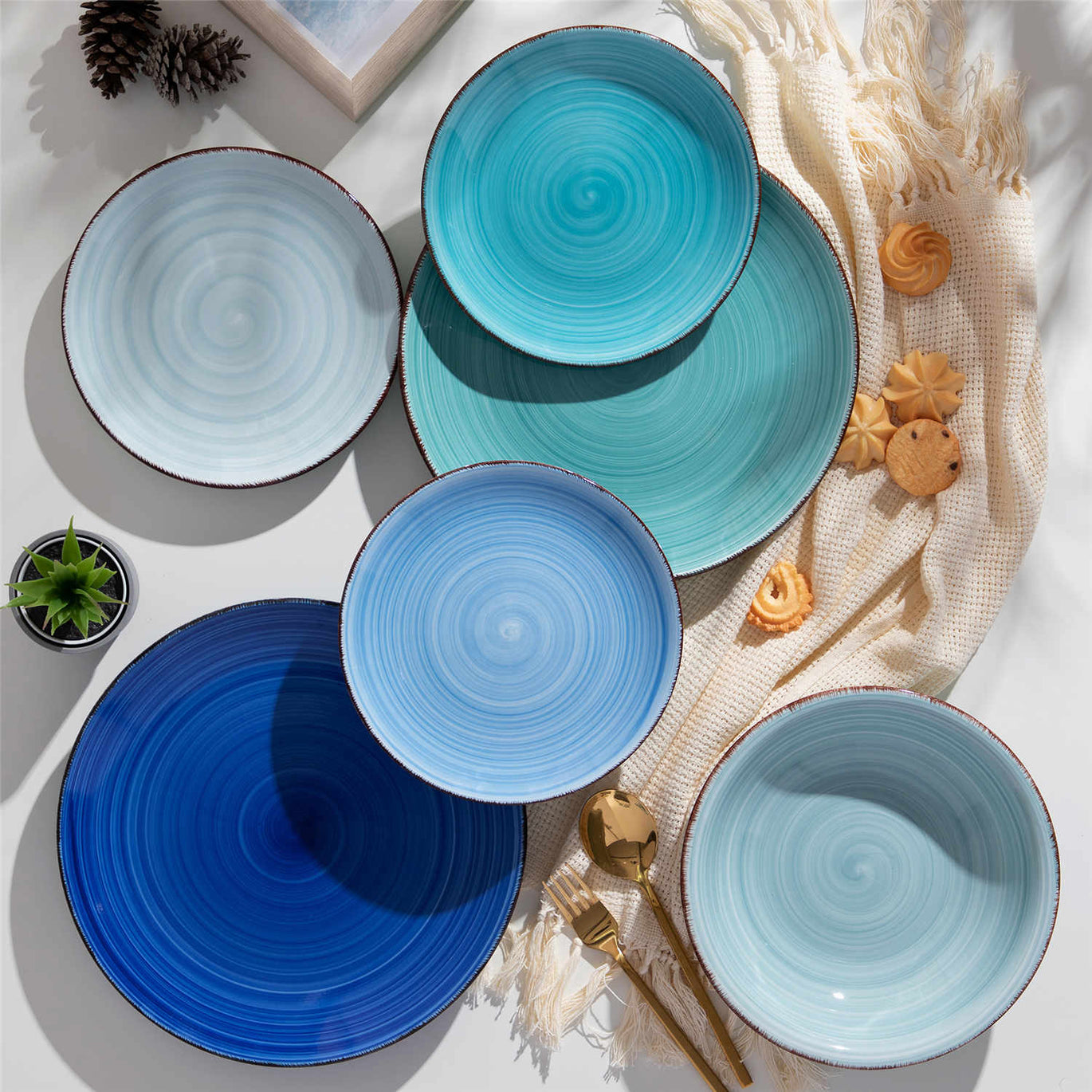


Understanding the Preference for Dark Ceramic Tableware in Nordic Winter

Nordic winter is a masterclass in atmosphere. Daylight slips low across the horizon, evenings stretch long, and the ritual of gathering around the table turns into an anchor of warmth. In that context, dark ceramic tableware shines—quietly, richly, persuasively. As someone who styles winter tables for both everyday suppers and celebratory feasts, I’ve learned that deep glazes and matte charcoal finishes do more than look dramatic. They cradle heat, soften glare, and provide a moody backdrop that makes candlelight dance and comfort food glow. If you’ve ever wondered why Scandinavia’s winter tables lean dark, consider this your creative-and-practical guide to choosing, using, and loving dark ceramics all season long.
The Nordic Winter Lens: Low Light, Long Nights, and the Allure of Dark Plates
Scandinavian design champions the art of making the everyday beautiful and functional—soft minimalism, natural textures, and a mix of materials that feel intentional rather than showy. A Nordic-inspired table, as Catalonia Plates describes, blends linen, light wood, simple ceramics, and clean silhouettes to help daily rituals feel grounded and special. In winter specifically, when light becomes a precious commodity, dark ceramics act like a pro-level filter for your table. They absorb glare, allow candles to cast a soft halo rather than a harsh bounce, and frame food with a calm, gallery-like contrast. Lovely Harbor’s winter tablescape ideas lean hard into candle clusters, woolly textures, and natural materials, all of which pair effortlessly with deep black or charcoal dinnerware.
I’ve tested this in real homes under that dim, blue-gray afternoon light that appears at around 4:00 PM in midwinter. A matte black dinner plate under a glossy bowl does a magic trick: it grounds the setting, makes a braised stew glow, and keeps the vibe cocooned rather than stark. The effect is quieter than a white-on-white setting yet somehow more luminous when candles are involved.

Design DNA: Scandinavian Minimalism Meets Everyday Ritual
Scandinavian design’s core is simplicity with soul. Think natural wood, soft textiles, and ceramics with gentle, slightly irregular forms. Catalonia Plates emphasizes muted palettes, tactile glazes, and mix-and-match flexibility that invites you to build a collection slowly and mindfully. Nordic Nest’s table-setting guidance underscores the same idea: keep things elegant but unfussy, create a holistic layout, and pay attention to proportions and spacing. In practical terms, that means giving guests comfortable elbow room—roughly about 20 to 24 inches between plates—using low centerpieces, and letting negative space breathe. These principles keep a dark tabletop from feeling heavy; they turn it into a restful canvas that sets a calm tone for the meal.
Materials and finishes that make dark dinnerware feel right
Dark stoneware, satin or matte glazes, and speckled or reactive finishes bring warmth and depth without visual noise. Claymistry calls out black ceramic plates as a sophisticated base for layering color, textiles, and light, and Hunker’s curated picks spotlight matte black pieces for drama without gloss glare. The trick is to mix sensations: wood against ceramic, wool against satin glaze, speckles against a smooth rim. That tactile conversation keeps a dark tabletop lively and welcoming rather than severe.

What Dark Ceramics Do for Food and Mood
Framing flavor and warmth
Dark plates add pictorial contrast, especially for winter dishes with pale elements like root vegetables, creamy grains, or flaky fish. The background recedes and the food steps forward. I’ve watched roasted carrots and citrus segments wake up against a charcoal plate, and a simple rye bread slice look like sculpture next to a deep, spruce-green napkin. In a season of stews and roasts, the color logic flips: the plate becomes the quiet frame, the food becomes the star.
Candlelight, reflection, and texture
Under candlelight, glossy white can bounce bright and feel a bit clinical; matte black does the opposite and turns light into a soft, ambient glow. Lovely Harbor’s candle-forward styling ideas lean into this intimacy, while Catalonia Plates encourages keeping the base pieces simple and tweaking seasonal layers. When you choose dark pieces with subtle texture—satin sheens, speckles, or unpolished rims—the table reads multidimensional rather than flat.
Heat that lingers when it’s cold outside
Stoneware and ceramic retain heat, which is a wintertime gift that Claymistry and Catalonia Plates both note. Serve soup in a shallow bowl on a warm plate or rest a hot casserole on a stoneware platter; you’ll feel the difference from the first course to the last bite. This is a practical edge that aligns with Nordic design’s devotion to useful beauty.

Pros and Cons of Choosing Dark Dinnerware
Aspect |
Why It Helps in Winter |
What to Watch |
Visual contrast |
Dark backgrounds make winter produce and comfort dishes pop under low light and candlelight. |
Pale foods can read subdued if the lighting is too dim; add a glossy bowl or a light garnish for lift. |
Glare control |
Matte and satin finishes reduce reflection for a cozy, hygge mood and better tabletop photography. |
High-gloss black can show bright hotspots near candles; place candles slightly off-axis. |
Heat retention |
Stoneware holds warmth longer, keeping courses inviting on chilly nights. |
Heavier pieces can fatigue small hands; check weight before committing to a full set. |
Texture and depth |
Speckles and reactive glazes add movement without busy patterns. |
Reactive glazes vary piece to piece; embrace variation or choose solid satin finishes. |
Perceived cleanliness |
Dark plates can hide small scuffs and some stains better than bright white. |
Matte black may show metallic cutlery marks; lift with a gentle scrub or a baking-soda paste. |
Year-round flexibility |
Dark bases pair with seasonal linens and greenery from winter through fall. |
All-dark everything can feel heavy; mix in light bowls, napkins, or wood to balance. |
The cutlery-mark note comes up frequently in practice and in reporting. Wirecutter (The New York Times) points out that unglazed or exposed rims on stoneware can pick up stains and suggests “seasoning” rims to resist discoloration. Catalonia Plates recommends gentle detergents and a baking-soda paste or diluted white vinegar to lift stubborn marks, which works well on my own matte pieces. I use a soft cloth and light pressure so I protect the glaze.

Material Matters: Stoneware, Porcelain, and Vitrified Bodies
Material |
Core Attributes |
Heat-Holding Feel |
Typical Finish Options |
Notes From Reputable Sources |
Stoneware |
Durable, slightly thicker clay body with a satisfying heft. |
Strong warmth retention for winter courses. |
Matte, satin, speckled, and reactive glazes. |
Catalonia Plates recommends stoneware for durability and heat; Wirecutter highlights restaurant-proven stoneware sets. |
Porcelain |
Smoother, finer body with a sleek, elevated look. |
Moderately warm, often lighter in hand. |
Gloss and satin are common; crisp color. |
Catalonia Plates notes porcelain reads sleeker for formal looks; Hunker’s editor picks include porcelain basics as a versatile staple. |
Vitrified ceramic |
Dense, glass-like and non-porous when fired properly. |
Excellent durability for daily use. |
Depends on glaze; body stays closed and non-absorbent. |
HF Coors details vitrified, lead-free, non-porous bodies that are oven, broiler, microwave, dishwasher, and freezer safe with a two-year chipping guarantee under normal use. |
If you love a dark, matte look but worry about staining, a vitrified, non-porous body with a durable glaze is your friend. It keeps moisture and odors from seeping in, and it cleans up predictably after a rich sauce or spiced oil.

Finish and Color: From Matte Black to Charcoal Speckles
Finish |
Look and Mood |
Practical Notes |
Best Pairings |
Matte black |
Deep, velvety, camera-friendly; the classic Nordic winter base. |
Can show cutlery marks; clean gently with mild abrasives. |
Light wood chargers, linen napkins, brass or black-iron candleholders. |
Satin charcoal |
Soft sheen that catches candlelight without strong glare. |
Hides fingerprints better than high gloss; wipes clean easily. |
Greenery, wool runners, smoked-glass tumblers. |
Speckled reactive |
Organic variation with painterly, snow-like flecks. |
Expect piece-to-piece differences; that’s the charm. |
Unglazed rims, natural-edge boards, earthen centerpiece bowls. |
Gloss black |
Inky, modern, dramatic. |
Reflective around candles; place candles higher or off-center. |
Minimal flatware, clear thin glassware for balance. |
Hunker’s spotlight on Eva Solo’s matte black plate captures why this finish reads both modern and warm. Claymistry echoes the sentiment by using black as a sophisticated base, then letting linens, glass, and flowers add color and life.

Styling Dark Tableware for Nordic Winter Gatherings
Build from calm to glow. Start with a wood table or a neutral runner in linen or wool. Set a matte black dinner plate, then layer a glossy bowl or a satin side plate to introduce light play without breaking the palette. Drop in deep green or dark blue napkins for the season—Catalonia Plates recommends these winter tweaks—and bring in candlelight generously. Lovely Harbor’s clusters of candles at varied heights make the room feel intimate without cluttering the setting; just keep the sightline clear and favor low or slim profiles.
Balance is your north star. Dark plates love natural textures: oak chargers, birch candlesticks, and raw-edge boards all soften and warm the scene. A sprig of evergreen, a slice of dried orange, or a small pinecone delivers just enough seasonal wink. If you crave a festive accent, Villeroy & Boch’s Winter Glow shows how frosted glazes and subtle gold stars can mingle with deep ceramics without tipping into glitter overload. I like to set those special pieces as serving accents rather than place settings, so the everyday dark dinnerware carries the visual rhythm.
Nordic Nest’s elegant layout tips apply here too. Keep cutlery simple and brushed rather than mirror-shiny to reduce glare near candles. Rest water and wine glasses above the knife area and slightly to the right, and resist the temptation to set too many glasses per person. The table breathes better when you limit it to what you’ll truly use.
Care, Cleaning, and Longevity
Treat dark ceramics with the same winter tenderness you reserve for sweaters. Avoid extreme temperature shocks: don’t pull a plate from a hot oven and flood it with cold water, and let hot pieces cool before stacking. Catalonia Plates advises checking maker labels for microwave and dishwasher safety, especially for handmade work, and I second that. When minor cutlery marks appear on matte glazes, a gentle touch with a baking-soda paste or a soft scrub pad usually clears them; for light staining on rims, a diluted white vinegar wipe can help.
Wirecutter flags a smart trick for unglazed rims: season them lightly to reduce staining. I’ve done this with a thin film of neutral oil on fully dry unglazed edges, then buffed away any excess before first use. It builds a micro-barrier that eases cleanup. If your pieces are vitrified and labeled lead-free and non-porous—HF Coors is a good example—maintenance tends to be straightforward, and you can lean confidently on everyday appliances when the maker allows.
Buying Guide: What to Look For
Start with function. If your table rituals include hot, hearty foods all winter, prioritize stoneware or vitrified ceramic for durability and warmth. Check for lead-free claims and real-world convenience such as microwave and dishwasher safety. Seek clear maker guidance, particularly for handmade pieces, and ask about thermal shock testing if you often warm plates before serving.
Handle finish and feel. If fingerprints bother you, satin charcoal will be kinder than mirror gloss. If variation thrills you, speckled and reactive glazes will make your heart sing—but accept that piece-to-piece differences are the point. If you want a modern, gallery look, matte black is timeless and surprisingly versatile.
Dial in shapes and sizes. A slightly rimmed dinner plate corrals sauces, which helps when serving braises and roast vegetables. A deep plate-bowl hybrid suits grain-forward dishes and soup-stew hybrids beautifully, as Hunker notes with Scandinavian deep-plate picks. For place spacing, Nordic Nest’s comfort guideline of about 20 to 24 inches between plates keeps the table gracious and easy to navigate with winter layers and sweaters.
Mix with intention. Catalonia Plates encourages a white foundation for year-round flexibility, adding beige and natural wood for depth; flip that logic for winter by letting a dark base lead while weaving in lighter bowls or accent plates. A glossy soup bowl on a matte dinner plate is a small move that adds big energy. When in doubt, choose fewer, better pieces and repeat textures across the table so the story feels cohesive.
Choose reputable makers and sources. For Scandinavian-rooted aesthetics, brands like Iittala, Broste Copenhagen, and Ferm Living deliver confident, mixable shapes. In the US, Wirecutter’s favorites—Heath Ceramics, East Fork, and Jono Pandolfi—are restaurant-tested and beloved for daily use. HF Coors illustrates the durability benefits of vitrified, non-porous, lead-free bodies for folks who prize longevity. Retailers such as Nordic Nest curate Nordic styles across budgets, while Hunker’s editor roundups can help you visualize combinations. For one-of-a-kind or small-batch pieces, Etsy’s independent studios often offer dark-glaze options; read reviews, check return policies, and confirm food-safety and care notes. Mainstream retailers such as Target frequently stock approachable stoneware sets in dark palettes for everyday use, which is helpful when you need extra settings fast.
Where to source without overthinking
Mix a couple of investment pieces with capable basics. Pair a set of matte black dinner plates from a design-forward brand with budget-friendly satin bowls and handmade side plates from an independent maker. That blend creates texture, offers backup when guest counts rise, and keeps the look stylish yet personal. If you entertain often, keep two extra dinner plates and bowls stored with felt or linen between them to prevent scuffing.
A Short, Practical Plating Play
Imagine a wood table with a slender wool runner in heather gray. Set a matte black dinner plate at each seat and top it with a glossy, charcoal-tinged bowl. Slide in a deep green linen napkin between the two so a ribbon of color peeks round the rim. Add brushed stainless flatware to keep the light soft. Cluster a few candles on a raw-edge board at center—vary the heights slightly and tuck in a sprig of eucalyptus for winter calm. Finish with clear, thin glassware to bring a breath of brightness. The result is Nordic in spirit, dark at its core, and irresistibly cozy.

FAQ
Do dark plates make food look smaller?
In my styling work and photo tests, pale foods on dark plates can sometimes read a touch smaller, while richly colored dishes gain saturation and impact. If a dish looks too muted, introduce a lighter bowl, a bright garnish, or a white bread plate to nudge the contrast back.
Are dark glazes safe for food and daily use?
Food safety comes from the materials and firing, not the color. Look for lead-free claims and, ideally, vitrified, non-porous bodies that resist absorption. HF Coors, for instance, emphasizes lead-free, vitrified ceramics that stand up to ovens, broilers, microwaves, dishwashers, and freezers under normal use.
How do I prevent or remove cutlery marks on matte black plates?
Use soft placemats or wood chargers to reduce friction, and avoid aggressive scouring. For light marks, a baking-soda paste and soft cloth work well; Catalonia Plates also suggests diluted white vinegar for stain lifting. Wirecutter notes that lightly seasoning unglazed rims can help reduce staining over time.
The Joyful Why
Dark ceramics in Nordic winter strike the sweetest chord between mood and practicality. They cradle heat, calm glare, and give candlelight a stage, while honoring the Scandinavian promise of fewer, better, enduring pieces. Dress them up, pare them back, mix in handmade texture or a dash of gold—then invite everyone to linger. That’s the kind of table that turns a long night into a warm memory.
References
- https://www.nordichouse.co.uk/deep-black-plates
- https://www.laimaceramics.com/restaurant
- https://www.surlatable.com/o?c=winter-dinnerware&srsltid=AfmBOopH0D5v1Xl1CXU6DtfjH68pT51Qc-mCc0ZYNvrjurhXumdyAD0M
- https://www.wayfair.com/keyword.php?keyword=winter+themed+dinnerware
- https://smart.dhgate.com/elevate-your-kitchen-aesthetic-styling-tips-with-nordic-ceramic-tableware/
- https://www.etsy.com/market/ceramic_tableware_scandinavian
- https://www.happygodinnerware.com/Dinner_Plates/1739014314568.html
- https://www.juliska.com/collections/plates?srsltid=AfmBOopwmOc3dH_TOPQQzH5sE_i9ywho73EQy1XB-5uvv_YGXE6kM2AQ
- https://lovelyharbor.com/winter-tablescapes/
- https://www.nordicnest.com/tableware/
You may also like
Stern 16 Piece Dinnerware Set
- From $75.00
$100.00- From $75.00
- Unit price
- per
-
Blue
-
Green
-
Red
-
Grey
Bonita 18 Piece Dinnerware Set
- From $63.00
$78.00- From $63.00
- Unit price
- per
-
Blue
-
Multicolor
Simi 24 Piece Dinnerware Set
- $100.00
$135.00- $100.00
- Unit price
- per
Starry 16 Piece Dinnerware Set
- $77.00
$90.00- $77.00
- Unit price
- per
-
Blue
-
Green
-
Red
-
Gradient Green