



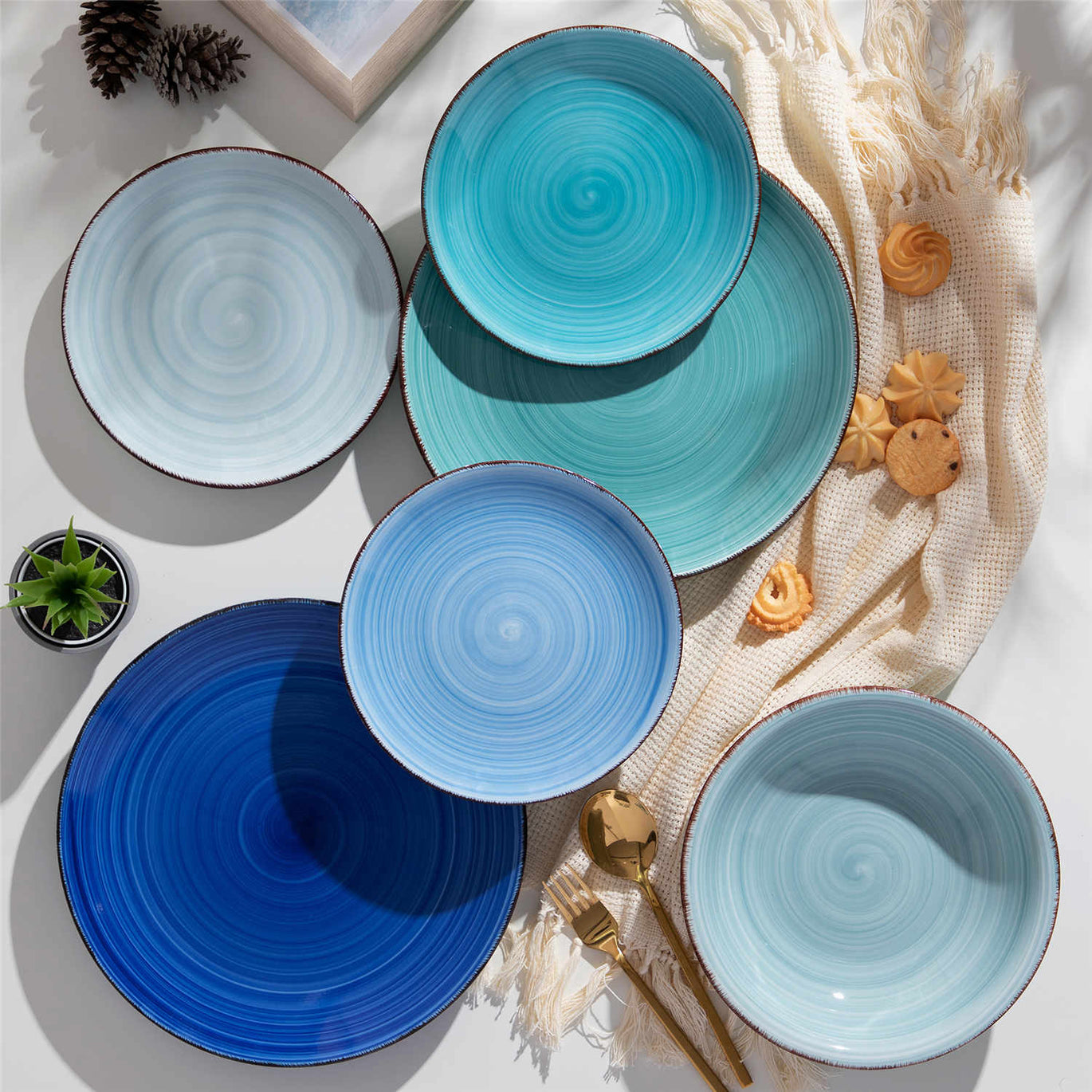


The Ritual of Using Ceramics During Intermittent Fasting

Intermittent fasting is often described in numbers and lab values, but most of us experience it in very human moments: a quiet morning with a warm mug, the first bite on a favorite plate after a long pause, the clink of a spoon on a handmade bowl that says, “This meal matters.” As someone obsessed with colorful tableware and equally fascinated by the science of eating patterns, I have learned that the objects we hold can make fasting feel either harsh and clinical or beautifully, joyfully intentional.
This article weaves two threads together. One is the evidence-based story of intermittent fasting: what it is, what researchers have found, and who might benefit or need to be careful. The other is a more tactile story about ceramics: how mugs, bowls, and plates can become anchors for your fasting ritual, helping you honor your body, respect the science, and still delight in a table that feels alive and personal.
Intermittent Fasting in Plain English
Intermittent fasting is a pattern of eating that focuses on when you eat more than on specific lists of foods. A review from the New England Journal of Medicine describes common versions: daily time-restricted eating where you eat within about 6–8 hours and fast the rest of the day, alternate-day fasting where one day is normal intake and the next is very low or no calories, and the “5:2” style where two days a week are sharply reduced in calories while the others are normal. Articles from Johns Hopkins Medicine, Harvard Health, Mayo Clinic, and Obesity Medicine describe similar patterns, all emphasizing that this is voluntary fasting, not forced starvation; the difference matters both ethically and physiologically.
Under the hood, many of the benefits come from what researchers call the “metabolic switch.” After roughly 10–16 hours without calories for many people, the body runs through its easy-access sugar stores and shifts to burning stored fat. A New England Journal of Medicine review and several narrative reviews on metabolic health explain that this switch increases fat burning and produces small molecules called ketone bodies, which the brain and other organs can use as fuel. Those ketones are not just fuel; they also act as signals that can enhance cellular repair, stress resistance, and anti-inflammatory pathways.
Across multiple systematic reviews and meta-analyses in journals such as BMC Medicine, Cureus, and other medical reviews, intermittent fasting consistently shows that it can reduce body weight and improve cardiometabolic markers in adults with overweight, obesity, or metabolic syndrome. A narrative review of clinical studies reports typical weight-loss ranges around 4–10 percent of body weight over several weeks to months in people with excess weight, with alternate-day fasting sometimes yielding about one and a half to two pounds of loss per week and 5:2 patterns closer to about half a pound per week. Harvard Health notes that more modest, steady loss of about half to one pound per week is common and sustainable when fasting is paired with sensible portions and nutritious foods.
Beyond weight, an umbrella review in BMC Medicine and a meta-analysis in Cureus highlight improvements in blood pressure, triglycerides, LDL cholesterol, and markers of insulin resistance in many studies, especially among people with metabolic syndrome. Reviews on intermittent fasting and metabolic health report that time-restricted eating can reduce blood sugar, blood pressure, and inflammatory markers even without detailed calorie counting, particularly when people naturally eat less and choose higher-quality foods during their eating windows.
The story gets more nuanced when we look at the brain. Experimental and review articles collected by neurology and nutrition researchers suggest that fasting-induced ketones may support brain-derived neurotrophic factor (BDNF), mitochondrial health, and synaptic plasticity, potentially protecting against neurodegenerative diseases in animal models. Clinics and blogs from neurologists and psychologists report that many people feel clearer and less foggy after several fasting cycles. At the same time, a two-month study in healthy adults using a 16:8 time-restricted schedule found no meaningful differences in cognitive performance, mood, or sleep compared with a non-fasting control group, and a comprehensive scientific review on intermittent fasting and cognition concludes that short-term human trials in healthy people show no consistent cognitive advantages. In other words, some individuals genuinely feel sharper, but strong, long-term evidence for mental performance in otherwise healthy adults is still limited.
Multiple sources, including the New England Journal of Medicine review, Harvard Health, Mayo Clinic, and Mass General Brigham, agree on one key point: intermittent fasting is an option, not a magic cure. For some, it is easier than counting every calorie. For others, the structure is stressful, socially disruptive, or medically risky. Long-term data are still emerging, and the best eating pattern is the one that meaningfully improves your health, fits your life, and is safe for your specific body.
Why Ritual Matters When You Are Eating Less Often
When you cut down the number of hours you eat, every eating moment suddenly feels louder. The first sip of coffee during a fasted morning, the first bite after a long overnight break, the final cup that signals the kitchen is closed become emotional punctuation marks in your day. Psychological writing on intermittent fasting emphasizes that structured windows can build self-discipline and a sense of control, particularly when they help distinguish true hunger from stress or habit-driven eating. At the same time, mental-health experts caution that overly rigid rules can backfire, especially for people with a history of disordered eating or anxiety around food.
This is where ceramics come in, not as a medical device, but as a sensory ritual. In my own practice with a 16:8 schedule, the mugs and plates I use are not neutral. A tall, cool tumbler means, “This is my fasting window, I am hydrating and focused.” A wide, handmade bowl means, “Now I feed myself well.” A tiny cup of tea after dinner whispers, “We are done tonight.” Clients who love tableware often tell me the same thing: when the vessels are beautiful, the pause between meals feels less like deprivation and more like an intentional ceremony.

The Fasting Window: Clay, Clarity, and Zero Calories
Most intermittent fasting protocols encourage plenty of zero-calorie fluids during fasting periods. Johns Hopkins Medicine, Harvard Health, and UC Davis Health all describe water, unsweetened herbal tea, and black coffee as standard choices, and UC Davis notes that broth can be helpful on more demanding fasting days to prevent dehydration, particularly in alternate-day patterns. In the first couple of weeks, people often report hunger, irritability, headaches, or fatigue as the body gets used to longer breaks between meals; Mayo Clinic and Mayo Clinic Health System list these symptoms and note that they usually ease as the body adapts.
I like to think of the fasting window as the “ceramic hydration chapter” of the day. Instead of drinking from disposable containers or random glasses, I choose one or two specific vessels that belong to my fasting ritual. A tall stoneware tumbler sits on my desk, glazed in a color that feels cool and grounding. It holds a generous amount of water, so every refill feels like a deliberate act rather than a rushed gulp. A thick-walled mug keeps herbal tea warm, and its weight in my hands satisfies some of the same sensory craving that snacking used to fill.
There is also research on much longer water-only fasts, though these are very different from everyday intermittent fasting. An eight-day water-only fast in healthy, middle-aged men with prior fasting experience, conducted under daily medical and psychological supervision, led to significant reductions in weight, blood pressure, and blood sugar, and a clear shift into ketosis without harming measured cognitive performance or self-reported well-being. Another closely monitored study combining eight days of water-only fasting with maximal exercise tests found strong metabolic adaptations, including increased fat use and ketone production, but also notable rises in uric acid and stress hormones. These studies highlight that prolonged water-only fasting is a powerful physiological stressor, and the authors emphasize that such regimens should be reserved for carefully screened, supervised participants rather than self-guided experiments at home.
For our purposes, the takeaway is more modest: even shorter fasting windows deserve respect. A ceramic mug will not change your insulin levels, but it can slow you down, remind you to drink, and make the fasting hours feel like a deliberate practice instead of a test of willpower. The more your senses feel cared for, the less likely you are to rebel against the schedule you chose.

Breaking the Fast: Plates That Respect Your Metabolism
The first meal after a fast is a small metabolic celebration. By the time you reach your eating window in a 16:8 or similar pattern, your body has likely spent several hours drawing more heavily on stored fat and ketone bodies. Reviews on intermittent fasting and metabolic health, along with the New England Journal of Medicine overview, describe how returning to food is an opportunity to feed cells with nutrient-dense fuel so they can rebuild, repair, and replenish.
This is where a favorite plate or bowl comes into the ritual. Instead of grabbing whatever is clean, I choose a wide, shallow bowl with a glaze that flatters the colors of the meal. Clinical guidance from Johns Hopkins Medicine and the New England Journal of Medicine emphasizes pairing intermittent fasting with a high-quality, plant-rich pattern of eating, often similar to a Mediterranean-style diet with plenty of vegetables, whole grains, healthy fats, and lean protein. When I serve my first meal into a bowl that literally frames those colors, it feels like I am honoring both the science and the art.
From weight-loss studies summarized in narrative reviews and Harvard Health, we know that people do not automatically lose fat just by skipping breakfast or dinner. When they compensate by overeating during the eating window, weight and metabolic markers may not improve. Many successful trials show benefits because overall intake goes down and food quality goes up. I use ceramics to support those realities. A slightly smaller plate with a generous rim makes a moderate portion look abundant. I naturally let vegetables spill into the largest visual area, then nestle protein and grains alongside. This is not a strict fraction; it is a visual language that says, “Most of what I eat is colorful and alive.”
Ceramics also slow the experience. A handmade plate or bowl often has small irregularities, subtle texture, and edges that invite you to pay attention. That gentle friction can encourage you to put your fork down between bites, notice fullness cues, and give your gut time to register that food has arrived, all of which support the behavioral side of intermittent fasting that no lab value can fully capture.

Evening Closure: A Cup That Says the Kitchen Is Closed
Eating in sync with your internal clock is another quiet but important theme in fasting research. Reviews on intermittent fasting and circadian biology describe how aligning meals with daylight and avoiding late-night eating can improve metabolic health, while misaligned patterns are linked to higher risks of metabolic and mood disorders. Some time-restricted eating studies use early eating windows that end in the late afternoon or early evening and report improvements in blood pressure, blood sugar, and inflammatory markers even without explicit calorie counting.
In real life, early dinners are not always possible, but you can still use ceramics to mark a clear stop. In my own 16:8 pattern, I aim for my last bite around 7:00 PM. My closing ritual is a small, delicate cup reserved only for the final beverage of the day, usually herbal tea or simply hot water with a slice of citrus. When that cup is empty and washed, the kitchen is closed. The cup becomes a boundary object, a friendly but firm signal that the eating window is over.
This small ceremony helps with one of the most common real-world challenges: evening grazing. Mayo Clinic, Mass General Brigham, and Harvard Health all note that fasting patterns can be undermined if people snack through the evening or push their eating window very late, especially when those snacks are highly processed or sugary. My closing cup does not rely on willpower alone. It relies on repetition and sensory memory. Eventually, you do not just know the kitchen is closed; you feel it when your hands touch that familiar clay.

The Science in Brief: Pros and Cons of Intermittent Fasting
What the Research Supports
Multiple lines of evidence point to intermittent fasting as a legitimate, evidence-backed option for improving metabolic health in many adults, especially those with overweight, obesity, or features of metabolic syndrome. A comprehensive umbrella review in BMC Medicine, a systematic review and meta-analysis in Cureus, and narrative reviews on intermittent fasting and metabolic health report consistent reductions in body weight, waist size, blood pressure, triglycerides, and LDL cholesterol in many trials. In people with obesity or type 2 diabetes, intermittent fasting often lowers fasting glucose, insulin, and markers of insulin resistance, sometimes with effects comparable to or slightly better than continuous daily calorie restriction when overall intake is similar.
A narrative review of intermittent fasting trials notes that, over four to twenty-four weeks, people with excess weight typically lose about 4–10 percent of their starting body weight when they adhere to fasting protocols, with alternate-day fasting sometimes leading to weekly losses around one and a half to two pounds and 5:2 patterns yielding slower but still meaningful changes. These reviews emphasize that most of the benefit appears to arise from overall calorie reduction and improved metabolic flexibility as the body alternates between fed and fasting states.
Cardiometabolic benefits go beyond the scale. Reviews and small human trials describe improvements in blood pressure, cholesterol profiles, inflammatory markers, and markers of fatty liver disease. Some supervised patients with type 2 diabetes have even been able to reduce or stop insulin therapy in the context of carefully monitored fasting protocols, though this is not something to attempt without close medical supervision. For people with progressively increasing weight or metabolic syndrome who struggle with standard calorie-restriction diets, several reviews recommend intermittent fasting as a viable alternative approach.
Regarding the brain and emotions, mechanistic work in animals and human observational data suggest potential benefits, including increased BDNF, enhanced neuronal stress resistance, improved synaptic plasticity, and possible protection against neurodegenerative processes. Neurology-focused articles and psychology pieces describe people reporting less brain fog, more stable mood, and a feeling of mental lightness after acclimating to fasting. However, controlled human data in otherwise healthy adults are more tempered. A two-month trial of 16:8 time-restricted eating in healthy participants did not find significant improvements in attention, memory, mood, or sleep compared with controls, and a broad scientific review of intermittent fasting and brain function concludes that strong evidence for cognitive enhancement in healthy people is still lacking. Where the data are more encouraging is in specific clinical populations and animal models, not in everyday productivity promises.
Still, the emotional and behavioral dimensions matter. Psychology-focused articles note that the structured nature of intermittent fasting can help some individuals distinguish real hunger from habit or emotion-driven eating, reduce grazing, and foster a sense of mastery that spills over into other healthy behaviors like movement and sleep. In my experience, layering ceramic rituals on top of that structure makes the pattern gentler and more sustainable, even if the glaze color has never been measured in a lab.
Real Risks, Side Effects, and Unknowns
Alongside the promise, responsible fasting requires respect for its risks and unknowns. Medical centers such as Johns Hopkins, Harvard Health, Mayo Clinic, Mayo Clinic Health System, and Mass General Brigham all highlight common early side effects: hunger, fatigue, headaches, irritability, difficulty concentrating, nausea, constipation, or trouble sleeping, especially in the first couple of weeks as the body adapts. Many people find these symptoms fade after about two to four weeks, but they can be intense enough to make fasting impractical or unwise for some.
More serious concerns arise in people with chronic conditions or on certain medications. Narrative and clinical reviews warn of possible hypoglycemia in people with diabetes using glucose-lowering drugs, dehydration when fluid and electrolyte intake is inadequate, and potential deficiencies in protein, vitamins, and minerals if fasting is combined with poor diet quality. Some reviews raise questions about loss of lean muscle and bone density in certain populations, especially when weight loss is rapid and resistance training or adequate protein intake are missing. A narrative review notes mixed findings on lean mass: some studies show preservation, others suggest greater fat-free mass loss compared with continuous calorie restriction.
Long-term safety data are still limited. The umbrella review in BMC Medicine, the Cureus meta-analysis, and analyses summarized by Harvard and Mayo all emphasize that most human studies follow participants for weeks to about a year, often with relatively small sample sizes and considerable variation in fasting schedules and outcomes. One analysis cited by Mayo Clinic Health System suggests that certain time-restricted patterns might be associated with increased cardiovascular risk, though this line of research is early and needs replication. Taken together, the literature strongly supports short- to medium-term metabolic benefits for many, but is not yet definitive about the best schedule or long-term effects across diverse populations.
Lastly, there are social and psychological costs. Fasting can interfere with cherished breakfast or dinner gatherings, make restaurant planning tricky, and, in some people, trigger obsessive thinking about food or weight. Mayo Clinic, Mass General Brigham, and psychology writers stress that anyone with a history of eating disorders, significant anxiety about food, or unstable mood around restriction should be especially cautious.
Who Should Not Fast, No Matter How Pretty the Plate
Most major medical sources agree on groups for whom intermittent fasting is generally not recommended unless there is a compelling, supervised medical reason. Children and teenagers who are still growing, pregnant or breastfeeding individuals, and people with type 1 diabetes who use insulin are consistently listed as groups for whom fasting can be unsafe. Those with a history of eating disorders, people at high risk of falls or bone loss, frail older adults, and many high-level athletes who need steady fueling for performance are also typically advised against structured fasting without specialized guidance.
People on medications that must be taken with food or at specific times, such as certain blood pressure or heart medications, should only attempt fasting under the close eye of a healthcare provider, because changing meal timing can alter drug effects. The eight-day water-only fasting studies underline that long, intense fasts are appropriate only for carefully screened, experienced individuals in structured settings with daily check-ins from physicians and psychologists. Beautiful ceramics can support enjoyment and mindfulness, but they cannot neutralize biological realities. Before changing your eating pattern, especially if you have medical conditions or take prescription medications, a conversation with your healthcare team is essential.
Crafting Your Ceramic Fasting Ritual
Now, let us come back to the table.
On paper, my usual pattern looks like a textbook example of time-restricted eating: an eight-hour eating window roughly from late morning to early evening, and a sixteen-hour stretch without calories that includes sleep. In real life, it looks like a series of small, colorful rituals centered on clay.
When I wake up, I head straight to the sink, rinse my favorite tall tumbler, and fill it with cool water. This tumbler is intentionally heavy with a soft matte glaze, a piece that feels like a sturdy friend rather than a fragile ornament. I keep refilling it through the morning, sometimes adding herbal tea later. Johns Hopkins Medicine and Harvard Health both emphasize hydration during fasting, and this vessel is my hydration coach, sitting patiently by my laptop.
Late morning, when my eating window opens, I do not “break my fast” over the sink or at my desk. I pull a wide, shallow bowl from the cabinet, usually a light base color that makes vegetables glow. Drawing on clinical advice to pair intermittent fasting with a plant-forward, Mediterranean-leaning pattern, I naturally build the meal so vegetables occupy the most visual space, with legumes, fish, eggs, or another protein and some whole grains arranged around them. This is not about measuring; it is about letting the bowl’s generous surface invite variety and color. Research reviews tell me that diet quality matters, that fasting works best when paired with nutritious foods. My bowl helps me live that out without a calculator.
If I choose to enjoy a treat later in the day, I serve it intentionally rather than nibbling from a package. A small dessert dish with a playful pattern turns a few squares of dark chocolate or a modest portion of something richer into a moment, not a blur. Clinical guidance from Harvard, Mayo, and others makes it clear that overeating during the eating window can negate weight and metabolic benefits. The tiny plate is my joyful brake pedal.
As evening approaches, I plan my final meal with the same attention. Once I am done, I heat water, choose my designated closing cup, and sit with it away from screens. This cup is smaller, thinner, and a little more fragile, a reminder that my day is winding down. When it is washed and dried and back on its shelf, the visual cue is powerful enough that late-night snacking feels slightly “off script.” I am not relying on grit; I am relying on rhythm.
Matching Ceramics to Your Fasting Style
Researchers and clinicians emphasize that there is no single “best” intermittent fasting schedule. The most suitable one depends on your health, medications, work hours, and personality. An umbrella review in BMC Medicine and a narrative review in the New England Journal of Medicine both stress tailoring and gradual adoption rather than jumping into extreme protocols. With that in mind, you can pair different fasting approaches with different ceramic rituals.
Fasting style |
What research often uses it for |
Ceramic ritual idea |
Daily 16:8 time-restricted eating |
Many weight-loss and metabolic-risk trials in adults with overweight or obesity; often comparable to daily calorie restriction when portions stay moderate and diet quality is high |
Choose one generous water mug for the fasting hours and one wide, shallow bowl for your first meal; let their consistent shapes cue the switch from fasting to feeding. |
5:2 intermittent energy restriction |
Weight-loss and metabolic-syndrome studies where people eat very little on two nonconsecutive days each week while eating normally on the others |
Dedicate a calm, minimalist bowl and cup to your lower-calorie days so they feel intentional and comforting rather than like punishment. |
Occasional 24-hour fast under supervision |
Used less often, sometimes as weekly or monthly interventions in closely monitored settings rather than casual home experiments |
If your clinician approves this, anchor the day with a favorite carafe and mug for water or broth so you stay hydrated and grounded. |
This table is not a prescription; it is a palette. Whatever your schedule, the goal is to let your ceramics become visual and tactile reminders of the approach you and your care team choose, not to dictate that approach on their own.
FAQ: Ceramics, Fasting, and Everyday Life
Does drinking from a ceramic mug break my fast?
It is not the mug that breaks the fast; it is what you put in it. Medical centers such as Johns Hopkins, Harvard, and Mayo describe standard fasting-friendly drinks as plain water, unsweetened tea, and black coffee. Some protocols, particularly more intense alternate-day plans, may allow small amounts of broth or very low-calorie beverages, but any sugar, cream, sweetened milk, or caloric drink technically interrupts a strict fast. If you are experimenting under medical supervision, follow the specific guidelines your clinician gives you. For everyday time-restricted eating, a ceramic mug filled with water or herbal tea is fully compatible with the fast itself.
Is there any proof that ceramics change fasting results?
There are no clinical trials, to my knowledge, that compare ceramic versus paper cups and then measure weight loss or insulin levels. The scientific literature focuses on fasting schedules, total energy intake, diet quality, and metabolic outcomes, not on the material of your cup. What the research does underline, in reviews from the New England Journal of Medicine, Harvard Health, and others, is that adherence and sustainability are crucial. If you can comfortably maintain a fasting pattern over months, you are more likely to see benefits. In that sense, ceramics are a design tool rather than a medical one. They create pleasurable rituals and clear cues that make it easier to keep the promises you have made to your body.
I love long dinners. Can I still try intermittent fasting?
Possibly, but the pattern may need tailoring. Some time-restricted eating schedules emphasize earlier eating windows, which can clash with late social dinners. Mayo Clinic, Mass General Brigham, and psychology writers all caution that any eating pattern that consistently disrupts your social life or causes stress is less likely to be sustainable. You might explore a gentler version, such as a 12-hour overnight fast that still leaves room for dinner, or a slightly shorter eating window on days without late events. Another option is to focus less on strict fasting and more on improving diet quality and portions while preserving your cherished evening meals. Ceramics can still support you here: use your most beautiful plates for those dinners and keep a small, clear boundary around after-dinner snacking, even if your overall fasting window is shorter. Whatever you choose, a conversation with your healthcare provider can help you match your goals with your lifestyle instead of fighting against it.
When you eat less often, each moment with food becomes more precious. Intermittent fasting, when it is safe for you and guided by sound medical advice, can reshape your metabolism and your relationship with hunger. Ceramics add another layer: a way to turn evidence-based patterns into lived rituals, so your water, your first bite, and your final cup feel like acts of care rather than rules to endure. May your bowls be generous, your mugs steady, and your fasting windows filled with color, calm, and a very real sense of joy.
References
- https://www.health.harvard.edu/staying-healthy/can-intermittent-fasting-help-with-weight-loss
- https://pmc.ncbi.nlm.nih.gov/articles/PMC10421233/
- https://health.ucdavis.edu/blog/good-food/intermittent-fasting-benefits-how-it-works-and-is-it-right-for-you/2022/02
- https://journal.trialanderror.org/pub/intermittent-fasting
- https://www.annualreviews.org/doi/10.1146/annurev-nutr-071816-064634
- https://www.hopkinsmedicine.org/health/wellness-and-prevention/intermittent-fasting-what-is-it-and-how-does-it-work
- https://www.mayoclinichealthsystem.org/hometown-health/speaking-of-health/intermittent-fasting-fad-or-solution
- https://www.npjournal.org/article/S1555-4155%2823%2900395-1/fulltext
- https://obesitymedicine.org/blog/intermittent-fasting/
- https://utswmed.org/medblog/does-intermittent-fasting-work/
You may also like
Stern 16 Piece Dinnerware Set
- $88.00
$100.00- $88.00
- Unit price
- per
-
Blue
-
Green
-
Red
-
Grey
Simi 24 Piece Dinnerware Set
- $100.00
$135.00- $100.00
- Unit price
- per
Bonita 18 Piece Dinnerware Set
- From $63.00
$78.00- From $63.00
- Unit price
- per
-
Blue
-
Multicolor
Starry 16 Piece Dinnerware Set
- $88.00
$90.00- $88.00
- Unit price
- per
-
Blue
-
Green
-
Red
-
Gradient Green