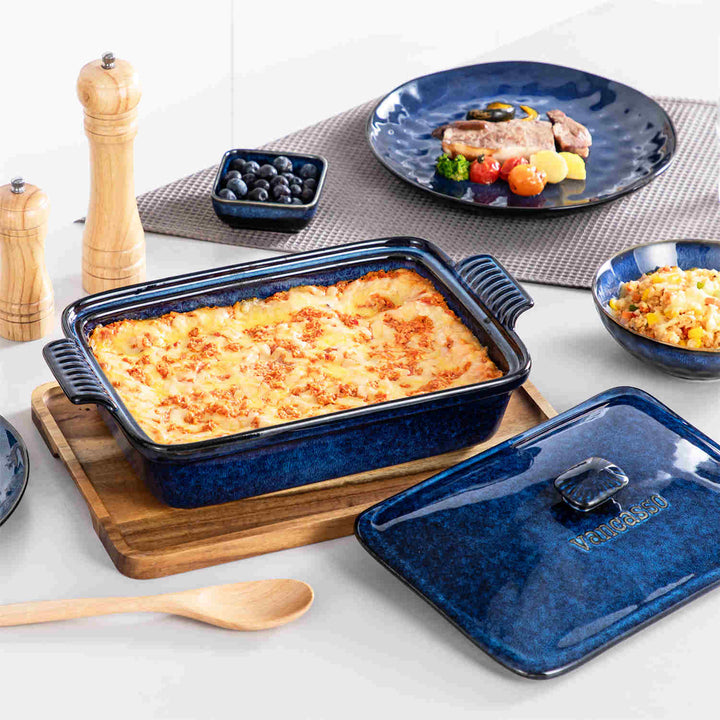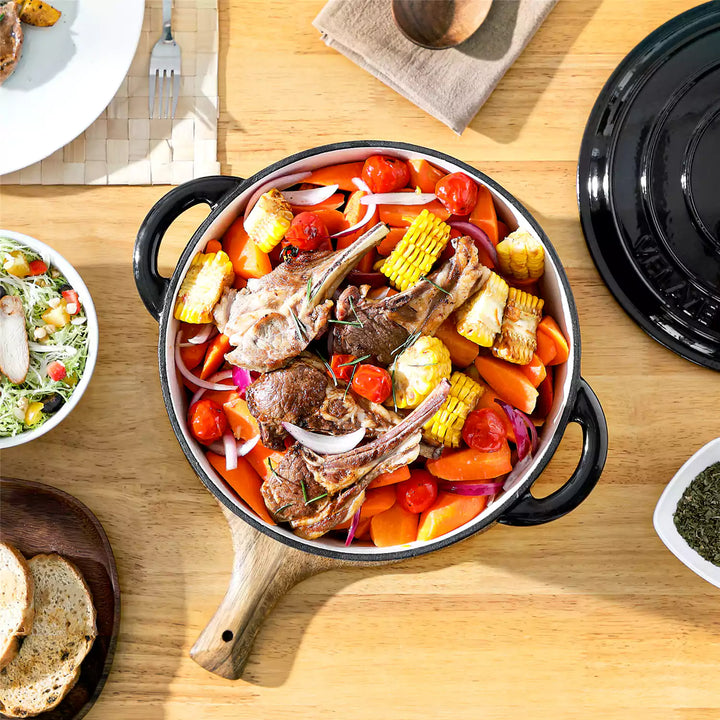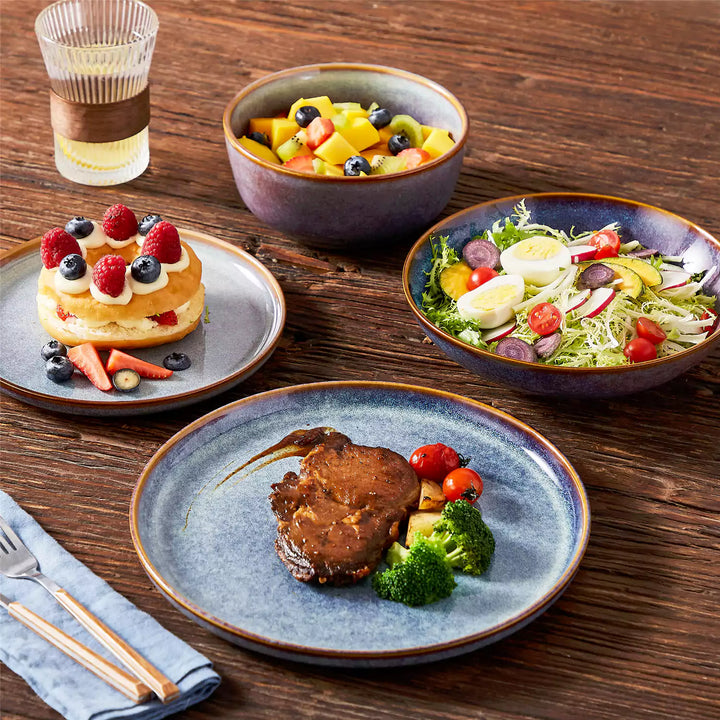


Dinnerware is a key factor when it comes to creating a classy table. Bone china and porcelain dinnerware sets are two of the most popular choices for formal dining. They are not identical, and both have a long history of quality, refinement, and beauty. The choice is not only about aesthetics because each material has its own characteristics regarding appearance, durability, care, and cost.
Have you ever been confused about whether to invest in bone china or the finest porcelain dinnerware sets? This guide will take you through the major differences and help you determine which one is best suited to your formal dining events.
What is Bone China and Porcelain? Unveiling the Basics
Bone china and porcelain are frequently lumped together under the umbrella of fine ceramics, yet their composition and history distinguish them.
Porcelain is produced by firing a blend of kaolin (a fine white clay), feldspar, and quartz at very high temperatures, usually over 1,300°C. This is what makes porcelain so hard, translucent, and white. The outcome is a versatile and classy porcelain dinnerware set, which can be used in daily meals and in elegant parties.

Bone china, however, is a finer version of porcelain, which adds bone ash (usually cattle bone ash) to the blend prior to firing. Bone ash is added to produce a lighter, more delicate substance with a slightly warmer, ivory-colored translucency. Bone china is also considered to be very prestigious in terms of its ethereal look and its application in formal dining is usually linked to prestige and tradition.
Major Differences: Head-to-Head Comparison
Although there are similarities between bone china and porcelain, the differences can be significant when selecting the appropriate set to use during formal dining.
Appearance
Porcelain is generally white and can range from simple white porcelain dinnerware collections to highly decorated, patterned collections. Bone china is warmer and creamier in color and is more transparent when placed in front of the light, which gives it a lighter grace.
Weight and Feel
Bone china is lighter and more delicate to touch, whereas porcelain is heavier and feels firmer in the hand. There are those diners who like the lightness of bone china and others who like the weightiness of porcelain.
Translucency
Take a bone china plate and hold it to the light and you will find it glowing. Porcelain is not always translucent, but is usually less so. This faint light is one of the reasons why bone china is usually used during special or formal meals.
Design Options
Porcelain is more diverse, with modern, minimalist dinnerware collections and elaborate, traditional patterns. Bone china is more inclined to traditional beauty, but contemporary brands are also trying smooth, modernized designs.

Durability, Care, and Cost Considerations
The main factors to consider when investing in formal dinnerware are durability and practicality.
Durability
Although it looks delicate, bone china is surprisingly strong due to the presence of bone ash, which makes it more resistant to chips than porcelain. Porcelain is denser and harder, but it may be more fragile to some impacts.
Care
The majority of contemporary porcelain dinnerware collections are dishwasher-safe and stain-resistant. Although bone china can also be washed in the dishwasher, it needs a little more attention to prevent scratches, especially with metal utensils. The two materials may be utilized in the microwave unless they are adorned with metallic accents such as gold or platinum trim. Proper maintenance techniques can significantly extend the lifespan and preserve the beauty of both bone china and porcelain pieces.
Cost
Bone china is usually costlier than porcelain because of its composition and the painstaking process of its production. Porcelain is available at a variety of prices, including low-end, everyday white porcelain dinnerware sets, and expensive, hand-made collections.
How to Choose Between Bone China and Porcelain for Formal Settings
The decision between bone china and porcelain is a matter of personal preference, the way of dining, and the budget.
- For Timeless Elegance: When you want your formal dining to be full of tradition and elegance, it is difficult to resist bone china. Its fine translucency and luxurious touch render it a fine dining symbol.
- For versatility: Porcelain is ideal in daily life and in formal meals. It is the more versatile one with the possibility of minimalist contemporary dinnerware sets to the more elaborate fine designs.
- For Practicality: In case you intend to use your dinnerware frequently and desire something that is durable and stylish, then porcelain can be a better investment. Bone china is perfect when it comes to special occasions where presentation is the most important.

The Decision: Which Is More Suitable for Your Formal Dining?
So, which is better bone china or porcelain? The answer depends on what you value most.
When you are more concerned with luxury, delicacy, and that indefinable glow that makes a meal a memorable experience, then bone china is the obvious choice. Its lightness, creamy translucency, and the connotation of classiness make it the ideal one to use during milestone events like weddings, anniversaries, and high-end dinner parties. The possession of bone china is an indication of a fondness for tradition and elegance, in which the table setting itself becomes a part of the narrative.
Porcelain, on the other hand, is the way to go when you want durability, variety, and versatility. Porcelain leaves you with more room to experiment unlike bone china which tends to lean towards timeless luxury. Whether it is the traditional white porcelain dinnerware sets that match any table decoration or the modern dinnerware sets that give a modern touch, porcelain fits well in both casual meals and formal banquets. It is a combination of the two worlds, being fancy enough to host guests, but convenient enough to use on a daily basis.
Finally, bone china and porcelain are both good options in formal dining. It is not a question of what material is objectively superior, but what fits your lifestyle, aesthetic tastes, and budget. You may be more inclined to the fine art of bone china or the utilitarian style of the finest porcelain dinnerware sets, but either way, you will be taking your meal to a new level and impressing your guests with the new style.

FAQs about Bone China and Porcelain Dinnerware
Q1: Is Porcelain Stronger Than Bone China?
A: Yes, bone china is usually more resistant to chips than porcelain, although it has a delicate appearance, due to the inclusion of bone ash.
Q2: Is It Possible to Put Bone China and Porcelain in the Dishwasher?
A: The majority of contemporary collections of both materials can be washed in a dishwasher. Nevertheless, do not use strong detergents, and do not put the parts with metallic accents in the dishwasher.
Q3: Is Bone China or Porcelain More Expensive?
A: Bone china is generally pricier because of the bone ash and its luxurious status. Porcelain comes in a very diverse price range.
Q4: Can Porcelain Dinnerware Sets Be Used on a Daily Basis?
A: Yes, porcelain is strong and convenient enough to use in everyday meals and at the same time provides the elegance of special occasions.
Q5: Is It Possible to Combine Bone China and Porcelain Dinnerware?
A: Absolutely. Combining bone china and porcelain can make a special and stratified table setting, particularly when you select matching designs or colors.