



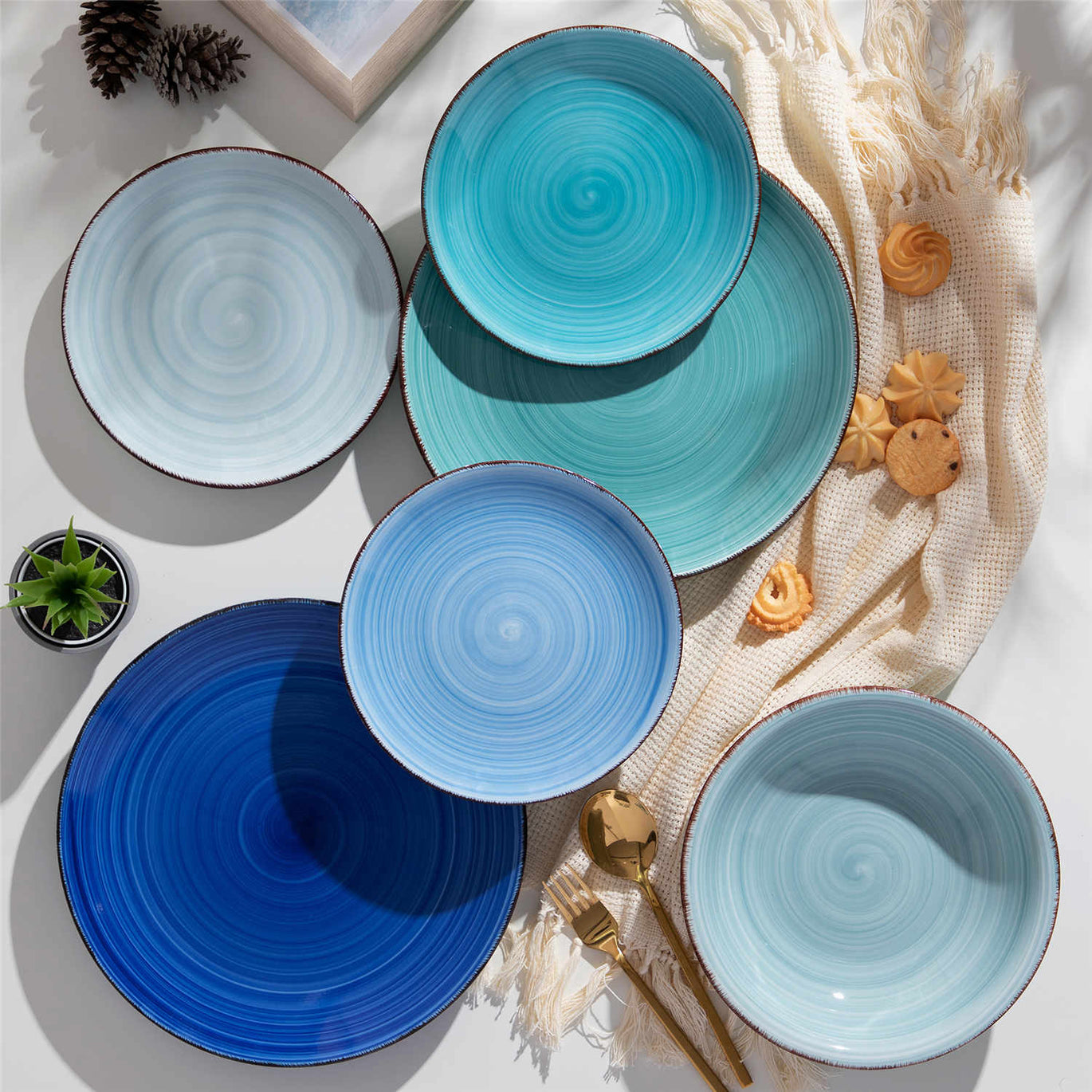


Oven-Safe Dinnerware: Can You Put Your Plates in the Oven
Warming your food between the kitchen and the table is a game-changer in home dining. Baking, roasting, or reheating, dinnerware that can easily transition between the oven and the table makes life easier and meals more enjoyable. However, before you place that gorgeous lasagna dish in the oven, you should first question: Is your plate oven-safe?
What is the Meaning of Oven-Safe?
Oven-safe is a term used to describe dinnerware that is safe to use in a conventional oven without breaking, melting, cracking, or leaching harmful chemicals. But not every dish is equal. Some materials, such as stoneware and porcelain, are naturally heat-resistant, whereas others can appear sturdy but are not suitable to use in the oven.
Dinnerware that is oven-safe is designed to withstand prolonged exposure to heat, usually up to 350°F to 500°F, without losing quality or integrity. One should keep in mind that not all oven-safe is broiler-safe or microwave-safe, and every dish must be evaluated according to its specifications.
The Way to Know Your Plate is Oven-Safe
Look out for an Oven-Safe Symbol
Most contemporary dinnerware pieces are marked with symbols on the underside. The simplest sign is a small icon of an oven or a word like oven safe. This can also be confirmed by the box or manufacturer’s guide in case the dish is part of a set.

Examine the Material
The most dependable hint is the material composition. Typical oven-safe materials are:
- Stoneware
- Porcelain
- Cast iron
- Tempered glass (such as Pyrex)
- Certain ceramics
Do not place plastic, melamine, wood, or bone china in the oven, because they are either flammable, likely to crack, or not intended to withstand high temperatures.
Refer to the Manufacturer’s Instructions
In case of doubt, consult the documentation of the product or visit the brand site. Most manufacturers give specific temperature ranges and usage instructions on their products. As an example, vancasso tableware explicitly indicates that their sets are oven-safe, which makes them a convenient and fashionable option in terms of heat-and-serve convenience.
What Occurs When You Put the Wrong Plate in the Oven?
Plates that are not oven-safe may have hazardous results when used in the oven:
- Cracking or Shattering: Uneven heating can cause materials such as melamine or non-tempered glass to crack.
- Toxic Fumes: Plastic or melamine releases toxic fumes when heated above their safety limit.
- Food Contamination: Some dishes are glazed with lead or cadmium, which can leach into food when overheated.
- Fire Hazard: Wood, plastic, and dishes with metallic decorations may be fire hazards.
Not only do these hazards destroy your dinnerware, but they can also destroy your oven or even worse, cause injury. Never put a plate in the oven without checking.
The Good, The Bad, and The Ugly Oven-Safe Dinnerware Materials

The Good: 4 Oven-Safe Materials by Nature
- Stoneware: Stoneware is durable and rustic, and it holds heat well and is typically oven-safe to 450°F or more.
- Porcelain: Classy and durable, porcelain is heat-resistant and popular in both fine dining and daily cooking.
- Tempered Glass: Items such as Pyrex are oven-safe and have excellent heat distribution.
- Cast Iron: Cast iron dishes are heavier but unsurpassed in heat retention and are frequently used in oven-to-table serving.
The Bad: 3 Materials to Avoid
- Melamine: Light and colorful, but not oven-proof. It may distort or emit toxins when heated.
- Plastic: Not safe in the oven, no matter how thick or what kind.
- Wood: Tends to burn and split.
The Ugly: Watch out Glazes and Coatings
A dish may be unsafe even when the base material is oven-safe due to decorative glazes or metallic accents. Make sure that the whole thing, not just the main material, is oven-friendly.
Product Highlight: vancasso provides stoneware sets that are oven-safe and have a combination of beauty and thermal resistance. Their stylish designs are made to be oven-to-table.

The Hidden Danger: Thermal Shock
Thermal shock is a phenomenon that happens when a dish is subjected to a rapid temperature change. As an example, a cold plate in a hot oven, or a hot plate on a cold counter, may crack or shatter. Even oven-safe materials can be damaged when used improperly.
Prevention of Thermal Shock:
Room Temperature Transition: Allow refrigerated plates to reach room temperature before placing them in the oven.
Avoid Cold Surfaces: When taking hot plates out of the oven, do not put them on cold counters, but on trivets or wooden boards.
Slow Heating: You can put your dinnerware in the oven when it is preheating to enable it to rise slowly in temperature.
Even the most robust dishes may crack without thermal care. The secret to long-term oven-safe use is proper maintenance.
Important Safety Guidelines on Using Plates in the Oven
Preheat using the Plate: Where possible, warm your dish slowly in the oven to avoid the shock of the heat.
Max Temperature: Never exceed the recommended temperature range given by the manufacturer.
Avoid Direct Flame: Do not put oven-safe dishes on a stovetop or under a broiler unless specifically marked to do so.
Wear Oven Mitts: Oven-safe does not mean cool to the touch. Handle with mitts or heat-resistant pads.
Don’t Stack Hot Plates: Hot plates should be allowed to cool before being stacked or washed to prevent cracking or scratching.

Conclusion: Warm and Safe Serving of Your Meals
It is not only about saving your dinnerware, but also about cooking with confidence and keeping your home safe. It makes a difference whether you are reheating leftovers, baking individual casseroles, or serving directly out of the oven; the proper dinnerware can make a difference.
Dinnerware such as vancasso stoneware sets is a beautiful combination of beauty and functionality. Their oven-safe label is reassuring, and their contemporary, artistic designs make any meal special.
The next time you pick up a plate, make sure it can handle it. Some knowledge can go a long way in making ordinary meals warm and worry-free.
3 FAQs about Oven-Safe Dinnerware
Q1: Can Stoneware Go in the Oven?
Yes, the majority of stoneware can be used in the oven at 450-500 degrees. Nevertheless, it is always advisable to recheck the manufacturer’s instructions. Do not expose stoneware to sudden temperature changes, as this may cause cracking.
Q2: Is Stoneware Oven Safe?
Stoneware is normally produced to withstand high temperatures. Some brands, such as vancasso, actually make their stoneware dinnerware oven safe, so it is a safe bet to use it in the oven as well as serving.
Q3: Stoneware vs. Porcelain: Which is the Best to Use in the Oven?
Stoneware and Porcelain are great oven materials. Stoneware is more likely to hold heat and is more rustic in appearance, whereas porcelain is smoother and a little more resistant to thermal shock. The decision is based on style preference and particular oven-safe ratings.
You may also like
Stern 16 Piece Dinnerware Set
- From $75.00
$100.00- From $75.00
- Unit price
- per
-
Blue
-
Green
-
Red
-
Grey
Bonita 18 Piece Dinnerware Set
- From $63.00
$78.00- From $63.00
- Unit price
- per
-
Blue
-
Multicolor
Simi 24 Piece Dinnerware Set
- $100.00
$135.00- $100.00
- Unit price
- per
Starry 16 Piece Dinnerware Set
- $77.00
$90.00- $77.00
- Unit price
- per
-
Blue
-
Green
-
Red
-
Gradient Green