



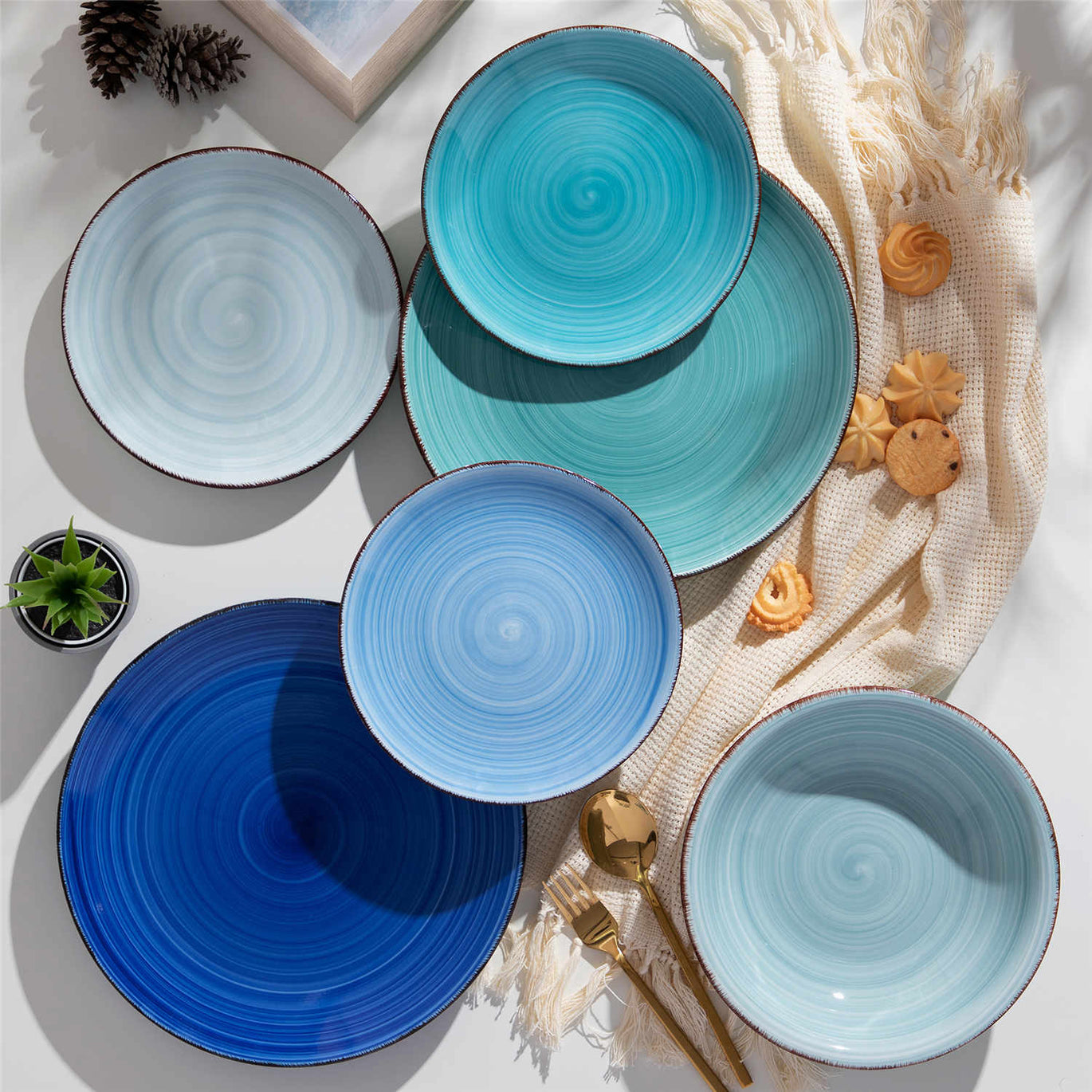


From Kitchen to Table: Why Oven-Safe Dinnerware is a Host's Best Friend
Good hosting is a combination of style and functionality, and nothing embodies this more than oven-safe dinnerware. Just think of taking a bubbling casserole out of the oven and setting it right on your lovely table. No transferring. No additional dishes. No stress.
Oven-safe pieces make it easy to cook and serve brunch, holiday meals, or weeknight dinners, and they look effortlessly stylish. This is more so when one uses stoneware oven-safe sets, which are durable as well as elegant.
Today, we will also address the most important questions, such as: Can stoneware be used in the oven? How do I know whether my plates are oven safe? And much more, exploring the materials, advantages, and tricks to make the most out of your kitchen-to-table experience.
What is the Meaning of Oven-Safe?
Oven-safe dinnerware is kitchenware that is specifically made to be used in an oven without cracking, warping, or leaching chemicals. It implies that you can cook, bake, reheat, or complete a meal in the same dish you intend to serve it in.
But not every material is equal. Others might appear to be ready to go in the oven but will break under pressure, literally. This is why it is important to know materials.

Common Oven-Safe Materials
Stoneware: A hard-wearing ceramic fired at high temperatures, which retains heat and is durable. It is an oven favorite.
Porcelain: A finer ceramic that can be oven safe when thick enough and glazed. Ideal to serve in style.
Borosilicate Glass: This kind of glass is designed to withstand thermal shock, and thus it is suitable for use in the freezer to the oven.
Cast Iron: Cast iron is a workhorse in the oven, often enameled to make cleaning easy. Ideal in slow roasts, gratins, and even desserts.
Materials to Be Avoided
Melamine: Melamine is lightweight and fashionable, but it should not be put in the oven.
Plastic: It goes without saying, but it should be mentioned. Not oven safe, even when microwave-safe.
Thin Glass or Inexpensive Ceramics: These can break when exposed to high temperatures without labeling or heat-tested composition.
Is Stoneware Oven Safe?
Yes! Among the most frequently asked questions by cautious home cooks is: Can stoneware be used in the oven? And the answer is a resounding yes, provided you take a few simple precautions.
Oven-safe stoneware is created using clay that is fired at very high temperatures and is therefore suitable for use in baking, roasting, and broiling. They are thick, heavy, and are meant to retain heat evenly, which is why they are ideal when it comes to dishes that require an even bake, such as lasagna, gratins, or even oven-roasted chicken.

However, there is a twist:
Stoneware should be:
- Labeled and high-quality oven-safe.
- Slowly warmed or cooled (no thermal shock).
- Not used directly on the stovetop or with an open flame.
Therefore, the next time you ask yourself, Can stoneware be put in the oven when it is still in the fridge, the answer is no. To prevent stress fractures, allow it to reach room temperature.
5 Oven-Safe Dinnerware Game-Changing Advantages
Oven to Table: No Fuss
The greatest victory? Less juggling and fewer dishes. Roast your vegetables, bake your side dish, or cook your main in one piece- and serve it as is. It appears deliberate and time-saving.
Having a brunch? Take a frittata out of the oven and serve it in the same stoneware oven-safe dish. It is rustic, comfortable, and effective.
Makes Food Warmer, Longer
Oven-safe dinnerware, such as stoneware or porcelain, does not cool as quickly as plastic or thin plates. Your guests will have their food warm even when they want to take a second serving.
This advantage is particularly evident when it comes to hearty dishes, stews, curries, or baked pastas that remain piping hot as you talk or pour drinks.

Attractive Presentation
Glazed stoneware and porcelain are naturally stylish, rustic, matte, or glossy colors. No matter what style you are going after, modern minimalism or farmhouse, oven-safe dishes will complement your tablescape with ease.
Actually, food stylists tend to use stoneware oven-safe sets because of their rustic and classy appearance on camera, and they are equally beautiful in your dining room.
Simplifies Cleanup
Fewer dishes, fewer cleaning. You are not cleaning individual baking dishes, serving dishes, and reheating dishes. Most oven-safe dinnerware is also dishwasher safe, so just put it in and you are done.
Ordinary Use and Special Occasion Style
Oven-safe does not imply holiday-only. Roast vegetables in these dishes when preparing a meal or reheat leftovers at dinner. They are durable and can be used on a daily basis, and their beauty can be used on special occasions.
A 3-Step Checklist on How to Identify Oven-Safe Dinnerware
When you are not sure whether a piece is oven safe or not, you can use this easy checklist before you test it.
Manufacturer Label or Stamp
Check the bottom of the dish to see phrases such as oven safe, heat resistant, or temperature ranges. Otherwise, look at the packaging or product site.
Material Type
It is probably oven-safe, especially when it is stoneware, porcelain, or borosilicate glass. However, check with the brand. Avoid dishes with metal rims or plastic trims unless marked.
Glaze and Age
Certain old or foreign foods may not be glazed with lead-free glazes or may break when heated. When you are not sure about that beautiful old casserole dish, use it only with cold or room-temperature foods.
Selecting Your Ideal Oven-Safe Dinnerware Set
The choice of oven-safe dinnerware is an opportunity to invest in both form and functionality. This is what to watch out for:
Select Stoneware as a Versatile Option
Stoneware oven-safe sets are your best bet when you need a reliable, long-lasting material that is as good as it is beautiful. Bake pasta, roast potatoes, or even cobbler with them.

Choose Porcelain for Lightweight Elegance
Porcelain is less dense than stoneware and tends to be smoother and whiter. Choose porcelain when your entertaining style is formal.
Seek Full Set Options
Good sets are baking dishes, large serving platters, small bowls, and deep dishes to hold lasagna or roasts. Entertaining is easy with a coordinated oven-safe dinnerware set.
Finish and Color Count
Never underestimate the power of color. Go neutral to be timeless, or select colored glazes to give your table some personality. Matte finishes dishes are more contemporary, whereas glossy glazes are shiny and warm.
5 Pro Tips on Using Stoneware in the Oven Like a Chef
You have chosen your stoneware oven-safe dishes- now use them like a pro with these best practices:
Oven Preheat
Stoneware adores uniform heat. Put it in the oven either before or during preheating, not when the oven is already blazing.
Prevent Temperature Shock
Do not take your stoneware out of the freezer or fridge and put it in a hot oven. Allow it to warm slowly to avoid cracking.
Avoid Direct Heat
Stoneware is not intended to be used on stovetops, open flames, or grills. It is ideal in dry, even oven heat.
Season Unglazed
Other stoneware items are unglazed. Here, they can be seasoned with a little oil at times to form a natural nonstick surface.
Soft Utensils
Do not use metal forks or knives to scratch the glaze. Choose wood, silicone, or nylon instruments.
Conclusion: The Smart Hosts’ Preference for Easy, Classy Entertaining
Oven-safe dinnerware is a necessity when it comes to entertaining with ease and style. It allows you to prepare, cook, serve, and clean up with little effort, all the time enhancing the appearance of your table. And as far as material is concerned, there are not many things as dependable and gorgeous as stoneware oven-safe dishes.
Therefore, the next time you are hosting a dinner party, brunch with friends, or just want to make Tuesday night pasta feel special, reach for your oven-safe pieces. The presentation will amaze your guests, and you will enjoy how simple everything was.
You may also like
Stern 16 Piece Dinnerware Set
- From $75.00
$100.00- From $75.00
- Unit price
- per
-
Blue
-
Green
-
Red
-
Grey
Bonita 18 Piece Dinnerware Set
- From $63.00
$78.00- From $63.00
- Unit price
- per
-
Blue
-
Multicolor
Simi 24 Piece Dinnerware Set
- $100.00
$135.00- $100.00
- Unit price
- per
Starry 16 Piece Dinnerware Set
- $77.00
$90.00- $77.00
- Unit price
- per
-
Blue
-
Green
-
Red
-
Gradient Green