

Buying dinnerware sounds simple until you open the cabinet and realize the real problem: six tiny bowls, three chipped plates, two mugs nobody likes, and nothing that feels decent when friends stay for dinner.
The best dinnerware sets are not just pretty in photos. They survive rushed breakfasts, desk lunches, dishwasher delays, weeknight pasta, and the occasional meal where you want the table to look like you planned ahead.
Key Takeaway: Choose dinnerware by household size, daily habits, storage space, and how often you host. The right set should match your real life, not just your ideal table.
Start With Household Size: Couples, Families, and First Homes
For a couple, the mistake is buying as if two people only ever use two dishes. Real life is messier. One plate is in the dishwasher, one bowl is holding leftovers in the fridge, and another dish is sitting on a desk from lunch. The smarter move is to choose a compact set with enough breathing room for skipped dishwasher cycles, casual guests, and the nights when nobody wants to wash before eating.

Families need a different strategy because the problem is turnover. Bowls disappear into breakfast, snacks, reheated meals, and late-night leftovers. Small plates get pulled all day. Instead of choosing the most delicate “just enough” set, families should prioritize durable everyday dinnerware, useful bowl shapes, and pieces that can handle constant rotation without making every chip or fork mark feel like a crisis.
A first home is not the time to buy every possible serving piece. It is time to build a strong base. Choose a style that can grow with you, stack well, and work for both everyday meals and your first few times hosting. Trendy shapes may look charming on open shelves, but if they do not nest, fit the dishwasher, or match future serveware, they become annoying fast.
The simple rule: buy for your messiest normal week, not your cleanest imagined dinner.
What Should a Practical Dinnerware Set Include?
A practical dinnerware set should cover the way people actually eat.
Dinner plates carry the main meal. They need enough room for protein, vegetables, grains, and sauce without feeling oversized in a small dishwasher. Salad plates are more useful than their name suggests. They handle toast, sandwiches, cake, snacks, side dishes, and quick lunches.
Cereal bowls are necessary, but they should not be forced to do every bowl job. They work for breakfast, soup, fruit, and smaller servings. Deep pasta bowls have become a modern necessity because so many meals are saucy, layered, or served in one bowl. A good rim makes noodles, grain bowls, curries, and big salads easier to manage.
Mugs are nice in a complete set, but do not let them decide the purchase. Many households already have favorites. Plates and bowls carry the real workload.
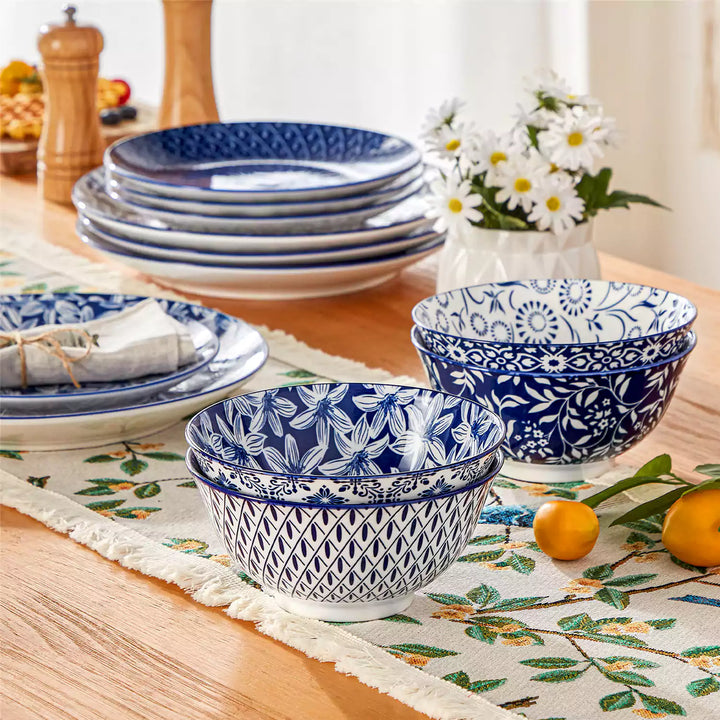
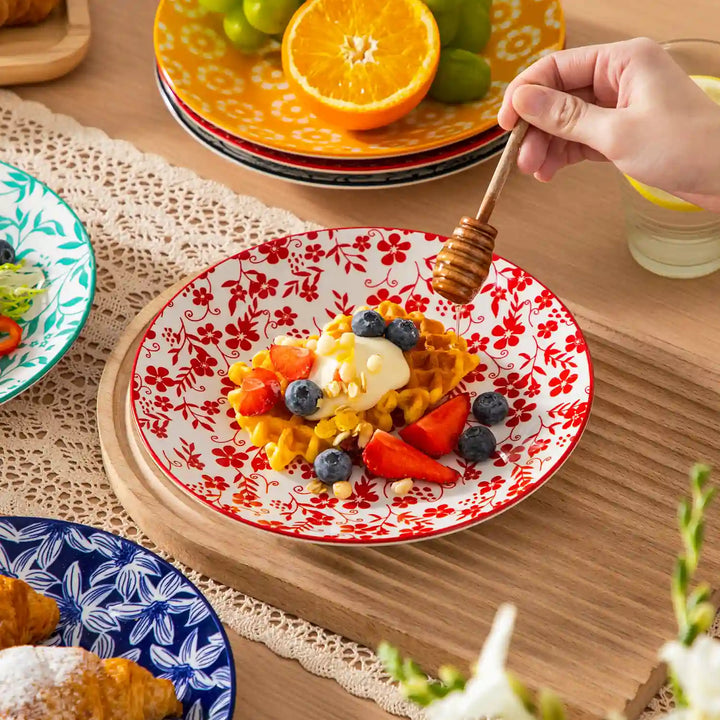
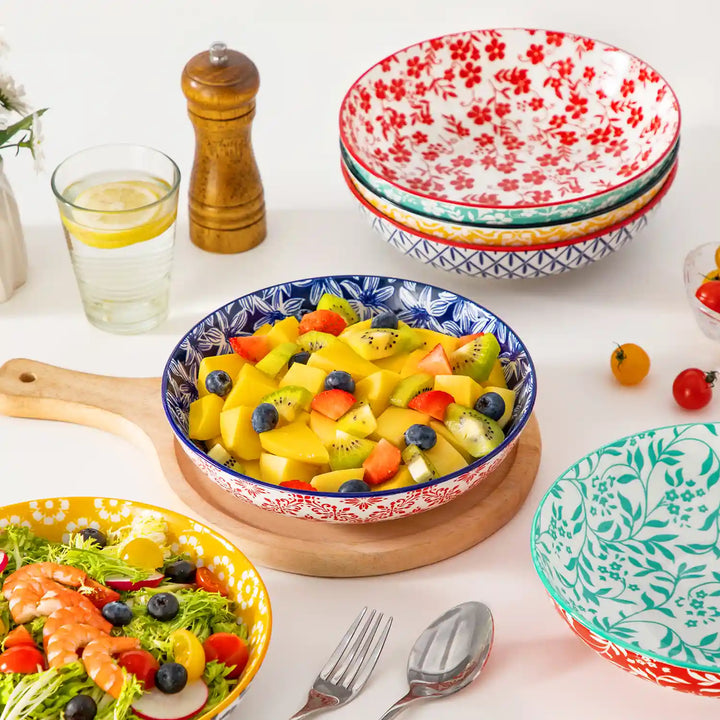
For shoppers replacing mismatched dishes and tired cabinet leftovers, vancasso’s best dinnerware sets make the most sense when you want pieces that feel practical on a weekday but still look pulled together when guests arrive.
Best Set Sizes: 12-Piece, 16-Piece, Service for 6, and Service for 8
Set size is where clean math lies. Four people, four place settings. Easy, right? Not quite.
Dinnerware sets for 4 can work for a couple or a small apartment, but only if dishes get washed often. In real life, two bowls are in the dishwasher, one plate is at someone’s desk, and suddenly, Wednesday dinner starts with hand-washing. That is dishwasher gridlock.

A 12-piece set usually covers the basics: dinner plates, smaller plates, and bowls. It is compact and good for tight cabinets, but it leaves almost no buffer. A 16-piece set usually adds another layer of daily convenience, especially when the included pieces are ones you actually use.
Dinnerware sets for 6 are often the safer choice for two-person homes that cook regularly or host casually. They give you room for guests, skipped dishwasher cycles, and the occasional broken piece without making the cabinet feel crowded.
For busy households, dinnerware sets for 8 are usually the strongest long-term option. Extra pieces cover snacks, seconds, desserts, visiting grandparents, and the strange truth that small plates vanish faster than dinner plates.
A useful set should match your dishwasher cycle, not just your headcount. Buy one step beyond daily needs if you have the storage.
Everyday Materials: Stoneware, Porcelain, and Ceramic Feel
Material changes how dinnerware feels before food ever touches it.
Stoneware has weight. It feels warm, grounded, and casual in a good way. It makes simple meals feel more substantial, but full stacks can get heavy. If your upper cabinets are high or narrow, imagine lifting eight bowls from that shelf after dinner. That matters.
Porcelain usually feels smoother, lighter, and more refined. It works well for everyday dinnerware because it can move from weekday breakfast to guests without changing the table. Good porcelain feels polished, not fragile.
Ceramic is the broader family, so quality varies. Some pieces are thick and rustic; others are sleek and modern. Look beyond the label. Check glaze smoothness, foot ring stability, stacking feel, and whether each piece sits flat without wobbling.
Microwave-safe and dishwasher-safe claims should align with your actual routine. If a set asks for special treatment, be honest. After a long dinner, hand-wash-only dishes stop feeling charming.
Design Choices That Work With Real Meals and Entertaining
Design should make food look better, not compete with it.
White and neutral pieces are easiest to live with because they work with almost any meal, placemat, or holiday accent. Speckled finishes are forgiving; they hide tiny everyday marks better than a perfectly flat glossy surface. Reactive glazes add personality, but make sure you like variation, as no two pieces will look exactly alike.
Matte finishes can look beautiful, but some show metal utensil marks more easily. Dark colors can feel dramatic, though they may make certain foods look flatter. Odd shapes are tempting until you try stacking them in a crowded cabinet.

For relaxed entertaining, choose designs that still look good after people actually use them. Guests stack plates. Someone scrapes a fork too hard. A serving spoon lands where it should not. A useful design should survive that without making the table look messy ten minutes into dinner.
The best choice is not the most decorative one. It is the one that still looks intentional after the meal has started.
Storage, Replacement, and Care Checks Before You Buy
Before buying, open your cabinets. Seriously.
Measure shelf height if stacks are already tight. Check plate diameter against your dishwasher tines. Check the drawer depth if the bowls need to nest there. A beautiful set becomes annoying fast if every piece needs a special storage strategy.
Replacement matters too. Can you buy a similar bowl later if one chips? Does the brand offer open-stock pieces or at least compatible shapes? Households with kids, pets, roommates, or frequent guests should care about this before the first plate breaks.
Check care instructions with brutal honesty. Dishwasher-safe and microwave-safe pieces are usually the safest choice for daily life. If the set needs hand washing, ask whether you will still love it after guests leave.
Good dishes reduce friction. They should stack reasonably, clean easily, fit your kitchen, and stay useful after the newness wears off.
Quick Dinnerware Set Formula by Lifestyle
-
The WFH Couple: 16-piece service for 4 + extra deep bowls for lunches.
-
The Minimal Apartment: 12-piece stackable porcelain or stoneware set.
-
The Busy Family: Service for 8 in durable everyday dinnerware.
-
The New Home Starter: Dinner plates, salad plates, cereal bowls, and pasta bowls first; mugs second.
-
The Weekend Host: Dinnerware sets for 6 or 8, plus serving bowls and platters.
-
The Dishwasher Delayer: Buy one size larger than your household count.
-
The Style-First Shopper: Choose neutral shapes, then add color with linens and serveware.

FAQs
Q1: What Is the Best Dinnerware Set Size for a Couple?
A service for 4 is the minimum, but many couples are happier with a 16-piece set or service for 6 because it prevents constant washing and gives room for casual guests.
Q2: Should Families Buy Dinnerware Sets for 6 or 8?
Most families should consider an 8-person dinnerware set if storage allows. Extra pieces help with snacks, guests, desserts, broken items, and busy dishwasher cycles.
Q3: What Pieces Should Everyday Dinnerware Include?
Practical everyday dinnerware should include dinner plates, salad plates, cereal bowls, and ideally deep pasta bowls for saucy, layered, or one-bowl meals.
Q4: Is a 12-Piece or 16-Piece Dinnerware Set Better for a First Home?
A 12-piece set works for tight storage, but a 16-piece set is usually more practical for first homes because it gives you more flexibility for daily meals and casual hosting.
Q5: Should I Choose a Dinnerware Set With Mugs or Extra Bowls?
Extra bowls are usually more useful than extra mugs. Many households already have favorite mugs, while bowls get used all day for breakfast, leftovers, snacks, soups, and quick meals.
Q6: What Should I Check Before Buying Dinnerware Online?
Check plate diameter, bowl depth, stack height, dishwasher and microwave safety, replacement availability, and whether the style will still work with future serveware and table linens.