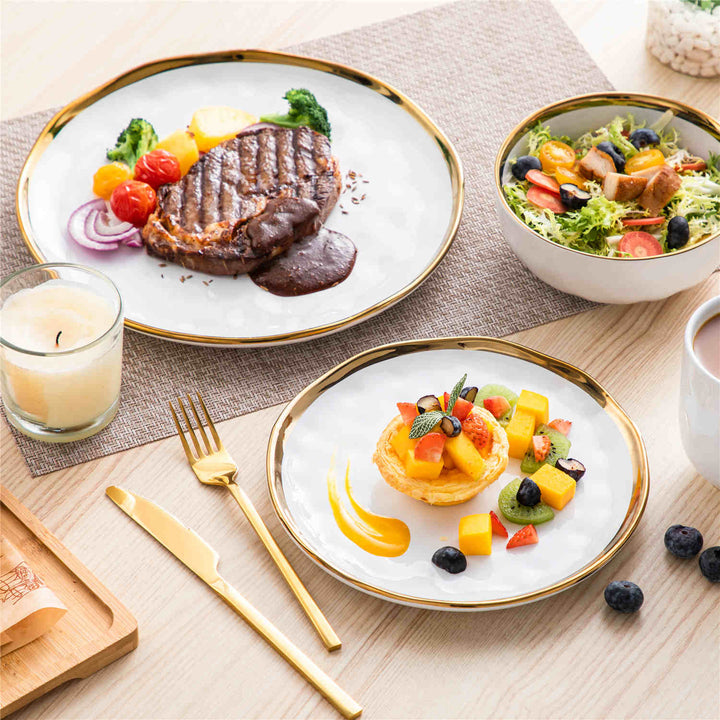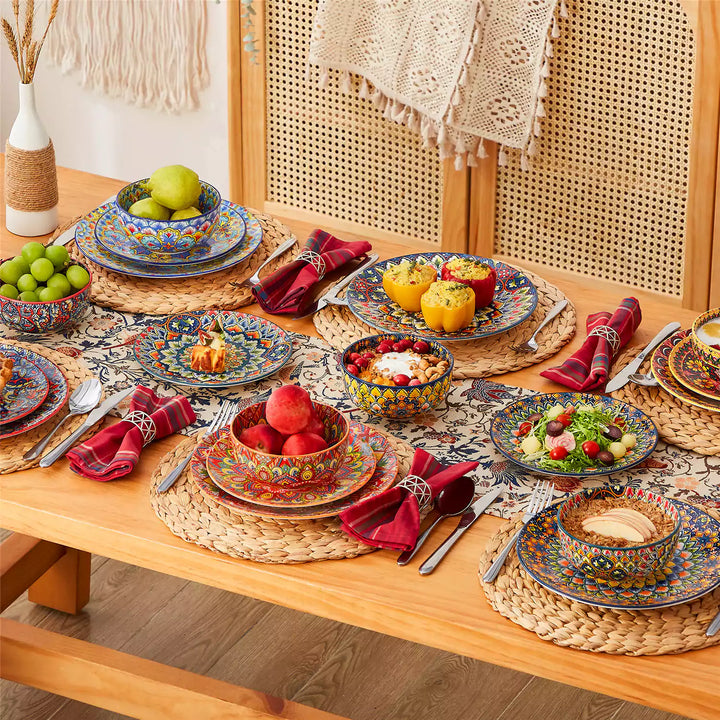


Stoneware has gained popularity in contemporary kitchens, known for its rustic look, durability, and heat retention. You can use stoneware bowls to serve soups, glazed stoneware baking dishes to serve casseroles, or even a complete set of dinnerware to serve the family. It's easy to understand why stoneware tableware has found its way to the dining table. Nevertheless, one question remains: Can metal utensils be used on stoneware? The solution may not be what you think.
Quick Answer: Do Not Use Metal Utensils on Stoneware
Although stoneware is strong and can withstand high temperatures, it is not advisable to use metal utensils on it. Why? Metal utensils may cause gray or silver spots on the glazed surface of your stoneware, which appear scratched or worn. These are not deep gouges or structural damage; they are actually metal deposits left behind from utensil-glaze contact.
Although these marks don't affect performance, they can make your plates or bowls look dull or dirty. Wooden, silicone, or plastic utensils are better for preserving a smooth, attractive finish. This simple change can go a long way in maintaining your stoneware's beauty.
Metal Deposits vs. Scratches: Stoneware Marks
You should know what is really going on before you accuse your dinnerware of scratching. Most of the gray streaks or scuff marks on stoneware are not real scratches. They are, instead, metal deposits, which occur when a harder metal utensil rubs against the glazed surface.
Here's the science behind it:
- Stoneware glazes are generally harder than metal. When you rub a fork or a knife over the surface, small particles of metal rub off and stick to the glaze.
- The outcome is a metallic mark, not a scratch. The glaze is still there on the underside.
The result is a metallic mark, not a scratch—the glaze remains intact underneath. That is why metal marks are often confused with scratches. Glazed stoneware rarely has true scratches except when the glaze has been worn away by time or the object has been subjected to coarse abrasives.

Conditions Enhancing Metal Marking on Stoneware
Stoneware surfaces do not all respond equally to metal utensils. Metal marking may be more likely or noticeable due to certain factors:
Type of Glaze Used
- Lightly textured or matte finishes are more prone to displaying utensil marks compared to glossy glazes.
- Porous or Rougher Glazed Surfaces Create More Friction, Increasing the Chance of Metal Transfer
Quality of the Stoneware
- Harder and more resilient glazes are frequently used in premium stoneware dinnerware sets, which are less susceptible to marks.
- Cheap stoneware or older items may have less hard glazing that retains metal deposits more readily.
Type of Utensil
- Heavier stainless-steel utensils and serrated knives are more likely to leave marks. Metal utensils of softer alloys are more likely to smear or streak.
Force of Use
- Metal marking is greatly enhanced by aggressive cutting or scraping on the surface of the plate.
- Light touch, like scooping or stirring, is much less likely to leave any visible residue.
Age and Wear
- Even the hardest glaze may wear microscopically over time, allowing metal particles to adhere to the surface more easily.

How to Easily Remove Those Annoying Gray Marks from Your Stoneware
When your favorite stoneware bowls or plates already have gray streaks, there is no need to panic—they are often simple to clean with a few simple cleaning tricks. Here's how:
Baking Soda Paste
- Combine baking soda with a small amount of water to create a paste.
- Apply it to the marked area and gently rub with a soft cloth or sponge.
- Rinse thoroughly and dry. The slight abrasiveness of baking soda is used to remove metal deposits without damaging the glaze.
Bar Keepers Friend or Like Cleaners
- This product is specifically made to eliminate metal marks on ceramics and stoneware.
- Sprinkle a little on a wet sponge, rub a little in circular movements, and rinse off.
Cream Cleaners
- Glazed stoneware can also be cleaned with non-abrasive cleaners such as Bon Ami or Cerama Bryte.
Vinegar Soak (Persistent Marks)
- Soak your stoneware in warm water mixed with white vinegar for about 30 minutes. Wipe down and run under water. This assists in dissolving hard residue without damaging the glaze.
Avoid Rough Scouring Pads, Which May Scratch the Surface.
With proper care of your stoneware, you can make it look new over years—even when the utensil slip occurs occasionally.

4 Proactive Tips to Prevent Utensil Marks on Your Stoneware
Keeping your stoneware tableware clean doesn't have to be hard. Simple practices can prevent those metallic streaks from forming in the first place:
Use Non-Metal Utensils
- Wooden spoons, silicone spatulas, or nylon tongs are all soft on your dishes.
- Set aside metal utensils of stainless-steel cookware or serving trays.
Avoid Cutting on the Plate
- When eating steak or other hard foods, chop them on a cutting board rather than your plate.
- This is a basic measure that can be taken to avoid scratches and metal residue.
Select Glazed Stoneware Gloss Finish
- When utensil marks are a problem, use glossy stoneware that is fully glazed. The metal is less likely to transfer or stick due to the smooth surface.
Regular Gentle Cleaning
- Wipe with soft cloths or sponges—never steel wool or coarse pads.
- A light cleaner can be used occasionally to keep the shine and remove any slight residue before it accumulates.
Metal Utensils and Stoneware: Key Takeaways
- To keep your stoneware clean and spotless, avoid metal utensils. Most scratches are metal scratches, not scratches on the glaze.
- The glaze type, utensil material, and how you use your dinnerware all affect mark visibility.
- Marks are easy to clean—a baking soda paste or Bar Keepers Friend will do the job.
- Prevention is the best: use silicone or wooden utensils and do not cut on plates.
Stoneware often wins in the stoneware vs. ceramic debate due to its strength and rustic appeal. Nevertheless, both types may undergo similar metal marking when working with metal utensils. Careful handling of your glazed stoneware will keep it as beautiful and useful as it was when you purchased it.

FAQs
Q1: Is It Possible to Use Metal Utensils on Glazed Stoneware?
A: Yes, technically, you can use them, but it is not advisable. Although they will not normally harm the structure, they will cause visible gray spots that will dull the appearance of your stoneware over time.
Q2: Does Stoneware Have Permanent Metal Marks?
A: No. In most cases, metal marks can be fully removed using mild abrasives, such as baking soda paste or specialty cleaners designed for use on ceramic and stoneware surfaces.
Q3: Are Stoneware Bowls Easy to Scratch?
A: Not usually. Stoneware is tough, but utensil marks can appear if you regularly use metal spoons or knives. These marks do not weaken the material—they are merely cosmetic.
Q4: Which Is More Resistant to Utensils, Stoneware or Ceramic?
A: In the comparison of stoneware and ceramic, stoneware is denser and resistant to chips. Nevertheless, they both may exhibit metal marks based on the quality of the glaze and its application.
Q5: What Can I Do to Prevent Metal Marks on My Dinnerware Sets in the Long Run?
A: Wooden or silicone utensils should be used, washed gently after use, and stored with soft padding. Your stoneware tableware can remain spotless and beautiful for many years with proper care.